
Bar in Oakland, United States
The Trappist
100ptsMonastic Beer Curation
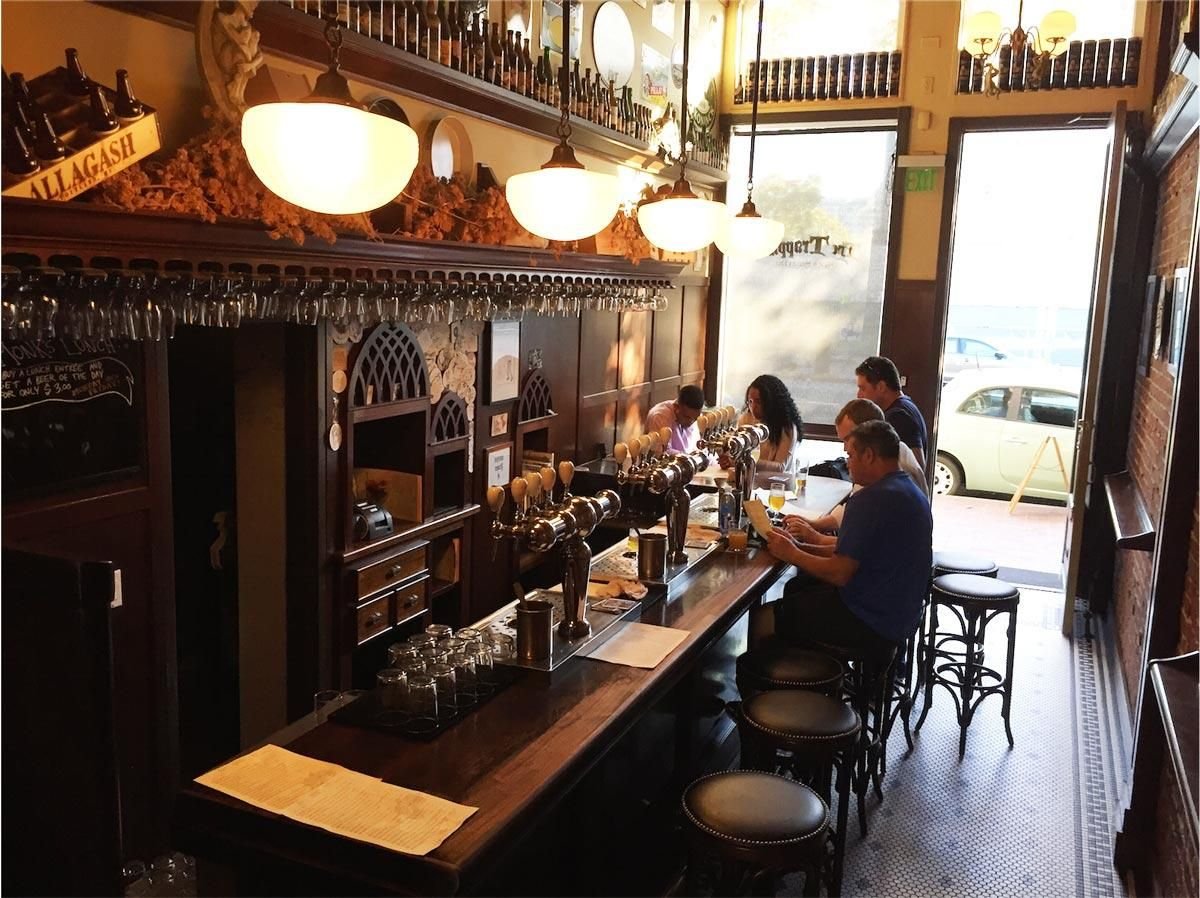
About The Trappist
One of Downtown Oakland's most respected beer destinations, The Trappist at 460 8th St has built its reputation around an extensive Belgian and craft selection in a setting that rewards slow drinking. The bar occupies a distinct position in Oakland's bar scene — serious about sourcing without being precious about it, and consistently cited alongside the city's most thoughtful drinking rooms.
Downtown Oakland's Beer Bar, in Context
The stretch of 8th Street in Downtown Oakland runs through a neighbourhood that has absorbed more than a decade of change — closures, openings, and the gradual consolidation of the city's independent drinking culture into a smaller, more intentional set of venues. The Trappist, at 460 8th St, has held its position through those shifts in a way that says something about what it is and what it does. In a city where craft beer culture arrived early and matured quickly, bars that survive long enough to become reference points do so by committing to a position, not by chasing trends.
The interior runs toward the dimly lit, wood-heavy aesthetic that defined serious beer bars before the format became ubiquitous. It is a room that communicates intention: that you are here to drink something worth paying attention to, and that the pace is yours to set. Oakland's better drinking rooms tend to reward that kind of self-direction, and The Trappist fits that pattern. For nearby context, 13 Orphans and Bay Grape represent the cocktail and wine ends of Oakland's independent bar spectrum, while Belotti Ristorante E Bottega and alaMar Dominican Kitchen anchor the neighbourhood's food side.
Belgian Tradition and the Ethics of Selection
Trappist takes its name from the monastic brewing tradition that produced some of Europe's most carefully made beers — a tradition defined, in its original form, by self-sufficiency, minimal waste, and production governed by need rather than volume. That lineage is not merely decorative. Belgian Trappist brewing, as a category, is among the more traceable and accountable in global beer: the Authentic Trappist Product label (controlled by the International Trappist Association) requires that beer be brewed within monastery walls under monastic supervision, with proceeds directed to the monastery or charitable works. When a bar anchors its identity to that tradition, the sourcing conversation becomes part of the premise.
In broader craft beer terms, the last decade has pushed serious beer programs toward questions that were once considered secondary: where does the grain come from, what happens to spent yeast and grain after brewing, how are kegs transported and returned. The bars that have held credibility through that shift are the ones with selections deep enough to speak to multiple parts of the conversation simultaneously , Belgian abbey ales alongside California farmhouse, alongside imported lambic. Lambic, worth noting, is one of the most ecologically specific beer styles in existence: spontaneously fermented using ambient wild yeast and bacteria in the Pajottenland region of Belgium, it cannot be meaningfully replicated elsewhere and represents a direct argument for terroir in beer.
Across the United States, the bars building genuinely thoughtful beer programs have moved toward draft lists that account for freshness and transit time, favouring local and regional producers on tap while using bottle selections for the imported rarities that justify the logistics. ABV in San Francisco, across the Bay, operates in a similar register of seriousness without being exclusively beer-focused. The better comparators nationally include programs at Kumiko in Chicago, where the selection philosophy is audible in every decision, and Jewel of the South in New Orleans, which applies comparable rigor to spirits. The discipline, whatever the category, is the same: know what you are pouring and why.
Where The Trappist Sits in Oakland's Bar Hierarchy
Oakland's bar scene has never been particularly deferential to San Francisco's categories or price points, and that independence has served it well. The city's better bars tend to operate without the cover-charge formality or the tasting-menu pricing that characterizes some of the Bay Area's more performative drinking rooms. The Trappist fits that pattern: it is a place where the knowledge is in the list, not in the presentation ritual around it.
Nationally, the beer-bar format has splintered into several sub-categories. There are the tap-room annexes of production breweries, which tend toward loyalty to house beer. There are the deliberately minimal bottle-shops-with-seating, which skew toward rarities. And there are the hybrid rooms that maintain a broad draft selection alongside a curated bottle program, allowing a single visit to move through registers. The Trappist's positioning aligns with the third model. For reference points in other cities, Bar Leather Apron in Honolulu and Julep in Houston demonstrate how program depth in non-beer categories creates a comparable experience of curation that rewards return visits.
The bar does not sit at the very leading of a formal awards hierarchy in the way that some of its national peers do, but awards in the beer bar category are a narrower field than in cocktail bars, and absence of a specific accolade does not indicate absence of standing. In Oakland's specific context, longevity and local credibility function as their own form of recognition. See our full Oakland restaurants guide for broader neighbourhood context and venue comparisons.
Planning a Visit
The Trappist is located at 460 8th St in Downtown Oakland, walkable from 12th Street/City Hall BART station. The format is drop-in rather than reservation-driven for most visits, though the bar draws a consistent crowd on weekend evenings and during special release events, when wait times at the bar can extend. A mid-week evening or early weekend afternoon is the most comfortable window for taking time with the list. The dress code is casual in the Oakland independent bar tradition: the room does not signal formality, and neither should you. Pricing sits in the range expected of a serious beer bar , imported and rare bottles carry a premium over the draft selection, which is reasonable given logistics and cellaring. For comparable internationally oriented bar programs, The Parlour in Frankfurt on the Main and Superbueno in New York City offer a useful register of what program depth looks like in different market contexts.
Frequently Asked Questions
- Is The Trappist more formal or casual?
- The Trappist runs casual in the Downtown Oakland mode: the room is serious about its beer list but does not enforce dress expectations or a formal service structure. It fits the pattern of Oakland's independent bars, which tend to weight expertise over ceremony. Pricing is in line with what imported and craft beer programs typically command in the Bay Area.
- What should I drink at The Trappist?
- The bar's identity is built around Belgian and Belgian-adjacent styles , abbey ales, saisons, and lambic-family beers among them. The selection is broad enough to reward both familiarity with the category and first-time exploration. Ask the bar staff to navigate between draft and bottle options based on what you want to spend and how long you plan to stay.
- What should I know about The Trappist before I go?
- The bar is a drop-in venue without a food program at the level of a full restaurant, so plan accordingly. It sits in Downtown Oakland near the 12th Street BART corridor, which makes it accessible from across the Bay. The beer list skews toward imports and California craft, with particular depth in Belgian styles. Expect to pay more for bottles than for draft pours.
- How far ahead should I plan for The Trappist?
- For standard visits, no advance booking is needed. The bar operates on a walk-in basis for most evenings. Special release events or particularly busy weekend nights can create waits at the bar, so mid-week or early-evening timing is worth considering if you want space to work through the list without pressure.
- Is The Trappist worth the prices?
- For a beer program with genuine depth in Belgian imports, California farmhouse, and rarer bottle selections, the pricing reflects the sourcing and cellaring involved. The bar does not carry awards in the way that cocktail-focused programs are typically evaluated, but its longevity and standing in Oakland's beer scene speak to a consistent track record.
- Does The Trappist serve food alongside its beer program?
- The Trappist is primarily a drinking venue rather than a full-service restaurant, which places it in the category of serious beer bars where the list is the main event. This is consistent with how Belgian-focused beer bars operate broadly: the food offering, where present, functions as support for the drinking rather than as an independent draw. If a full meal is part of your plan, Downtown Oakland's restaurant options on nearby blocks, including venues in our Oakland guide, are worth factoring into the evening.
Related editorial
- Best Fine Dining Restaurants in ParisFrom three-Michelin-star icons to the next generation of Parisian chefs pushing boundaries, these are the restaurants that define fine dining in the world's culinary capital.
- Best Luxury Hotels in RomeFrom rooftop terraces overlooking ancient ruins to Michelin-starred hotel dining, these are the luxury hotels that make Rome unforgettable.
- Best Cocktail Bars in KyotoFrom sleek lounges to hidden speakeasies, Kyoto's cocktail scene blends Japanese precision with global influence in ways you won't find anywhere else.
Save or rate The Trappist on Pearl
Keep this venue in your Pearl passport, rate it after you visit, and track it alongside every other place you collect.