

Bar in Oakland, United States
Bombera
100Pearl PointsLow-Drama Dinner
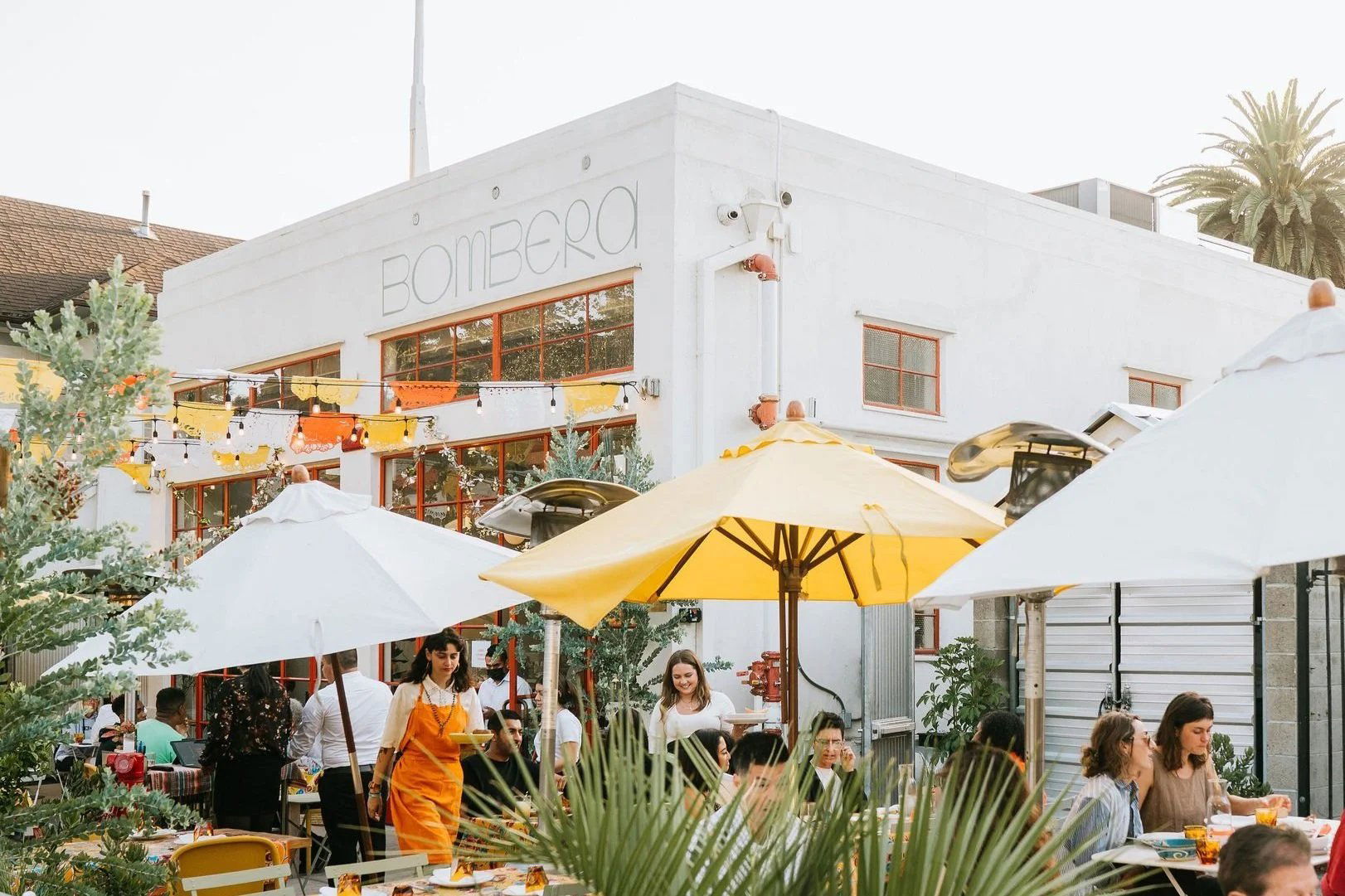
About Bombera
Bombera is a sensible Oakland dinner pick when ease matters more than ceremony. Book it for a relaxed, planned night out; cross-shop Jo's Modern Thai for a clearer restaurant format, Ordinaire Wine Shop & Wine Bar for wine focus, or Heart & Dagger Saloon for a bar-led evening.
Is Bombera worth considering in Oakland? Yes, if the goal is a smart-casual evening plan during its posted hours rather than a late-night stop. The verified basics are simple: Bombera is in Oakland, the dress code is smart casual, and service is listed for 5–9 PM on Monday and Wednesday through Saturday, with Tuesday and Sunday closed.
The value question is harder to answer from the verified details alone, so the safer recommendation is to treat this as a flexible dinner pick rather than a fully defined splurge target. If the final bill, menu format, or service style needs to be predictable before committing, compare it with other options where those details can be checked directly. Jo's Modern Thai and Ordinaire Wine Shop & Wine Bar are names to consider when you want to cross-shop before choosing.
Book it for a simple Oakland evening, not for a trophy meal
The case for choosing Bombera is practical. Bombera fits a plan built around a set evening window in Oakland and a smart-casual dress code. It is not the right pick if the group needs confirmed awards, a published tasting-menu structure, or detailed public information before deciding. For that diner, the better move is to start with Our full Oakland restaurants guide and compare formats before choosing.
Timing should be the deciding filter. Bombera's verified hours run from 5–9 PM on Monday and Wednesday through Saturday, so it suits an earlier evening more than a late-night plan. If Bombera's schedule does not fit, Heart & Dagger Saloon, Smitty's Lounge, and Room 389 are other options to compare.
Who should cross-shop before committing
Choose Bombera when the evening plan is the anchor and the group is comfortable working from a concise set of verified details: Oakland location, smart-casual dress, and hours on Monday and Wednesday through Saturday. Cross-shop Ordinaire Wine Shop & Wine Bar when that venue sounds closer to the mood you want, or consider Heart & Dagger Saloon, Smitty's Lounge, and Room 389 if Bombera's schedule or verified details are not enough for the plan.
Quick reference: choose Bombera for an Oakland evening during its posted 5–9 PM service window; cross-shop if the night needs a later schedule or more detailed public information before you commit.
Frequently Asked Questions
Is Bombera good for a date?
Yes, if the date calls for a smart-casual Oakland evening during posted hours rather than a late-night plan. Bombera is listed as open 5–9 PM on Monday and Wednesday through Saturday, with Tuesday and Sunday closed. Room 389 is another option to compare.
Is Bombera open late?
No, not by late-night standards. Bombera closes at 9 PM on Monday, Wednesday, Thursday, Friday, and Saturday, with Tuesday and Sunday closed. If your group wants to compare other options, Heart & Dagger Saloon or Smitty's Lounge may be worth considering.
Do I need a reservation at Bombera?
Reservation requirements are not verified here. The practical move is to check directly before going during Bombera's 5–9 PM service window. If you want a backup, compare with Jo's Modern Thai or Ordinaire Wine Shop & Wine Bar before setting the plan.
What's the crowd like at Bombera?
Specific crowd details are not verified here. The confirmed information points to an evening schedule, with service limited to 5–9 PM on the open nights and no service on Tuesday or Sunday. Compared with Smitty's Lounge or Heart & Dagger Saloon, Bombera has the verified smart-casual dress code and evening hours listed here.
Is the food good at Bombera?
Bombera is a reasonable pick if you want an evening plan in Oakland during its posted hours. Verified details here do not include awards, chef information, cuisine, prices, or menu format, so the practical case is based on location, hours, and smart-casual dress rather than trophy status. Check directly for the latest details.
What's the best time to go to Bombera?
Early evening is the safest bet, especially on Wednesday through Saturday before the 9 PM close. Monday can also work, while Tuesday and Sunday are closed. Room 389 is a useful comparison if you are weighing other options; for a contained Oakland evening, Bombera fits the verified schedule.
Is Bombera good for groups?
It can work for a group that wants a smart-casual evening in Oakland during a defined 5–9 PM service window. Group size limits and seating details are not verified here, so check directly before planning around a larger party. If Bombera's verified details do not fit your group, Smitty's Lounge is another option to compare.
Location
3459 Champion St, Oakland, CA 94602
Oakland, United States
Compare Bombera
How Bombera compares in Oakland
Bombera sits closer to a neighborhood dinner choice than a destination bar. Compared with Jo's Modern Thai, it reads as the lower-drama option; choose Jo's when the group wants a clearer restaurant identity and more energy around the meal.
Against Heart & Dagger Saloon, Smitty's Lounge, and Room 389, the decision is simple: those are stronger for a drinks-led night, while Bombera is better when dinner is the anchor. Ordinaire Wine Shop & Wine Bar is the sharper pick for wine-first value.
Where to go if Bombera is not the right fit
Choose Jo's Modern Thai if the group wants a more clearly defined restaurant night. Choose Ordinaire Wine Shop & Wine Bar if the bottle matters more than the meal.
For a looser bar plan, cross-shop Heart & Dagger Saloon, Smitty's Lounge, or Room 389.
How Bombera compares in Oakland
Bombera is the more dinner-oriented pick when the night needs to feel planned without turning into a major reservation project. Jo's Modern Thai is the cleaner choice for diners who want a more defined cuisine identity and a higher-energy restaurant plan, while Bombera makes more sense for a lower-pressure Oakland evening.
For drinks-first value, Heart & Dagger Saloon, Smitty's Lounge, and Room 389 are better fits because the experience is centered on the room and the round rather than dinner. Choose those when the group wants flexibility, noise, and a casual bar cadence.
Ordinaire Wine Shop & Wine Bar is the smarter cross-shop when wine is the point of the night. Bombera is the better call when the decision starts with dinner and the group wants an easy Oakland booking rather than a bottle-focused outing.
Explore Oakland
Save or rate Bombera on Pearl
Keep this venue in your Pearl passport, rate it after you visit, and track it alongside every other place you collect.