Camacho Garage
Westville, New Haven
Bar in New Haven, United States
 Book with Pearl
The Read
Price
$20–30per person
Why go
Camacho Garage is worth considering when you want an easygoing Westville alternative to New Haven's downtown bar and restaurant circuit. It is a practical pick for casual groups or low-pressure dates, but not the strongest choice for a formal meal, cocktail-focused night, or award-driven booking.
About Camacho Garage
Camacho Garage is a casual New Haven venue open daily from 12 PM to 12 AM. Alongside other options such as The Owl Shop and Ordinary, it is best described as a low-key choice. The useful information is practical, not decorative, and it points to a place that may work when ease and timing matter more than a highly specified brief.
The strongest reason to keep it on a shortlist is schedule flexibility. With the same noon-to-midnight hours every day, it can fit a range of New Haven plans without requiring a different closing-time check by weekday. That consistency is helpful for simple planning, especially when a group is comparing multiple stops and does not want the decision to hinge on whether a particular night has a different schedule.
A casual New Haven pick with daily noon-to-midnight hours
The fit is clearest for people who want a casual setting and a direct New Haven option. If the plan depends on a specific atmosphere, menu, service style, or level of formality, compare Camacho Garage with other options such as Ordinary, The Owl Shop, Strega Restaurant, or Union League before committing. In other words, it is better treated as a practical candidate than as a fully defined special-occasion choice.
Use Camacho Garage as a casual New Haven option when the hours and casual style match the plan, rather than when you need a destination booking built around a specific chef, menu, price point, or seating setup. For a broader scan, start with Our full New Haven restaurants guide and Our full New Haven bars guide.
Who should choose it, and who should keep looking
Choose it if the group values a casual dress code and daily hours that run until midnight. Keep looking if the occasion depends on menu details, a specific beverage program, public recognition, or a more formal brief. Other options to consider include Toad's Place, Union League, The Owl Shop, Ordinary, and Strega Restaurant, depending on what kind of outing you are planning. The key is to match the venue to the level of certainty the occasion requires: Camacho Garage works best as a straightforward, flexible New Haven possibility.
For visitors stitching together a wider New Haven trip, Camacho Garage can be considered alongside other local options. It may be most useful as one name in a broader comparison set, especially when daily hours are part of the decision. For broader browsing, use city guides to compare New Haven options.
Planning details
- Location
- 36 Fountain St, New Haven, CT 06515
- Reservations
- Book on OpenTable
- Website
- camachogarage.com
- Phone
- +1 203 691 1969
The take
The Take
The Vibe
Camacho Garage reads like a neighborhood bar with an elevated agenda. It trades the tourist-track bustle for a more considered pace, positioning its kitchen as an equal partner to the cocktail program rather than an afterthought. The piece highlights a middle ground between brewery-scale, high-throughput spots and the ultra-precise cocktail dens, which gives Camacho a focused, sophisticated energy without feeling overly formal. Because it draws from a local constituency and sits on a quieter stretch of Fountain Street, the room feels intimate and deliberate: a place where drinks and well-thought-out food land with purpose rather than spectacle.
Best For
The venue is best for diners who want a night out built around both drinks and food. It appeals to locals and regulars who prioritize thoughtful pairings and a balanced bar-kitchen relationship, rather than a purely pizza-and-pints crowd or a strictly cocktail-only experience. Given the emphasis on a working food programme and cocktail precision, Camacho Garage suits evening reservations and casual group outings that plan to linger for several rounds. It’s an especially good choice for people who appreciate serious bar food alongside well-crafted drinks in a neighborhood setting.
Ordering Tips
Treat the menu as a two-way conversation: plan to order both food and cocktails and think about them as equal partners. The write-up underscores the venue’s deliberate food programme, so opt for dishes designed to complement drinks rather than expect merely ancillary bar snacks. If you’re coming with a group, consider sharing plates to sample the kitchen’s range while rotating cocktails through the table. Above all, anticipate a paced evening—this is a spot built for lingering over well-made drinks and considered food rather than quick throughput.
Venue details
Ambiance
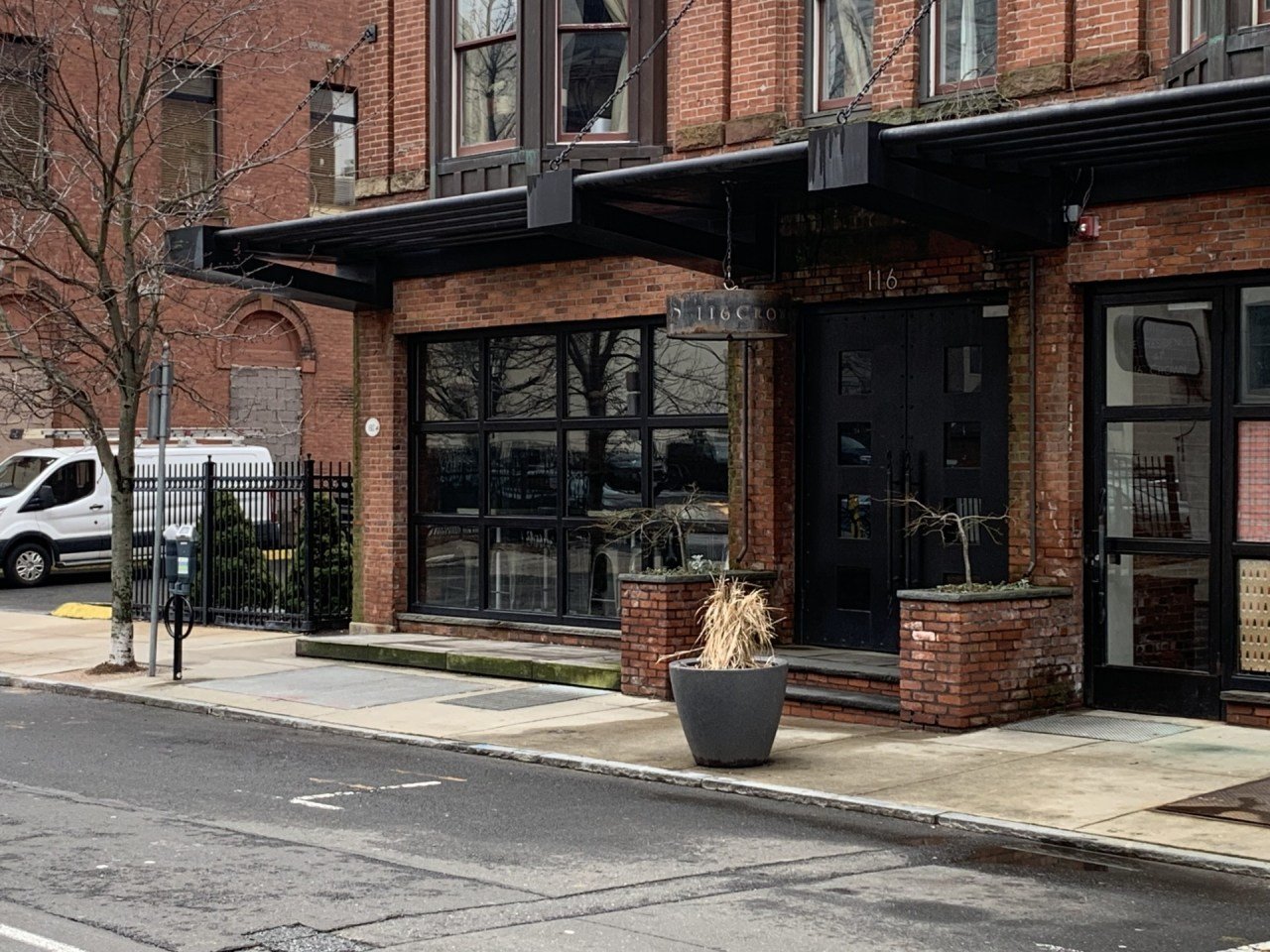
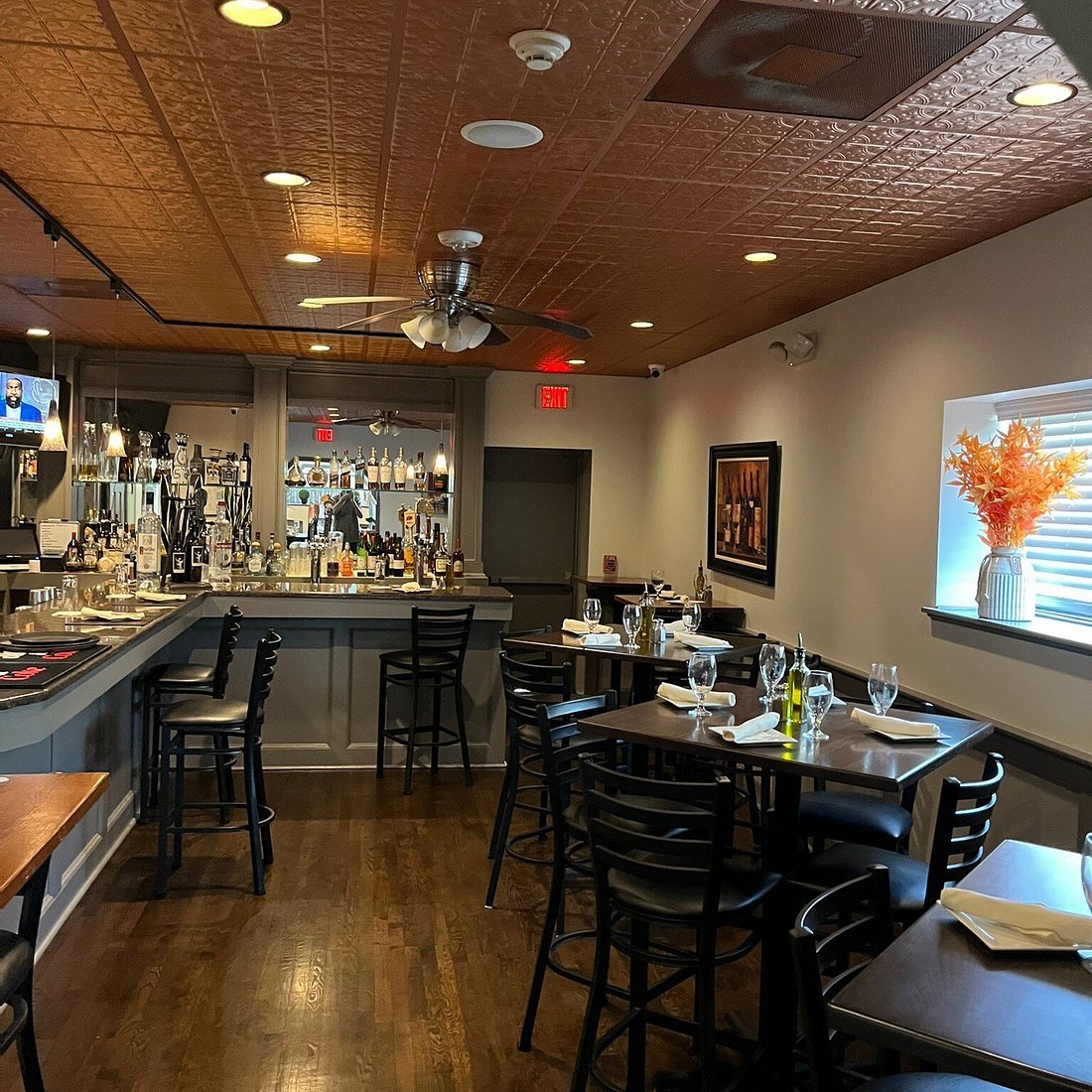
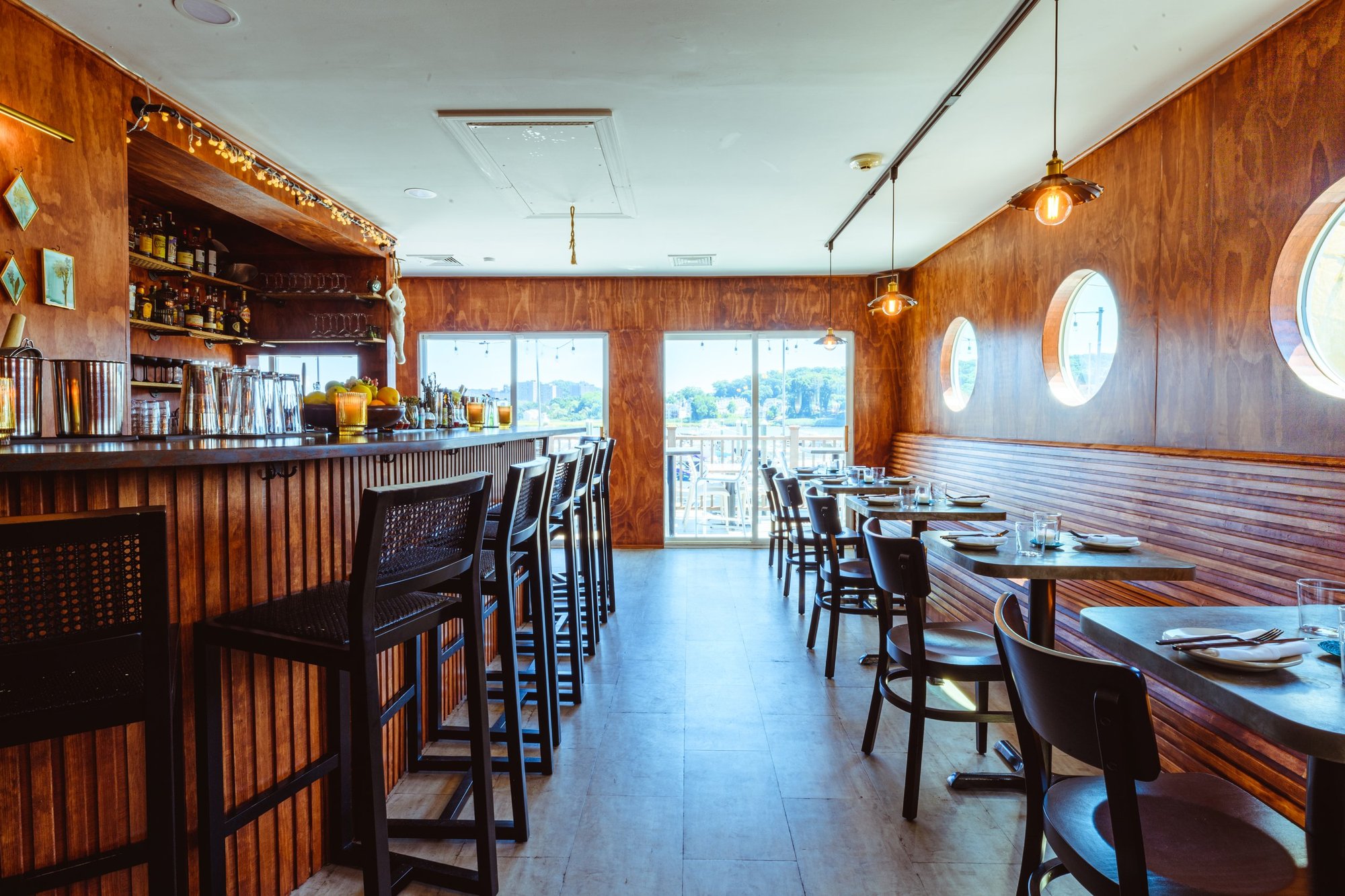
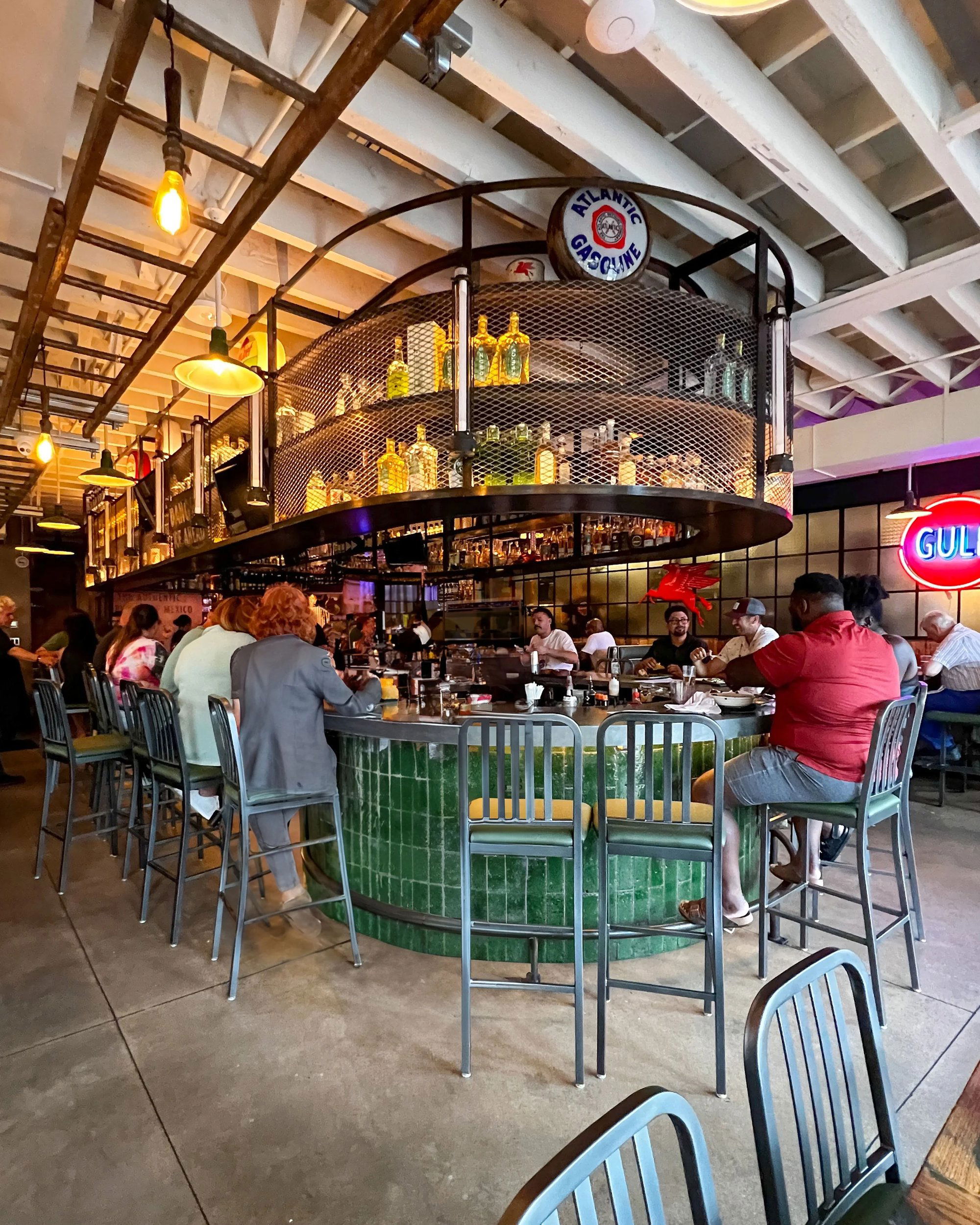
Sophisticated and fun with a vintage garage feel, abundant light, and seamless indoor-outdoor experience.
Tags
Vibe
Best For
Format
At the Bar
- Bar Category
- Cocktail Bar
- Spirits Focus
- Tequila, Mezcal
Signature Pours
- Camachorita
- Infamous Espresso Martini
Know before you go
Know Before You Go
- Getting there
- 36 Fountain St, New Haven, CT 06515
Planning details
Location
Also consider
Also Consider
- Toad's Place, Notable alternative
- Union League, Notable alternative
- Strega Restaurant, Notable alternative
- The Owl Shop, Notable alternative
- Ordinary, Notable alternative
Bar context
How it compares in New Haven
Choose Camacho Garage when ease matters more than polish. Compared with Ordinary and The Owl Shop, it reads as the more casual neighborhood move rather than the drink-first downtown choice. Ordinary is the better cross-shop for cocktails; The Owl Shop is stronger for an old-school bar atmosphere.
For occasion dining, Union League is the more formal pick, while Strega Restaurant is the better comparison if the meal is the main event. Camacho Garage makes more sense when the group wants something relaxed and easier to fit into a loose evening.
If the night is built around live music or a big crowd, Toad's Place is the clearer call. If the goal is conversation, casual food, and a Westville base, Camacho Garage is the more useful option.
Explore New Haven
Around this place
Discover more on Pearl
Unlock the full Camacho Garage guide in Pearl, including awards, comparisons, FAQs, planning details, and nearby places.
Compare Camacho Garage
| Venue | Location | Awards |
|---|---|---|
| Camacho Garage | New Haven | No published awards |
| Toad's Place | New Haven | No published awards |
| Union League | New Haven | No published awards |
| Strega Restaurant | New Haven | No published awards |
| The Owl Shop | New Haven | No published awards |
| Ordinary | New Haven | No published awards |
How Camacho Garage New Haven compares with similar nearby venues.
FAQ
Frequently Asked Questions
Is Camacho Garage open late?
Yes. Camacho Garage is open every day from 12 PM to 12 AM in New Haven. The same schedule is listed for Monday through Sunday.
What's the best time to go to Camacho Garage?
Camacho Garage is open 12 PM to 12 AM every day, so the timing depends on the kind of New Haven outing you are planning.
Do I need a reservation at Camacho Garage?
If your timing is fixed or your group needs certainty, contact Camacho Garage directly before going.
Is the food good at Camacho Garage?
Camacho Garage works best in this context as a casual New Haven option with daily noon-to-midnight hours. For specific food recommendations, review the menu or contact the venue directly.
Is Camacho Garage good for a date?
It may fit a low-pressure plan if a casual New Haven setting and midnight closing time are what you need. If the occasion depends on a specific atmosphere or service style, compare it with other options before deciding.
What's the crowd like at Camacho Garage?
Expect a casual setting, with hours from 12 PM to 12 AM daily.
Does Camacho Garage have happy hour deals?
Do not plan around a deal window without checking directly with Camacho Garage. If discounts matter, compare it with other New Haven options such as The Owl Shop or Ordinary.