John Watling's Distillery
Downtown Nassau, Nassau
Bar in Nassau, Bahamas
 Book with Pearl
Why go
Book John Watling's Distillery into a Nassau day when rum context and a site-specific stop matter more than a full food or wine program. It is a better daytime add-on than an evening anchor, especially for travelers comparing distillery character against hotel lounge comfort.
About John Watling's Distillery
In Nassau, the appeal of John Watling's Distillery should be framed simply: it is a casual daytime stop, not a restaurant alternative or late-night lounge. Practical details are limited, but useful: it is in Nassau, the dress code is casual, and it is open daily from 10 AM to 6 PM.
Because it does not establish a food program, beverage format, tour details, pricing, or reservation policy, plan around the basics rather than assuming a full dining or bar experience. It makes the most sense as a daytime Nassau stop for travelers who want to include the venue in a broader city plan.
Choose it as a casual Nassau stop
The decision is clearest when expectations stay modest. John Watling's Distillery is best treated as a casual daytime venue with daily hours, rather than as a substitute for a restaurant or late-night lounge. If the group needs a dinner plan, detailed menu information, or a more formal setting, compare it with other Nassau options before committing.
For planning a broader day in the city, pair this with Pearl's Nassau bars guide rather than treating it as the full evening plan. Travelers building a wider itinerary can also use Pearl's Nassau restaurants guide and Pearl's Nassau hotels guide to decide whether this fits before or after a meal, another stop, or other Nassau activity.
The venue makes more sense as a daytime add-on
The hours are the key planning detail: John Watling's Distillery is open every day from 10 AM to 6 PM. That makes it better suited to a daytime or early-evening itinerary than to a late-night plan. The casual dress code also keeps the visit low-friction.
If the decision is between this and another Nassau stop, prioritize John Watling's Distillery when the day needs a casual add-on with daytime hours. Prioritize another option when the priority is a later evening, a dining program, or more detailed service information. Comparison venues such as Aura, Graycliff Lounge, Moon Bar & Lounge, Plato's, and Sea Glass may make more sense when the stop itself is the main event.
Planning details
- Location
- Buena Vista Estate, 17 Delancy St, Nassau, Bahamas
- Website
- johnwatlings.com
- Phone
- +1 242 322 2811
The take
The Take
The Vibe
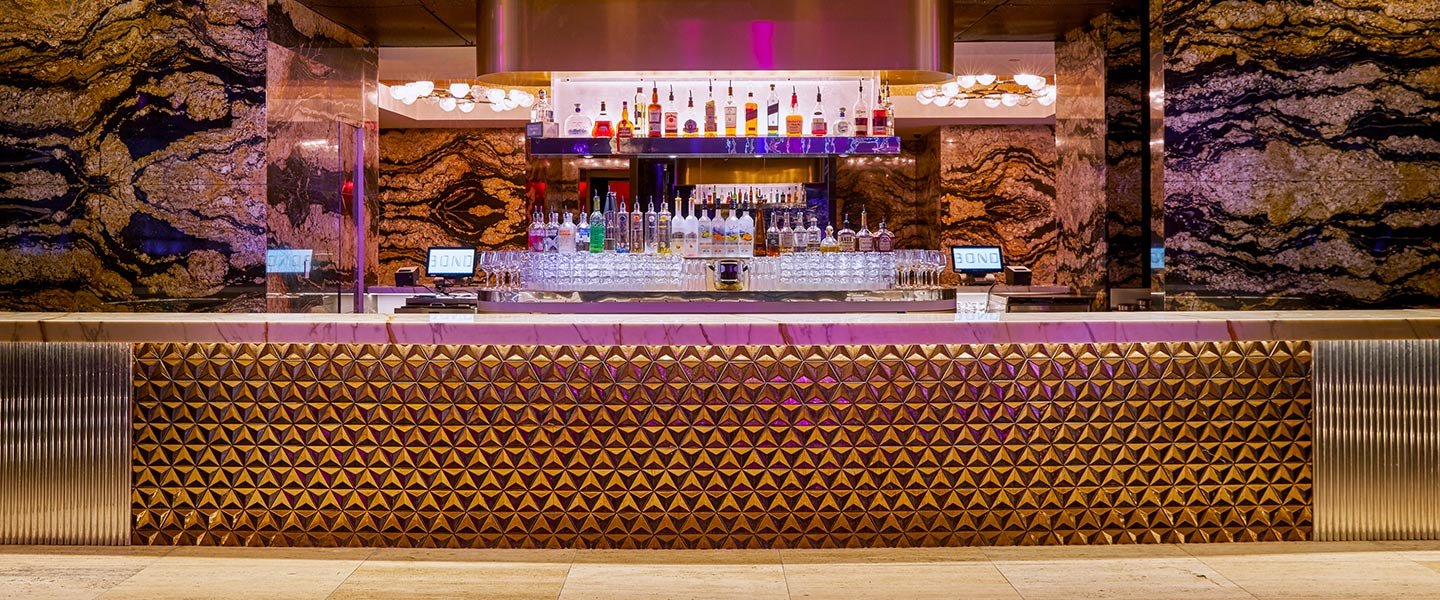
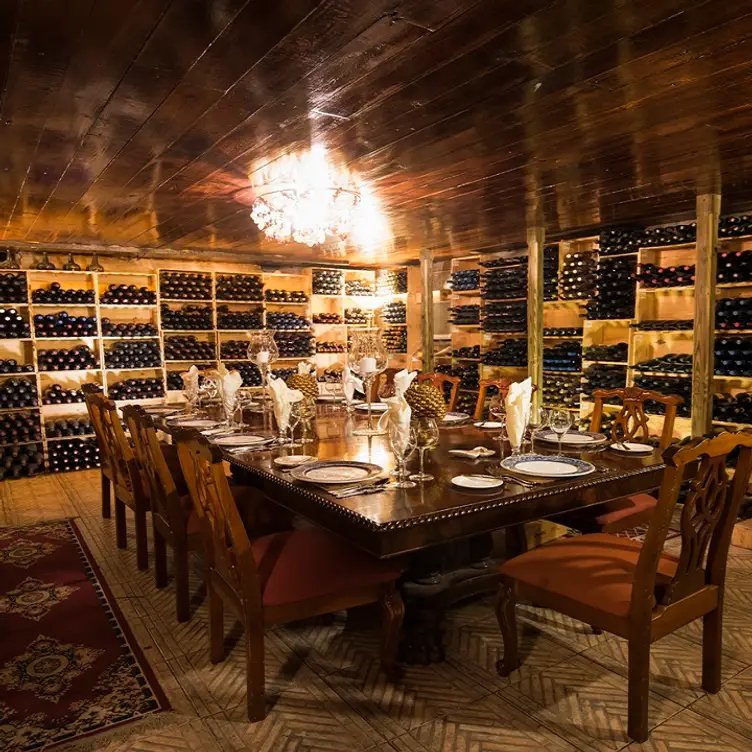
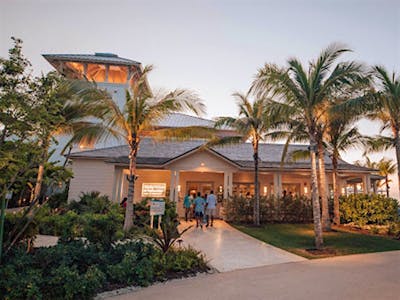
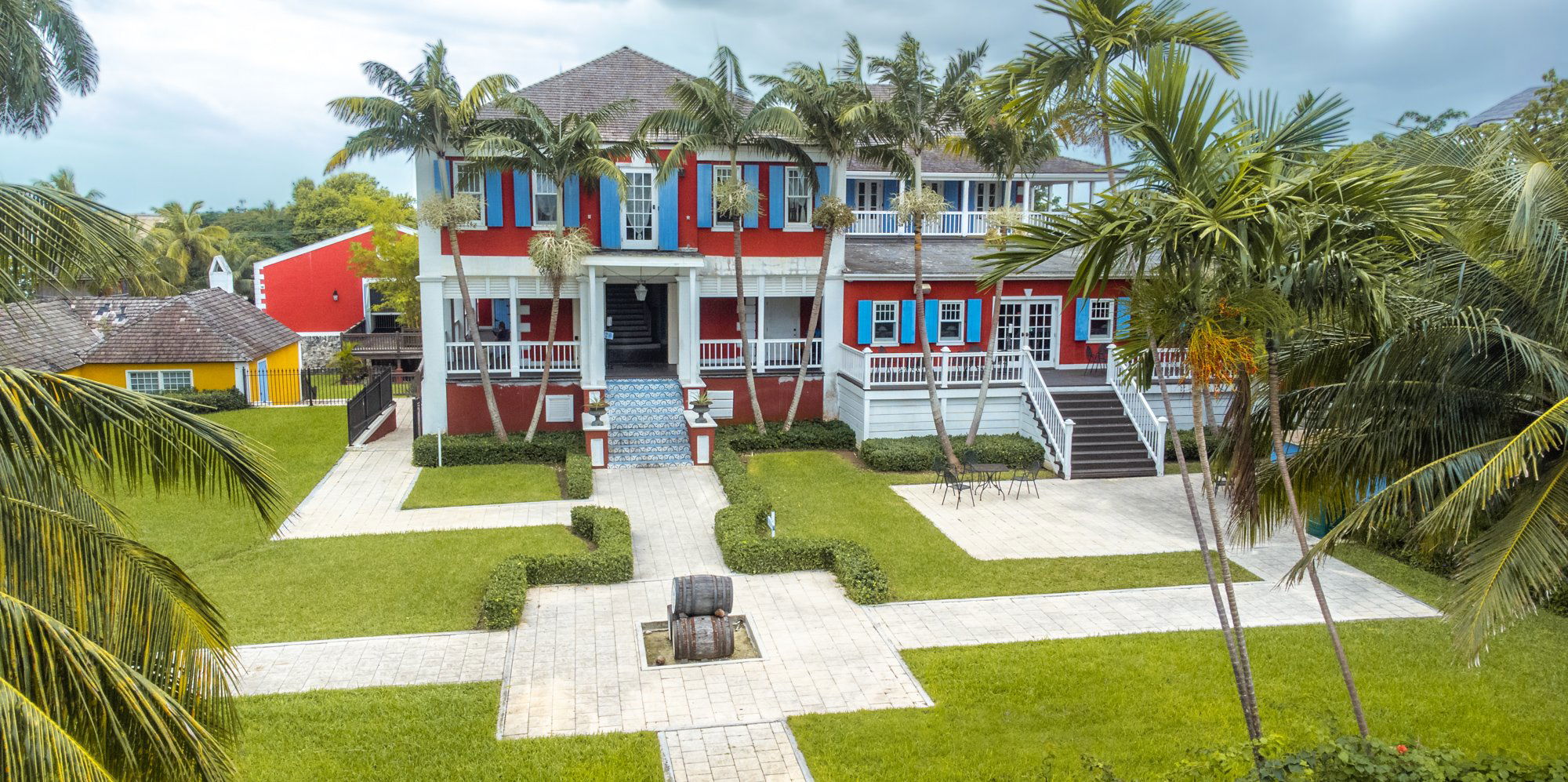
John Watling's Distillery sits on the Buena Vista Estate and leans into its architectural pedigree: coral-stone walls, wide verandas and mature trees give the property a classical, old-world presence. The setting reads less like a resort amenity and more like a repurposed colonial estate, so the place feels intentionally rooted and quietly charming rather than slickly commercial. Production elements are part of the spatial drama—copper stills are visible to visitors—so the overall tone balances historical gravitas with an approachable, estate-style hospitality.
Best For
The distillery is best for visitors interested in craft spirits and the story behind production—tourists arriving from nearby cruise terminals and resort islands find the site especially appealing. It suits groups and casual daytime visits as much as those seeking a special, place-driven drinking experience, because the estate format emphasizes atmosphere as part of the draw. If you want a standalone, historically resonant alternative to hotel bars, this is where architecture and rum production intersect.
Ordering Tips
Because the distillery foregrounds production, plan your visit around the visitor experience: look for tours or tasting programming that let you see the stills integrated into the space. The property’s verandas offer relaxed outdoor seating, so consider scheduling your tasting or drink during daylight to appreciate the estate setting. The write-up does not list specific cocktails or flights, so treat the visit as a production-focused outing and ask staff about current tasting options and how the spirits are made.
Venue details
Ambiance
Colonial-era estate with museum-like atmosphere combining production areas, tavern, and gathering spaces with tropical charm and historical artifacts.
Tags
Vibe
Best For
Experience
Format
View
At the Bar
- Bar Category
- Lounge
- Late Night
- Closes by Midnight
- Music
- Rock and Heavy Metal Events
- Live Music
- Yes
Signature Pours
- Piña Colada
- Skylarkin'
- Cascarilla Sunrise
- Uncle Will's
- Old Bahamian
Know before you go
Know Before You Go
- Getting there
- Buena Vista Estate, 17 Delancy St, Nassau, Bahamas
Planning details
Location
Also consider
Also Consider
- Graycliff Lounge, Notable alternative
- Sea Glass, Notable alternative
- Plato's, Notable alternative
- Aura, Notable alternative
- Moon Bar & Lounge, Notable alternative
Bar context
How it compares in Nassau
Choose John Watling's Distillery over Graycliff Lounge when the priority is a rum-focused Nassau stop with local context rather than a lounge built around a more formal drinks setting. Graycliff Lounge is the better cross-shop for a seated, dressed-up drink; the distillery is the better fit for a daytime itinerary with a clearer sense of place.
Sea Glass and Plato's make more sense for travelers who want hotel-bar ease and a longer sit. John Watling's Distillery is less of a lingering lounge choice and more of a focused stop, so value comes from the distillery context rather than from extended service or a broad food-and-drink arc.
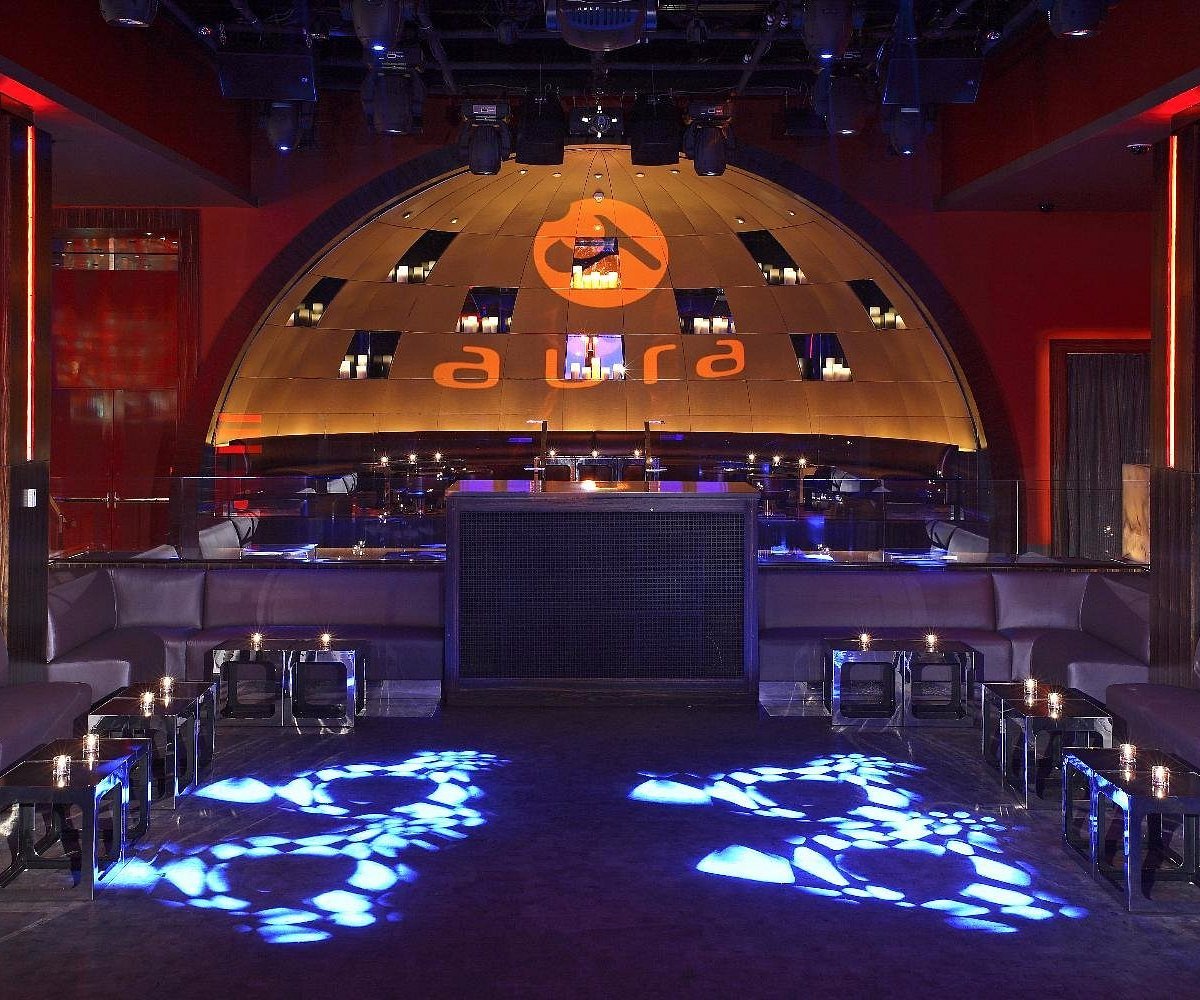
For higher-energy Nassau nights, Aura and Moon Bar & Lounge are stronger alternatives. Pick them when atmosphere is the main reason to go out. Pick the distillery when the group wants an easy, daytime drinks experience that feels tied to Nassau rather than interchangeable with a resort lounge.
Explore Nassau
Around this place
Discover more on Pearl
Unlock the full John Watling's Distillery guide in Pearl, including awards, comparisons, FAQs, planning details, and nearby places.
Compare John Watling's Distillery
| Venue | Location | Awards |
|---|---|---|
| John Watling's Distillery | Nassau | No published awards |
| Graycliff Lounge | Nassau | No published awards |
| Sea Glass | Nassau | No published awards |
| Plato's | Nassau | No published awards |
| Aura | Nassau | No published awards |
| Moon Bar & Lounge | Nassau | No published awards |
How John Watling's Distillery Nassau compares with similar nearby venues.
FAQ
Frequently Asked Questions
Is the food good at John Watling's Distillery?
It does not establish a dining program, so do not plan around a meal here. If food is the main goal, compare it with more food-focused Nassau options.
Do I need a reservation at John Watling's Distillery?
A reservation policy is not available. Plan with the basics: John Watling's Distillery is in Nassau and is open daily from 10 AM to 6 PM.
Is John Watling's Distillery good for a date?
It can work for a casual daytime Nassau outing if that fits the plan. The 10 AM–6 PM hours make it a daytime or early-evening choice rather than a late-night one.
Is John Watling's Distillery open late?
No. John Watling's Distillery closes at 6 PM every day, so it works better for a daytime visit than for a late-night stop.
Does John Watling's Distillery have outdoor seating?
Outdoor seating is not available. Base the decision on the details: Nassau location, casual dress code, and daily 10 AM–6 PM hours.
What's the best time to go to John Watling's Distillery?
Go during its daytime hours. John Watling's Distillery is open daily from 10 AM to 6 PM, so midday and afternoon are the most straightforward times to plan around.