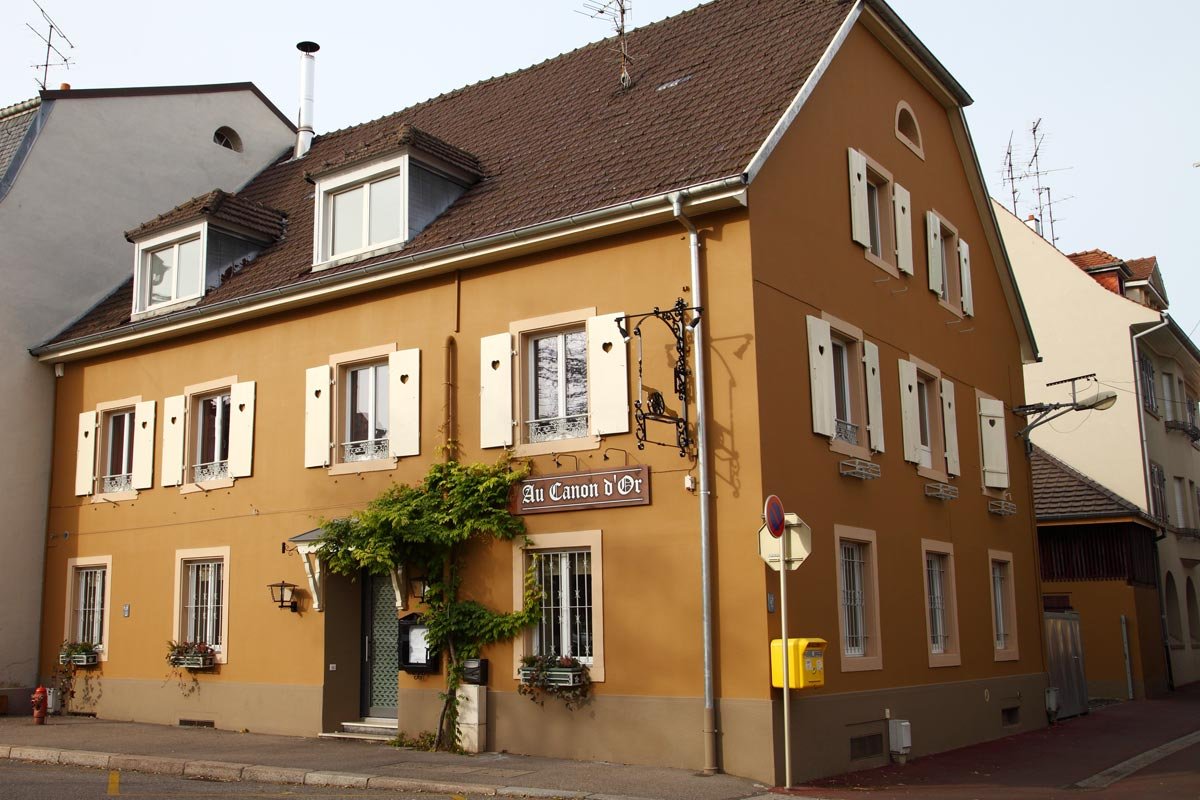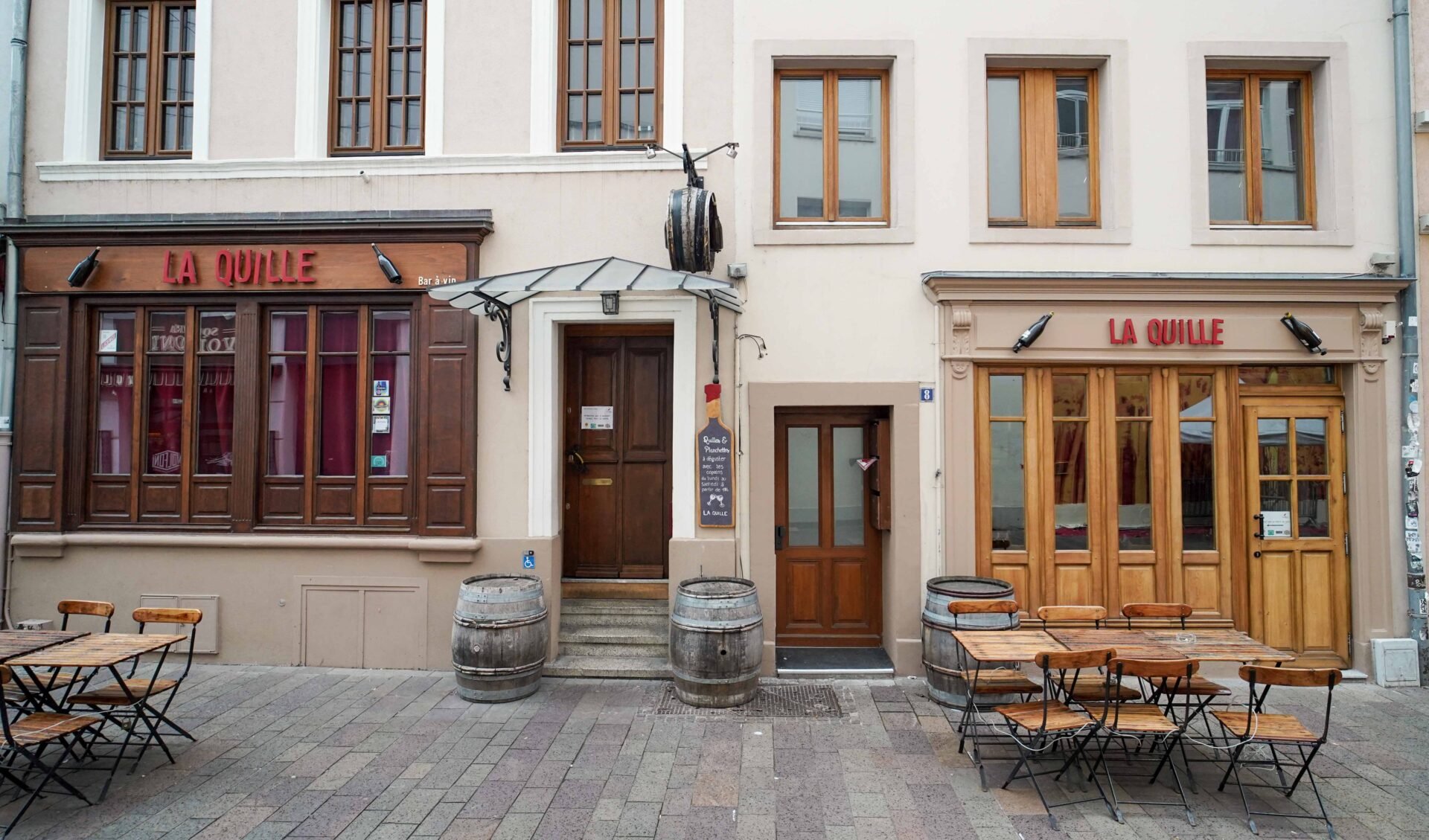

La Quille
centre ville, Mulhouse
Bar in Mulhouse, France
 Book with Pearl
The Read
Price
$30–50per person
Why go
La Quille is the Mulhouse pick to consider when wine is the point of the evening. Star Wine List recognition in 2026 gives it a real credential, but treat the food as secondary unless a defined cuisine or dish list is less important to your group than drinking well.
About La Quille
La Quille is a Mulhouse venue with Star Wine List recognition for 2026 and a casual dress code.
The clearest reason to consider it is the Star Wine List recognition for 2026. That gives La Quille a concrete wine-related credential.
Book it for a confirmed Mulhouse stop, not unverified specifics
Use La Quille when you want a casual Mulhouse venue with opening windows and a recognized accolade. It is open Tuesday to Friday from 12–1:30 PM, then again in the evening; Tuesday to Thursday run from 6 PM–12 AM, while Friday runs from 6 PM–1 AM. Saturday is evening only, from 6 PM–1 AM, and the venue is closed Sunday and Monday.
Because details such as cuisine, chef, price, seat count, dietary options, take-out, delivery, or a specific menu format are not provided, plan with those limits in mind. If those details are the deciding factor, use our full Mulhouse restaurants guide first, then consider whether La Quille fits the timing of your plans.
Use it as one option for a Mulhouse night
For planning, La Quille works as a Mulhouse option with late evening hours on Friday and Saturday. Travellers comparing venues can also look at Grand Hotel Les Trois Rois, Imi Bar, K Bar, L'Un des Sens, La Quille, and Winebar Consum as separate reference points.
Verdict: consider La Quille when the Star Wine List recognition, casual dress code, and evening hours fit your plans. Do not rely on assumptions about cuisine, pricing, a chef-led format, or detailed food service before committing.
Planning details
- Location
- 10 Rue de la Moselle, 68100 Mulhouse, France
- Reservations
- Book on Zenchef
- Website
- laquille-mulhouse.com
- Phone
- +33 3 89 44 41 30
The take
The Take
The Vibe
La Quille presents itself as a wine-focused hideaway that resists tidy labels. The room is defined less by décor than by an earnest, knowledgeable energy—manager David Hazemann’s playful, generous presence anchors the experience. Rather than a conventional cocktail lounge or a typical cave à vins, the bar foregrounds a curated selection of natural and minimal-intervention bottles, so the mood skews observant and intentionally cultivated. Guests encounter a contemporary take on French wine culture: thoughtful, quietly confident, and attentive to provenance. The result feels refined without being fussy—sophisticated and discreet, an insider’s find in Mulhouse.
Best For
La Quille fits evenings and relaxed social moments where wine is the organizing idea. It suits date nights and after-work pours as well as casual catch-ups with friends who care about bottles and producers. The owners’ ties to the Federation of Cultural Wines of France mean the list often reads like a small-press publication of contemporary winemaking, so it also rewards visits from curious drinkers and learners. Expect an intimate, seated experience built around tasting and conversation rather than loud nightlife—bring company that enjoys exploring lesser-known growers and distinctive, low-intervention wines.
Ordering Tips
Let the list guide your choices and lean on staff knowledge. The menu is the point here: selections prioritize natural and minimal-intervention producers and are presented as a document of contemporary French wine culture, so bottles may defy conventional regional expectations. Ask for recommendations from the manager or team—David Hazemann’s approach is highlighted as central to the room—and mention flavor preferences or who you’re drinking with. If you’re interested in learning, ask about producers and the Federation connection; the bar rewards curiosity and a willingness to sample outside familiar appellations.
Venue details
Ambiance
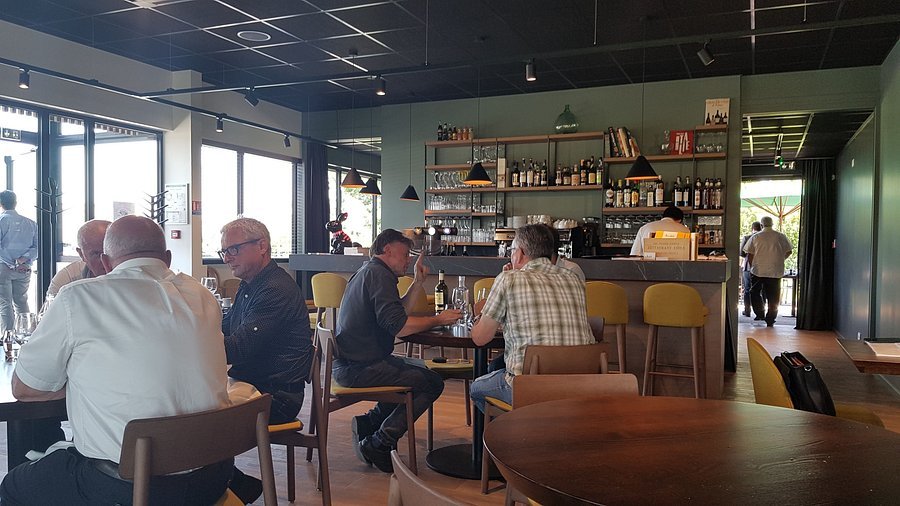
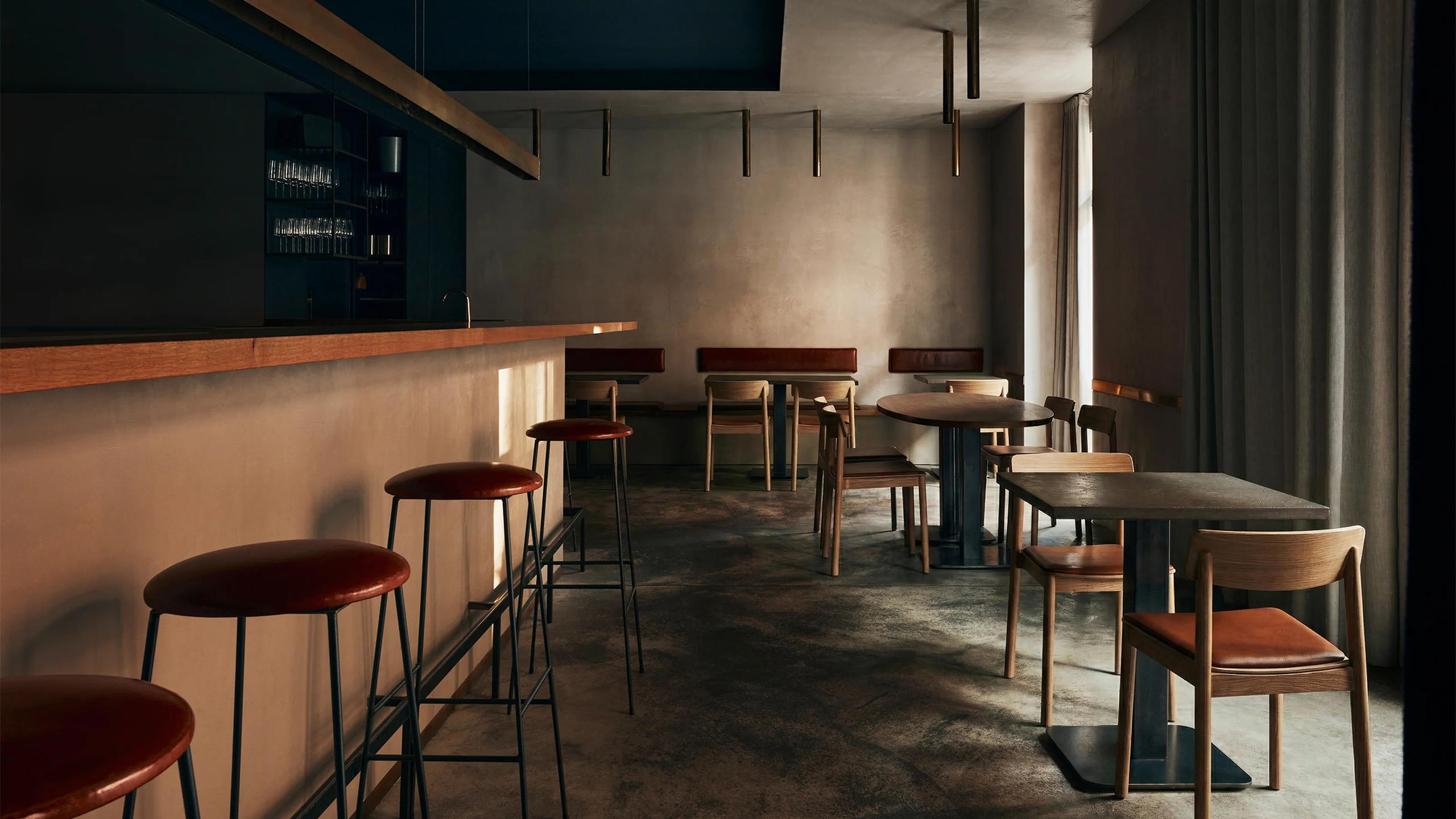
Cozy and welcoming with a relaxed, friendly atmosphere ideal for casual wine tasting and sharing.
Tags
Vibe
Best For
Experience
Format
View
At the Bar
- Bar Category
- Wine Bar
- Late Night
- Closes by Midnight
Know before you go
Know Before You Go
- Getting there
- 10 Rue de la Moselle, 68100 Mulhouse, France
Planning details
Location
10 Rue de la Moselle, 68100 Mulhouse, France · Directions
Recognition and awards

Also consider
Where to Look if You Cannot Get In
Try Winebar Consum first if the night needs to stay wine-focused. For a broader bar plan, K Bar or Imi Bar make more sense than forcing a wine-bar booking that no longer fits the group.
Bar context
How It Compares
Choose La Quille if the brief is a wine-led night in Mulhouse with a clear external credential. Compared with Grand Hotel Les Trois Rois, it reads as the more direct bar choice rather than a grand hotel occasion, so it should suit drinkers who care more about the glass than the setting.
Winebar Consum is the closest cross-shop by category: pick it when you want another wine-bar option, and pick La Quille when Star Wine List recognition is the deciding trust signal. Imi Bar and K Bar are better backups if the group wants a broader bar night rather than a wine-first choice.
L'Un des Sens is the alternate to check when the evening needs more of a dining angle. For an easy wine-focused booking, La Quille is the cleaner call; for a meal-first plan, cross-shop before committing.
Explore Mulhouse
Around this place
Discover more on Pearl
Unlock the full La Quille guide in Pearl, including awards, comparisons, FAQs, planning details, and nearby places.
Compare La Quille
| Venue | Location | Awards |
|---|---|---|
| La Quille | Mulhouse | Star Wine Lists 2026 |
| Grand Hotel Les Trois Rois | Basel | No published awards |
| Winebar Consum | Basel | No published awards |
| Imi Bar | Basel | No published awards |
| K Bar | Colmar | No published awards |
| L'Un des Sens | Colmar | No published awards |
How La Quille Mulhouse compares with similar nearby venues.
FAQ
Frequently Asked Questions
What's the crowd like at La Quille?
La Quille has Star Wine List recognition for 2026 and evening hours until 12 AM Tuesday to Thursday and 1 AM on Friday and Saturday.
Do I need a reservation at La Quille?
Reservation requirements are not specified. If you are planning around the later Friday or Saturday hours, it is sensible to check directly with the venue before going.
What's the best time to go to La Quille?
Choose the time based on the schedule. La Quille is open Tuesday to Friday from 12–1:30 PM, Tuesday to Thursday from 6 PM–12 AM, Friday from 6 PM–1 AM, and Saturday from 6 PM–1 AM. It is closed Sunday and Monday.
Is La Quille good for a date?
It may suit a casual evening in Mulhouse if the hours work for your plans. The dress code is casual.
Is the food good at La Quille?
Food details are not specified. If food details are the priority, compare other dining options or separate reference points such as L'Un des Sens before deciding.