
Bar in Montréal, Canada
Sushi Okeya Kyujiro
100Pearl PointsDinner-first sushi
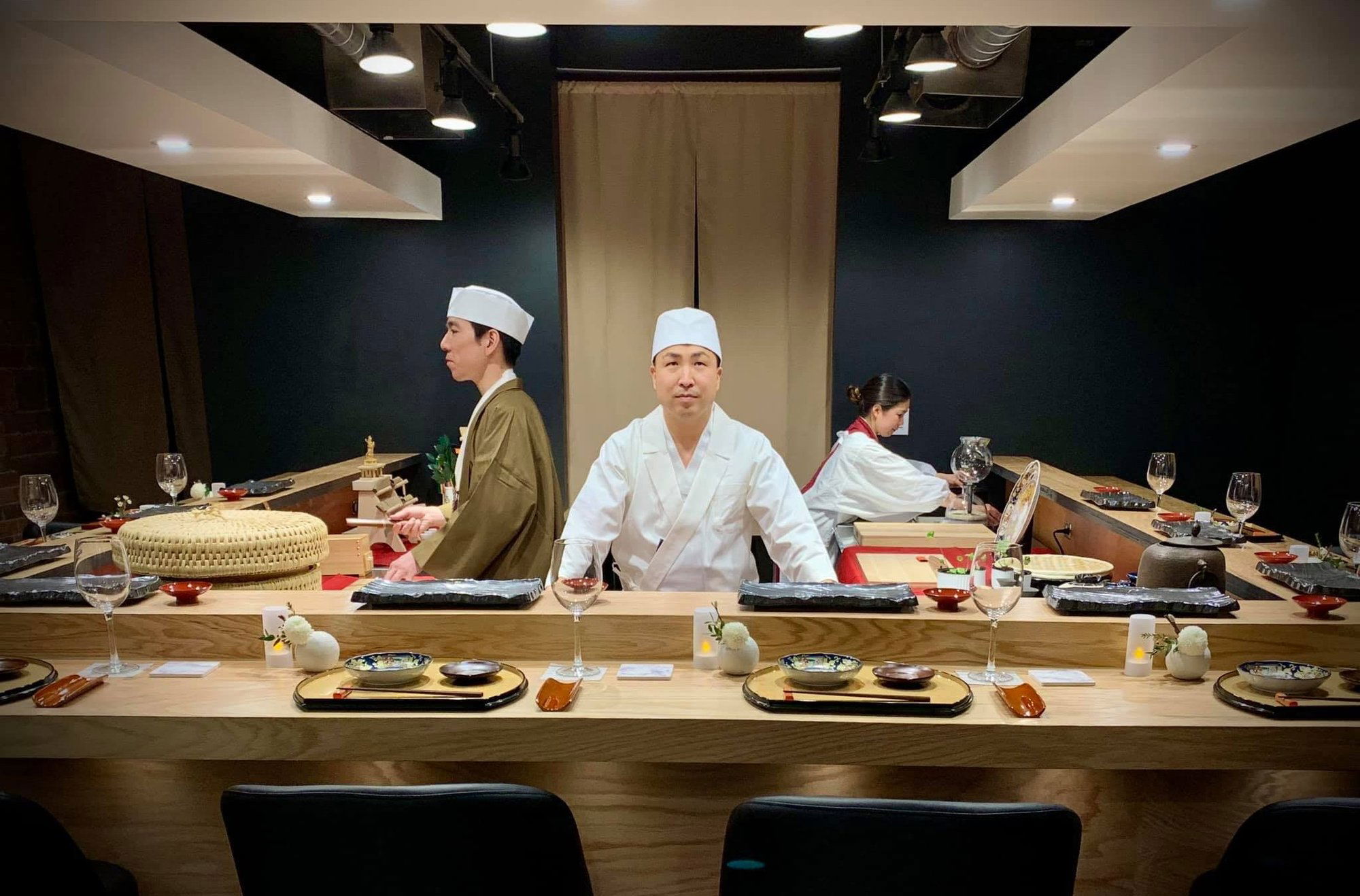
About Sushi Okeya Kyujiro
A purposeful downtown Montréal sushi dinner choice rather than a loose late-night fallback. It suits pairs and food-focused diners who want structure before moving on to nearby bars; larger groups or cocktail-first plans are better served by the surrounding lounge options.
Sushi Okeya Kyujiro is a Montréal venue with a limited weekly schedule and a smart casual dress code. It is closed Monday and Tuesday, opens in the evening from Wednesday through Sunday, and also lists lunch hours from Friday through Sunday.
The case for planning ahead is simple: the published hours point to defined time windows rather than all-day flexibility. Treat it as a scheduled Montréal meal, not a spontaneous late-night fallback.
A timing-focused choice among Montréal options
For a Montréal night out, Sushi Okeya Kyujiro is best considered alongside the actual timing of your evening. If you are comparing it with other premium options, you might also look at Marcus Lounge + Night Bar, Cloakroom, The Palm Court, Bar Flâneur, or Nacarat Bar depending on the kind of night you want.
For Montréal planning, use the verified schedule first: evening hours run Wednesday through Sunday, while lunch is listed Friday through Sunday. For broader planning, city guides can help you compare options without overloading one plan: Our full Montréal restaurants guide, Our full Montréal bars guide, Our full Montréal hotels guide, Our full Montréal wineries guide, and Our full Montréal experiences guide.
Plan the timing around posted hours
The schedule is the most useful planning detail. Sushi Okeya Kyujiro is closed Monday and Tuesday; it opens 5:45–10 PM Wednesday and Thursday, and 12–1:30 PM plus 5:45–10 PM Friday through Sunday.
Verdict: consider Sushi Okeya Kyujiro when its Montréal hours fit your plan and smart casual dress works for the occasion. If your evening needs more flexibility, compare the timing with another option such as Bar Flâneur, The Palm Court, Marcus Lounge + Night Bar, Cloakroom, or Nacarat Bar.
Frequently Asked Questions
What's the crowd like at Sushi Okeya Kyujiro?
The verified details do not specify the crowd. What is clear is that Sushi Okeya Kyujiro is in Montréal, has a smart casual dress code, and operates on a limited weekly schedule.
Is Sushi Okeya Kyujiro open late?
It is open until 10 PM on Wednesday, Thursday, Friday, Saturday, and Sunday. It is closed Monday and Tuesday.
Is Sushi Okeya Kyujiro good for a date?
It can work for a planned Montréal outing if the hours and smart casual dress code suit the occasion. The verified information does not specify atmosphere, seating, or service style.
Do I need a reservation at Sushi Okeya Kyujiro?
The verified details do not state a reservation policy. Plan around the posted hours: Wednesday and Thursday 5:45–10 PM, and Friday through Sunday 12–1:30 PM and 5:45–10 PM.
Is the food good at Sushi Okeya Kyujiro?
The verified details do not include ratings, menu specifics, awards, or critical scores. Use the schedule, Montréal location, and smart casual dress code as the confirmed planning information.
What's the best time to go to Sushi Okeya Kyujiro?
Choose based on the posted schedule. Evening hours run 5:45–10 PM Wednesday through Sunday, and lunch hours run 12–1:30 PM Friday through Sunday.
Is Sushi Okeya Kyujiro good for groups?
The verified details do not specify group suitability, seating, or capacity. If group flexibility is important, compare the timing with other Montréal options such as Bar Flâneur, The Palm Court, or Nacarat Bar.
Location
1227 Rue de la Montagne, Montréal, QC H3G 1Z2, Canada
Montréal, Canada
Compare Sushi Okeya Kyujiro
| Venue | Booking Difficulty |
|---|---|
| Sushi Okeya Kyujiro | Easy |
| Marcus Lounge + Night Bar | Unknown |
| Cloakroom | Unknown |
| The Palm Court | Unknown |
| Bar Flâneur | Unknown |
| Nacarat Bar | Unknown |
Side-by-side comparison to help you decide where to book.
Also Consider
- Marcus Lounge + Night Bar, Notable alternative
- Cloakroom, Notable alternative
- The Palm Court, Notable alternative
- Bar Flâneur, Notable alternative
- Nacarat Bar, Notable alternative
How it compares
Sushi Okeya Kyujiro is the dinner-first choice in this set. Marcus Lounge + Night Bar is better for a hotel-bar night with more flexibility, while Cloakroom is the sharper pick when cocktails are the main event rather than a meal.
For ambiance, The Palm Court and Nacarat Bar make more sense for lingering drinks, especially if the group wants a room built around conversation and pacing. Sushi Okeya Kyujiro is more useful when the night needs a defined restaurant anchor before moving elsewhere.
If value for money means time at the table and a full dinner decision, choose Sushi Okeya Kyujiro. If value means one or two drinks without committing the evening, Bar Flâneur is the easier cross-shop.
Explore Montréal
Save or rate Sushi Okeya Kyujiro on Pearl
Keep this venue in your Pearl passport, rate it after you visit, and track it alongside every other place you collect.