The Lobby Bar
Montalcino
Bar in Montalcino, Italy
 Book with Pearl
Why go
The Lobby Bar is worth booking for a polished Montalcino drink when the occasion calls for calm, conversation, and a stronger quality signal than a casual pub. Its 2026 Pinnacle Guide 2 Pins recognition makes it a safer special-occasion choice, especially for couples or business drinks, though budget-first groups may prefer a simpler local bar.
About The Lobby Bar
The Lobby Bar in Montalcino has a simple profile: it is open daily from 12:30 PM to 10 PM, lists a smart-casual dress code, and has 2026 Pinnacle Guide 2 Pins recognition. These are the key planning details, making it most useful to assess by schedule, dress expectations, and recognition rather than by assumptions about menu, drinks, pricing, or service style.
For visitors comparing Montalcino options, The Lobby Bar is best considered when the timing fits an afternoon or evening plan. If cuisine, signature drinks, happy hour, reservations, or price level are central to your decision, compare current options before choosing.
A Montalcino bar with daily hours
The schedule is consistent across the week: Monday through Sunday, 12:30 PM to 10 PM. That makes the opening window direct for planning an afternoon or evening stop in Montalcino. The smart-casual dress code is also worth noting, especially for visitors deciding between more casual stops and a venue with a clearer dress expectation. For readers planning a wider trip, it can be considered alongside dinner from the Montalcino restaurants guide.
The 2026 Pinnacle Guide 2 Pins recognition is a meaningful quality signal. Choose it when its hours, Montalcino location, smart-casual dress code, and recognition match what you need; compare other local options if you need more detail on menu format, drinks focus, food offering, price, seating, or booking difficulty.
Use the key details to decide
The most useful planning facts are the daily 12:30 PM to 10 PM hours and smart-casual dress code. Those details make it easier to place The Lobby Bar within a Montalcino itinerary without assuming anything about lunch service, late-night service, happy hour, or a specific beverage program.
Readers building a full Montalcino stay should treat this as one possible bar stop rather than the whole plan. If you want a venue with more specifics beyond hours, dress code, and recognition, compare The Lobby Bar with other Montalcino options before committing.
Part of
Rosewood79 locations on PearlPlanning details
- Location
- 53024 Castiglion del Bosco Province of Siena, Italy
- Website
- rosewoodhotels.com/it/castiglion-del-bosco/dining/the-lobby
The take
The Take
The Vibe
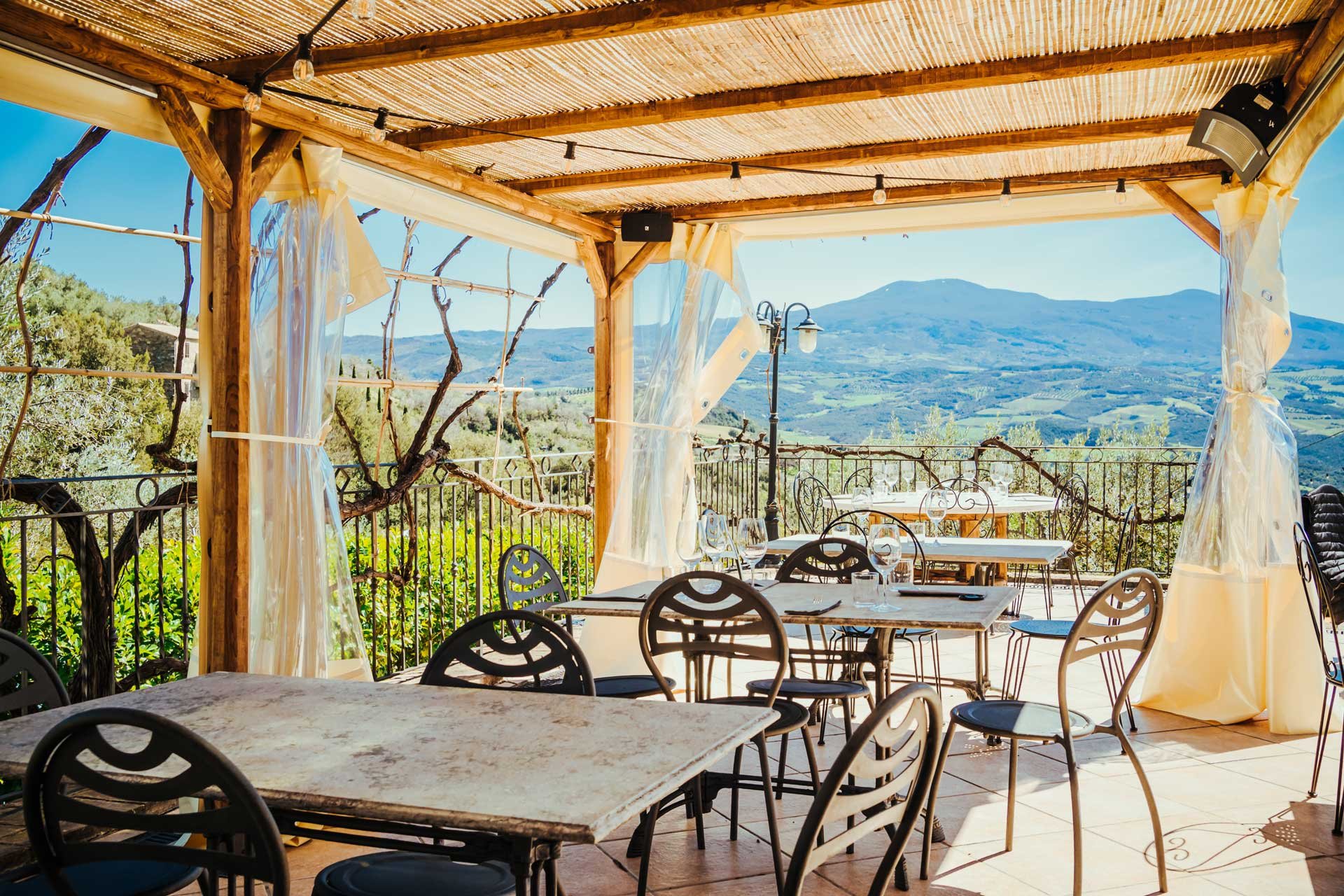
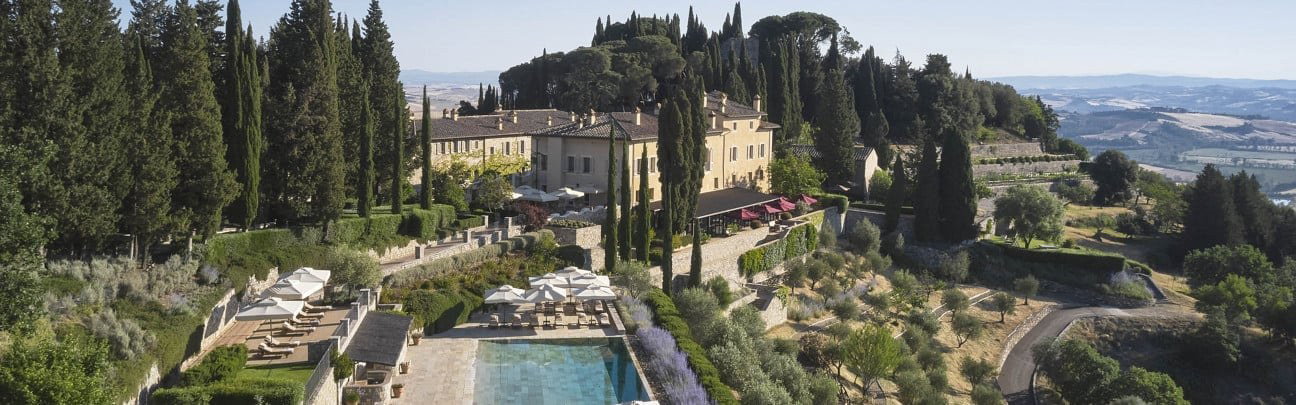
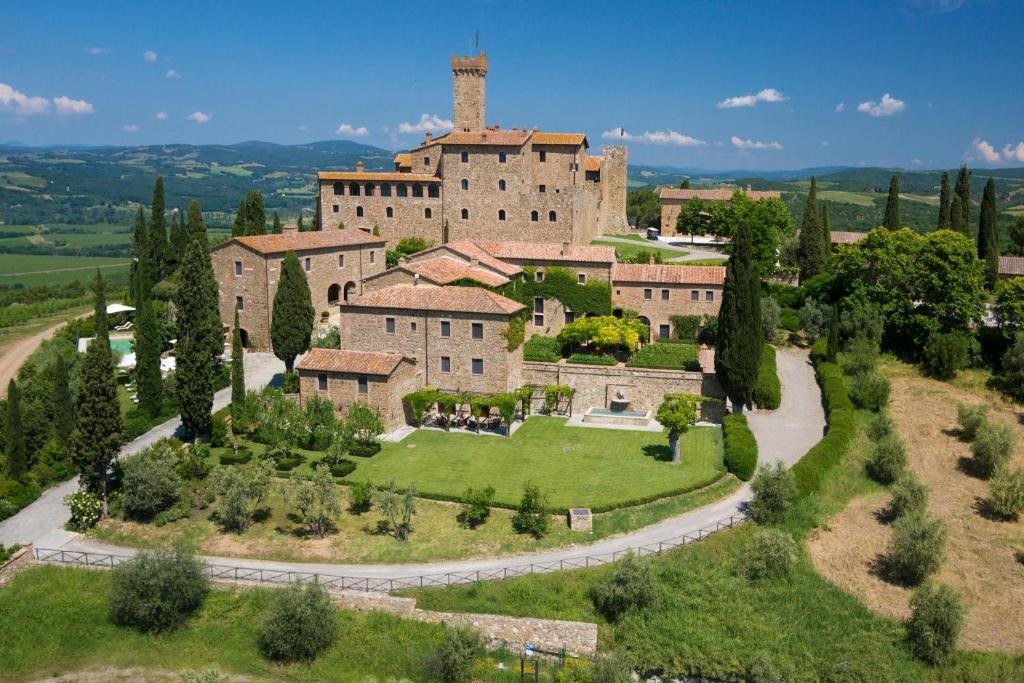
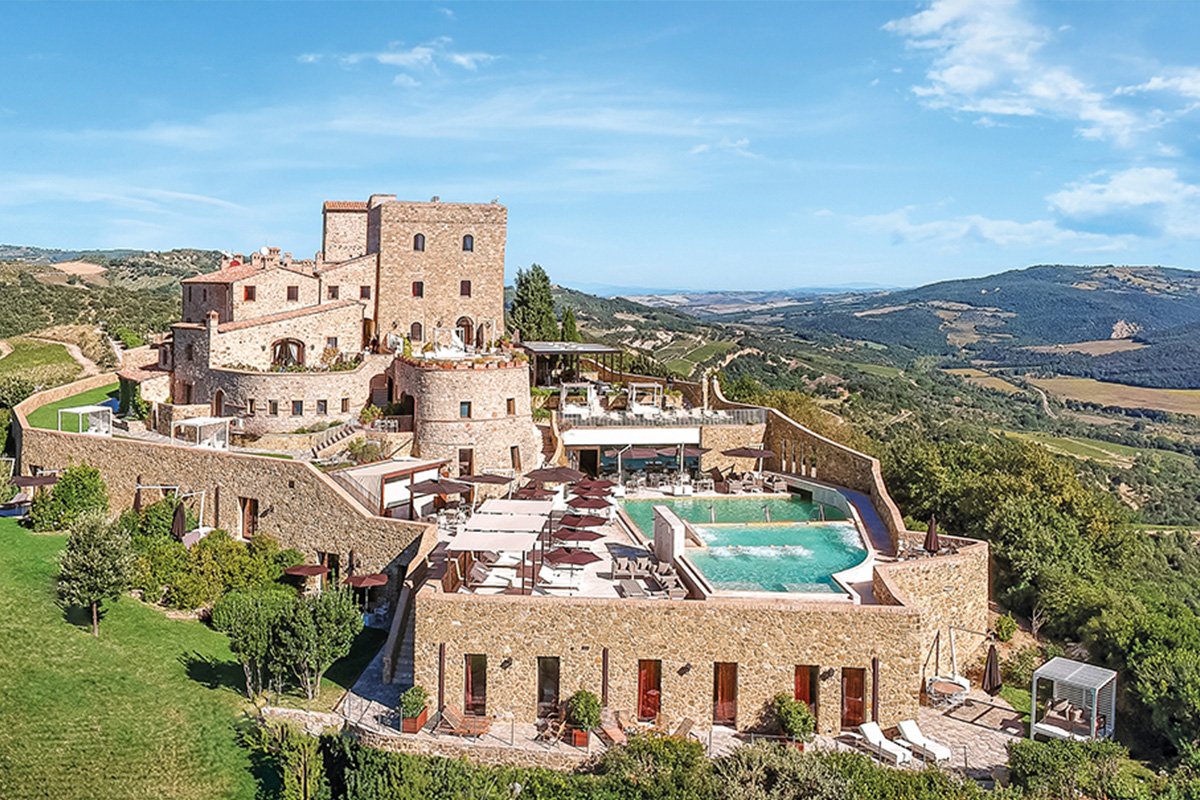
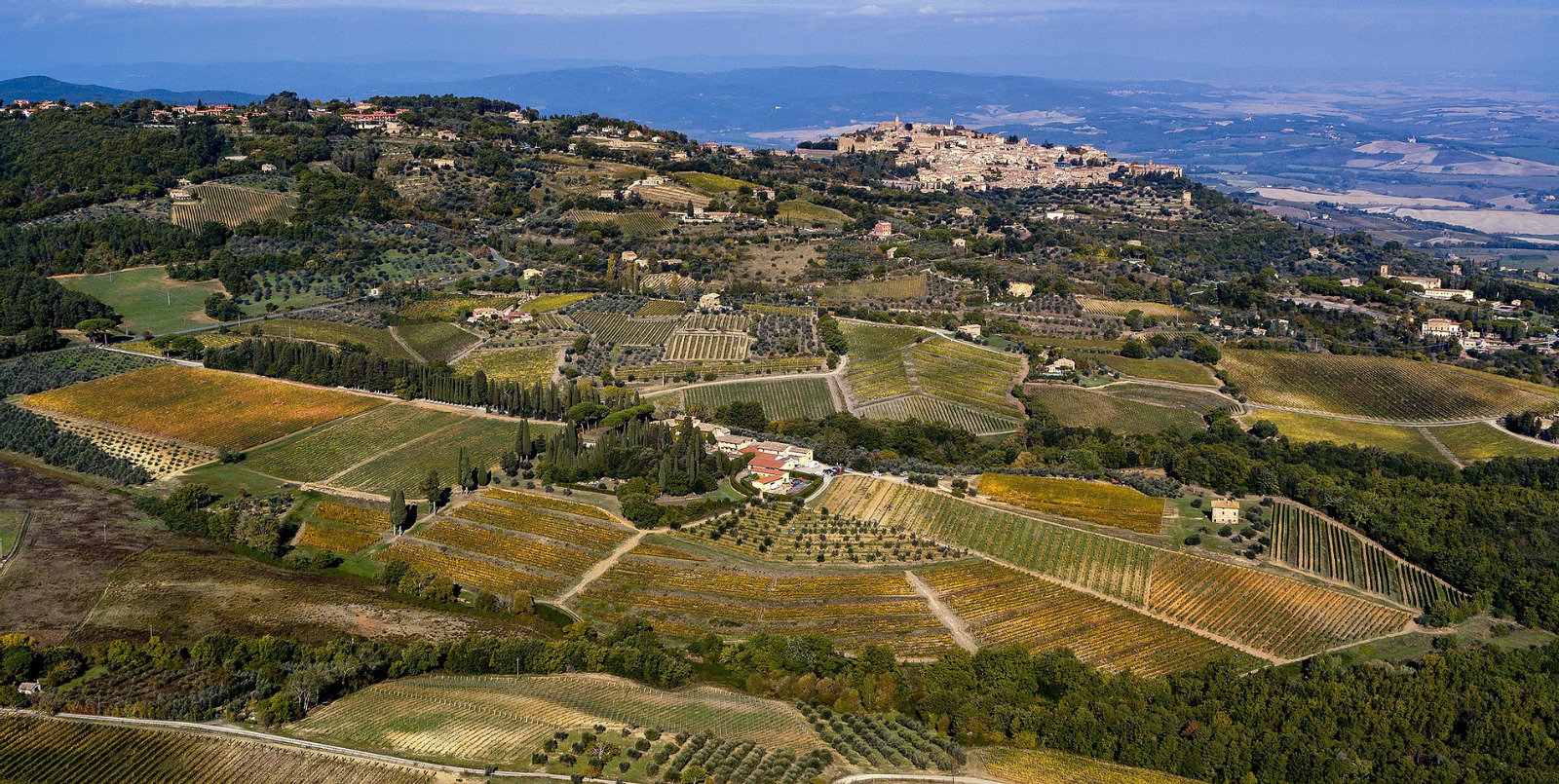
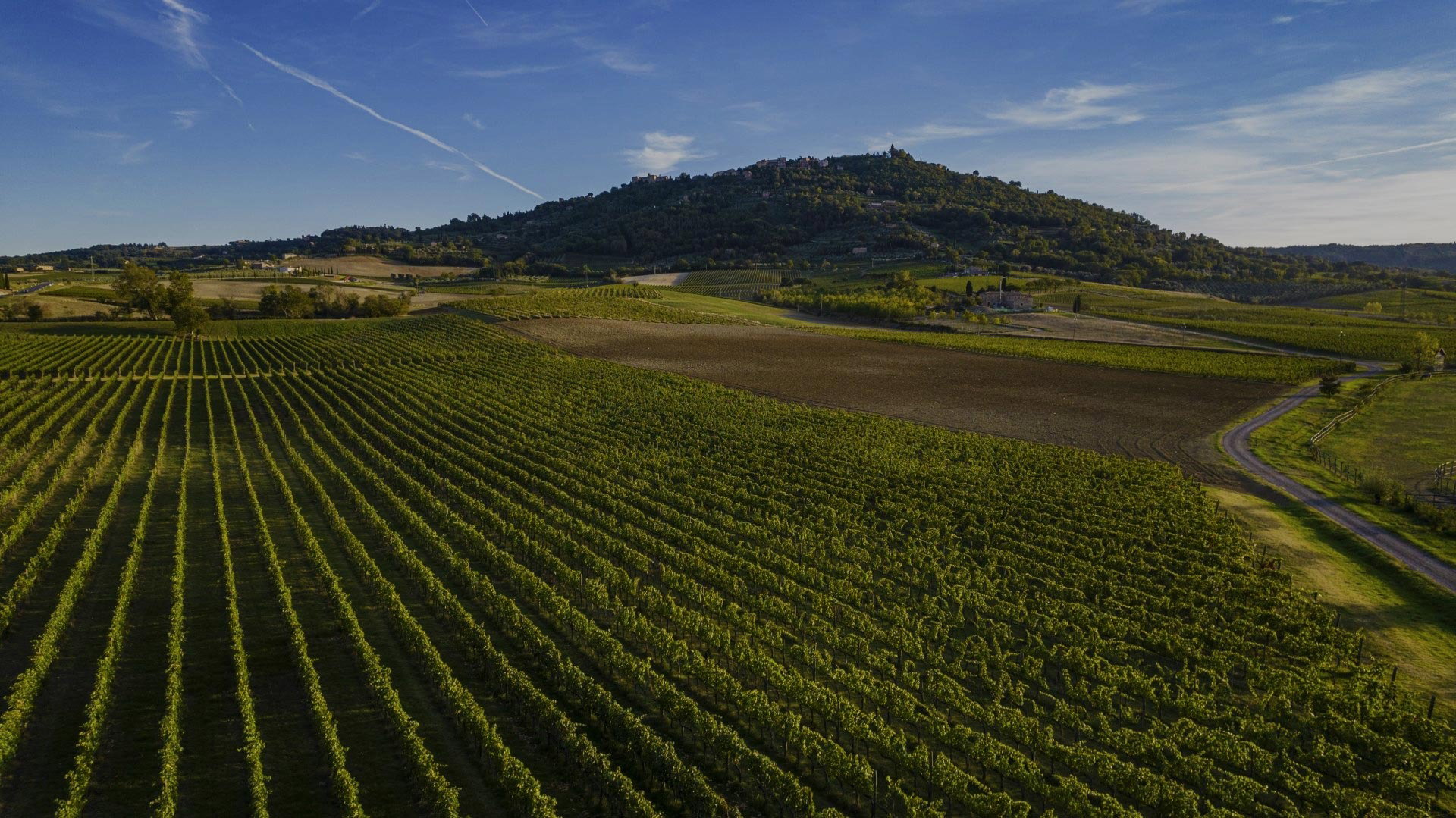
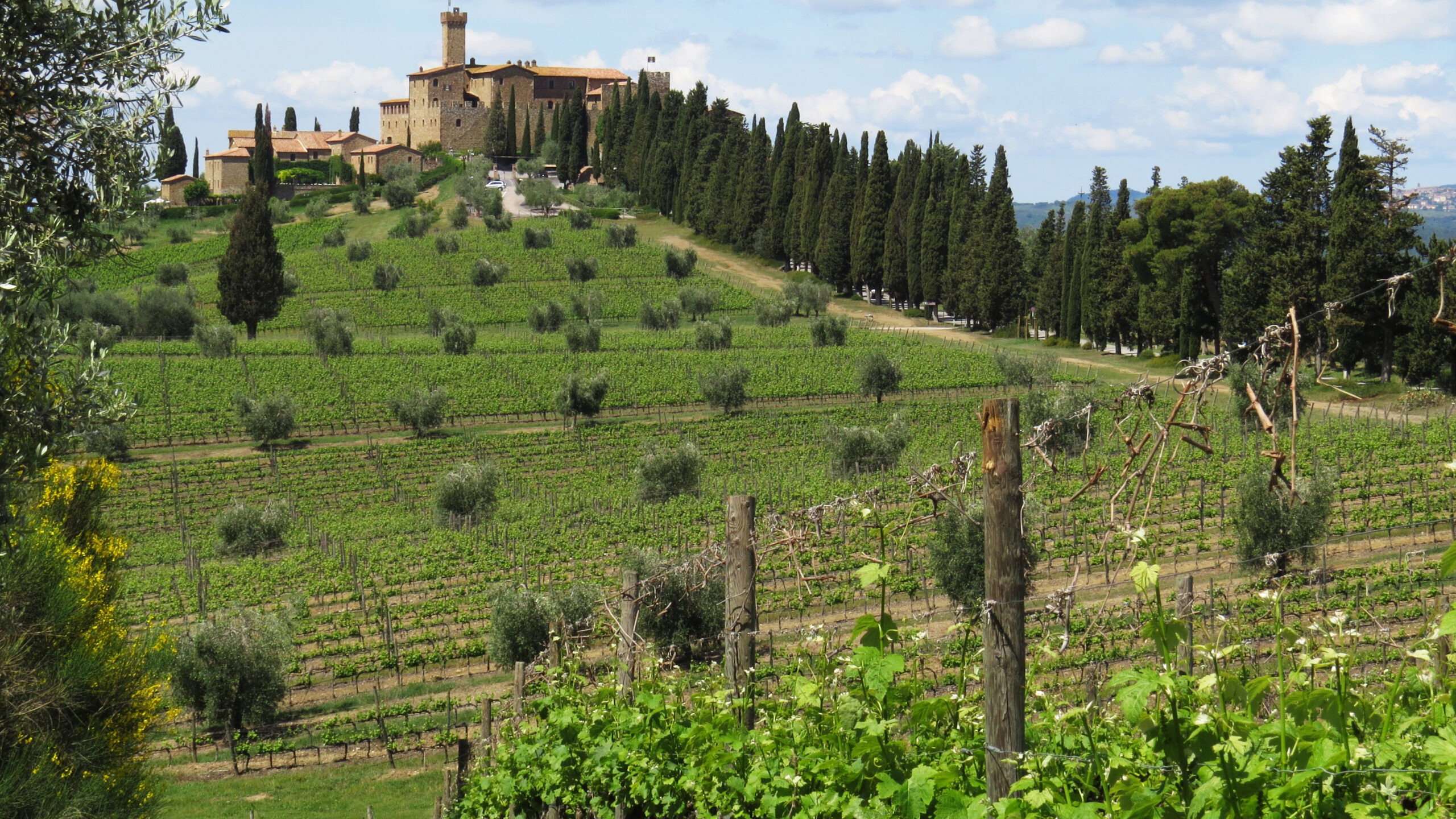
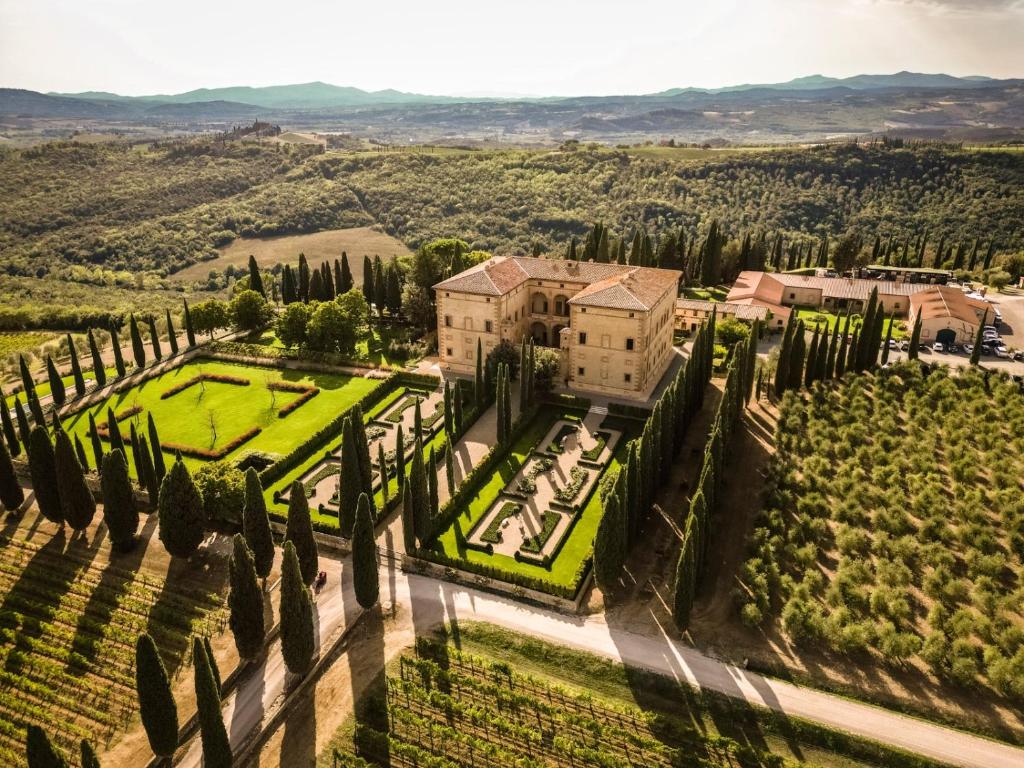
The Lobby Bar reads like a modern, garden-minded counterpoint to Montalcino’s wine-centric scene. It places a considered cocktail programme within the estate runtime, anchoring drinks to garden-sourced botanicals and the agricultural identity of Castiglion del Bosco. Rather than leaning on wine tourism tropes, the bar aligns itself with city-calibre cocktail craft—precise technique, local specificity and quieter service—so the atmosphere feels polished without being ostentatious. Guests encounter a relaxed, scenic hotel-bar environment where the focus is on thoughtful flavour combinations that reflect the Sienese countryside as much as contemporary bar technique.
Best For
This is a place for visitors who want a refined, place-specific cocktail experience after exploring the estate or finishing a day of tastings. The Lobby Bar suits intimate evening visits and celebratory nights when you want something beyond typical enoteca pours—an alternative stop that complements, rather than competes with, the region’s wine culture. Because the programme stresses local botanicals and careful technique, it’s also well suited to people curious about how terroir can inform cocktails, and to hotel guests seeking an elevated, relaxed spot for evening drinks.
Ordering Tips
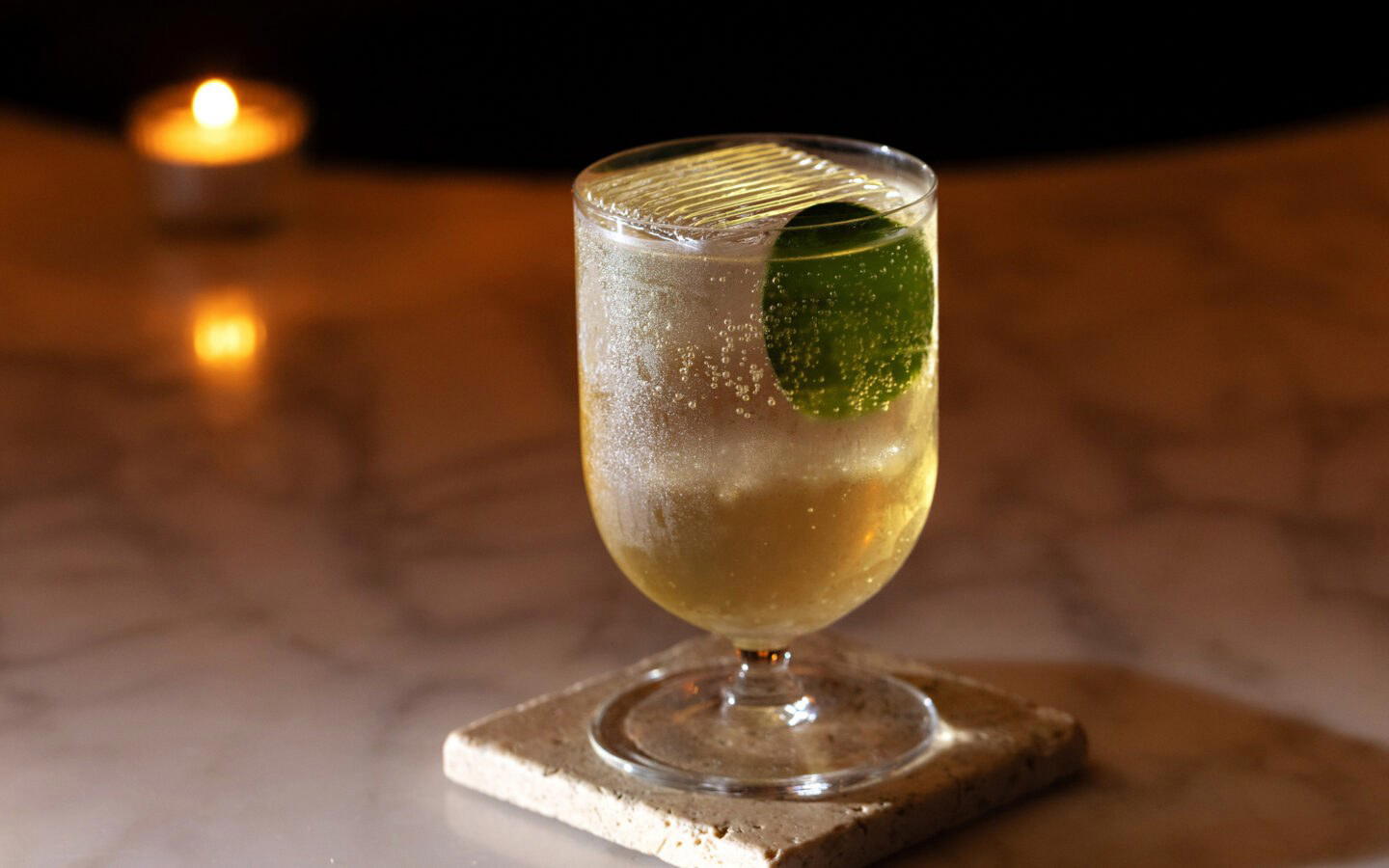
Order with the programme in mind: ask for cocktails that highlight the garden-sourced botanicals or for the bartender’s take on estate-inspired flavours. The copy emphasizes place-specificity and technical seriousness, so bartenders are likely to offer thoughtful, low-intervention preparations and seasonal variations. If you want a sense of how the Sienese countryside translates into a glass, request recommendations that foreground local botanicals rather than standard, wine-forward pours—expect delicate, terroir-driven profiles rather than loud, heavily sweetened mixes.
Venue details
Ambiance
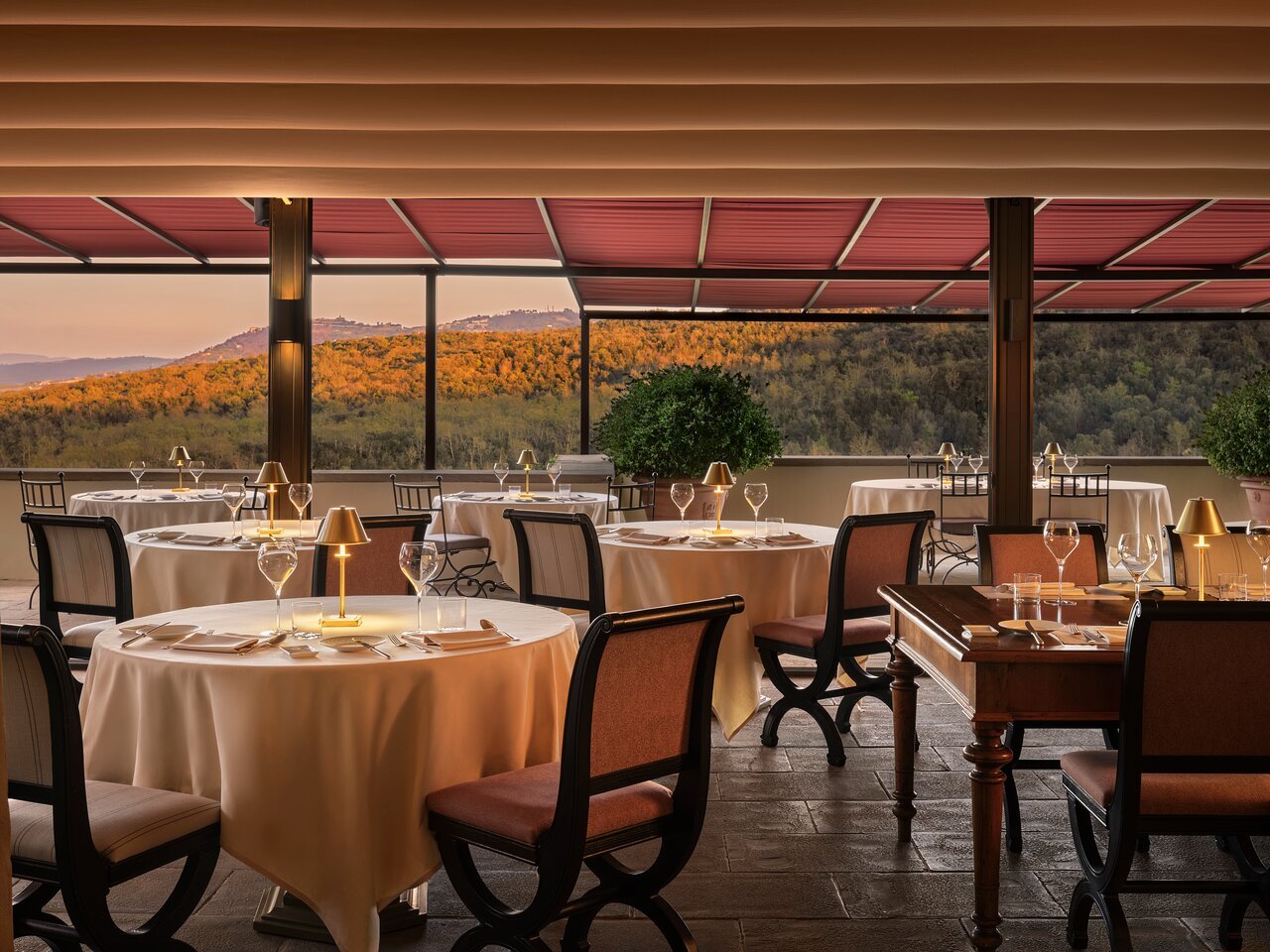
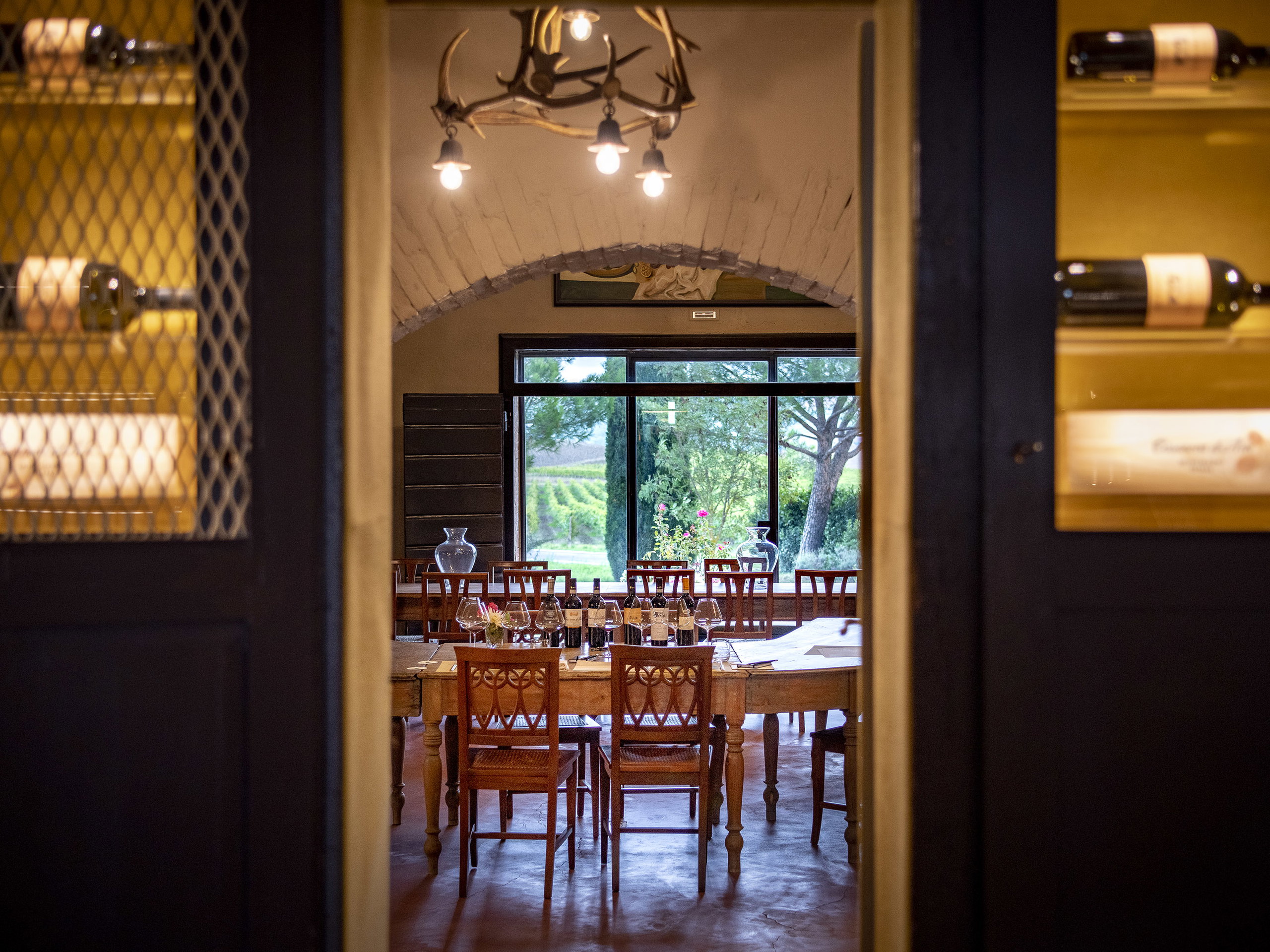
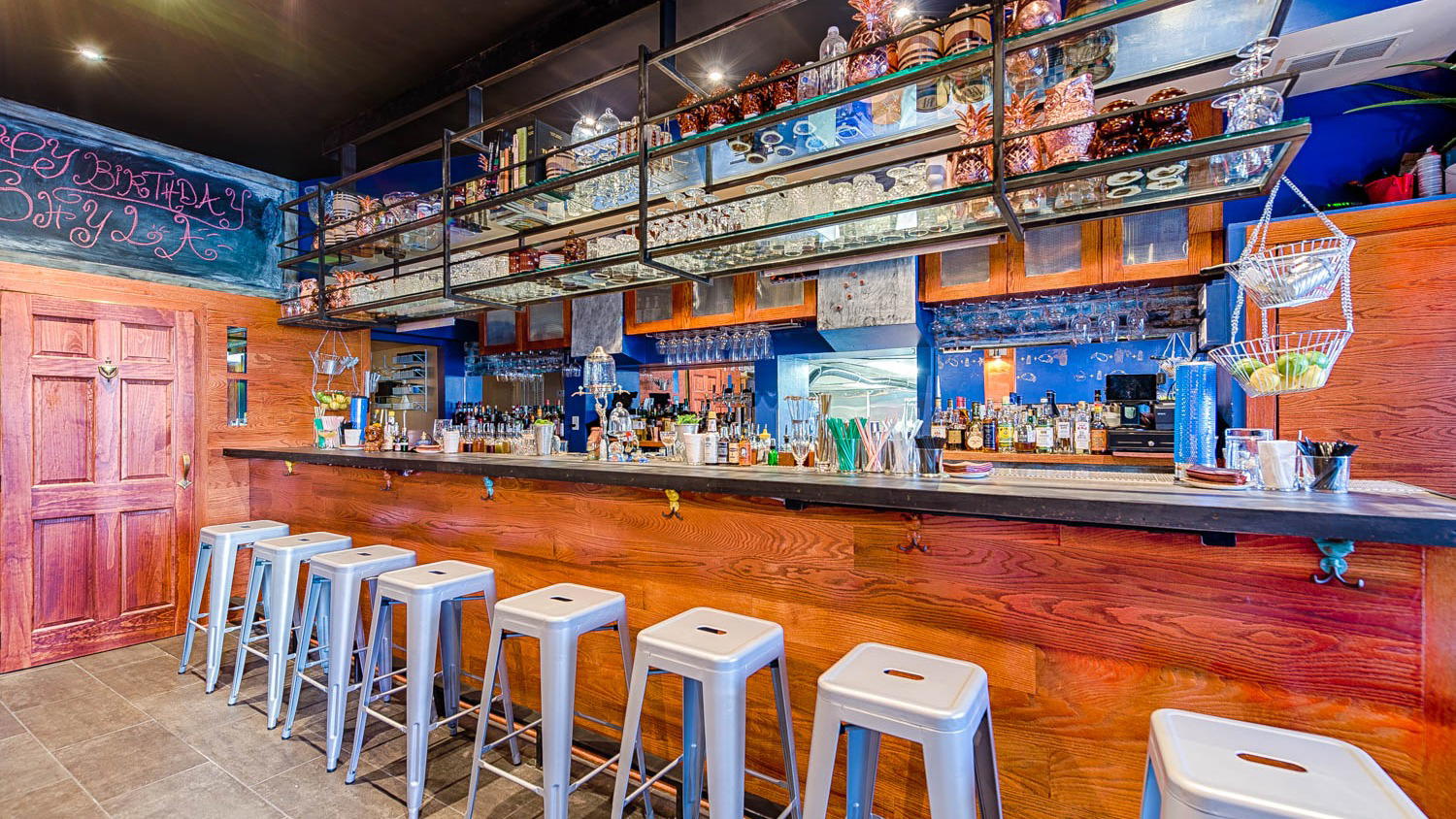
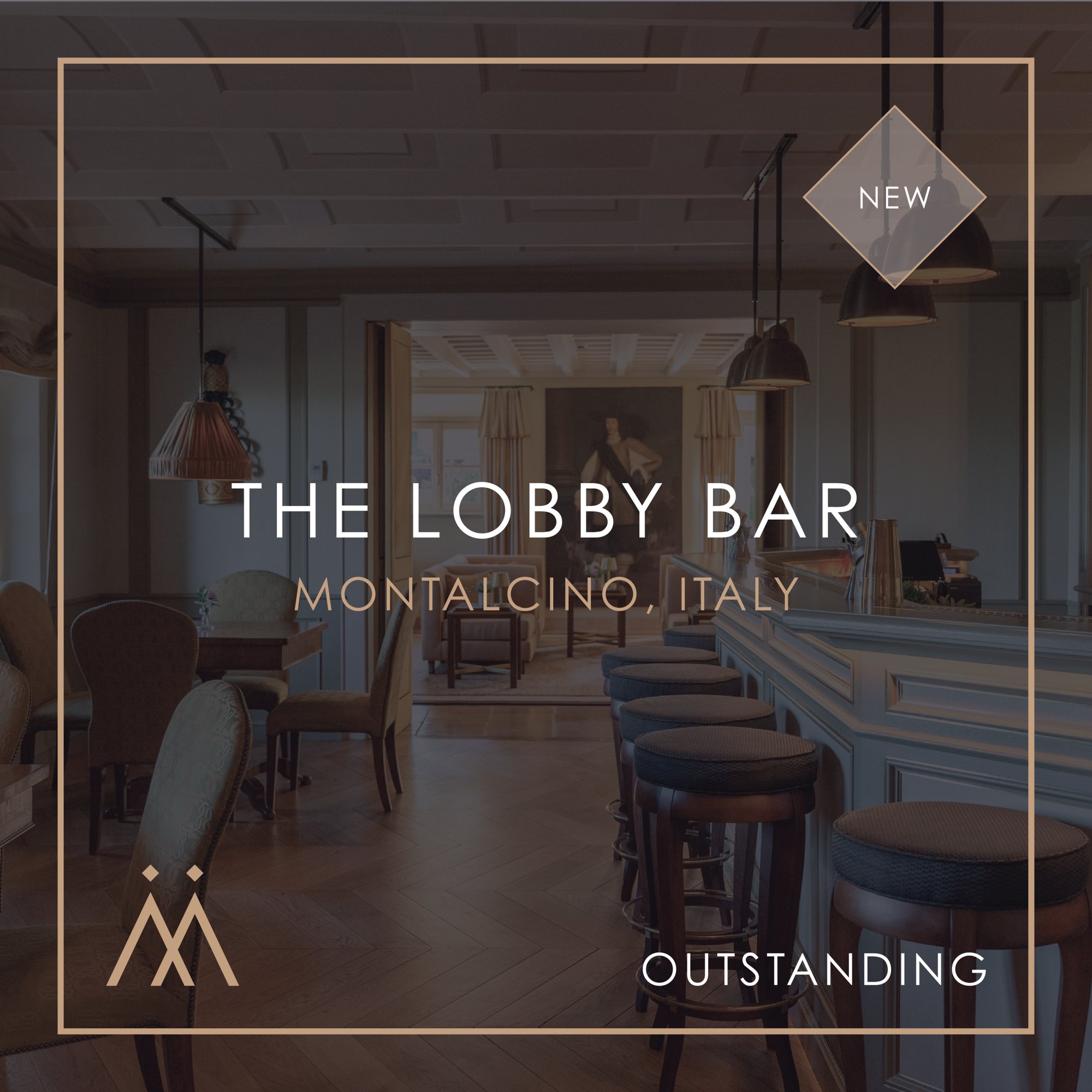
Brass and wood anchor the bar with leather-wrapped tables, warm lighting, long sightlines to the countryside, and fireplaces in colder months.
Tags
Vibe
Best For
Experience
Format
View
Accessibility
At the Bar
- Bar Category
- Hotel Bar
- Late Night
- Closes by Midnight
- Music
- Carefully Curated
- Live Music
- Yes
Know before you go
Know Before You Go
- Getting there
- 53024 Castiglion del Bosco Province of Siena, Italy
Planning details
Location
53024 Castiglion del Bosco Province of Siena, Italy · Directions
Recognition and awards
Also consider
Also Consider
- Casa Newton Bar, Notable alternative
- bella vista social pub, Notable alternative
- Caffè Le Logge, Notable alternative
- Key Largo Bar, Notable alternative
- Pasticceria Nannini Conca D'Oro, Notable alternative
Bar context
How It Compares
The Lobby Bar is the polished choice in this Montalcino set. Choose it over bella vista social pub or Key Largo Bar when the night needs a calmer, more occasion-ready setting. Those peers make more sense for a casual round or a lower-pressure stop, while The Lobby Bar is better for dates, business drinks, and guests who care more about atmosphere than speed.
Casa Newton Bar is the closer cross-shop if the priority is a refined drink without committing to a formal-feeling hotel bar. Caffè Le Logge and Pasticceria Nannini Conca D'Oro are better for daytime coffee, pastry, or a lighter stop. For evening polish and an easier celebration choice, The Lobby Bar has the clearer case.
On value, do not judge this only by drink cost. The stronger reason to come is the quality of the setting and the lower-risk experience, backed by Pinnacle Guide 2 Pins in 2026. If the group wants the easiest casual option, pick a pub-style peer. If the group wants a composed Montalcino drink that feels planned without being difficult to arrange, choose The Lobby Bar.
Around this place
Discover more on Pearl
Unlock the full The Lobby Bar guide in Pearl, including awards, comparisons, FAQs, planning details, and nearby places.
Compare The Lobby Bar
| Venue | Location | Awards |
|---|---|---|
| The Lobby Bar | Montalcino | 2026 Pinnacle Guide |
| Casa Newton Bar | Pienza | No published awards |
| bella vista social pub | Siena | No published awards |
| Caffè Le Logge | Siena | No published awards |
| Key Largo Bar | Siena | No published awards |
| Pasticceria Nannini Conca D'Oro | Siena | No published awards |
How The Lobby Bar Montalcino compares with similar nearby venues.
FAQ
Frequently Asked Questions
Does The Lobby Bar have happy hour deals?
Plan around The Lobby Bar's regular daily hours rather than assuming happy hour discounts. If discounts are important, compare current information for other options such as Caffè Le Logge or Pasticceria Nannini Conca D'Oro before deciding.
Is The Lobby Bar open late?
The Lobby Bar is open until 10 PM every day, Monday through Sunday. The listed opening time is 12:30 PM daily.
What's the best time to go to The Lobby Bar?
The hours run from 12:30 PM to 10 PM daily, so it can fit an afternoon or evening plan in Montalcino. Choose a time based on the rest of your itinerary.
Is the food good at The Lobby Bar?
The strongest reasons to consider The Lobby Bar are its Montalcino location, daily 12:30 PM to 10 PM hours, smart-casual dress code, and 2026 Pinnacle Guide 2 Pins recognition. If food is the main priority, compare it with other Montalcino dining options before deciding.
Is The Lobby Bar good for a date?
It may suit a date if the key details fit your plan: Montalcino location, daily 12:30 PM to 10 PM hours, smart-casual dress code, and 2026 Pinnacle Guide 2 Pins recognition. Compare other options if ambience, seating, or service style are deciding factors.
Do I need a reservation at The Lobby Bar?
Build your plan around the daily 12:30 PM to 10 PM hours and smart-casual dress code. If timing is important, compare current reservation guidance before you go.
What's the crowd like at The Lobby Bar?
If atmosphere is a deciding factor, compare current details with other options such as bella vista social pub or Key Largo Bar.