
Barolo Bar
Monforte d'Alba
Bar in Monforte d'Alba, Italy
 Book with Pearl
The Read
Price
$20–30per person
Why go
Barolo Bar is the practical choice in Monforte d'Alba when the evening needs a flexible wine-led stop rather than a formal dining plan. Its 2026 Star Wine List recognition makes it especially relevant for Barolo-focused travelers, while the easy booking profile suits couples, solo drinkers, and small groups keeping plans loose.
About Barolo Bar
On a second pass through Monforte d'Alba, the smarter move is usually not to chase a bigger itinerary; it is to pick one dependable stop and let the village do the rest. Barolo Bar fits that role for travelers who want a simple evening option in Monforte d'Alba, with opening hours from Wednesday through Sunday and closures on Monday and Tuesday.
The recommendation is direct: choose this when the plan is to stay flexible rather than build the evening around a detailed dining agenda. The appeal is practical rather than overdefined. It makes more sense when the decision is simpler: somewhere in Monforte d'Alba with late hours on open days.
A flexible stop for the later part of the evening
The late-night case is the strongest reason to keep Barolo Bar on the shortlist. From Wednesday to Sunday, the hours run from 11 AM to 12 AM; Monday and Tuesday are closed. For travelers whose Langhe days can stretch through winery visits, long meals, and slow evenings, that schedule has real utility.
Plan around what Barolo Bar clearly offers: regular open days, late hours, and a casual dress code. If the group wants a meal-led evening, use our full Monforte d'Alba restaurants guide before committing. If the priority is where to sleep nearby, pair the evening with our full Monforte d'Alba hotels guide. For a broader drinking shortlist, start with our full Monforte d'Alba bars guide.
Who should put it on the shortlist
Book-minded travelers do not need to overcomplicate this one. Barolo Bar is a sensible pick for people who want an easy, casual option in Monforte d'Alba during its opening days. Larger groups should check directly before relying on it, to make sure the setup works. If wine is the main reason for the trip, it also pairs naturally with our full Monforte d'Alba wineries guide and our full Monforte d'Alba experiences guide.
The clearest trust signal is Star Wine List recognition in 2026. That gives Barolo Bar a wine-related credential. The right expectation is a casual Monforte d'Alba bar choice with late hours from Wednesday to Sunday, not a substitute for a formal tasting room or a documented destination restaurant.
Planning details
- Location
- Via Giuseppe Garibaldi, 11, 12065 Monforte d'Alba CN, Italy
- Website
- facebook.com/BaroloBarMonforte
- Phone
- +39 0173 789243
The take
The Take
The Vibe
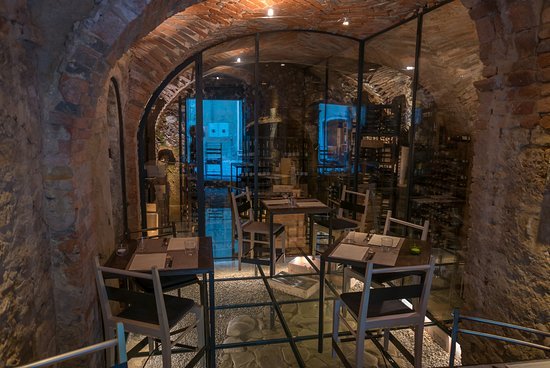
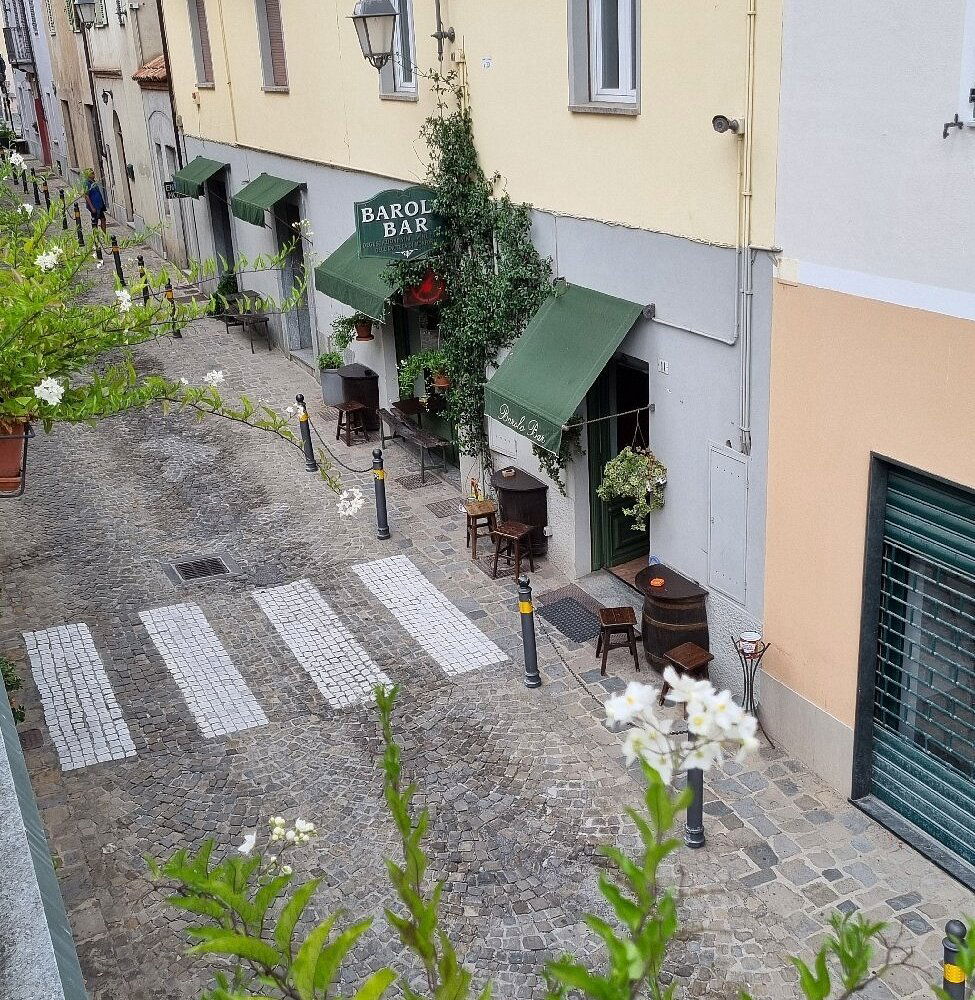
Barolo Bar reads like a village institution more than a crafted destination bar. It sits on the main piazza of Monforte d’Alba and functions inside the civic rhythm of harvest towns: a notice board, meeting room, and informal gathering place where producers, workers and visitors converge. The copy stresses an older, unpretentious Italian bar tradition rather than polished cocktail theatre, so the experience feels classic and lived-in. You encounter local conversation, regional wines poured by habit and knowledge, and an easygoing, neighborly atmosphere that privileges authenticity over design-forward presentation.
Best For
This is a spot built for aperitivo and low-key socializing: late-afternoon drops-in, after-work catch-ups and casual group outings fit the place naturally. Because the clientele includes local producers and well-informed visitors, it also suits anyone interested in learning through conversation — tastings by recommendation and informal wine education happen organically at the bar. It’s not a formal tasting room or destination restaurant; instead it’s a meeting point in the village where the wine map of the Langhe is part of everyday life, making it ideal for convivial, wine-forward occasions.
Ordering Tips
Ordering at Barolo Bar leans on local knowledge: wines poured are overwhelmingly regional, and staff and regulars expect to talk about crus, producers and recent bottlings. Ask for Monforte-expressive wines or a straightforward Dolcetto d’Alba for an approachable start, then move toward Nebbiolo/Barolo recommendations if you want the area’s signature expressions. Treat the bar as a conversation-first setting: tell the server or nearby producers what you like and you’ll likely be steered to relevant local bottles rather than a prescriptive list.
Venue details
Ambiance
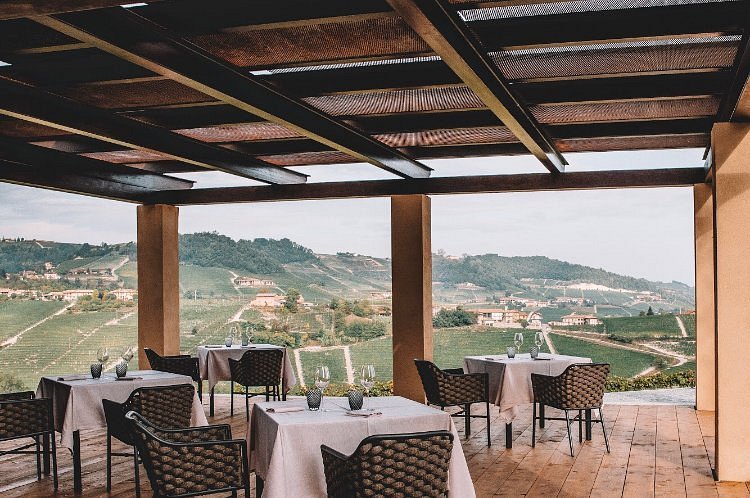
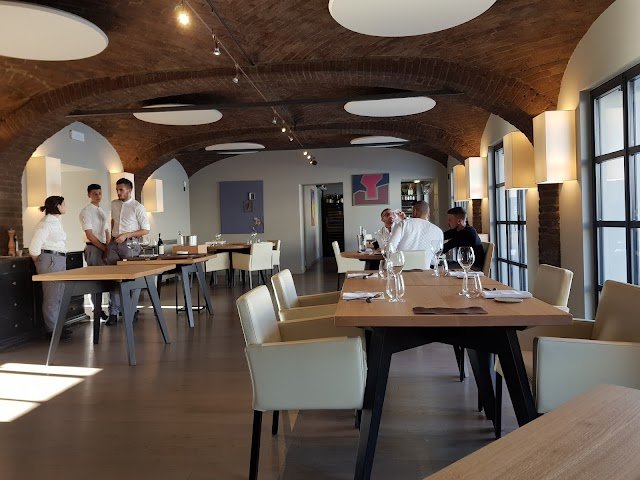
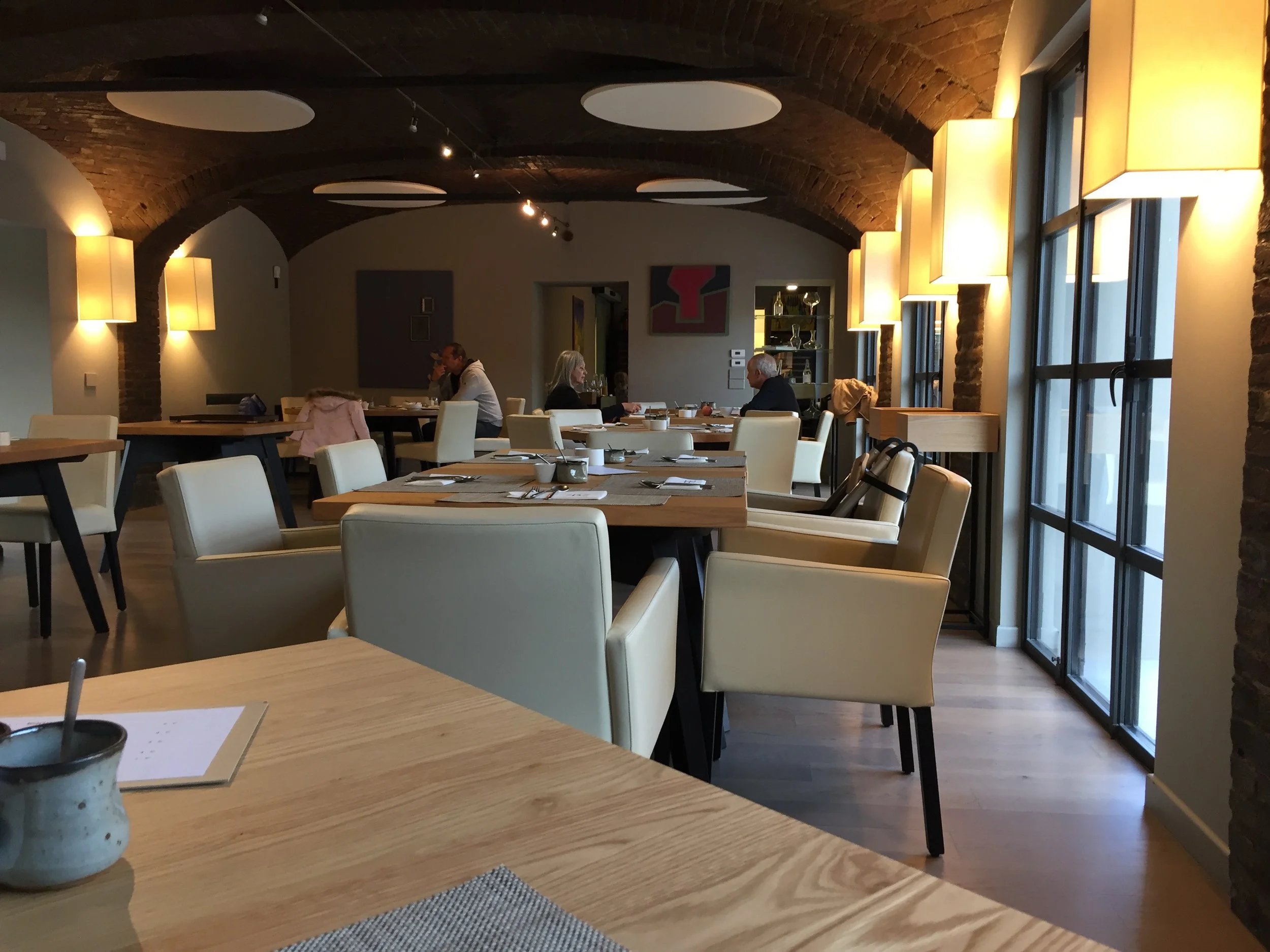
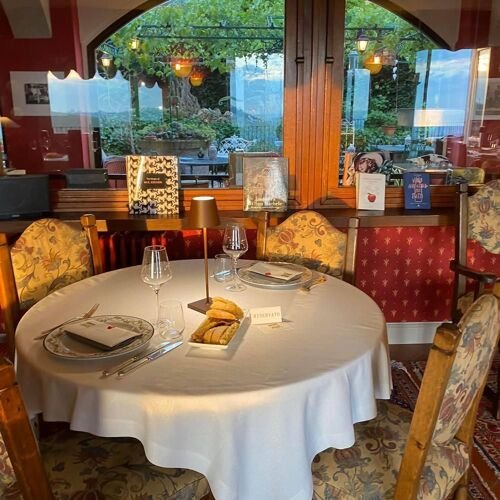
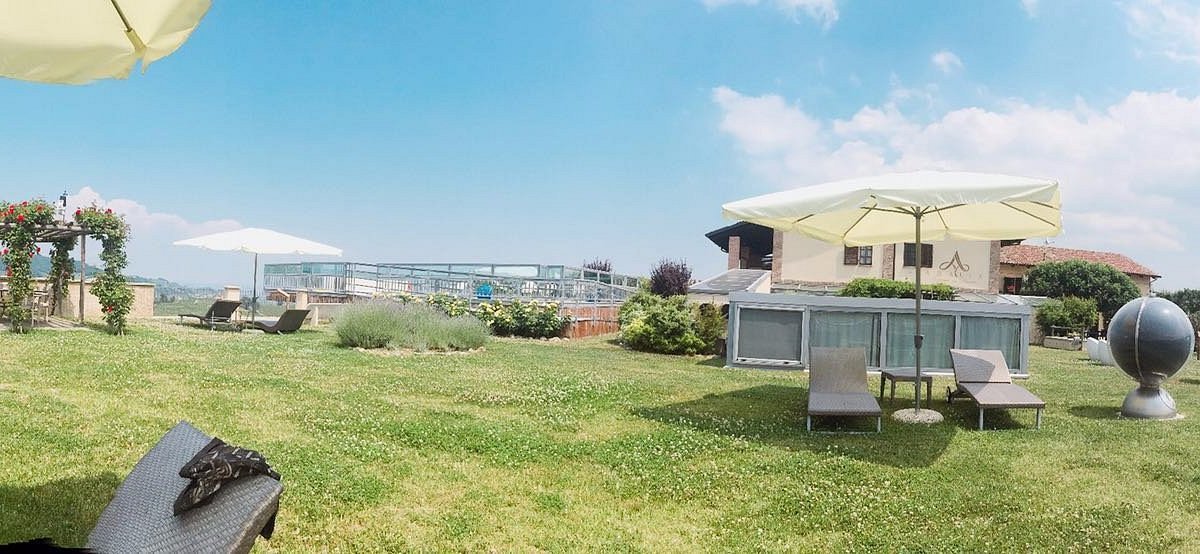
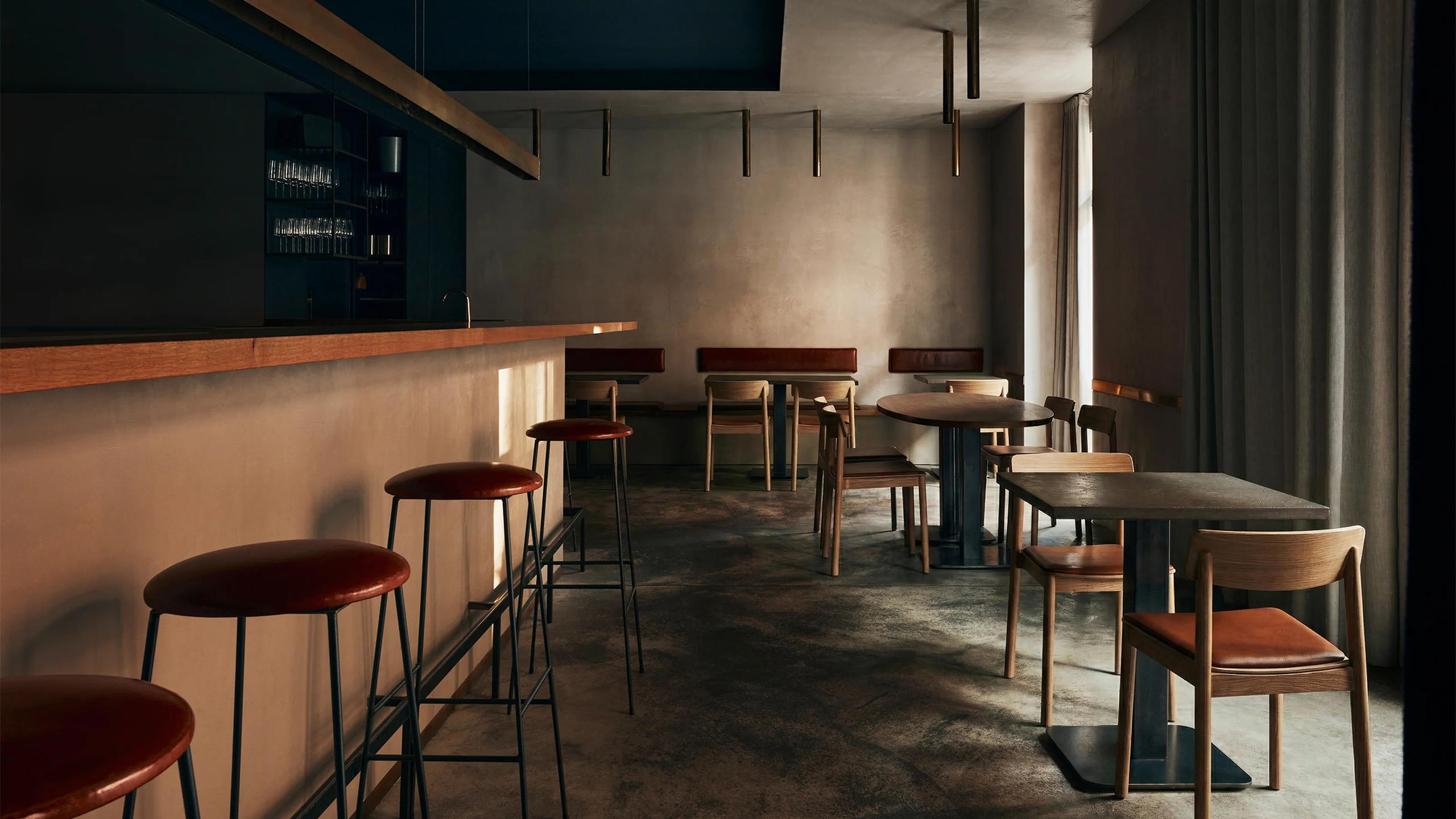
Warm and lively atmosphere popular with locals, featuring a pleasant terrace and friendly service.
Tags
Vibe
Best For
Experience
Format
View
At the Bar
- Bar Category
- Wine Bar
- Late Night
- Closes by Midnight
Know before you go
Know Before You Go
- Getting there
- Via Giuseppe Garibaldi, 11, 12065 Monforte d'Alba CN, Italy
Planning details
Location
Via Giuseppe Garibaldi, 11, 12065 Monforte d'Alba CN, Italy · Directions
Recognition and awards

Also consider
Also Consider
- La Vite Turchese, Notable alternative
- Vinoteca Centro Storico, Notable alternative
- La Terazza di Renza, Notable alternative
- Palás Cerequio, Notable alternative
- Sorì Cocktail Bar, Notable alternative
Bar context
How Barolo Bar compares in Monforte d'Alba
Choose Barolo Bar when flexibility matters more than ceremony. Against La Vite Turchese and Vinoteca Centro Storico, its strongest case is convenience for a wine-led evening that does not need to become a full meal plan. Booking difficulty is listed as easy, so it is the safer play when the day's winery schedule may run late.
If the goal is atmosphere first, cross-shop La Terazza di Renza and Palás Cerequio before deciding. Those are better comparisons for readers who want the setting to drive the choice. Barolo Bar is the more practical pick when wine credibility and a central Monforte d'Alba stop matter more than building the night around a view or property-style experience.
For a drinks-focused alternative, compare it with Sorì Cocktail Bar. Barolo Bar is the clearer choice for visitors anchored in Langhe wine, while Sorì Cocktail Bar is the better fallback if the group wants a cocktail-bar frame instead of a wine-bar one. If Barolo Bar is full or the room feels too tight for the group, start with Sorì Cocktail Bar, then check La Vite Turchese or Vinoteca Centro Storico for another wine-leaning option.
Explore Monforte d'Alba
Around this place
Discover more on Pearl
Unlock the full Barolo Bar guide in Pearl, including awards, comparisons, FAQs, planning details, and nearby places.
Compare Barolo Bar
| Venue | Location | Awards |
|---|---|---|
| Barolo Bar | Monforte d'Alba | Star Wine Lists 2026 |
| La Vite Turchese | Barolo | No published awards |
| Vinoteca Centro Storico | Serralunga d'Alba | No published awards |
| La Terazza di Renza | Castiglione Falletto | No published awards |
| Palás Cerequio | La Morra | No published awards |
| Sorì Cocktail Bar | Cerretto Langhe | No published awards |
How Barolo Bar Monforte d'Alba compares with similar nearby venues.
FAQ
Frequently Asked Questions
What's the best time to go to Barolo Bar?
Go on a day it is open, especially if you want flexibility later in the evening. Barolo Bar is open Wednesday through Sunday from 11 AM to 12 AM, and it is closed Monday and Tuesday. It is in Monforte d'Alba.
Does Barolo Bar have happy hour deals?
Do not plan around a discount window. If timing matters, compare Barolo Bar with Vinoteca Centro Storico or another option and check current details directly. The Star Wine List recognition in 2026 is the clearest credential.
Is Barolo Bar open late?
Yes. Barolo Bar is open until 12 AM from Wednesday through Sunday. It is closed Monday and Tuesday, so do not plan it as a daily fallback.
Is Barolo Bar good for a date?
It can be a good fit for a casual date if the schedule works for you. The dress code is casual, and the Wednesday-to-Sunday hours run from 11 AM to 12 AM. If you are comparing options, La Terazza di Renza is another venue to consider.
Is Barolo Bar good for groups?
Larger groups should check directly before planning around it. For a small, flexible meet-up, the Wednesday-to-Sunday hours may be useful. If your group is comparing venues, Palás Cerequio is another option to research.
What's the crowd like at Barolo Bar?
For a specific scene or atmosphere, check directly before you go. The practical basics are the casual dress code, the Wednesday-to-Sunday schedule from 11 AM to 12 AM, and closure on Monday and Tuesday. If you want to compare another named option, Sorì Cocktail Bar is worth checking separately.