
Bar in Minneapolis, United States
Masu Sushi & Robata
100ptsCharcoal-Grill Japanese, Northeast Minneapolis
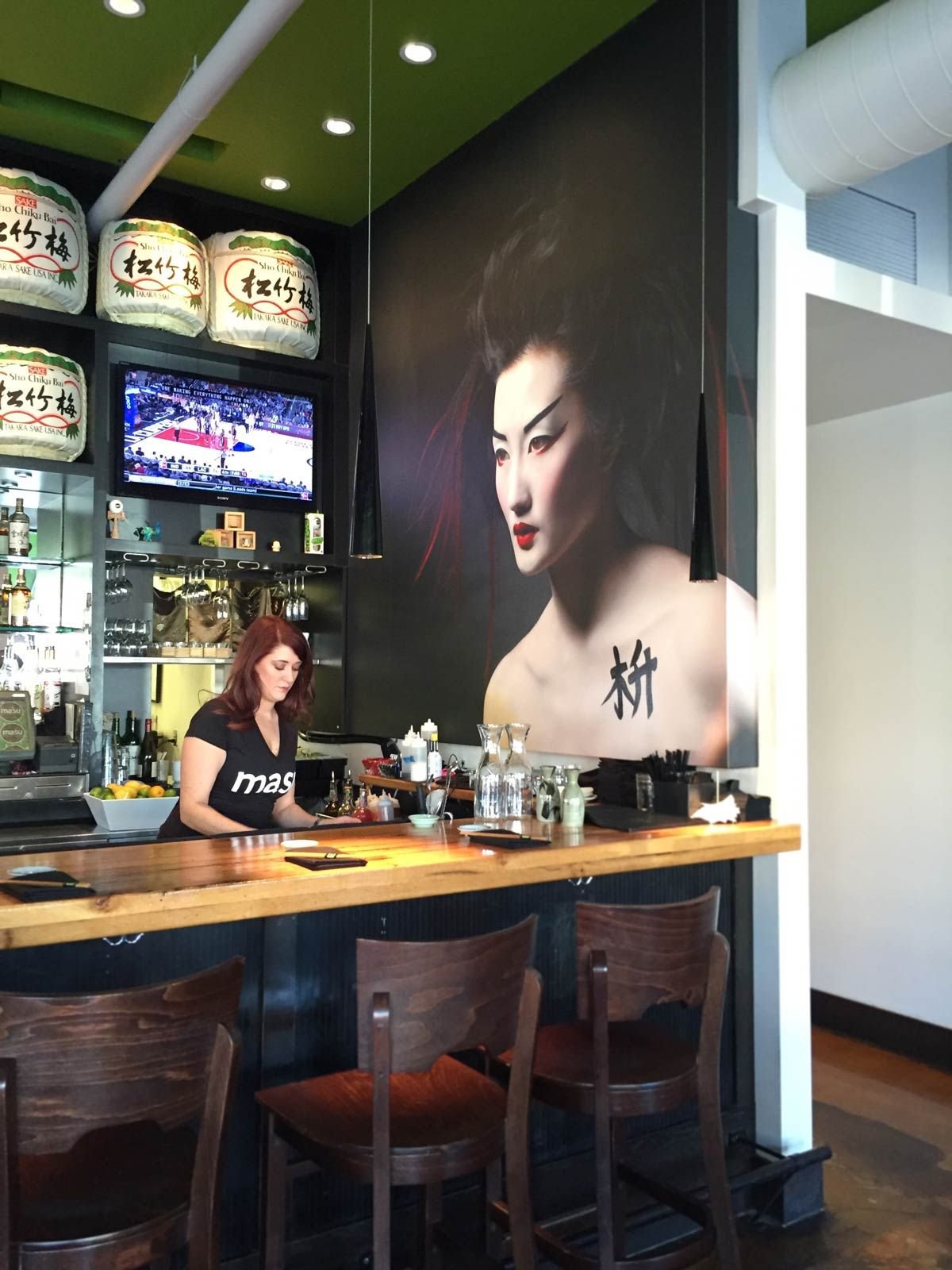
About Masu Sushi & Robata
Masu Sushi & Robata on East Hennepin Avenue brings Japanese robata grilling and sushi together under one roof in Minneapolis's Northeast neighborhood. The format splits neatly between a daytime register that favors casual counter dining and an evening service with broader bar energy and a fuller menu. It occupies a specific niche in a city where Japanese cooking has historically punched below its weight relative to other Upper Midwest metros.
Northeast Minneapolis and the Slow Build of Japanese Dining
Japanese restaurants in Minneapolis have followed a familiar arc seen in mid-size American cities: a long period of undifferentiated sushi bars, then a sharper split in the past decade between fast-casual concepts and counter-service specialists that take technique more seriously. Masu Sushi & Robata, at 330 E Hennepin Ave, occupies a middle position in that spectrum — broader in ambition than a neighborhood sushi roll spot, but oriented toward accessibility rather than the omakase-only format that defines the top tier in larger markets.
The address places it in Northeast Minneapolis, a neighborhood that has carried a working-class industrial identity while absorbing successive waves of creative and hospitality investment. That context matters for reading Masu's positioning: this is not a destination-dining block in the way that some strips in South Minneapolis have become, but the surrounding neighborhood brings a mixed crowd of regulars, creative-industry workers, and visitors crossing the river from downtown. The East Hennepin corridor has enough critical mass of independent operators that a thoughtful Japanese concept can hold a clear identity without having to compete against a dense cluster of direct peers.
What Robata Adds to the Picture
Robata — the Japanese charcoal-grill tradition rooted in Hokkaido fishing culture , remains genuinely uncommon in Minneapolis at any serious level. Where most Japanese restaurants in the Upper Midwest default to a sushi-plus-teriyaki format, a robata program introduces a different set of textures, smoke levels, and temperature contrasts that sit closer to the izakaya tradition than to the polished omakase counter. The combination of robata and sushi under one roof reflects a format that has worked in larger American cities , Chicago operators like Kumiko in Chicago demonstrate how Japanese-inflected programs can build serious reputations in Midwest markets , but remains relatively rare in Minnesota.
The robata component also shifts the drinking context. Grilled skewers and charred vegetables read differently alongside whisky highballs and sake than they do with the cleaner, citrus-forward profiles that sushi tends to call for. Bars that have worked through this kind of pairing seriously , Bar Leather Apron in Honolulu and Jewel of the South in New Orleans both illustrate how a thoughtfully built drinks list can anchor a food-forward space , provide a useful reference point for what an ambitious bar pairing with Japanese cooking can look like at the upper end of the market.
The Lunch-Dinner Divide at Masu
The most useful frame for planning a visit is the one that separates Masu's daytime and evening registers, because they function as meaningfully different experiences rather than the same menu served at different hours.
Lunch at a robata-and-sushi concept of this type tends to compress the menu and accelerate the pace. Counter seats fill with people working nearby or crossing through Northeast, the ticket sizes run lower, and the kitchen typically leans toward the more transportable elements of the menu , rolls, lighter sashimi cuts, smaller robata plates , rather than the fuller izakaya spread that evening service supports. For anyone whose primary interest is value relative to quality, the midday window at this kind of operation usually delivers the clearest signal about the kitchen's base competence without the added noise of a full bar program running at speed.
Evening service at Masu operates under a different energy. Northeast Minneapolis at night draws a younger, more bar-oriented crowd, and the robata program becomes a more natural anchor for the kind of small-plates, shared-ordering style that suits that demographic. The bar becomes more central , and the cocktail question that comes up most often from first-time visitors tends to cluster around the sake-forward and Japanese whisky-based options, which pair more naturally with the grill smoke and char of the robata side of the menu than with fruit-forward tropical builds. For reference on how serious cocktail programs handle Japanese spirits in a food-pairing context, operations like ABV in San Francisco and Superbueno in New York City offer a useful comparison baseline, even if their format is distinct.
The practical consequence of this divide: if your priority is a focused, quieter meal with attention from the kitchen, lunch or an early evening booking before the bar crowd arrives gives you a different experience than arriving at 8pm on a weekend. Minneapolis dining tends to peak earlier than coastal cities , a pattern consistent across the better independent restaurants in the market, from 112 Eatery to All Saints Restaurant , so the window between 5:30 and 7pm often captures the leading of both registers without the compression of a fully turned dining room.
Where Masu Sits in the Minneapolis Market
Minneapolis has developed a respectable independent restaurant culture in the past decade, with serious operators across European, American, and Latin formats. The Japanese segment has lagged by comparison, which means a venue like Masu occupies a position with fewer direct competitors than an equivalent concept would face in Chicago or the Twin Cities' peer markets on the coasts. That relative scarcity gives Masu a market role that extends beyond its individual execution: it is one of a small number of places in the city where the robata tradition is represented at all.
The broader Minneapolis bar and restaurant scene draws usefully on craft brewing, with venues like Able Seedhouse + Brewery anchoring a parallel track of the city's hospitality identity. Japanese food has historically intersected less with that craft-beer culture , sake and Japanese whisky sit in a different register , but the city's general appetite for independent, technique-focused operators creates a receptive audience for what Masu's format offers. Venues like 5-8 Club illustrate how long-running Minneapolis concepts can hold loyal followings across generations; Masu's challenge and opportunity is building that kind of neighborhood anchoring while operating in a cuisine category that requires more education of the room.
For visitors building a broader Minneapolis itinerary, our full Minneapolis restaurants guide maps the city's dining across neighborhoods and price tiers, and situates Masu within the wider picture of where Japanese cooking fits in a market that is still developing its relationship with the cuisine. Cocktail travelers looking for points of comparison elsewhere in the country can also reference Julep in Houston and The Parlour in Frankfurt on the Main for how distinct bar cultures handle spirits-forward programming in food-focused environments.
Planning Your Visit
Masu Sushi & Robata is located at 330 E Hennepin Ave in Northeast Minneapolis, accessible from downtown across the Hennepin Avenue Bridge. The neighborhood is walkable from several hotel clusters in the North Loop and convenient by rideshare from elsewhere in the metro. For current hours, booking availability, and any seasonal menu shifts, checking directly with the venue before arrival is advised, as operational details for independent Minneapolis restaurants can vary by season and week. Northeast's parking situation is generally manageable on weekday lunches and tighter on weekend evenings, when the neighborhood's bar district draws larger crowds to the surrounding blocks.
Frequently Asked Questions
- What is Masu Sushi & Robata known for?
- Masu is one of Minneapolis's few Japanese restaurants to combine a sushi program with robata charcoal grilling, placing it in a distinct category within a city where the Japanese dining segment remains less developed than in larger American metros. It operates on East Hennepin Avenue in Northeast Minneapolis, a neighborhood with a growing independent dining culture.
- Can I walk in to Masu Sushi & Robata?
- Walk-in availability at Masu depends heavily on the day and time. Weekday lunch service in Northeast Minneapolis typically offers more flexibility than Friday or Saturday evenings, when the neighborhood's broader bar and dining traffic increases pressure on seating. Confirming current policy and availability directly with the venue before arriving is the practical approach, as independent Minneapolis restaurants vary in how they handle reservations versus walk-ins.
- What cocktail do people recommend at Masu Sushi & Robata?
- Sake-forward and Japanese whisky-based drinks tend to be the most frequently discussed options at Japanese robata concepts of this type, as they align more naturally with the smoke and char profiles that robata grilling produces than fruit-forward or tropical cocktail builds. The specific current cocktail list at Masu is leading confirmed with the venue directly, as bar programs at independent Minneapolis restaurants evolve seasonally.
- Who tends to like Masu Sushi & Robata most?
- Masu draws a cross-section of Northeast Minneapolis regulars, visitors looking for Japanese cooking beyond the standard sushi-roll format, and diners interested in the robata grilling tradition that remains underrepresented in the Twin Cities market. Those who tend to get the most from the experience arrive with an interest in the grill-and-sushi combination rather than a strictly sushi-focused agenda, and are open to the small-plates, shared-ordering style that robata menus typically favor.
- How does Masu Sushi & Robata fit into Minneapolis's Japanese dining scene compared to other cities?
- Minneapolis sits behind markets like Chicago and the coasts in the depth and variety of its Japanese dining options, which means a dual-format concept like Masu holds a more prominent position locally than a comparable venue would in a denser market. The robata component in particular addresses a gap in the Twin Cities, where charcoal-grill Japanese cooking has had limited representation. For visitors arriving from cities with established Japanese dining ecosystems, Masu reads as a solid mid-tier operator with a broader format than most local peers.
More bars in Minneapolis
- 112 Eatery112 Eatery in Minneapolis's North Loop is one of the easier quality bookings in the city — walk-ins are realistic mid-week, and the convivial atmosphere suits both solo diners and small groups. Come before 7 PM on a weekday for a quieter room. A reliable first stop when exploring the North Loop.
- 5-8 ClubThe 5-8 Club on Cedar Ave is south Minneapolis's go-to for no-fuss burgers and a cold beer without booking friction or a steep bill. It's a reliable neighborhood option for casual groups and low-key meetups, but the noise level and straightforward atmosphere make it a better pit stop than a destination for date nights or cocktail-forward evenings.
- Able Seedhouse + BreweryAble Seedhouse + Brewery is an easy-access craft taproom in Minneapolis where the draw is fresh, on-site brewed beer rather than a cocktail program. Walk-ins are straightforward and booking difficulty is low, making it a practical first stop before a longer evening out. Pair a visit with a dinner reservation at nearby spots like 112 Eatery or All Saints for a complete night.
Related editorial
- Best Fine Dining Restaurants in ParisFrom three-Michelin-star icons to the next generation of Parisian chefs pushing boundaries, these are the restaurants that define fine dining in the world's culinary capital.
- Best Luxury Hotels in RomeFrom rooftop terraces overlooking ancient ruins to Michelin-starred hotel dining, these are the luxury hotels that make Rome unforgettable.
- Best Cocktail Bars in KyotoFrom sleek lounges to hidden speakeasies, Kyoto's cocktail scene blends Japanese precision with global influence in ways you won't find anywhere else.
Save or rate Masu Sushi & Robata on Pearl
Keep this venue in your Pearl passport, rate it after you visit, and track it alongside every other place you collect.