Fair State Brewing
Northeast Minneapolis Arts District, Minneapolis
Bar in Minneapolis, United States
 Book with Pearl
Why go
Fair State Brewing is worth choosing for an easy Northeast Minneapolis beer plan, especially when the group wants a casual taproom rather than a full dinner or cocktail-room experience. It is better for flexible meetups and relaxed celebrations than business drinks or formal occasions; cocktail-focused groups should cross-shop Tattersall Craft Cocktail Room NE.
About Fair State Brewing
Fair State Brewing in Minneapolis is best treated as a casual, simple stop when you want an easy plan rather than a formal night out. The essentials are straightforward: the dress code is casual, and the venue keeps a limited weekly schedule. For a different kind of outing, compare it with Tattersall Craft Cocktail Room NE or Tattersall Distillery tours- spirit tasting.
If menu, service format, pricing, reservations, seating, or specific beverage details matter to your group, plan conservatively. Fair State Brewing is easiest to consider for a low-pressure Minneapolis meetup where the exact structure of the visit does not need to do too much work. If your group is still comparing options, Francis Burger Joint or MOMO Sushi may also be relevant to review.
A casual Minneapolis stop for simple plans
The value case is simplicity. Fair State Brewing works well in planning terms when the occasion is casual and the schedule lines up with its posted hours: closed Monday through Wednesday, open Thursday 4:30–8:30 PM, Friday 11 AM–8:30 PM, Saturday 4–8:30 PM, and Sunday 4–8 PM. Those hours make it better suited to a defined window than to a late-night plan.
For another comparison, Indeed Brewing Company Northeast Taproom is worth considering. Tattersall Distillery tours- spirit tasting and Tattersall Craft Cocktail Room NE may also be useful to review, depending on the kind of outing you want. Francis Burger Joint or MOMO Sushi are additional options to compare while planning.
Who should choose it
Choose Fair State Brewing for a casual Minneapolis outing where the main requirements are an informal dress code and a schedule that fits the posted hours. It is a practical option for people who want to keep the plan direct rather than build the evening around a detailed itinerary.
Skip it when you need specifics such as a menu, seating setup, reservation policy, price point, or allergy accommodations. The practical read: Fair State Brewing is a casual Minneapolis option best suited to straightforward plans. For broader planning, use our full Minneapolis bars guide, our full Minneapolis restaurants guide, our full Minneapolis hotels guide, our full Minneapolis wineries guide, and our full Minneapolis experiences guide. You can also compare it with other Minneapolis options depending on the kind of outing you want.
Planning details
- Location
- 2506 Central Ave NE, Minneapolis, MN 55418
- Website
- fairstate.coop
- Phone
- +1 612 444 3209
The take
The Take
The Vibe
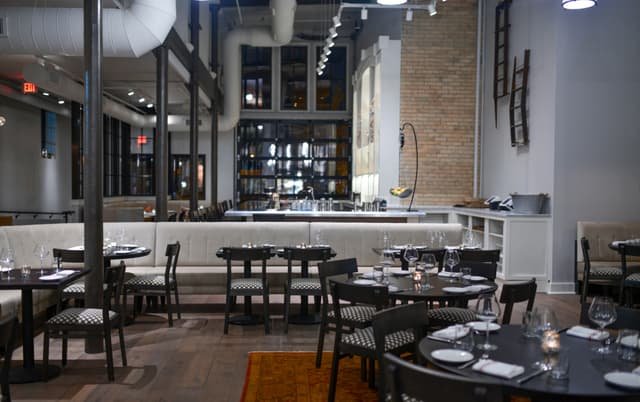
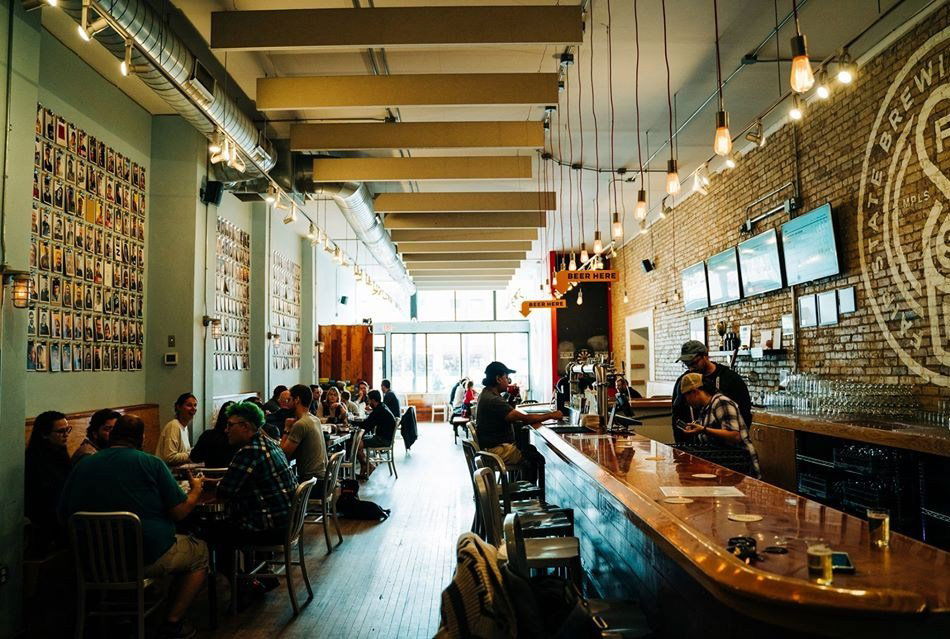
Fair State Brewing presents as a neighborhood-minded taproom rooted in Northeast Minneapolis’s cluster of independent producers. The copy foregrounds its uncommon worker-cooperative ownership, so visits feel connected to a collective mission rather than a singular founder’s brand. The setting—Central Avenue’s industrial stock and a district of nearby breweries—frames the space as approachable and community-focused: less polished brewpub, more local production hub. The cooperative model is front-and-center, shaping the beers on offer and how the taproom operates, so the overall vibe is easygoing, people-forward, and grounded in the neighborhood’s industrial-to-creative history.
Best For
Fair State is best experienced as part of a neighborhood brewery crawl, an after-work stop, or a relaxed group outing in Northeast's taproom corridor. The writing emphasizes the brewery’s place within a dense cluster of independent operations, which makes it a natural casual destination for people exploring Central Avenue’s beer scene. Because the staff are worker-owners and the operation foregrounds community relationships, it’s especially good for those who care about independent production and want to learn about how ownership and brewing choices intersect—ideal for convivial, low-key visits with friends.
Ordering Tips
When you order, lean on the staff: the description notes that Fair State is worker-cooperative owned, so the people pouring beers also have a stake in what gets brewed and can speak to the brewery’s approach. Ask who brewed a given beer and how the cooperative model influenced it; staff perspectives are part of the visit. For groups, plan to move through several taps to get a sense of the operation rather than committing to a single pint—this venue rewards curiosity about production and community rather than a single signature style.
Venue details
Ambiance
Loud music with a lively, industrial atmosphere featuring cold beers and a wide variety of styles.
Tags
Vibe
Best For
Experience
Format
At the Bar
- Bar Category
- Beer Bar
- Music
- Loud Music
Signature Pours
- Hefeweizen
- Big Doinks
Know before you go
Know Before You Go
- Getting there
- 2506 Central Ave NE, Minneapolis, MN 55418
Planning details
Location
Also consider
Also Consider
- Francis Burger Joint, Notable alternative
- MOMO Sushi, Notable alternative
- Tattersall Craft Cocktail Room NE, Notable alternative
- Tattersall Distillery tours- spirit tasting, Notable alternative
- Indeed Brewing Company Northeast Taproom, Notable alternative
Bar context
How It Compares
Fair State Brewing is the practical pick when the plan is beer, flexibility, and a casual Northeast Minneapolis room. Indeed Brewing Company Northeast Taproom is the closest like-for-like alternative, so choose between them based on which location fits the rest of the night. Neither should be treated like a formal dinner substitute.
For a more cocktail-driven occasion, Tattersall Craft Cocktail Room NE is the stronger choice, especially for dates or celebrations where the drink program is the main event. Tattersall Distillery tours- spirit tasting is better when the group wants a planned spirits experience rather than a free-form taproom hang.
If food needs to anchor the outing, Francis Burger Joint is the more useful casual choice, while MOMO Sushi makes more sense for a meal-centered plan. Fair State Brewing wins on ease and brewery ambiance; the others win when dinner structure, cocktails, or a clearer occasion format matter more.
Explore Minneapolis
Around this place
Discover more on Pearl
Unlock the full Fair State Brewing guide in Pearl, including awards, comparisons, FAQs, planning details, and nearby places.
Compare Fair State Brewing
| Venue | Location | Awards |
|---|---|---|
| Fair State Brewing | Minneapolis | No published awards |
| Francis Burger Joint | Minneapolis | No published awards |
| MOMO Sushi | Minneapolis | No published awards |
| Tattersall Craft Cocktail Room NE | Minneapolis | No published awards |
| Tattersall Distillery tours- spirit tasting | Minneapolis | No published awards |
| Indeed Brewing Company Northeast Taproom | Minneapolis | No published awards |
How Fair State Brewing Minneapolis compares with similar nearby venues.
FAQ
Frequently Asked Questions
Do I need a reservation at Fair State Brewing?
Is Fair State Brewing open late?
Not especially. Hours are Thu 4:30–8:30 PM, Fri 11 AM–8:30 PM, Sat 4–8:30 PM, and Sun 4–8 PM, with Mon through Wed closed. Plan it as an earlier stop rather than a late-night destination.
What's the best time to go to Fair State Brewing?
The best time depends on your schedule, but the widest window is Friday, when Fair State Brewing is open from 11 AM to 8:30 PM. Thursday, Saturday, and Sunday have shorter windows.
Does Fair State Brewing have outdoor seating?
If outdoor seating matters, confirm directly with the venue before building your plan around a patio. The core planning points are the Minneapolis location, casual dress code, and posted weekly hours.