All Saints Restaurant
Nicollet Island - East Bank, Minneapolis
Bar in Minneapolis, United States
 Book with Pearl
Why go
All Saints Restaurant is a practical Northeast Minneapolis dinner choice when convenience matters and the group does not need every menu detail settled in advance. Go on a weeknight for the easiest plan; compare against nearby food-and-drink venues if budget, cuisine, or a drinks-first night is the deciding factor.
About All Saints Restaurant
All Saints Restaurant is a Minneapolis dinner option with evening hours Monday through Saturday and Sunday closure. The most useful way to plan it is around the basics: dinner timing and a smart casual dress code.
Plan around dinner hours
The useful question is whether to make this part of an evening dining plan. That works well if the group is comfortable checking the venue's current menu directly. It may be a weaker choice for diners who need to pre-plan exact orders, dietary strategy, or budget before committing.
For a repeat visit, keep the plan simple: a dinner-first agenda during the posted evening hours. Diners comparing menus in advance may be better served by a venue with clearer public positioning. If the night is more about drinks than dinner, use Our full Minneapolis bars guide to cross-shop options before committing.
The practical read for a return visit
The strongest planning details are direct. All Saints Restaurant is open Monday through Thursday from 5–10 PM, Friday and Saturday from 5–11 PM, and closed Sunday. Smart casual dress is the dress code, so it is best approached as an evening restaurant plan with the hours in mind.
For readers building a fuller Minneapolis plan, this is the kind of venue to compare against other dining and drinking options rather than judge in isolation. Start with Our full Minneapolis restaurants guide, then consider other options such as Celio, Flamin' Thai & Sushi Northeast, Gori Gori Peku - Japanese Whisky Bar, Nic's Bar & Lounge, or Spitz - Minneapolis if the priority is comparing different kinds of nights out.
Planning details
- Location
- 222 E Hennepin Ave, Minneapolis, MN 55414
- Reservations
- Book on Resy
- Website
- allsaintsmpls.com
- Phone
- +1 612 259 7507
The take
The Take
The Vibe
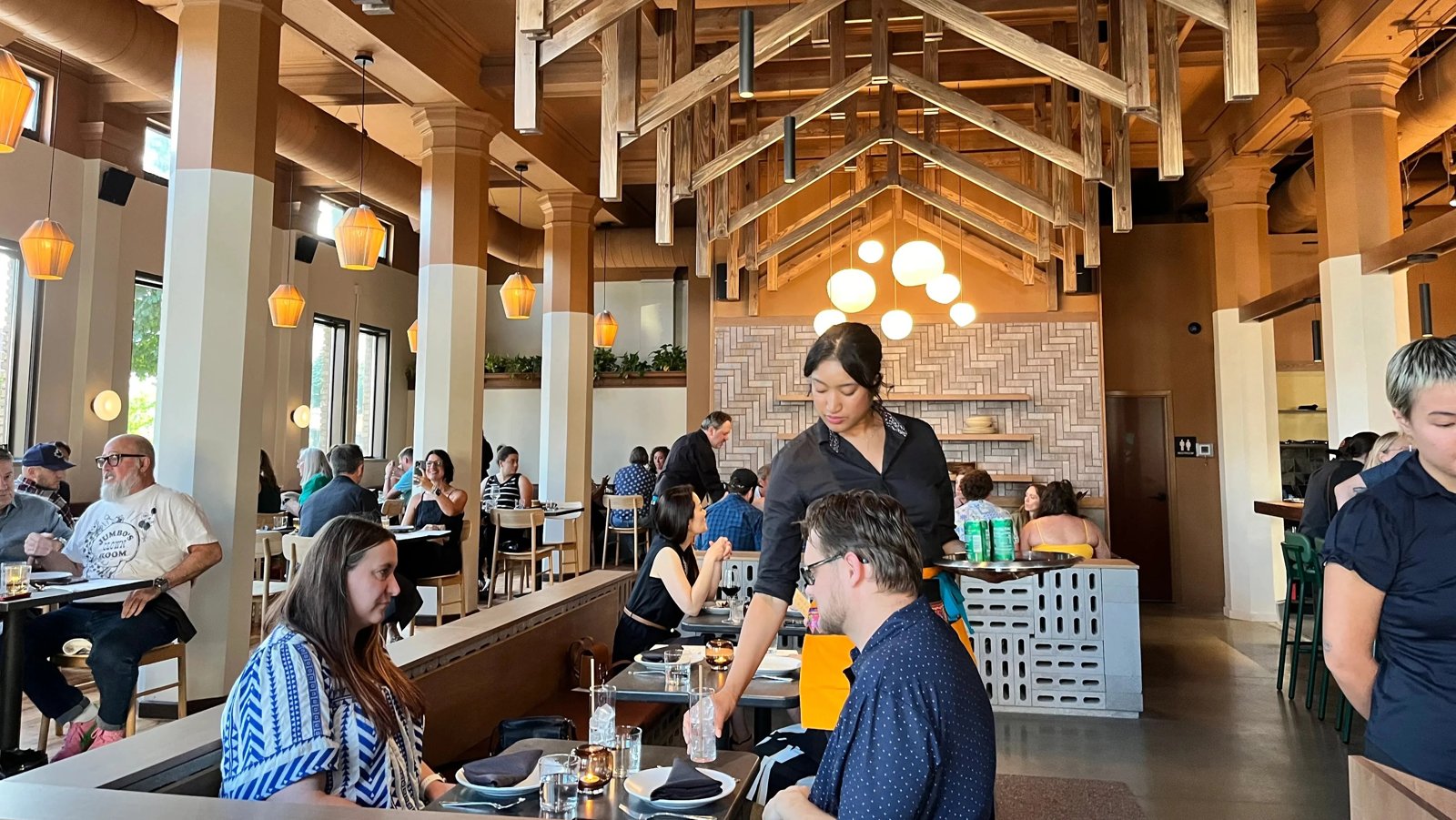
All Saints occupies a repurposed ecclesiastical interior and the building itself is the headline. High ceilings, original masonry and the structural bones of a former place of worship create a vertical, resonant space that reads as both solemn and striking. The conversion resists the usual chain or stripped-back neighbourhood modes; instead the room imposes a design discipline rooted in its architectural history. Diners immediately register the physical container — its acoustics, fenestration and altar-axis layout — which gives the bar-restaurant a distinctive, memorable presence within Northeast Minneapolis.
Best For
This is a destination for people who want the setting to matter. Because the venue is a church conversion with architectural weight and a deliberate interior, it suits intimate dinners and special-occasion evenings where the room contributes to the experience. It also functions as a neighborhood destination distinct from the city’s busier after-work corridors, so locals and visitors looking for a memorable meal in a singular environment are likely to be satisfied. The focus is on the atmosphere the space creates as much as on any single menu item.
Venue details
Ambiance
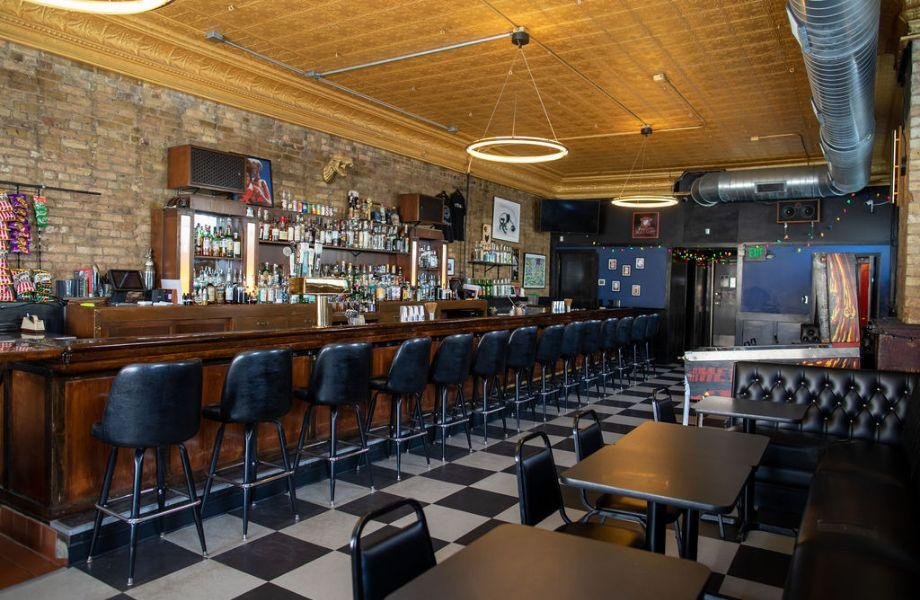
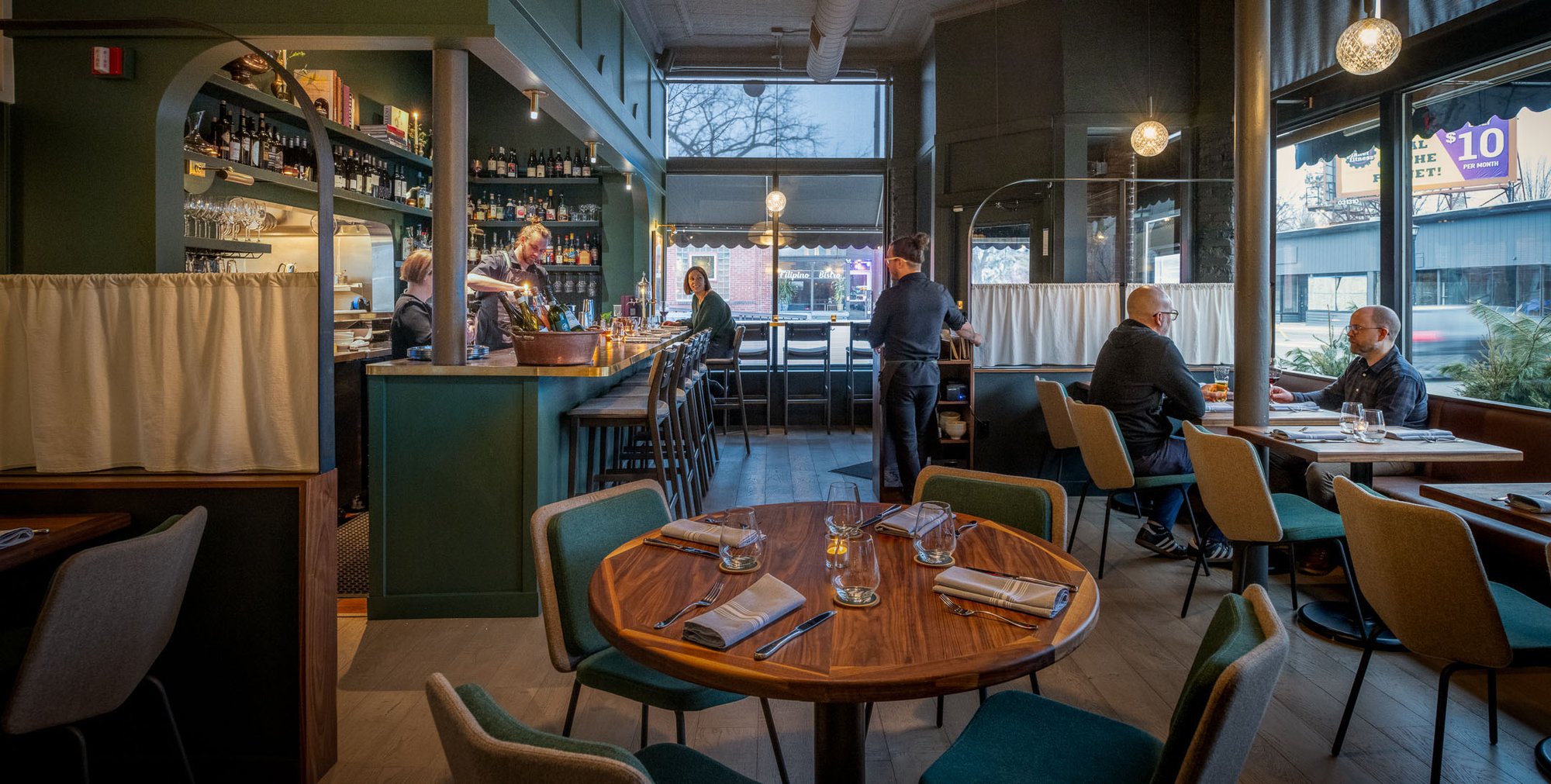
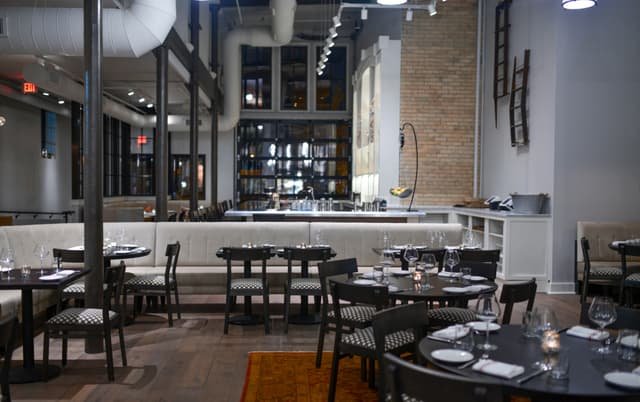
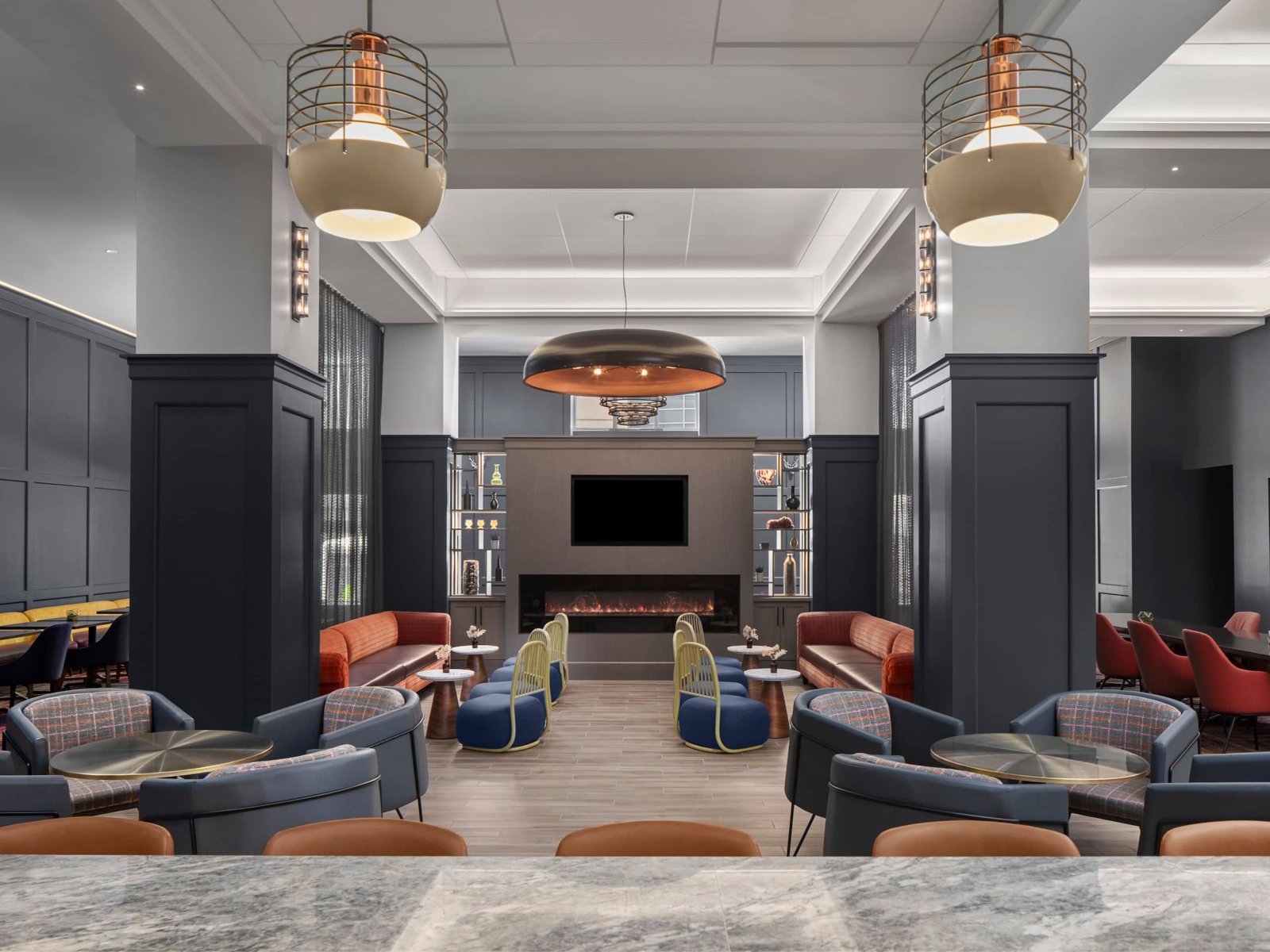
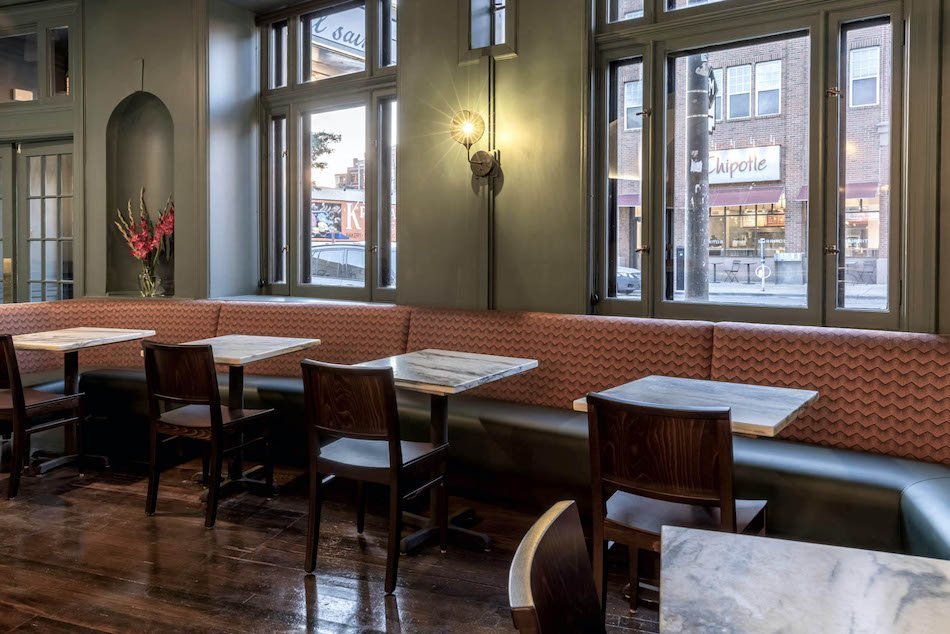
Intimate and cozy interior with a bright redesign, featuring bar seating and a welcoming atmosphere for conversations.
Tags
Vibe
Best For
Experience
Format
At the Bar
- Bar Category
- Cocktail Bar
- Late Night
- Closes by Midnight
Know before you go
Know Before You Go
- Getting there
- 222 E Hennepin Ave, Minneapolis, MN 55414
Planning details
Location
Also consider
Where to go if this is not the right fit
If the group wants a clearer cuisine lane before booking, choose Flamin' Thai & Sushi Northeast. If the night is more about cocktails or whisky than dinner, look at Gori Gori Peku - Japanese Whisky Bar instead.
For a broader city scan, use 'O Munaciello MiMo District Neapolitan Pizza in Miami, (405) Brewing Co. LLC in Norman, and ¡BE! Club in San Sebastián only as broader Pearl examples, not Minneapolis substitutes.
Bar context
How All Saints Restaurant compares in Northeast Minneapolis
Choose All Saints Restaurant when the plan is dinner-led and Northeast convenience matters. Flamin' Thai & Sushi Northeast is the more obvious pick when the group wants a clearly defined Thai-and-sushi direction before arriving, while All Saints works better for diners who are comfortable making the call once seated.
Nic's Bar & Lounge and Gori Gori Peku - Japanese Whisky Bar are stronger cross-shops for a drinks-first night. If food quality is the main reason to go out, All Saints is the safer dinner frame; if the room and bar program matter more than the meal, those two deserve a closer look.
Spitz - Minneapolis reads as the easier casual fallback, while Celio is worth checking when the night needs a different ambiance. For value, the right move is to compare menus before choosing, since All Saints does not publish enough verified pricing here to call it the clear budget play.
Explore Minneapolis
Around this place
Discover more on Pearl
Unlock the full All Saints Restaurant guide in Pearl, including awards, comparisons, FAQs, planning details, and nearby places.
Compare All Saints Restaurant
| Venue | Location | Awards |
|---|---|---|
| All Saints Restaurant | Minneapolis | No published awards |
| Flamin' Thai & Sushi Northeast | Minneapolis | No published awards |
| Celio | Minneapolis | No published awards |
| Nic's Bar & Lounge | Minneapolis | No published awards |
| Spitz - Minneapolis | Minneapolis | No published awards |
| Gori Gori Peku - Japanese Whisky Bar | Minneapolis | No published awards |
How All Saints Restaurant Minneapolis compares with similar nearby venues.
FAQ
Frequently Asked Questions
What's the crowd like at All Saints Restaurant?
Plan around the basics: All Saints Restaurant is in Minneapolis, has a smart casual dress code, and serves during posted evening hours Monday through Saturday.
What's the best time to go to All Saints Restaurant?
Go Monday through Thursday if you want the simplest dinner timing, since hours run 5–10 PM. Friday and Saturday stretch to 11 PM, so those are the better picks for a later meal. Sunday is closed.
Is All Saints Restaurant open late?
It is open later on Friday and Saturday, when hours run until 11 PM. Monday through Thursday hours end at 10 PM, and the restaurant is closed Sunday.
What is All Saints Restaurant known for?
All Saints Restaurant is a Minneapolis evening dining option with Monday–Saturday hours, Sunday closure, and a smart casual dress code.