
Cantine Isola
Sarpi, Milan
Bar in Milan, Italy
 Book with Pearl
The Read
Price
$20–30per person
Why go
Cantine Isola is worth choosing when the night calls for a relaxed, wine-led stop in Milan rather than a polished cocktail bar or rooftop. The Star Wine List recognition is the main trust signal; go for an easy first drink, a casual date, or a low-pressure aperitivo plan, not for a chef-led meal or late-night scene.
About Cantine Isola
10 PM is the key number: Cantine Isola is listed as open daily from 10 AM to 10 PM, so it works better as an earlier Milan stop than a late-night fallback. With Star Wine List recognition in 2026 and a casual dress code, it is a practical choice for visitors who want an easygoing plan rather than a dressy or highly staged evening.
For a visitor choosing where to spend one evening, it's a simple decision: choose Cantine Isola when the timing, casual tone, and Star Wine List recognition fit the plan. Expectations should stay practical as it does not feature dish names, chef details, seating counts, or price guidance. Use the hours and casual dress code as the main planning anchors.
Choose it for easy planning, not a big-night production
The strongest reason to consider Cantine Isola is its Star Wine List recognition. That gives the venue a credible recognition signal, so the decision is less about a documented chef-led meal and more about whether the details fit the night. If the group wants a broader dining search, use our full Milan restaurants guide instead. If the night is drinks-led, it also belongs in the conversation with our full Milan bars guide, while offering a different kind of plan from more cocktail- or rooftop-oriented options.
For a date, this is a sensible pick if the goal is low-pressure and based on the hours, casual dress code, and Star Wine List recognition. It is less useful for someone choosing based on menu specifics, a documented tasting-menu format, or a view. First-timers should think of it as a place to start the evening or keep the evening intentionally simple, then move on if the group wants a second setting.
Who will like it, and who should choose elsewhere
Go if the group is comfortable choosing from limited planning details. Skip it if the night depends on known food specifics, a dressy room, or late service beyond the listed close. The practical advantage is ease: daily 10 AM–10 PM hours make it easier to fit into a Milan itinerary than venues with a narrower published window. For hotel-led evenings, compare against our full Milan hotels guide; for a broader itinerary, use our full Milan experiences guide and our full Milan wineries guide.
The main caution is expectation-setting. Because the strongest signal is Star Wine List recognition, not named dishes or chef credentials, the smarter move is to check the venue's current offering directly if food, format, or pricing will determine the plan. If that trade works, Cantine Isola earns its slot. If not, cross-shop other Milan options first, then keep this for a relaxed stop rather than the centerpiece of the night.
For readers comparing styles within Milan, Cantine Isola can be weighed against options such as Bulk Mixology Food & Bar, Ceresio 7, Dry, Living, and The Viu Terrace, depending on whether the priority is its recognition, a different setting, or another atmosphere.
Planning details
- Location
- Via Paolo Sarpi, 30, 20154 Milano MI, Italy
- Website
- cantineisola.com
- Phone
- +39 02 331 5249
The take
The Take
The Vibe
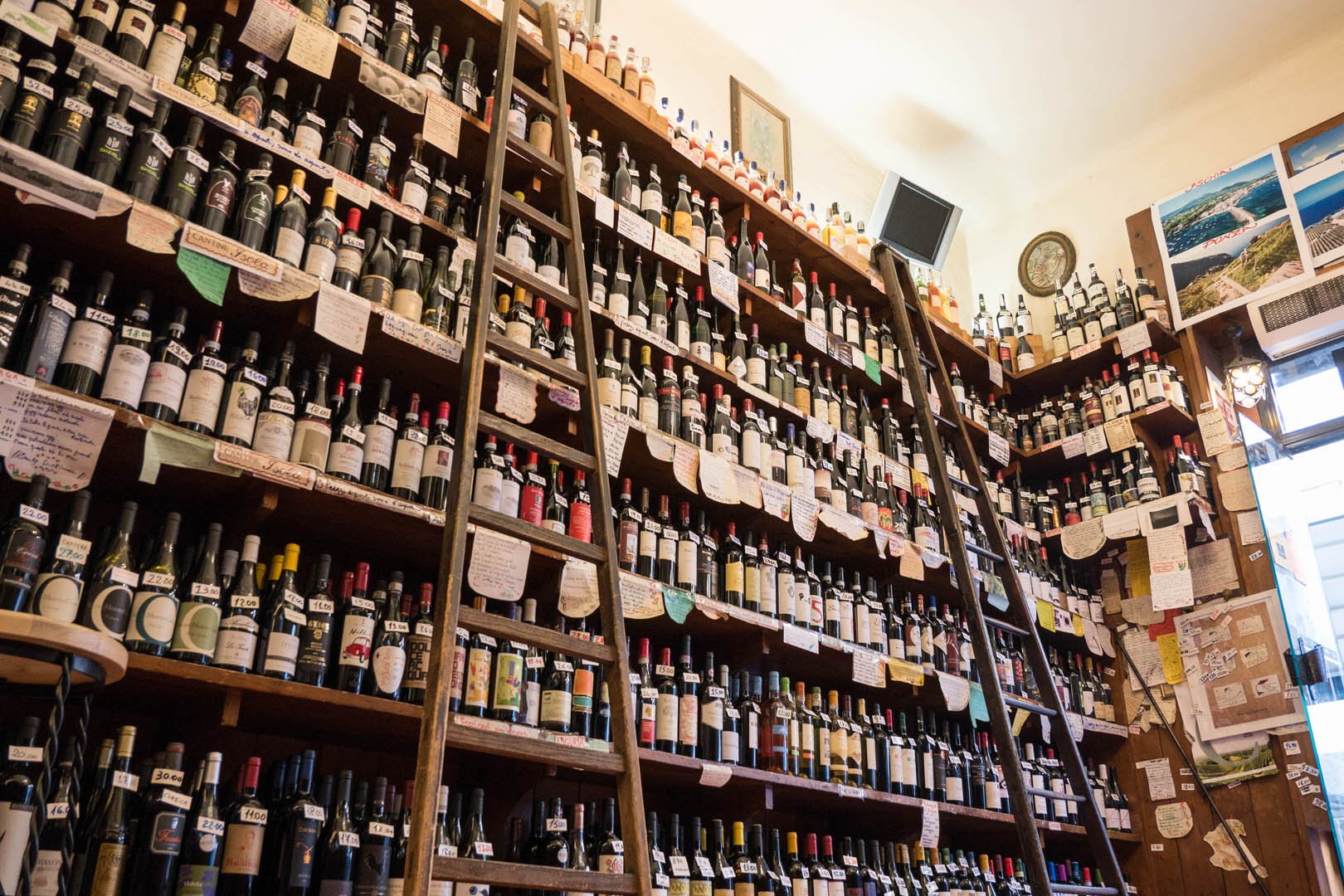
Cantine Isola reads as a piece of Milan that preserves its past rather than chasing trends. The bar operates as a historic enoteca on Via Paolo Sarpi, anchored in the city’s older wine-drinking culture and set against a texturally rich neighbourhood. Evenings are busy and full of life, and the place feels like a living municipal memory, with the steady continuity of a neighbourhood institution and a classic, quietly charming character.
Best For
This is a spot for people who prize authentic Milanese drinking traditions and the convivial disorder of a long-standing enoteca. It especially suits evening visits, after work and casual meetups, when the bar is busiest and its historic character is most apparent. Visitors who enjoy discovering neighbourhood institutions and who are comfortable with crowded, lively rooms will find Cantine Isola rewarding. It is less about presentation and more about access to a steady wine culture, the social bustle of the Sarpi corridor, and the sense of continuity that comes with a place that has simply remained itself.
Ordering Tips
Treat Cantine Isola primarily as an enoteca: the draw is the wine and the historical continuity rather than a choreographed, theatrical service experience. The copy explicitly warns that evenings are "chaotic" in a functional way and that the place is not about curated silence, so expect informal service and a bustling room. Focus on the wine list and embrace the neighbourhoody atmosphere: the experience is about access to good wine within a busy, lived-in Milanese setting rather than polished table-side ritual.
Venue details
Ambiance
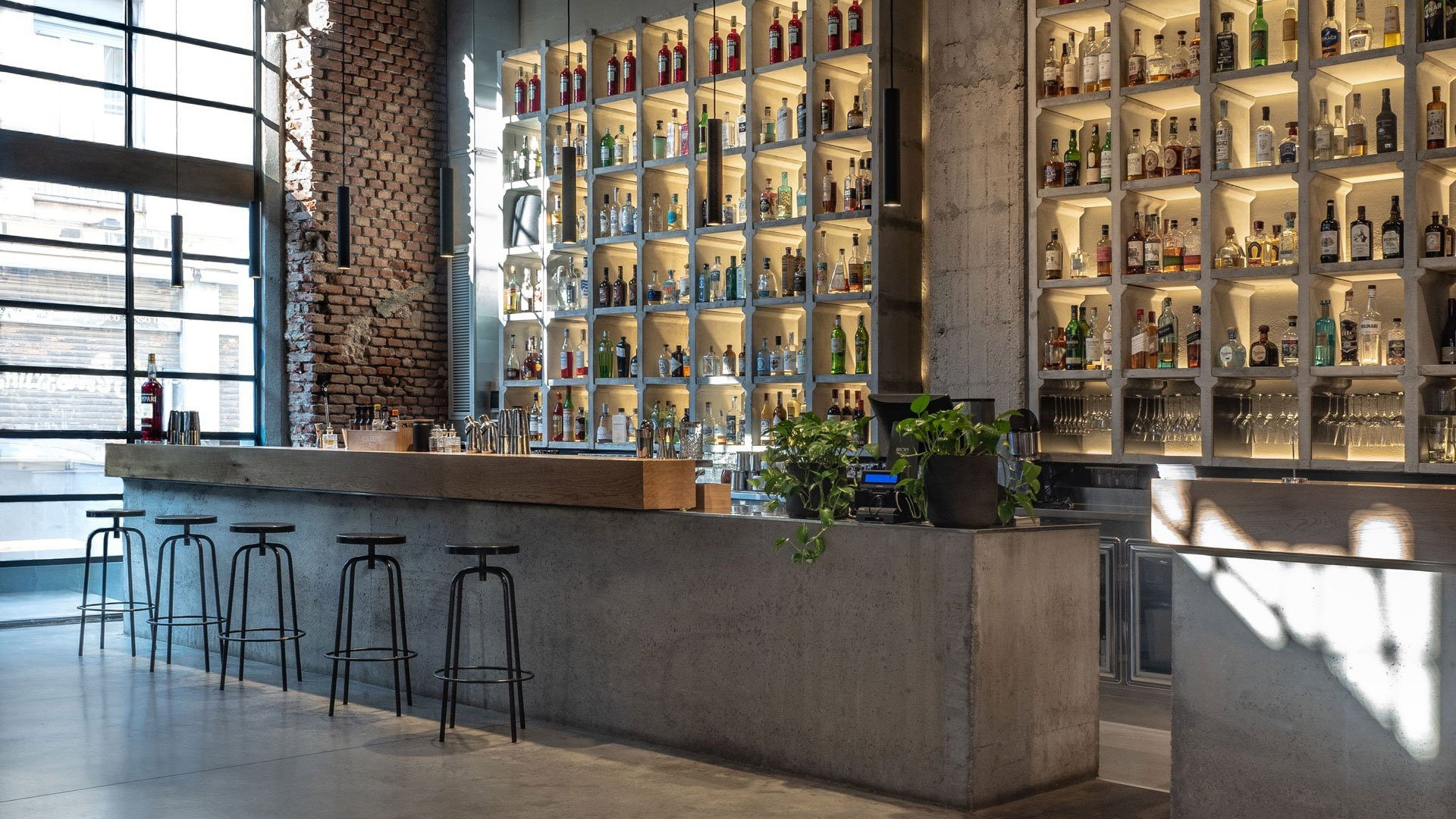
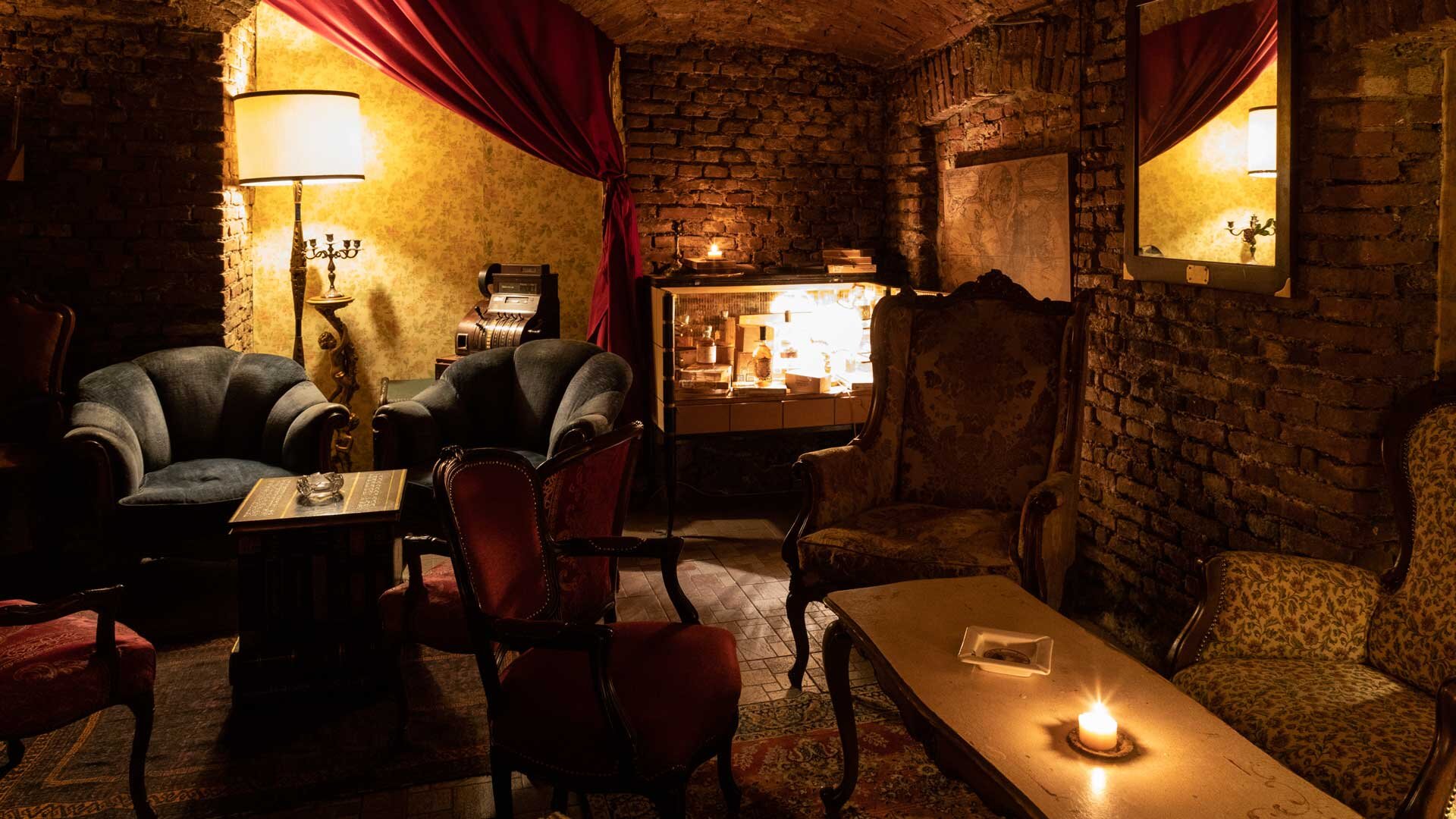
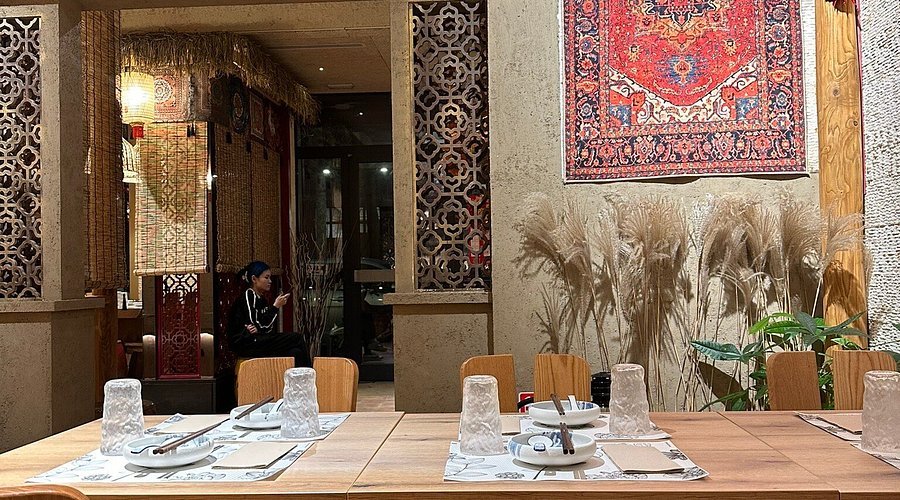
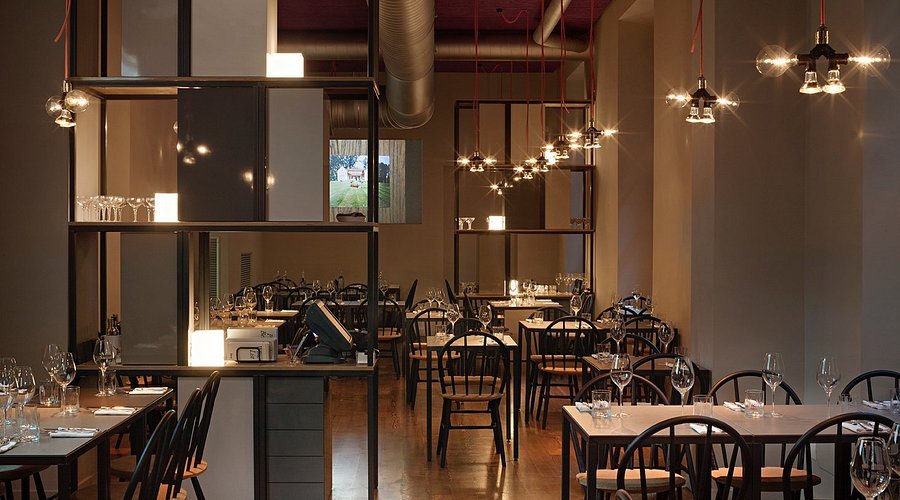
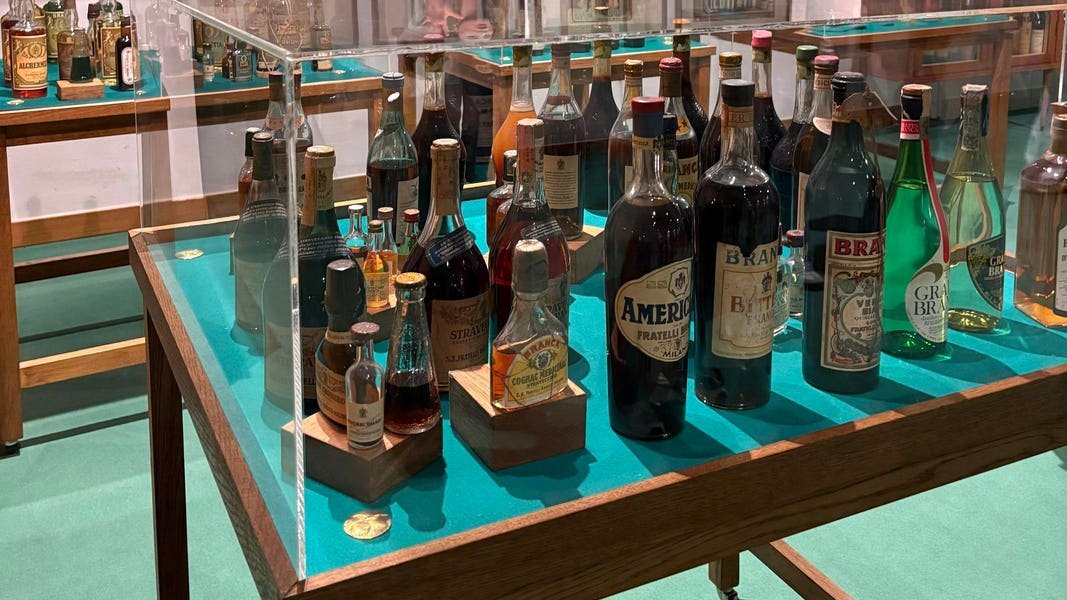
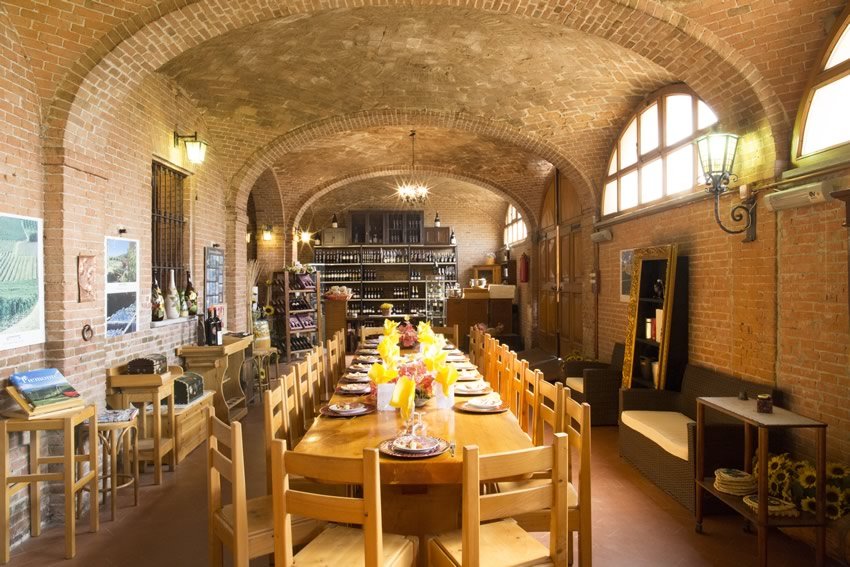
Cozy and lively with a vibrant, crowded atmosphere like a wine library, featuring shelves to the ceiling and a welcoming vibe for locals and tourists.
Tags
Vibe
Best For
Experience
Format
At the Bar
- Bar Category
- Wine Bar
- Late Night
- Closes by Midnight
- Music
- Eclectic (british Indie and 80s)
Know before you go
Know Before You Go
- Getting there
- Via Paolo Sarpi, 30, 20154 Milano MI, Italy
Planning details
Location
Recognition and awards

Also consider
Also Consider
- The Viu Terrace, Notable alternative
- Bulk Mixology Food & Bar, Notable alternative
- Ceresio 7, Notable alternative
- Living, Notable alternative
- Dry, Notable alternative
Bar context
How it compares in Milan
Choose Cantine Isola over The Viu Terrace or Ceresio 7 when wine and neighborhood feel matter more than a rooftop setting. The terrace options make more sense for visitors who want a view-led evening or a more dressed-up atmosphere; this is the easier, lower-pressure choice for conversation and a glass-first plan.
Bulk Mixology Food & Bar and Dry are better fits when cocktails or a fuller food-and-drink format are the point of the night. Cantine Isola is more convincing when the group wants wine credibility without turning the evening into a formal restaurant booking.
Living is the stronger cross-shop for readers who want a more design-forward Milan bar mood. Pick Cantine Isola for ease and a neighborhood read; pick Living, The Viu Terrace, or Ceresio 7 when ambiance needs to do more of the work.
Around this place
Discover more on Pearl
Unlock the full Cantine Isola guide in Pearl, including awards, comparisons, FAQs, planning details, and nearby places.
Compare Cantine Isola
| Venue | Location | Awards |
|---|---|---|
| Cantine Isola | Milan | Star Wine Lists 2026 |
| The Viu Terrace | Milan | No published awards |
| Bulk Mixology Food & Bar | Milan | No published awards |
| Ceresio 7 | Milan | Star Wine Lists 20262026 Pinnacle Guide2026 Michelin PlateTop 500 Bars 2025 · #532025 Michelin Plate2024 Michelin Plate |
| Living | Milan | No published awards |
| Dry | Milan | No published awards |

.png?width=1200&quality=80)

How Cantine Isola Milan compares with similar nearby venues.
FAQ
Frequently Asked Questions
Is Cantine Isola good for a date?
Yes, if the date fits the details: casual dress, daily 10 AM–10 PM hours, and Star Wine List recognition in 2026. It is a lower-key Milan stop rather than a plan built around menu specifics or late-night service. Ceresio 7 may be a useful comparison if you are considering a different style of evening.
What's the best time to go to Cantine Isola?
Go earlier in the evening if you want an easier stop, since it opens at 10 AM and runs until 10 PM every day. That gives you flexibility for a daytime or early-evening visit in Milan. If you want a different kind of evening plan, Ceresio 7 is a useful comparison.
Is Cantine Isola open late?
Not especially, since hours stop at 10 PM every day. That makes it a better earlier stop than a late-night venue. For a different drinks plan, Dry is an obvious comparison among Milan options.