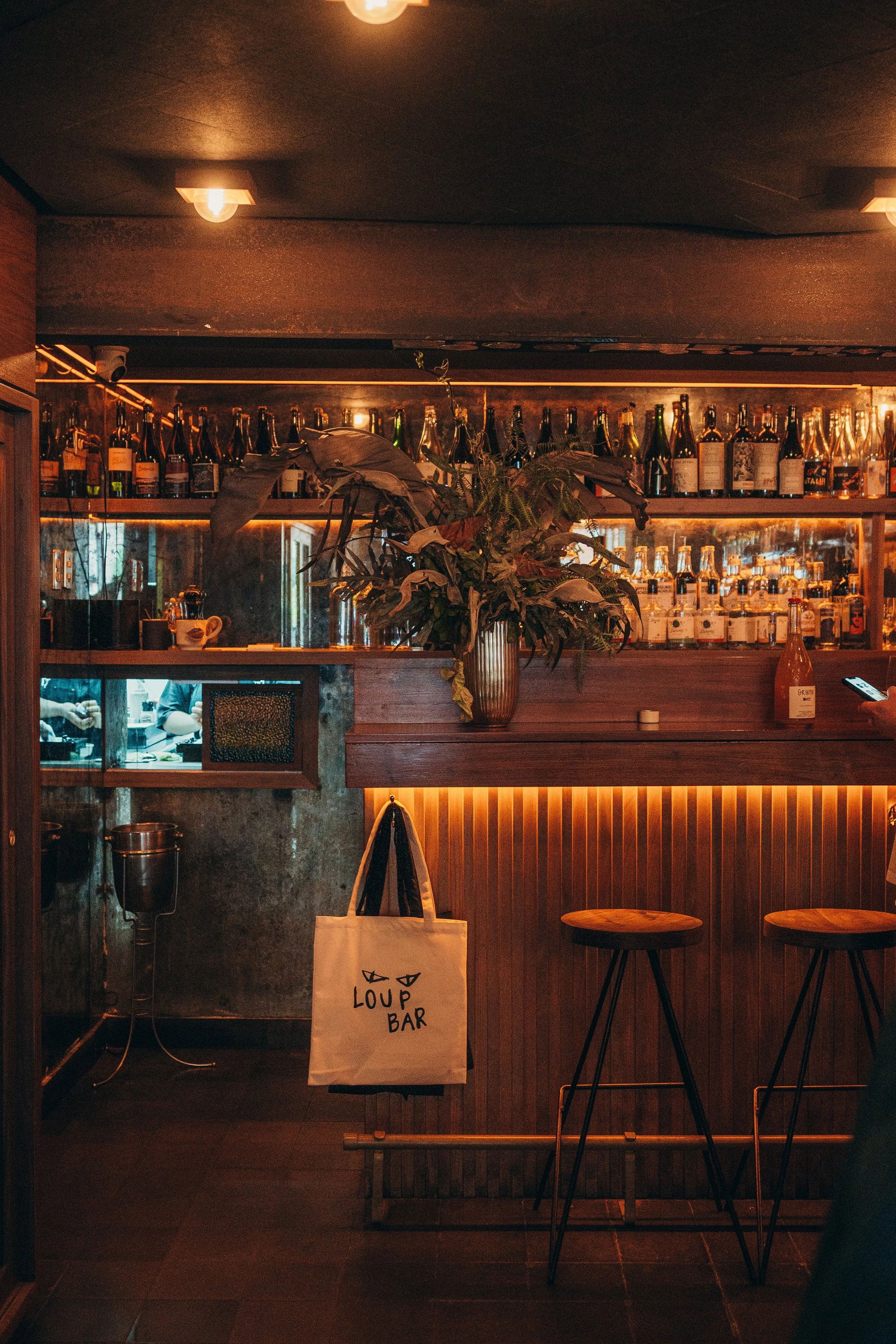

Loup Bar
Roma Norte, Mexico City
Bar in Mexico City, Mexico
 Book with Pearl
The Read
Price
$20–30per person
Why go
Loup Bar is a smart Roma Norte choice for a two-person wine-led night, especially if conversation matters more than late-night intensity. The 2026 Star Wine List recognition gives it a clear reason to book, while the easy booking signal makes it practical for first-time Mexico City visitors building a flexible evening.
About Loup Bar
Loup Bar is a Mexico City bar with Star Wine List recognition for 2026. Its practical hours and smart-casual dress code make it easy to plan a visit.
For a first visit, keep the plan simple. Loup Bar opens at 2 PM daily, closes at 10 PM from Sunday through Wednesday, and stays open until 11 PM from Thursday through Saturday. Use it for an afternoon or evening stop in Mexico City, and avoid expecting a specific food format, price tier, seating setup, or late-night schedule.
Best planned around hours and dress code
That 2026 Star Wine List recognition makes Loup Bar relevant for people comparing bars in Mexico City. For broader planning, pair it with our full Mexico City bars guide, then use our full Mexico City restaurants guide if dinner is the anchor.
The profile is limited: there is no price tier, food format, seat count, or reservation detail here. The dress code is smart casual, and the hours make it easier to place as an afternoon or evening bar stop rather than a true late-night finale. If you are comparing other Mexico City options, consider the mood and timing rather than assuming Loup Bar can cover dinner, group seating, and a full night out in one booking.
Use it as a Mexico City stop, not the late-night finale
Loup Bar is best treated as a Mexico City stop with clear, practical boundaries: daily 2 PM opening, 10 PM closing on Mon-Wed and Sun, and 11 PM closing on Thu-Sat. If the plan is Mexico City-wide rather than venue-specific, keep our full Mexico City hotels guide, our full Mexico City experiences guide, and our full Mexico City wineries guide close while mapping the rest of the trip.
For people comparing the broader bar scene, cross-shop by fit rather than chasing a universal ranking. Loup Bar has a Star Wine List accolade and smart-casual dress code; other Mexico City dining and drinking rooms may be better suited to different priorities, such as a later night, a meal-led plan, or a different focus.
Planning details
- Location
- Tonalá 23, Roma Nte., Cuauhtémoc, 06700 Ciudad de México, CDMX, Mexico
- Reservations
- Book on OpenTable
- Website
- loupbar.mx
- Phone
- +52 55 5299 6931
The take
The Take
The Vibe
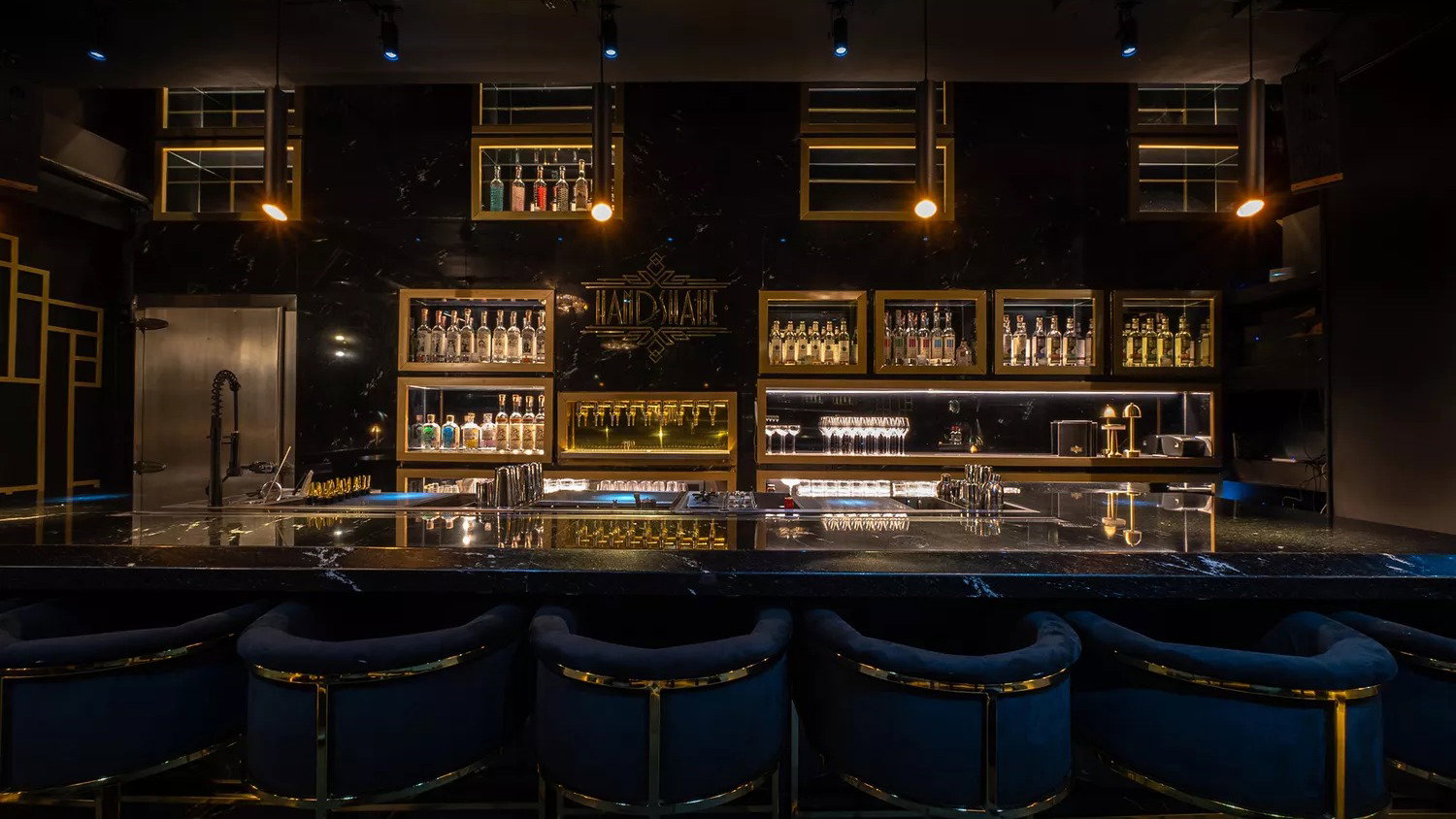
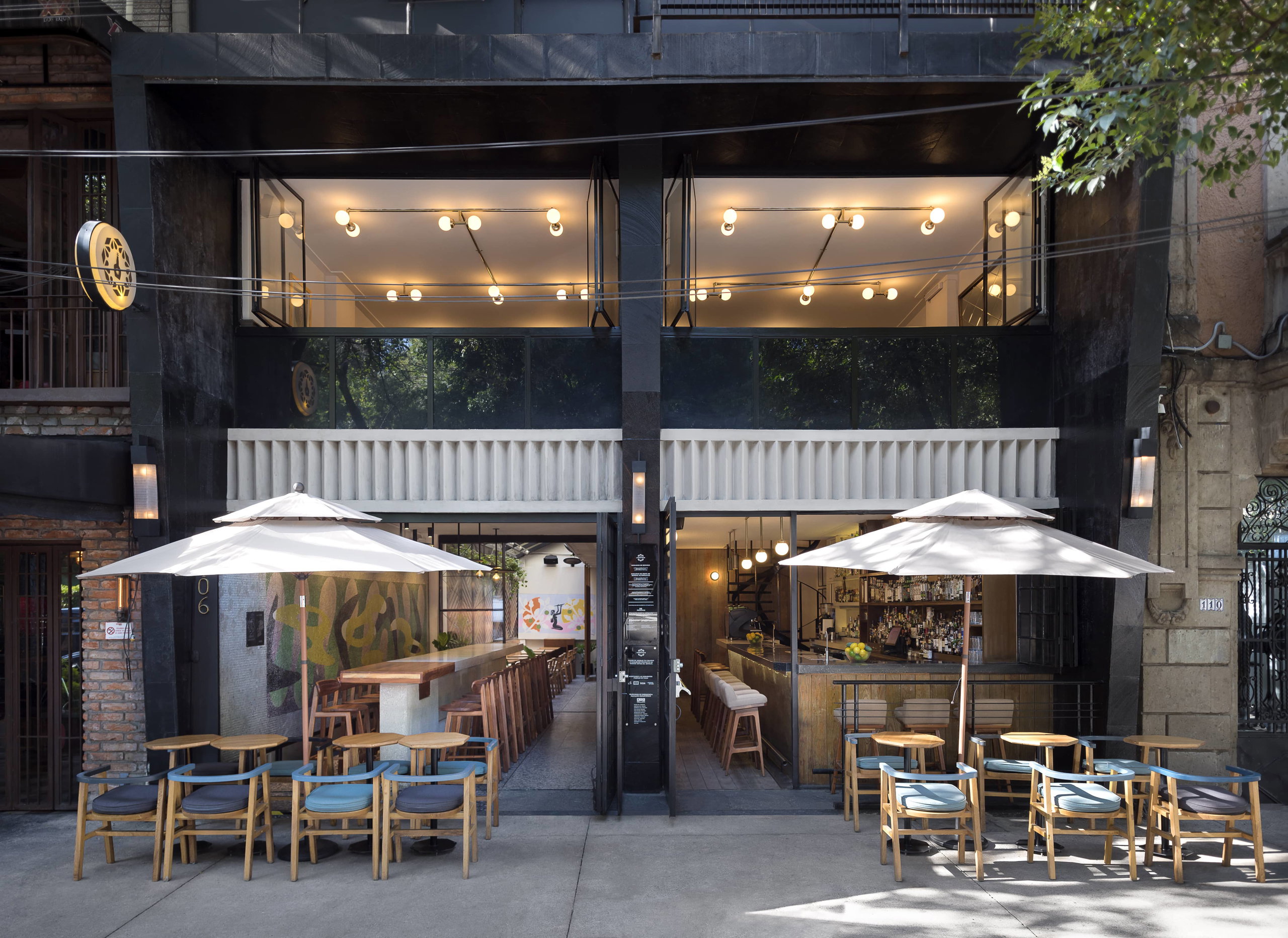
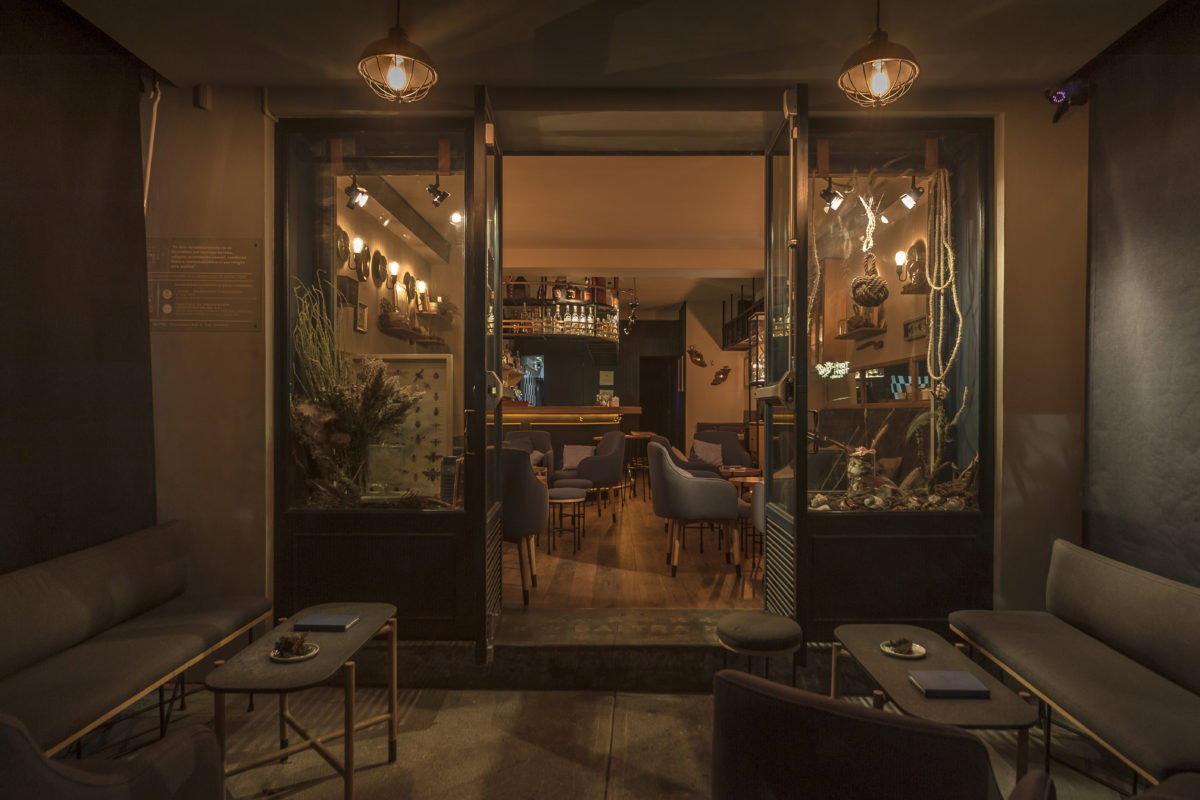
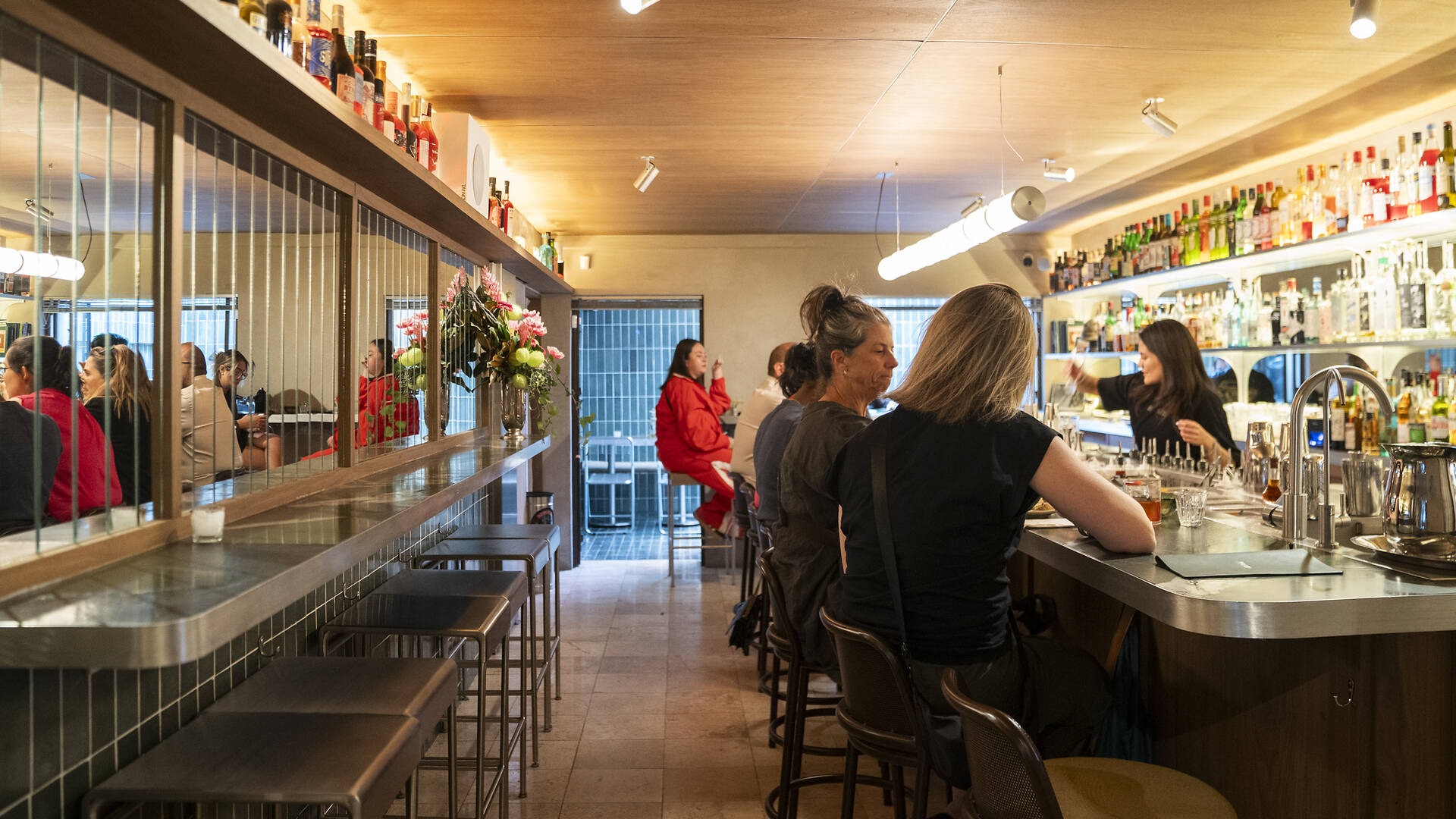
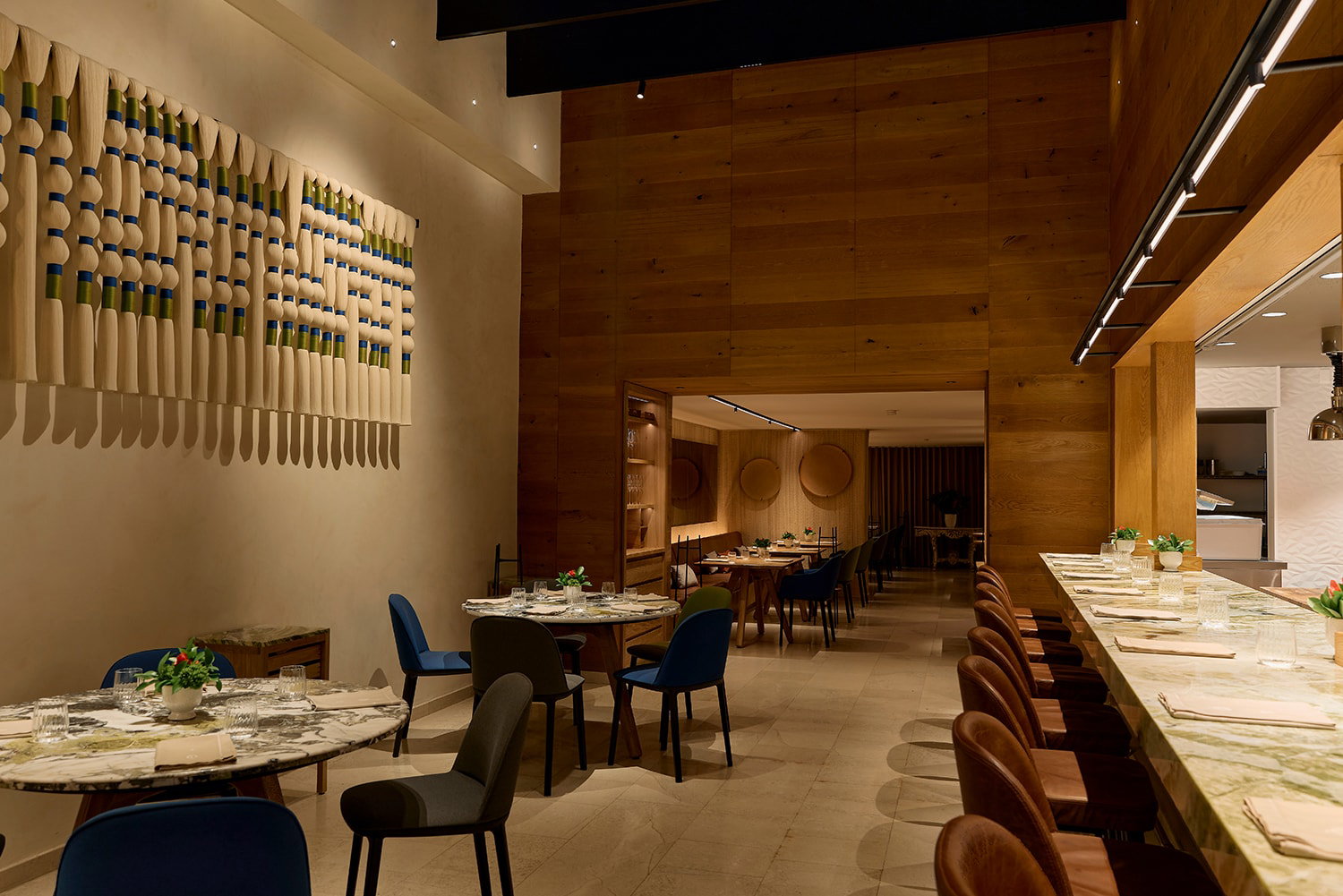
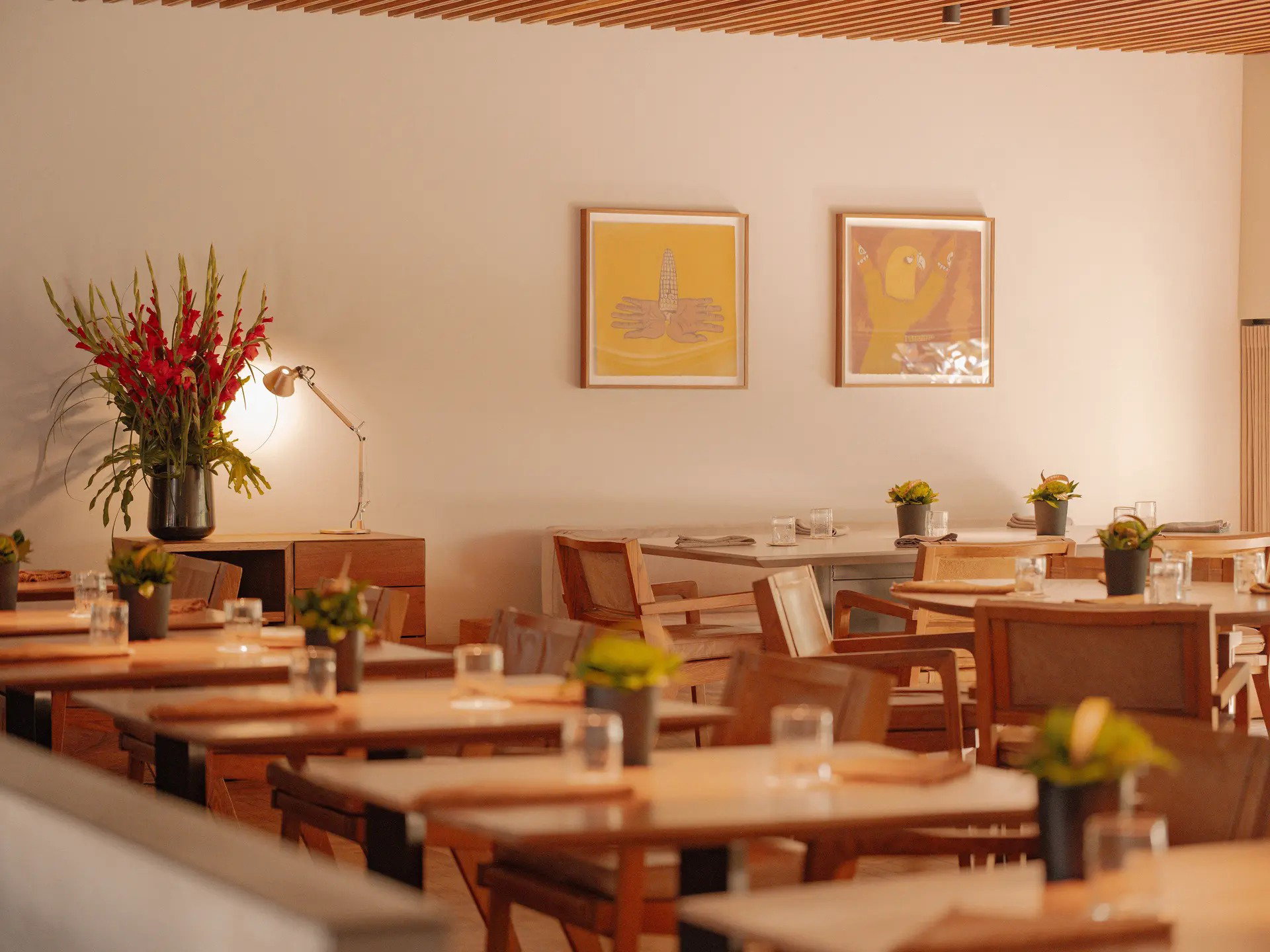
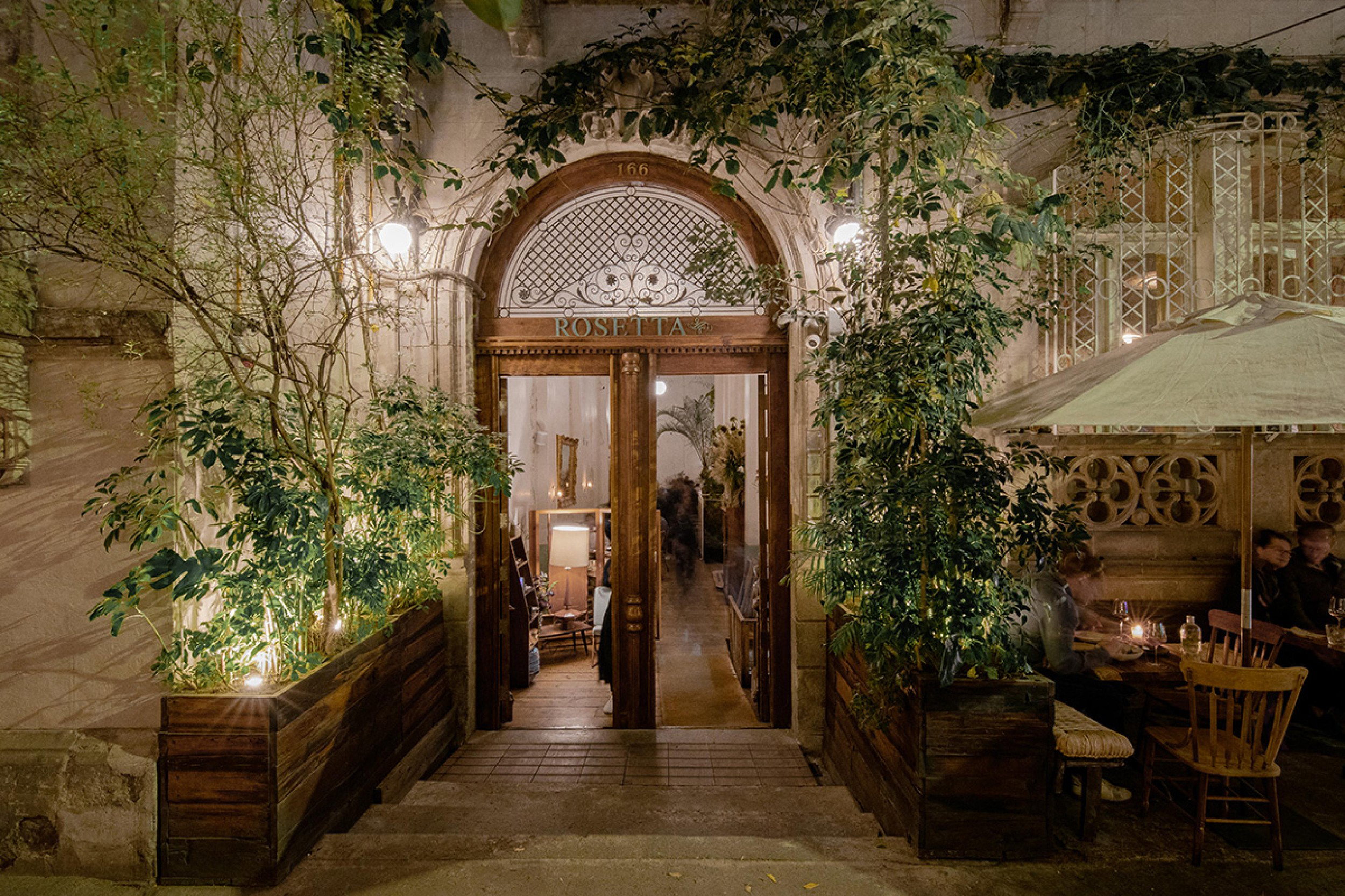
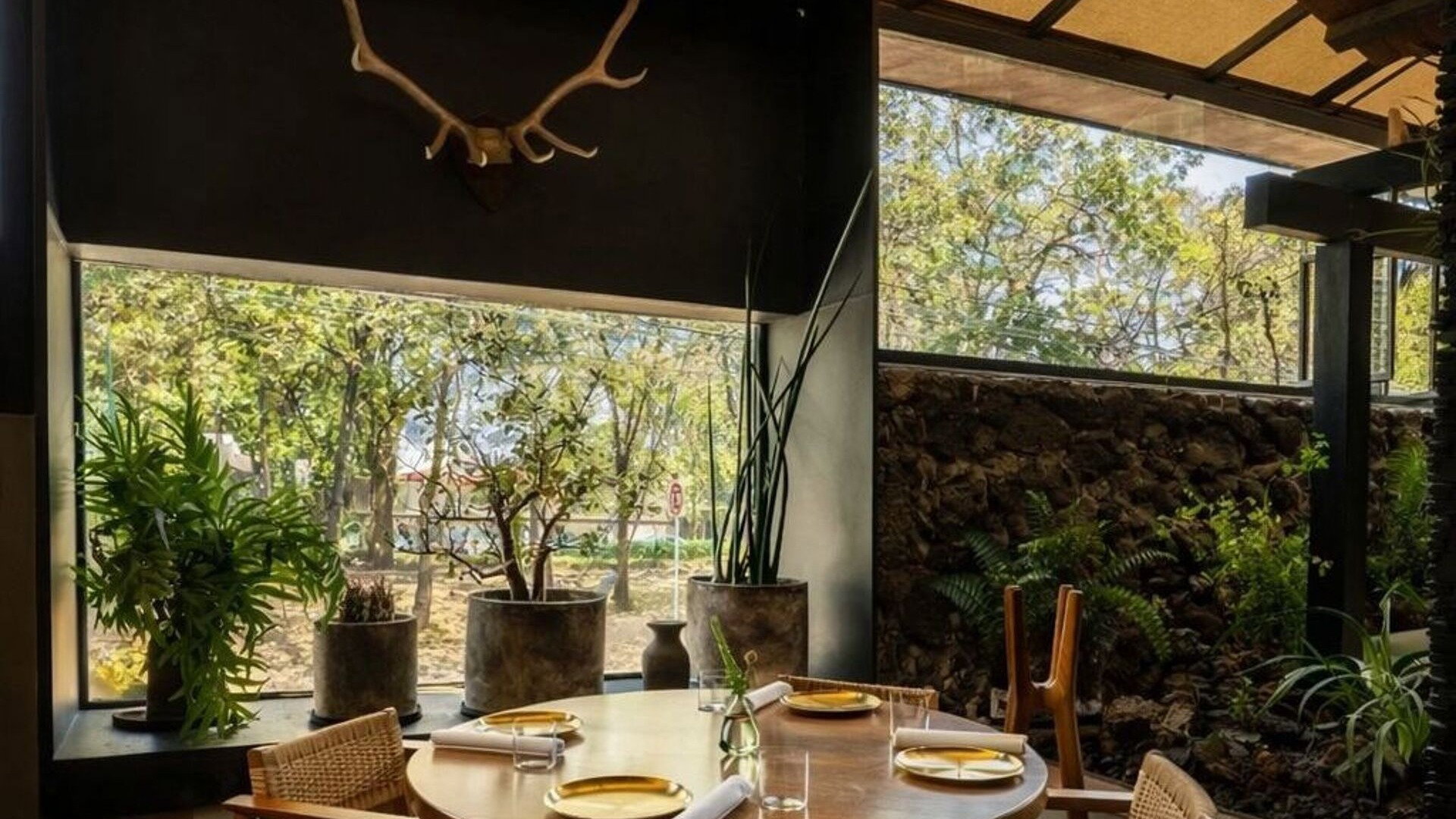
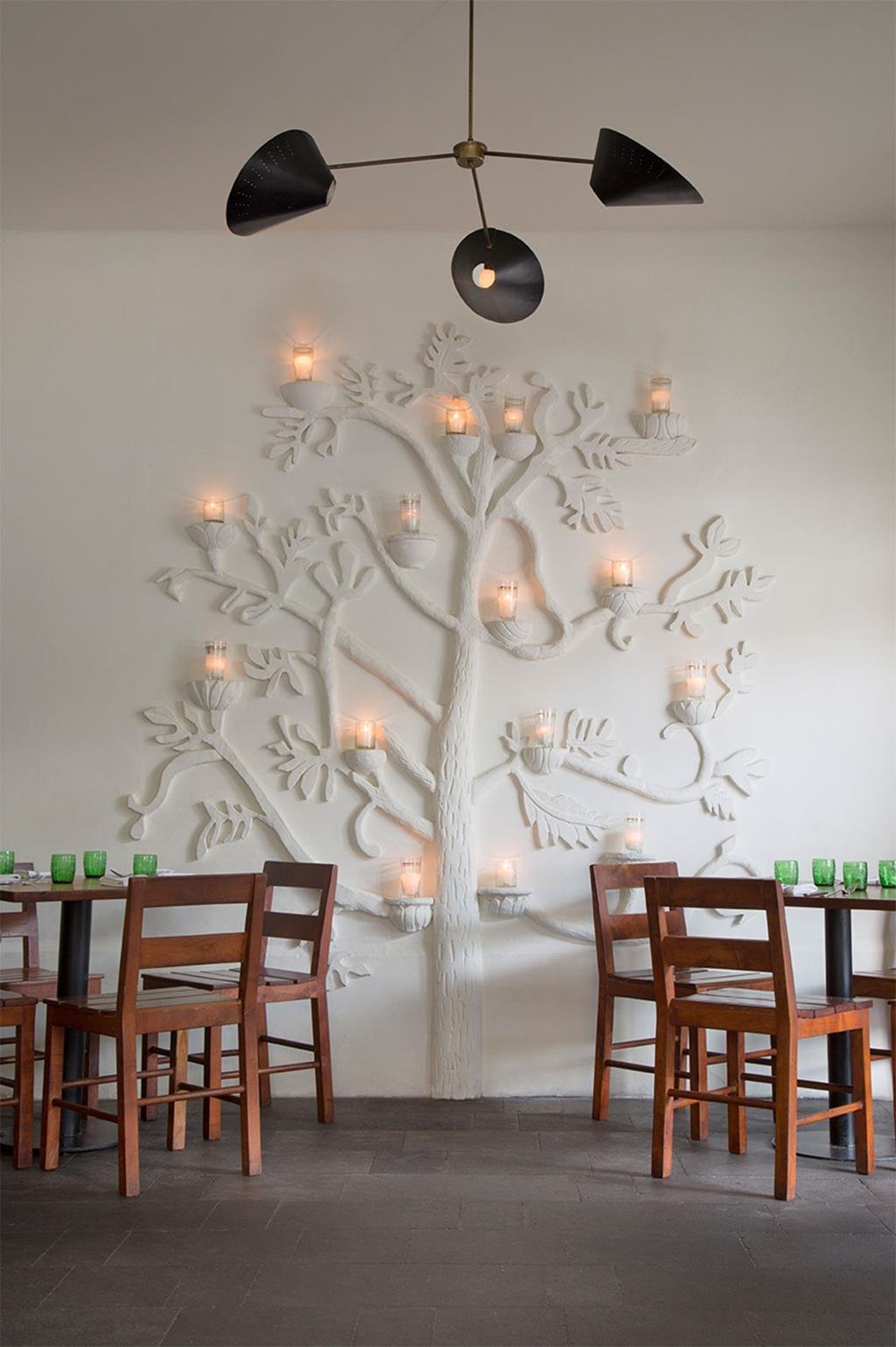
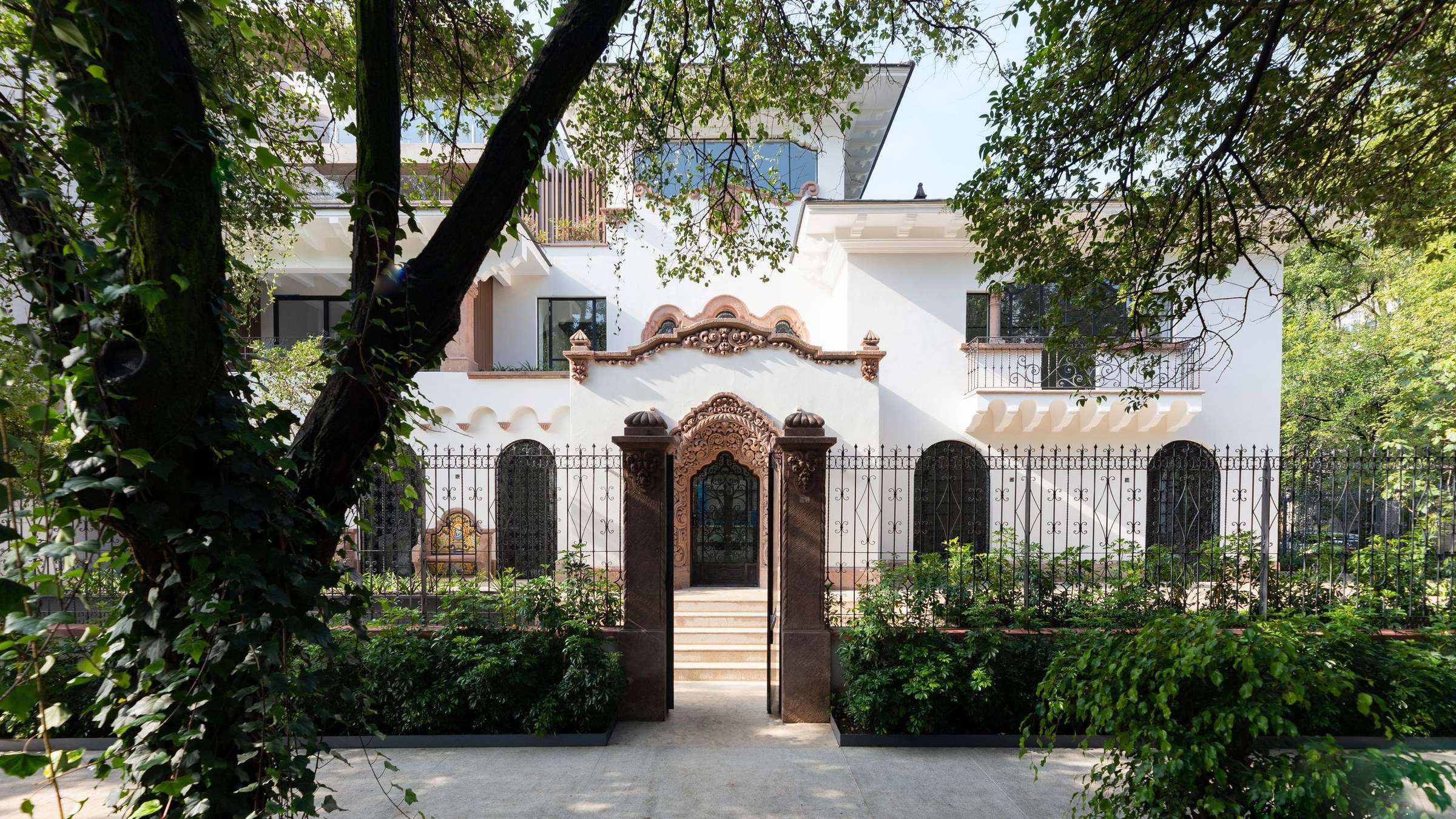
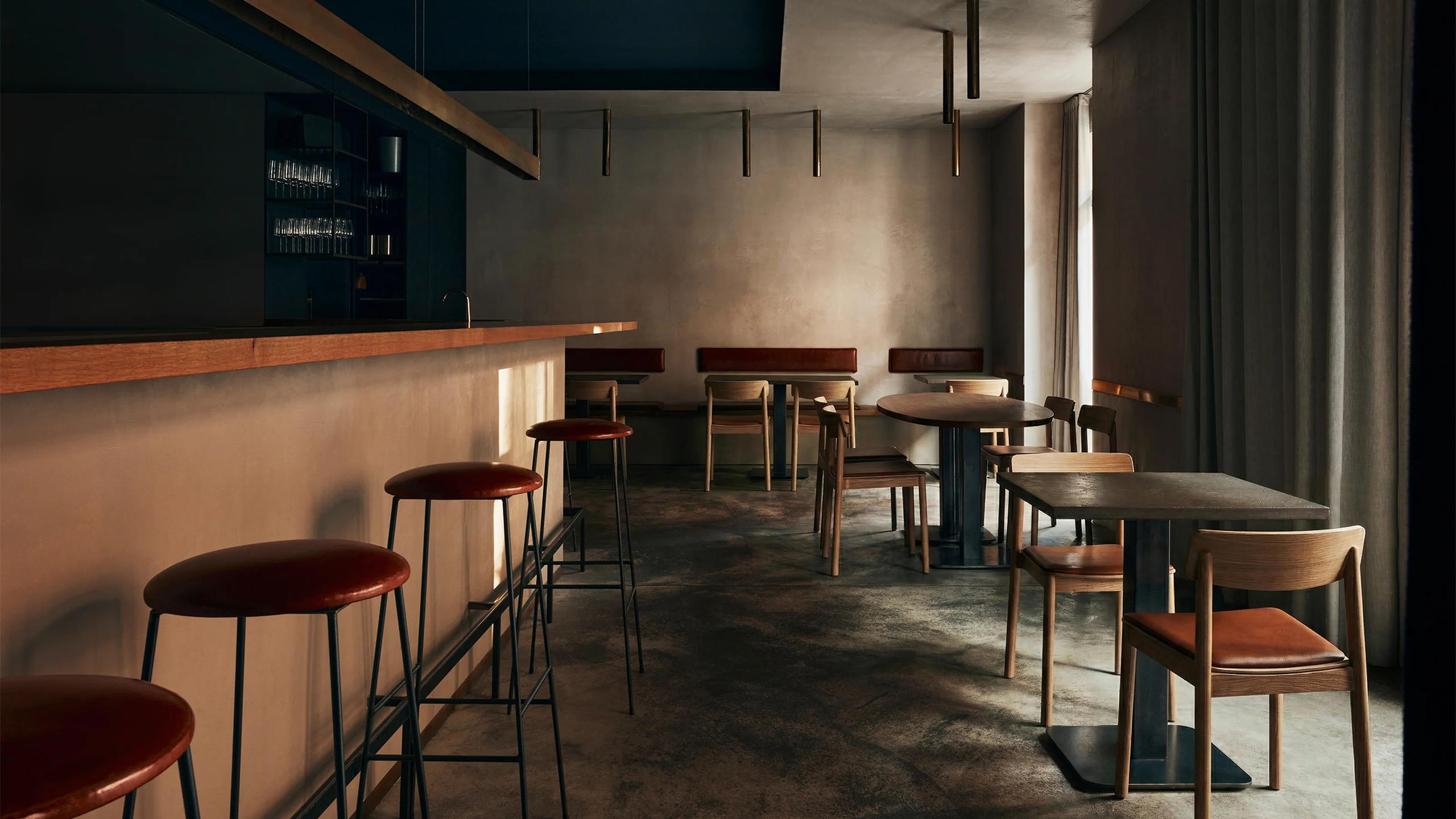
Loup Bar makes its first impression through architecture: a century-old building, long halls and tall ceilings create a room that feels considered and composed. Wooden floors lend acoustic warmth and slow the pace, so conversation lands as much as the wine. The walls lined with European wine art frame a restrained, curated sensibility; the physical space signals that this is a deliberate, wine-focused neighborhood bar rather than a flashy cocktail concept. Overall the place reads as quietly assured and refined, where the setting itself sets expectations before the first glass arrives.
Best For
This is best for people who favor slow, repeat visits and care about a tightly curated wine-by-the-glass program. The ten-tap format suits guests who prefer sampling focused selections rather than exhaustive bottle lists, and the room’s unhurried scale makes it well suited to relaxed conversations and small-group evenings. Locals and serious wine drinkers appreciate the discipline of rotating kegged pours; visitors who want a quietly composed, architecturally driven bar experience find it especially rewarding.
Ordering Tips
Expect a compact, rotating selection delivered from ten taps, so lean into glass pours rather than scanning a long bottle list. Ask the staff which taps are on rotation and what the curatorial thread is for the current lineup — the menu positions each pour as a deliberate choice. Because wines are served from kegs to preserve freshness, consider sampling a couple of short pours to compare styles. The bar’s format rewards curiosity and questions, so use staff recommendations to navigate the rotating program.
Venue details
Ambiance
Cozy, vibey, and chic with warm lighting, laid-back yet intimate atmosphere perfect for dates and casual hangouts.
Tags
Vibe
Best For
Experience
Format
At the Bar
- Bar Category
- Wine Bar
- Music
- Chill
Signature Pours
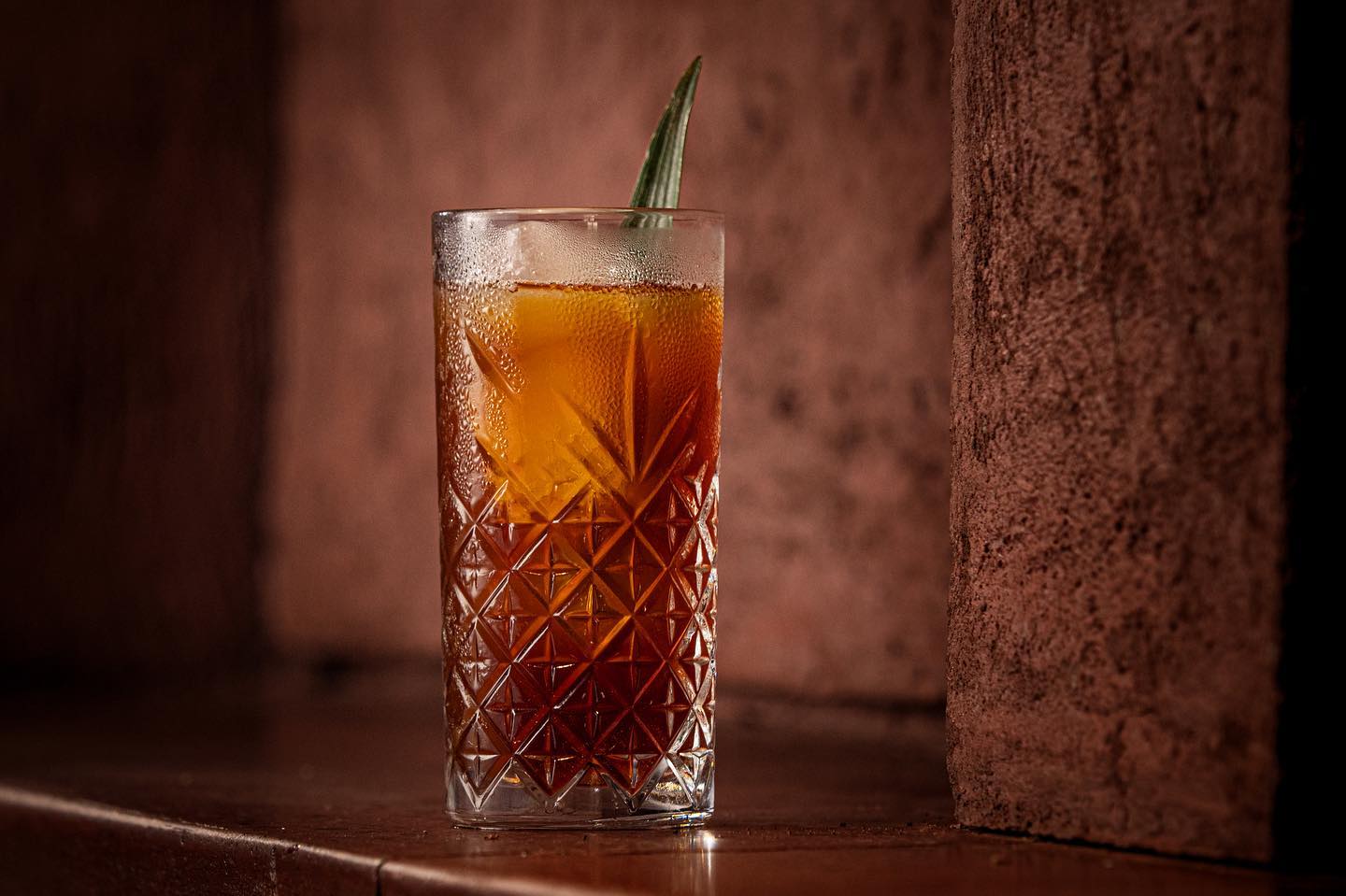
vermouth_spritz_with_pet_nat
Know before you go
Know Before You Go
- Getting there
- Tonalá 23, Roma Nte., Cuauhtémoc, 06700 Ciudad de México, CDMX, Mexico
Planning details
Location
Tonalá 23, Roma Nte., Cuauhtémoc, 06700 Ciudad de México, CDMX, Mexico · Directions
Recognition and awards

Also consider
Also Consider
- Maison Artemisia, Notable alternative
- Café Paraíso, Notable alternative
- Departamento, Notable alternative
- Tierras de Uva, Notable alternative
- Tierra Seca - MEZCALERIA, Notable alternative
Bar context
How Loup Bar compares in Mexico City
Choose Loup Bar when the brief is a Roma Norte wine-focused date night with low booking friction. Against Maison Artemisia and Café Paraíso, its clearest edge is the Star Wine List recognition and the practical fit for a two-person stop rather than a scene-driven night.
If the evening needs more energy, Departamento is the more obvious cross-shop. If the drinking plan is specifically wine education or bottle-led browsing, compare closely with Tierras de Uva. For agave spirits, Tierra Seca - MEZCALERIA is the cleaner fit than forcing Loup Bar into a mezcal-night role.
Value is hard to judge without a published price tier, so the decision should hinge on format: Loup Bar for an easy, wine-led Roma Norte date; Departamento for a livelier plan; Tierras de Uva for a more direct wine comparison; Tierra Seca - MEZCALERIA when mezcal is the point of the night.
Explore Mexico City
Around this place
Discover more on Pearl
Unlock the full Loup Bar guide in Pearl, including awards, comparisons, FAQs, planning details, and nearby places.
Compare Loup Bar
| Venue | Location | Awards |
|---|---|---|
| Loup Bar | Mexico City | Star Wine Lists 2026 |
| Maison Artemisia | Mexico City | No published awards |
| Café Paraíso | Mexico City | No published awards |
| Departamento | Mexico City | No published awards |
| Tierras de Uva | Mexico City | No published awards |
| Tierra Seca - MEZCALERIA | Mexico City | No published awards |
How Loup Bar Mexico City compares with similar nearby venues.
FAQ
Frequently Asked Questions
What's the best time to go to Loup Bar?
Loup Bar opens at 2 PM daily. It closes at 10 PM on Mon-Wed and Sun, and at 11 PM on Thu-Sat, so plan for an afternoon or evening visit rather than a very late night.
Is Loup Bar open late?
Only modestly late: Thu-Sat it stays open until 11 PM, while Mon-Wed and Sun close at 10 PM. It is better treated as an afternoon or evening bar than an after-hours stop.
What is Loup Bar known for?
Loup Bar has Star Wine List recognition for 2026. The dress code is smart casual.