Dry Point Distillers
Mesilla
Bar in Mesilla, United States
 Book with Pearl
The Read
Price
$20–30per person
Why go
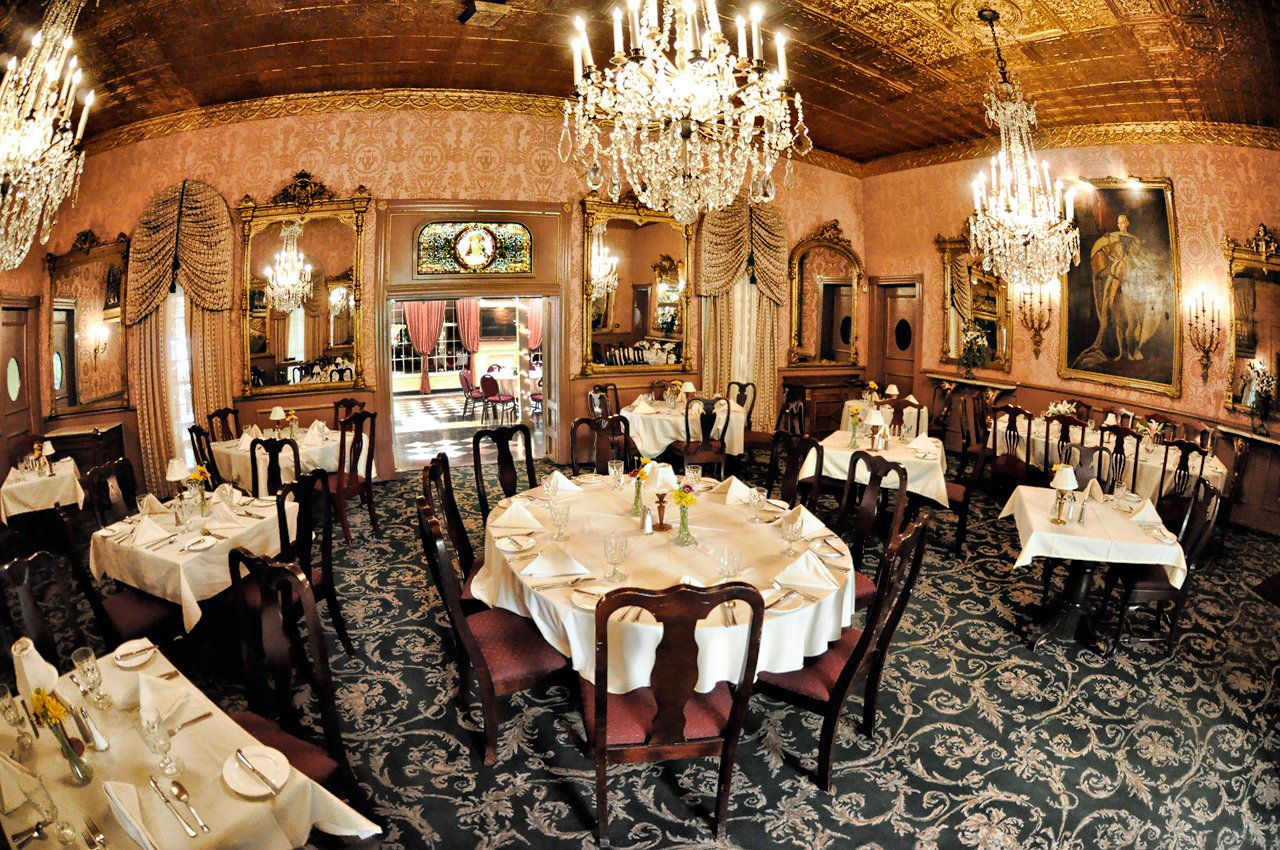
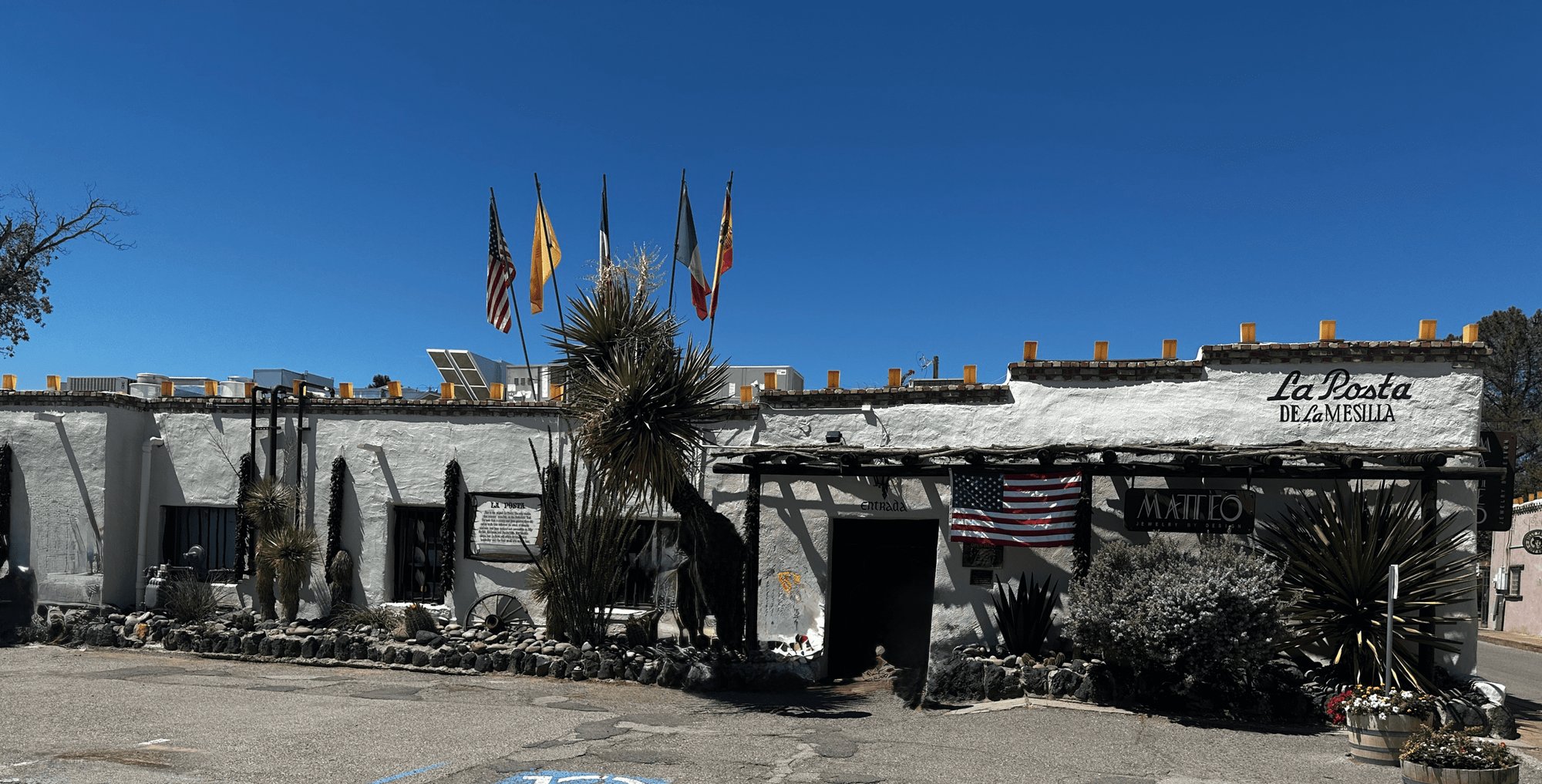
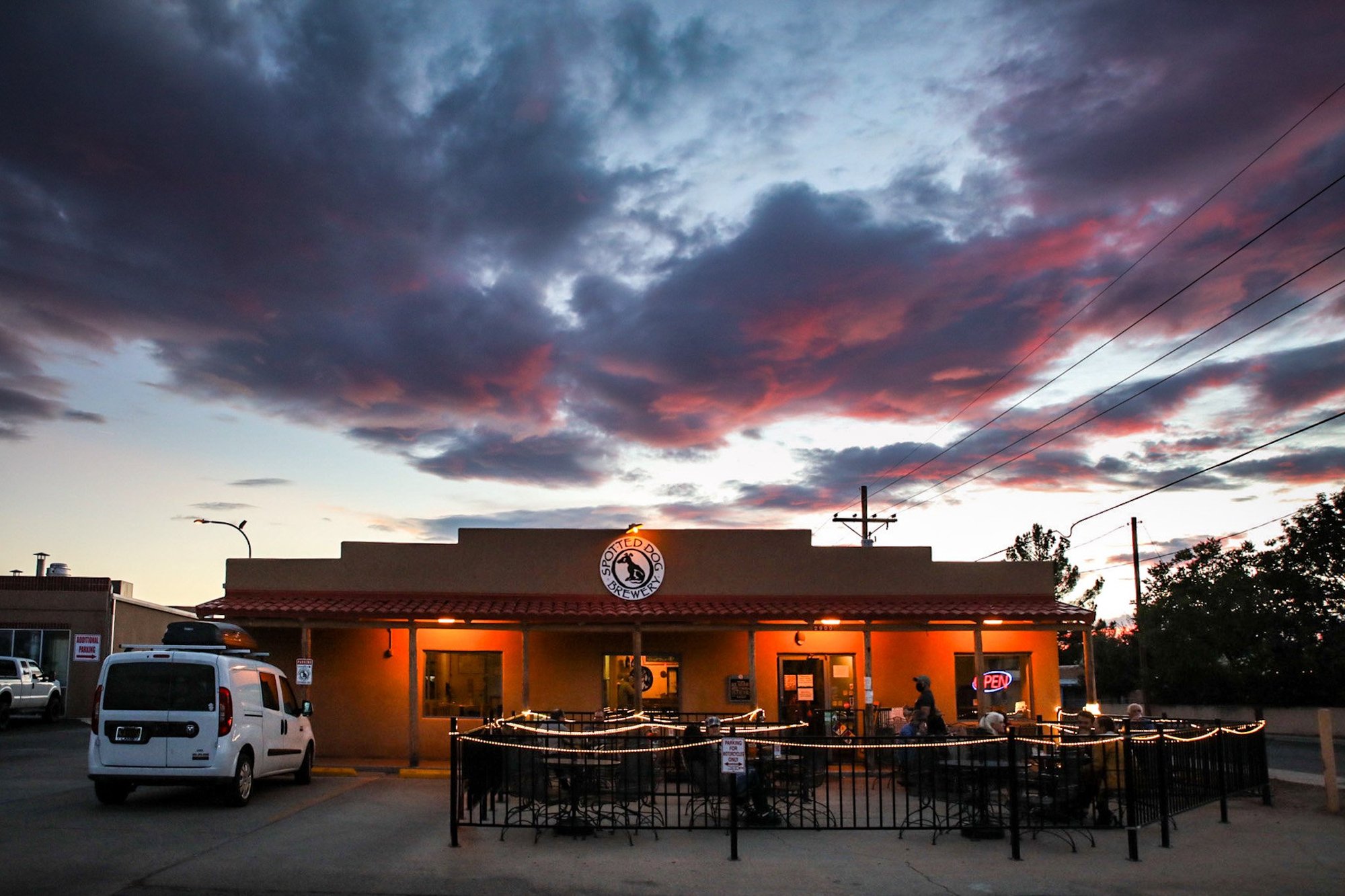
Dry Point Distillers is the Mesilla pick when the plan is built around local spirits rather than a full restaurant meal. Use it as an early-evening drinks stop, especially for couples or small groups, then cross-shop Double Eagle Restaurant, La Posta De Mesilla, or Spotted Dog Brewery depending on whether dinner or beer matters more.
About Dry Point Distillers
Dry Point Distillers is a Mesilla venue with a simple profile: casual dress and evening hours from Wednesday through Saturday. It is closed Monday, Tuesday, and Sunday, so it belongs on plans for the middle or end of the week rather than a Sunday-to-Tuesday outing.
Use the hours first, then decide whether it fits the timing of your Mesilla night.
A Mesilla stop with Wednesday-to-Saturday evening hours
Dry Point Distillers is open Wednesday and Thursday from 4–10 PM, and Friday and Saturday from 4–11 PM. The dress code is casual. The listed schedule does not include lunch service or Monday, Tuesday, or Sunday hours.
If you are comparing options in and around Mesilla, you may also want to look at Double Eagle Restaurant, La Posta De Mesilla, or Spotted Dog Brewery. Dry Point Distillers is best evaluated on the basics: Mesilla location, casual dress, and evening listed hours.
How to use it in a Mesilla night out
Plan around the posted schedule. Wednesday and Thursday visits need to fit between 4–10 PM, while Friday and Saturday give one extra hour, from 4–11 PM. Since the schedule does not include lunch service, it should not be treated as a daytime option.
If the visit is part of a broader Mesilla plan, compare Dry Point Distillers with Double Eagle Restaurant, La Posta De Mesilla, Spotted Dog Brewery, Salud! de Mesilla, or Pho A Dong Restaurant based on your timing and plans.
Planning details
- Location
- 1680 Calle De Alvarez # C, Las Cruces, NM 88005, USA
- Website
- drypointdistillersnm.com
- Phone
- +1 575 652 3414
The take
The Take
The Vibe
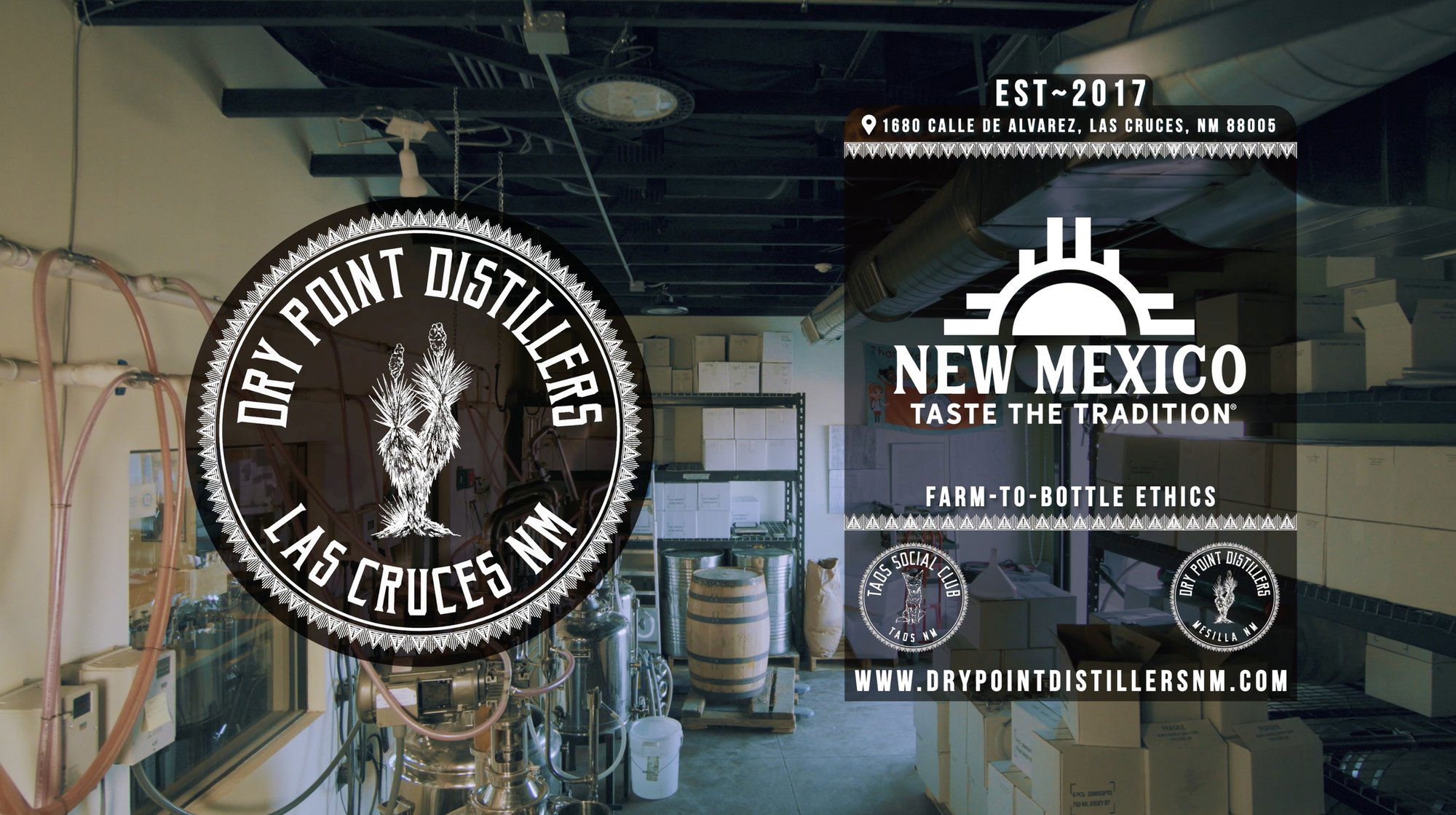
Dry Point Distillers reads like a working workshop rather than a staged tasting room. The still dominates the floor and the space registers as production-first: you notice the faint sweetness of fermentation, the warm metallic presence of copper, and the ambient hum of equipment actually in use. Located just outside Mesilla’s historic plaza but set in an industrial-leaning corridor, the distillery leans utilitarian and unpretentious. Visitors encounter craft at the point of manufacture; hospitality is present but secondary, so the mood is hands-on and unvarnished rather than polished or theatrical.
Best For
This is a stop for people who care about how spirits are made: small-batch enthusiasts, curious travelers exploring the Mesilla Valley, and visitors who appreciate production-focused environments. Because the operation is production-forward rather than retail-forward, it suits guests who enjoy sensory context: the smells, sounds, and machinery of distilling. It’s less about cocktail frills and more about understanding place and process, so expect a straightforward, workshop-like visit rather than a glossy tasting-room experience.
Venue details
Ambiance
Laid-back Southwest environment with live succulents, animal skull mounts, and a relaxed tasting room.
Tags
Vibe
Best For
Experience
Format
At the Bar
- Bar Category
- Cocktail Bar
- Late Night
- Closes by Midnight
- Music
- Live Music
- Live Music
- Yes
- Spirits Focus
- Gin, Bourbon, Vodka, Agave
Signature Pours
- The Fitzgerald
- Blue Corn Bourbon Old Fashioned
Know before you go
Know Before You Go
- Getting there
- 1680 Calle De Alvarez # C, Las Cruces, NM 88005, USA
Planning details
Location
1680 Calle De Alvarez # C, Las Cruces, NM 88005, USA · Directions
Also consider
Also Consider
- Salud! de Mesilla, Notable alternative
- Double Eagle Restaurant, Notable alternative
- La Posta De Mesilla, Notable alternative
- Spotted Dog Brewery, Notable alternative
- Pho A Dong Restaurant, Notable alternative
Bar context
How it compares in Mesilla
Dry Point Distillers is the spirits-first choice in this set. Choose it when the night is about cocktails or tasting-room energy rather than a full meal. Salud! de Mesilla and Pho A Dong Restaurant sit outside the immediate Mesilla decision for most visitors, so they make less sense if location convenience is the priority.
For a dinner-led evening, Double Eagle Restaurant and La Posta De Mesilla are safer primary bookings because the experience is structured around food and a longer sit-down meal. Dry Point Distillers is better as the before-or-after stop, especially if the group wants a drinks-focused room without turning the night into a full restaurant commitment.
If value means casual pacing and beer over spirits, Spotted Dog Brewery is the more relaxed cross-shop. If value means a more distinctive drinks identity, Dry Point Distillers has the clearer reason to go. Pick the distillery for a tighter, spirits-led night; pick the restaurant peers when food, larger groups, or a longer table are the main need.
Explore Mesilla
Around this place
Discover more on Pearl
Unlock the full Dry Point Distillers guide in Pearl, including awards, comparisons, FAQs, planning details, and nearby places.
Compare Dry Point Distillers
| Venue | Location | Awards |
|---|---|---|
| Dry Point Distillers | Mesilla | No published awards |
| Salud! de Mesilla | Las Cruces | No published awards |
| Double Eagle Restaurant | Mesilla | No published awards |
| La Posta De Mesilla | Mesilla | No published awards |
| Spotted Dog Brewery | Mesilla | No published awards |
| Pho A Dong Restaurant | Las Cruces | No published awards |
How Dry Point Distillers Mesilla compares with similar nearby venues.
FAQ
Frequently Asked Questions
Is Dry Point Distillers open late?
Dry Point Distillers is open Wednesday and Thursday from 4–10 PM, then Friday and Saturday from 4–11 PM. It is closed Monday, Tuesday, and Sunday.
Is Dry Point Distillers good for a date?
If ambiance or seating matters, check directly. If the hours work for your plan, Dry Point Distillers is a casual Mesilla option, and you can compare it with Double Eagle Restaurant or La Posta De Mesilla for the rest of the evening.
Is the food good at Dry Point Distillers?
If food is central to the plan, check directly and compare Dry Point Distillers with other options such as Salud! de Mesilla, Double Eagle Restaurant, or Pho A Dong Restaurant.
Is Dry Point Distillers good for groups?
Check directly about group seating or reservations if you are planning for a group, and compare timing with other options such as Spotted Dog Brewery or other Mesilla dining.