Mariscos Cazo de Oro Estilo Sinaloa
Downtown Mesa, Mesa
Bar in Mesa, United States
 Book with Pearl
Why go
A casual Mesa pick for a seafood-led date night when Sinaloa-style mariscos sound better than a polished dining room. Choose it for a relaxed two-person meal where the food category is the point; cross-shop cocktail bars or arcade bars if the night needs more atmosphere or built-in activity.
About Mariscos Cazo de Oro Estilo Sinaloa
Mariscos Cazo de Oro Estilo Sinaloa is a casual option in Mesa with hours that make it workable for daytime, dinner, and later evening plans on its open days. It is closed Monday, open Tuesday through Saturday from 10 AM to 10 PM, open Sunday from 9 AM to 10 PM, and has a casual dress code.
The safest recommendation is about fit rather than hype. Choose it when you want a relaxed Mesa stop and the schedule works for your plan; look elsewhere if the night depends on a formal setting, a special menu, or a documented drinks program.
Better for a casual plan than a dressed-up celebration
For two people, the clearest advantage is simplicity. The casual dress code supports a low-pressure meal, and the 10 PM closing time on open days gives some flexibility for dinner. Sunday also starts earlier, at 9 AM, while Monday is closed.
It is less convincing as a high-stakes recommendation if you need details such as awards, price point, seating style, allergy accommodations, takeout, delivery, or a specific menu format. In that case, cross-shop the broader Mesa scene through our full Mesa restaurants guide, or look at other options in our full Mesa bars guide if the night needs a separate pre- or post-dinner stop.
Where it fits in a Mesa night out
The clearest use case is a casual Mesa meal when the posted hours line up with your plans. If you are comparing other ideas, you might also consider Level 1 Arcade Bar, Arizona Distilling Co. Tacos Chiwas, Guadalupe On Main, or Oro Brewing Company depending on the kind of stop you want.
Pick Mariscos Cazo de Oro Estilo Sinaloa when a casual dress code and the schedule are enough to make the plan work. Skip it when you need a venue with formal service details, a documented beverage program, or stronger public recognition. For a broader Mesa itinerary, pair the decision with our full Mesa hotels guide, our full Mesa experiences guide, or our full Mesa wineries guide.
Planning details
- Location
- 1002 E Main St, Mesa, AZ 85203
- Website
- cazodeoro.square.site
- Phone
- +1 480 649 4322
The take
The Take
The Vibe
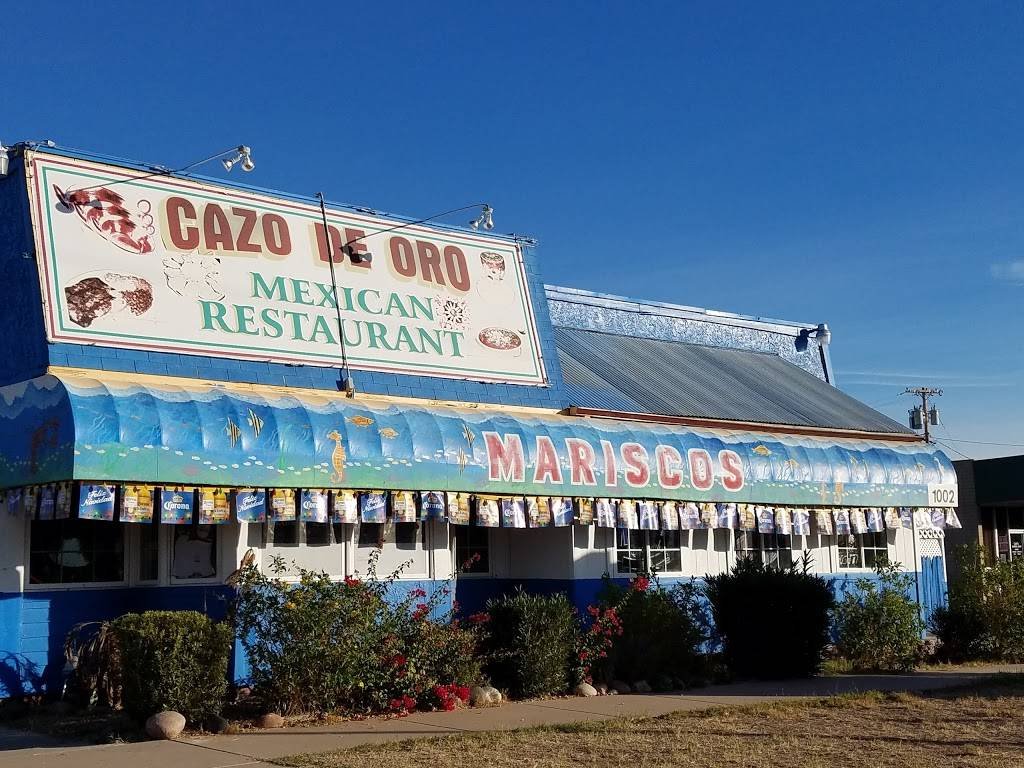
Mariscos Cazo de Oro Estilo Sinaloa presents a no-frills, food-forward personality rooted in regional tradition. The dining room feels functional and family-run rather than design-driven; the signage’s explicit 'Estilo Sinaloa' is a promise the kitchen keeps. Regulars and newcomers come for precise Sinaloa-style cold preparations and cured seafood, not to be seen in a trend-forward interior. The atmosphere reads casual and animated—an earnest neighborhood seafood spot where the focus is on technique, balance and the canonical flavors of Culiacán and Mazatlán rather than décor or theatre.
Best For
This is a place for people who prioritize authentic food over formality. It suits casual hangouts, family outings and small groups who want to share plates of mariscos and sample several cold preparations together. The menu’s logic—cold dishes presented early—lends itself to communal ordering and passing plates around the table, so come prepared to eat family-style. Locals and curious visitors alike use East Main as a destination for regional Mexican seafood traditions, making it a reliable spot for attentive, unpretentious meals at lunch or dinner.
Ordering Tips
Treat the menu like a Sinaloa primer: start with the cold side. Aguachile and other cured or ceviche-style preparations are central; the write-up notes that aguachile is commonly served early and that heat and acid balance vary by cook and customer preference. Ask your server about spice levels and how the kitchen balances lime and chile, and order a few cold plates to share so everyone can taste different compositions of shrimp, shellfish and cured proteins. Prioritize the regionally specific preparations if you want the clearest expression of Estilo Sinaloa.
Venue details
Ambiance
Very loud atmosphere with 80's music, karaoke, and live entertainment.
Tags
Vibe
Best For
Experience
At the Bar
- Bar Category
- Lounge
- Late Night
- Closes by 10pm
- Music
- 80's Music and Karaoke
- Live Music
- Yes
Know before you go
Know Before You Go
- Getting there
- 1002 E Main St, Mesa, AZ 85203
Planning details
Location
Also consider
Also Consider
- Guadalupe On Main, Notable alternative
- Level 1 Arcade Bar, Notable alternative
- Tacos Chiwas, Notable alternative
- Arizona Distilling Co., Notable alternative
- Oro Brewing Company, Notable alternative
Bar context
How it compares in Mesa
Choose Mariscos Cazo de Oro Estilo Sinaloa when seafood is the reason for going out. Compared with Tacos Chiwas, it is the better fit for a mariscos craving, while Tacos Chiwas is the safer move for a quick, taco-centered meal with less decision-making at the table.
For date-night energy, Level 1 Arcade Bar is stronger if the plan needs an activity after the first round of conversation. Arizona Distilling Co. is a better pick when drinks are the anchor, especially for a two-person evening that starts with cocktails rather than dinner.
Guadalupe On Main and Oro Brewing Company are easier cross-shops when the group wants a more general night out. This venue makes the most sense for diners who already want Sinaloa-style seafood and do not need the venue itself to supply the whole evening.
Explore Mesa
Around this place
Discover more on Pearl
Unlock the full Mariscos Cazo de Oro Estilo Sinaloa guide in Pearl, including awards, comparisons, FAQs, planning details, and nearby places.
Compare Mariscos Cazo de Oro Estilo Sinaloa
| Venue | Location | Awards |
|---|---|---|
| Mariscos Cazo de Oro Estilo Sinaloa | Mesa | No published awards |
| Guadalupe On Main | Mesa | No published awards |
| Level 1 Arcade Bar | Mesa | No published awards |
| Tacos Chiwas | Mesa | No published awards |
| Arizona Distilling Co. | Mesa | No published awards |
| Oro Brewing Company | Mesa | No published awards |
How Mariscos Cazo de Oro Estilo Sinaloa Mesa compares with similar nearby venues.
FAQ
Frequently Asked Questions
What's the crowd like at Mariscos Cazo de Oro Estilo Sinaloa?
The dress code is casual, so plan for a relaxed Mesa setting rather than a formal dining room. It is open Tue-Sat from 10 AM to 10 PM, Sunday from 9 AM to 10 PM, and closed Monday.
Is Mariscos Cazo de Oro Estilo Sinaloa open late?
It is open until 10 PM on its open days. The schedule is Tue-Sat from 10 AM to 10 PM, Sunday from 9 AM to 10 PM, and Monday closed.
Is the food good at Mariscos Cazo de Oro Estilo Sinaloa?
Use the hours and casual dress code as the reliable planning details, and check current menus or recent customer feedback before you go.
Is Mariscos Cazo de Oro Estilo Sinaloa good for a date?
It can fit a low-key date if you want a casual Mesa stop and the hours work for your plan. For a different kind of outing, you might also compare Oro Brewing Company, Arizona Distilling Co. Guadalupe On Main, Tacos Chiwas, or Level 1 Arcade Bar.