
Bar in Mendoza, Argentina
SushiClub Mendoza Centro
100ptsArgentine Horizontal Sushi
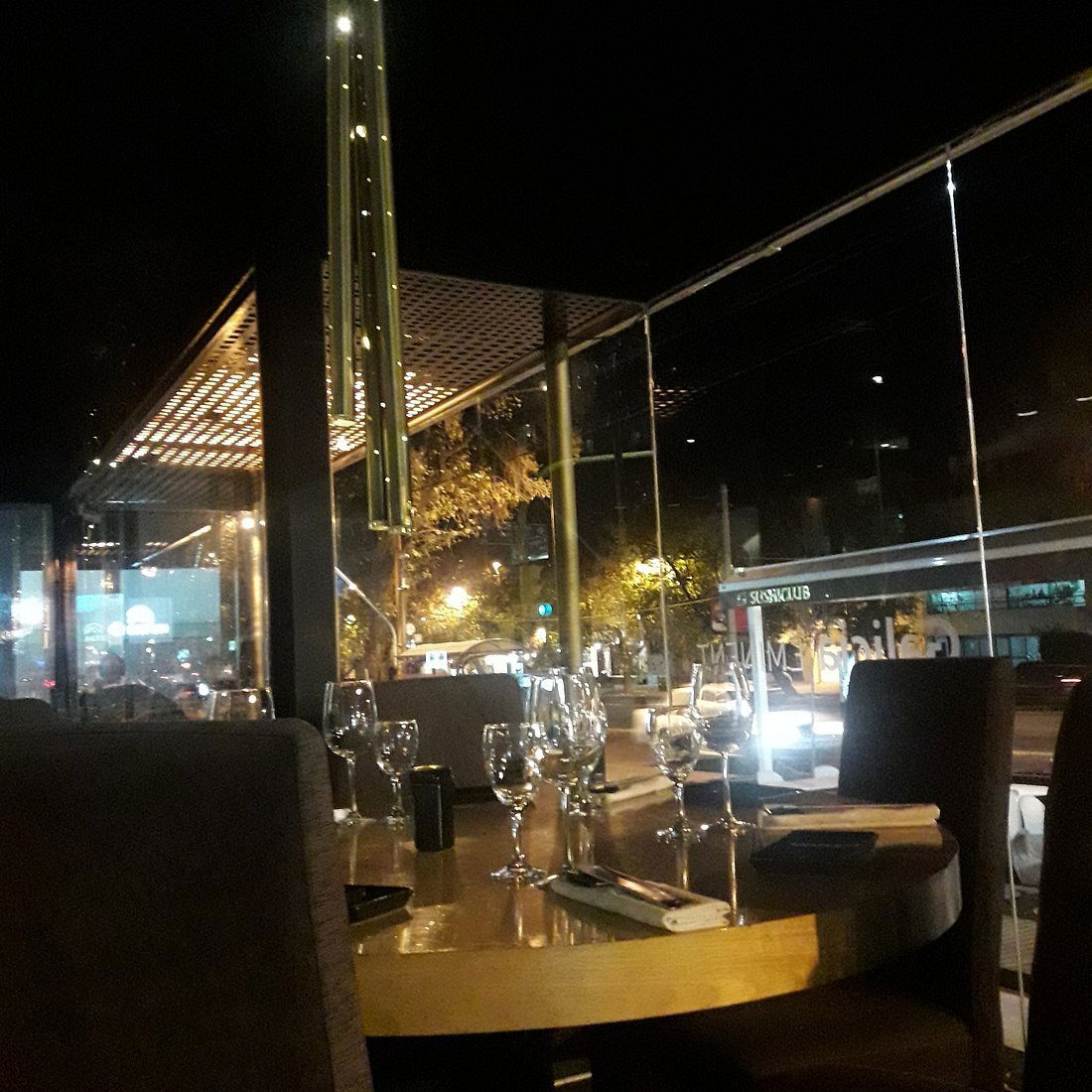
About SushiClub Mendoza Centro
SushiClub Mendoza Centro occupies a distinct position on Avenida Belgrano, bringing a Japanese-influenced menu format to a city better known for Malbec and asado. The format sits inside Argentina's broader sushi-bar expansion, which has reached wine country with a particular logic: precision-driven raw preparations pair surprisingly well with the Andean white and sparkling wines now appearing on local lists.
Sushi in Wine Country: The Unlikely Fit That Works
Argentina's sushi culture arrived in Buenos Aires in the 1990s, built largely on Japanese-Brazilian immigration routes and an urban appetite for raw-fish formats that felt foreign and modern at the same time. What followed over the next two decades was a quiet nationalisation of the format. By the time sushi bars appeared in provincial capitals like Mendoza, the menu structure had already been adapted to local tastes: broader rolls, occasional chimichurri-adjacent condiments, and wine lists that lean on the region rather than defaulting to sake. SushiClub Mendoza Centro, located at Av. Belgrano 1112 in the Residencial Sur area, sits inside that adaptation story rather than outside it.
The address is worth noting. Avenida Belgrano is a working arterial road rather than a tourist-polished strip, which places this venue closer to where Mendocinos actually eat than where visitors are typically steered. That positioning, intentional or not, says something about the format's integration into everyday urban dining in Argentine wine country.
How the Menu Architecture Reads
Argentine sushi menus, across the category, tend to be structured horizontally rather than through a vertical omakase logic. Where Tokyo's counter tradition builds a sequence with the chef controlling pace and selection, the South American model typically offers a wide grid: nigiri, maki, temaki, uramaki, and often a set of fusion rolls that blend local ingredients or sauces into the format. The diner navigates this grid rather than surrendering to it.
This architecture reflects the social dining culture of Argentina, where the table controls the tempo and shared plates are the default register. A menu built as a grid of options supports the kind of ordering ritual that Argentines bring to any table: discussion, negotiation, multiple rounds. It is a different experience from the silence and deference of a counter-service omakase, and it makes no pretence of being otherwise.
What this format does well is breadth. A table can move across temperature, texture, and flavour register within a single meal without a fixed sequence forcing the pace. The risk, common across the category, is that the width of the menu can dilute the kitchen's focus. The venues that manage this most successfully tend to anchor the list around a smaller set of preparations done with consistent precision, using the surrounding options as context rather than the main event.
Mendoza's Dining Scene as Context
Mendoza's restaurant culture is shaped by two competing forces: the wine tourism infrastructure that pulls visitors toward bodegas and paired-menu experiences, and a local population that eats out frequently and has developed its own preferences independent of that infrastructure. The city's most interesting dining is often found at the intersection, where kitchens serve both audiences without compromising for either.
The sushi format lands in an interesting position within this. It is neither a bodega restaurant nor a traditional Argentine parrilla, which means it competes on its own terms. Visitors looking for local colour sometimes pass it by; regulars who want something precise and lighter than the red-meat-and-red-wine default have made the format part of their rotation. In Mendoza's central neighbourhoods, you'll find that dynamic playing out across several dining categories. [Azafran](https://www.enprimeurclub.com/bars/azafran-mendoza-bar) represents the wine-pairing end of the spectrum, while [Antares Mendoza](https://www.enprimeurclub.com/bars/antares-mendoza-mendoza-bar) and [Bianco & Nero Arístides](https://www.enprimeurclub.com/bars/bianco-nero-aristides-mendoza-bar) show different angles on the craft-beverage side. SushiClub fills a separate lane entirely.
For wine-focused visitors spending time between bodega visits, the pairing logic is worth thinking through. Mendoza's Torrontés and high-altitude Chardonnays, along with the sparkling wines coming out of regions like Luján de Cuyo, interact well with soy-and-citrus-dressed raw fish in ways that local sommeliers have begun to take seriously. The [Ampora Wine Tours](https://www.enprimeurclub.com/bars/ampora-wine-tours-mendoza-bar) crowd, returning from afternoon tastings in the foothills, represents exactly the audience that arrives at a sushi counter ready for something clean and acid-driven.
Drinks, Cocktails, and the Local List
Across Argentine sushi venues, the drinks program tends to mirror the menu's hybrid logic. Beer is common, sake occasionally appears at the more serious end of the market, but the majority of orders land on wine or cocktails. In Mendoza specifically, the wine list at any serious restaurant carries the weight of the region's identity, and sushi bars are not exempt from that expectation.
Cocktail programs at venues in this category typically lean on local spirits and familiar international formats, with the occasional Japanese-inflected build, a yuzu sour or a shiso-modified highball, appearing as a signal of category awareness. The cocktail conversation in Argentina's more sophisticated bar culture has moved toward technique and local ingredients, as tracked at venues like [878 Bar in Buenos Aires](https://www.enprimeurclub.com/bars/878-bar-buenos-aires). In Mendoza itself, the craft cocktail conversation is active enough that a venue at this address would be expected to carry at least a short list of considered builds. Globally, reference-point programs at places like [Kumiko in Chicago](https://www.enprimeurclub.com/bars/kumiko), [Bar Leather Apron in Honolulu](https://www.enprimeurclub.com/bars/bar-leather-apron-honolulu), [Jewel of the South in New Orleans](https://www.enprimeurclub.com/bars/jewel-of-the-south-new-orleans), and [Julep in Houston](https://www.enprimeurclub.com/bars/julep-houston) demonstrate how seriously cocktail architecture can be approached when the intent is there. The local version of that ambition will vary by kitchen priority and market.
Placing This in the Broader Argentine Sushi Tier
The Argentine sushi category has stratified over the past decade. At the upper end, Buenos Aires venues have moved toward smaller formats, Japanese-trained kitchen teams, and premium imported fish. At the accessible mid-market level, which is where most provincial-city venues operate, the emphasis is on volume of choice, consistent execution, and a price point that makes the format usable on a regular basis rather than reserved for occasions.
SushiClub as a brand, operating across multiple Argentine cities, positions within that mid-market tier with a format designed for reliability and scale. The Mendoza Centro location extends that logic into wine country. For visitors accustomed to the Buenos Aires sushi scene, the register will feel familiar. For those arriving from the bodega circuit, it offers a different kind of precision than the slow-roasted and red-wine-matched approach that defines most of the region's prestige dining.
Travellers exploring the wider Argentine wine circuit can extend the context: [Colomé Winery in Molinos](https://www.enprimeurclub.com/bars/colome-winery-molinos-bar) and [Chato's Wine Bar in Cafayate](https://www.enprimeurclub.com/bars/chatos-wine-bar-cafayate-bar) represent the Salta end of the high-altitude wine argument, a useful counterpoint to what Mendoza's piedmont produces. For the full picture of where SushiClub sits within Mendoza's eating and drinking options, the [EP Club Mendoza restaurants guide](https://www.enprimeurclub.com/cities/mendoza) maps the relevant peer set.
Planning Your Visit
SushiClub Mendoza Centro is located at Av. Belgrano 1112 in the Residencial Sur neighbourhood, reachable on foot from central Mendoza or by a short taxi or remis ride from the main hotel district around Sarmiento and the park. As with most mid-market Argentine restaurants, arriving between 9pm and 10pm on weekends aligns with the local dining tempo rather than working against it. Booking ahead for Friday and Saturday evenings is the standard practice across the city's busier venues. Current hours, pricing, and booking options are leading confirmed directly, as these details are subject to change and are not verified in EP Club's current database.
Frequently Asked Questions
- What cocktail do people recommend at SushiClub Mendoza Centro?
- The cocktail list at Argentine sushi venues in this tier typically includes a short selection of house builds alongside beer and a local wine list. Given Mendoza's identity as a wine region, the most consistent recommendation from regulars tends to be a glass from the regional list rather than a cocktail, though citrus-forward builds and lighter spirit options appear on most menus in the category. Specific cocktail details for SushiClub Mendoza Centro are not verified in EP Club's current database; the venue's own list is leading checked on arrival or by contacting the restaurant directly.
- Why do people go to SushiClub Mendoza Centro?
- The draw is direct: in a city where most prestige dining gravitates toward bodega-adjacent tasting menus and traditional parrilla, a sushi format offers a lighter, more individually paced alternative. The Av. Belgrano location serves a local clientele as much as a tourist one, and the pricing within the Argentine mid-market sushi tier makes it accessible for regular use rather than occasional visits. For visitors, it fills the gap between the heavy red-meat-and-Malbec circuit and something more varied in texture and flavour register.
- How does SushiClub Mendoza Centro fit into Argentina's broader sushi category?
- SushiClub operates as a multi-city Argentine brand, placing its Mendoza Centro location within a recognisable national format: wide-menu, grid-structured ordering, and a mid-market price tier designed for regular dining rather than special-occasion eating. This positions it differently from the smaller, more specialised sushi counters that have emerged in Buenos Aires over the past decade, and it reflects the way Japanese-influenced formats have been adapted to Argentine social dining culture, where table control and shared ordering are the norm. The Mendoza location extends that model into a wine-tourism city where the category sits alongside, rather than in competition with, the dominant bodega-restaurant circuit.
Related editorial
- Best Fine Dining Restaurants in ParisFrom three-Michelin-star icons to the next generation of Parisian chefs pushing boundaries, these are the restaurants that define fine dining in the world's culinary capital.
- Best Luxury Hotels in RomeFrom rooftop terraces overlooking ancient ruins to Michelin-starred hotel dining, these are the luxury hotels that make Rome unforgettable.
- Best Cocktail Bars in KyotoFrom sleek lounges to hidden speakeasies, Kyoto's cocktail scene blends Japanese precision with global influence in ways you won't find anywhere else.
Save or rate SushiClub Mendoza Centro on Pearl
Keep this venue in your Pearl passport, rate it after you visit, and track it alongside every other place you collect.