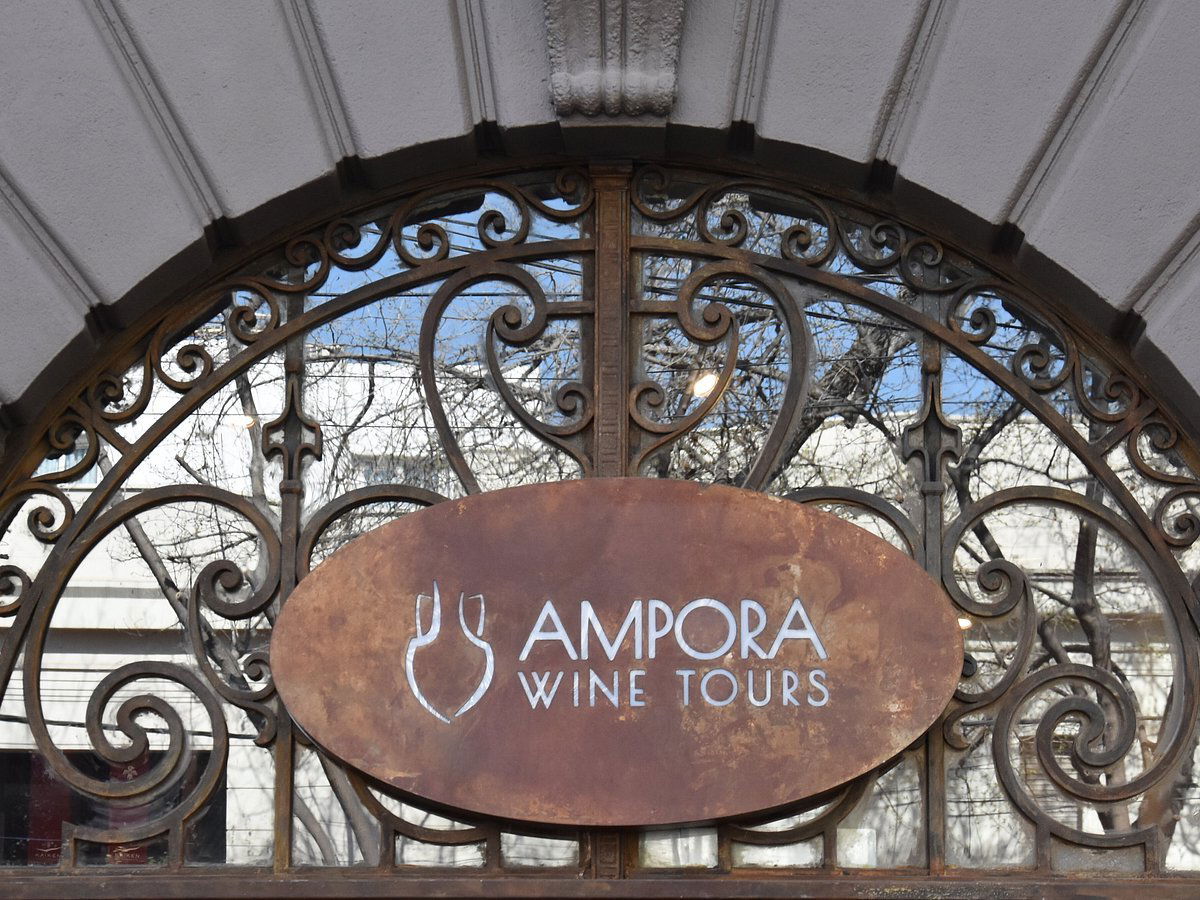
Ampora Wine Tours
Centro, Mendoza
Bar in Mendoza, Argentina
 Book with Pearl
Why go
Book Ampora Wine Tours if the goal is Mendoza wine orientation before dinner, not a late-night drinking room. It is better for first-time visitors who want structure around the city's wine scene than for groups looking for a bar atmosphere. Cross-shop UVAS Lounge & Bar, VinoBien, Lucky Seven, or Antares Mendoza if the evening plan centers on drinks rather than tour planning.
About Ampora Wine Tours
Ampora Wine Tours is a Mendoza venue. The clearest planning details are its weekday afternoon-to-evening hours and smart-casual dress code. These points are useful, but they also define the safest way to think about the venue: as an option to place carefully into an itinerary, rather than one to judge from assumptions. Use those facts to decide whether it fits the shape of your plans, and confirm any service details directly with the venue before making firm commitments.
The operating window is Monday through Friday from 2–8 PM, with Saturday and Sunday closed. That makes Ampora Wine Tours easier to consider for an afternoon or early-evening Mendoza plan than for a late-night stop, a weekend outing, or a flexible after-dinner option. Beyond its hours and dress code, specific details about format, pricing, menus, capacity, or booking requirements should not be assumed. The exact structure, inclusions, and practical logistics still need direct confirmation before you organize around it.
Better before dinner than after-hours
If the plan needs a Mendoza stop earlier in the day, Ampora Wine Tours may fit the schedule because its hours run from 2–8 PM on weekdays. That window can work for visitors trying to anchor the afternoon, leave room for later plans, or avoid relying on a venue without late-night availability. If the group wants a later bar or restaurant plan, UVAS Lounge & Bar, Azafran, Lucky Seven, or Antares Mendoza may be worth comparing, depending on the kind of evening the group wants.
Ampora Wine Tours is a Mendoza option with weekday afternoon and early-evening availability, but not late-night hours. That distinction matters if the rest of the itinerary is already tight, because a 2–8 PM window rewards earlier planning and leaves less room for a spontaneous late arrival. The dress code is smart casual, which gives visitors a general signal about how polished to keep the plan without implying anything further about the experience. Other details should be checked directly rather than inferred from the name or from nearby dining and bar options.
Who should choose it, and who should cross-shop
Choose Ampora Wine Tours if its Mendoza location, smart-casual dress code, and Monday-to-Friday 2–8 PM hours match your schedule. It is best approached as a practical fit question: does the timing work, and are you comfortable confirming the remaining details before committing? Cross-shop VinoBien if you are comparing another Mendoza option. Pick Antares Mendoza if that venue better matches the group's plans, especially when the surrounding evening is the priority. Use our full Mendoza restaurants guide and our full Mendoza bars guide to build the surrounding itinerary and decide where Ampora Wine Tours belongs in the broader plan.
Planning details
- Location
- Av. Sarmiento 647, M5500 Mendoza, Argentina
- Website
- mendozawinetours.com
- Phone
- +54 261 681 9171
The take
The Take
The Vibe
Ampora Wine Tours presents a focused, curator-led approach to Mendoza wine travel rather than a tasting-room or hospitality venue vibe. Based in the city center, the operator emphasizes carefully chosen itineraries, cellar access and context-driven tastings that highlight altitude and terroir differences. The tone is professional and instructive: guests encounter informed guidance about producers and sites rather than a high-volume, generic tour. The experience feels purposeful and educational, tailored to travellers who want depth and selective access to noteworthy cellars across regions like Luján de Cuyo and the Uco Valley.
Best For
Ampora is best for visitors who prioritize learning and selective access over a casual self-guided winery crawl. It suits groups and celebratory parties that value curated logistics and deeper tastings, as well as travellers seeking a specialized, context-rich introduction to Mendoza’s key subregions. Rather than being a drop-in tasting room, the operator works well for anyone who prefers a pre-planned itinerary that maximizes meaningful cellar visits and explains distinctions—particularly altitude-driven differences in Malbec—so it’s ideal for curious wine lovers, small groups and those marking a special occasion with a memorable tasting program.
Ordering Tips
Book with Ampora when you want a curated, pre-selected route instead of improvising with a rental car and map. Ask specifically about itinerary focus—which subregions are included and whether visits emphasize cellar access or estate context—and request tastings that discuss altitude and stylistic differences (for example, Uco Valley versus Luján de Cuyo Malbec). Because the operator markets itself on curation and access, confirm how many wineries are visited, the depth of the tastings, and any transport or entry logistics so you get the focused educational experience the description promises.
Venue details
Ambiance
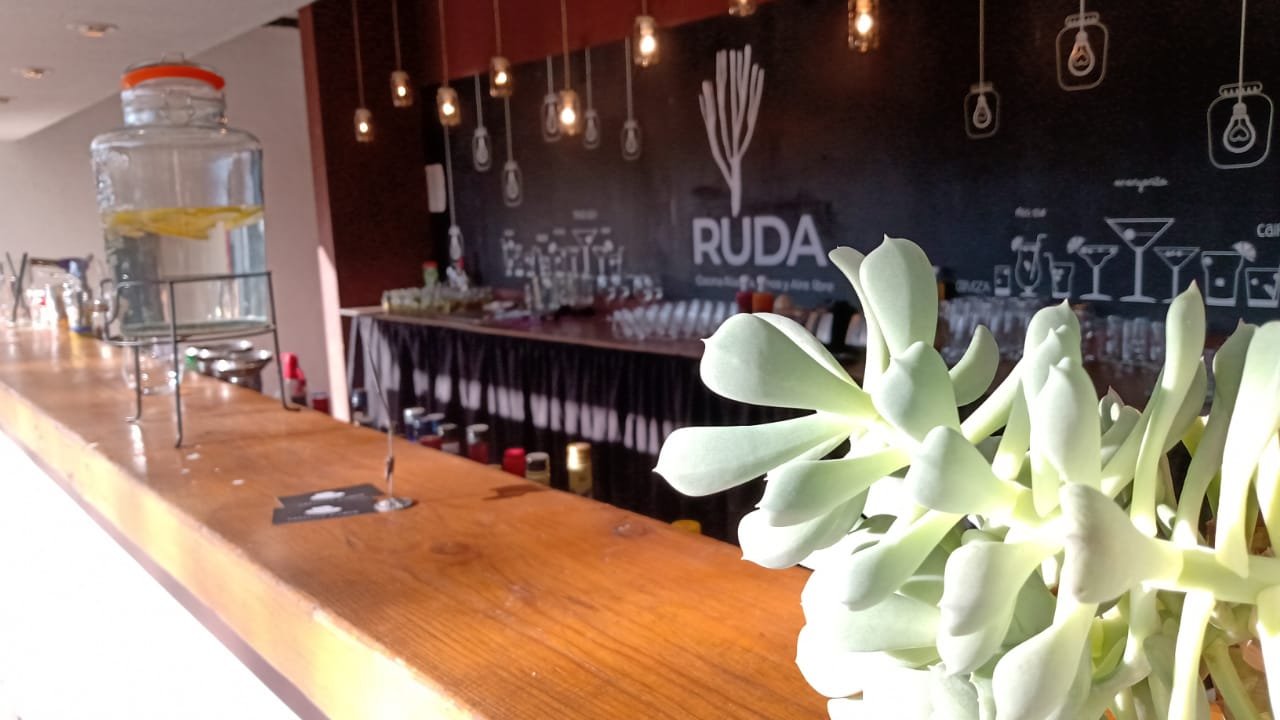
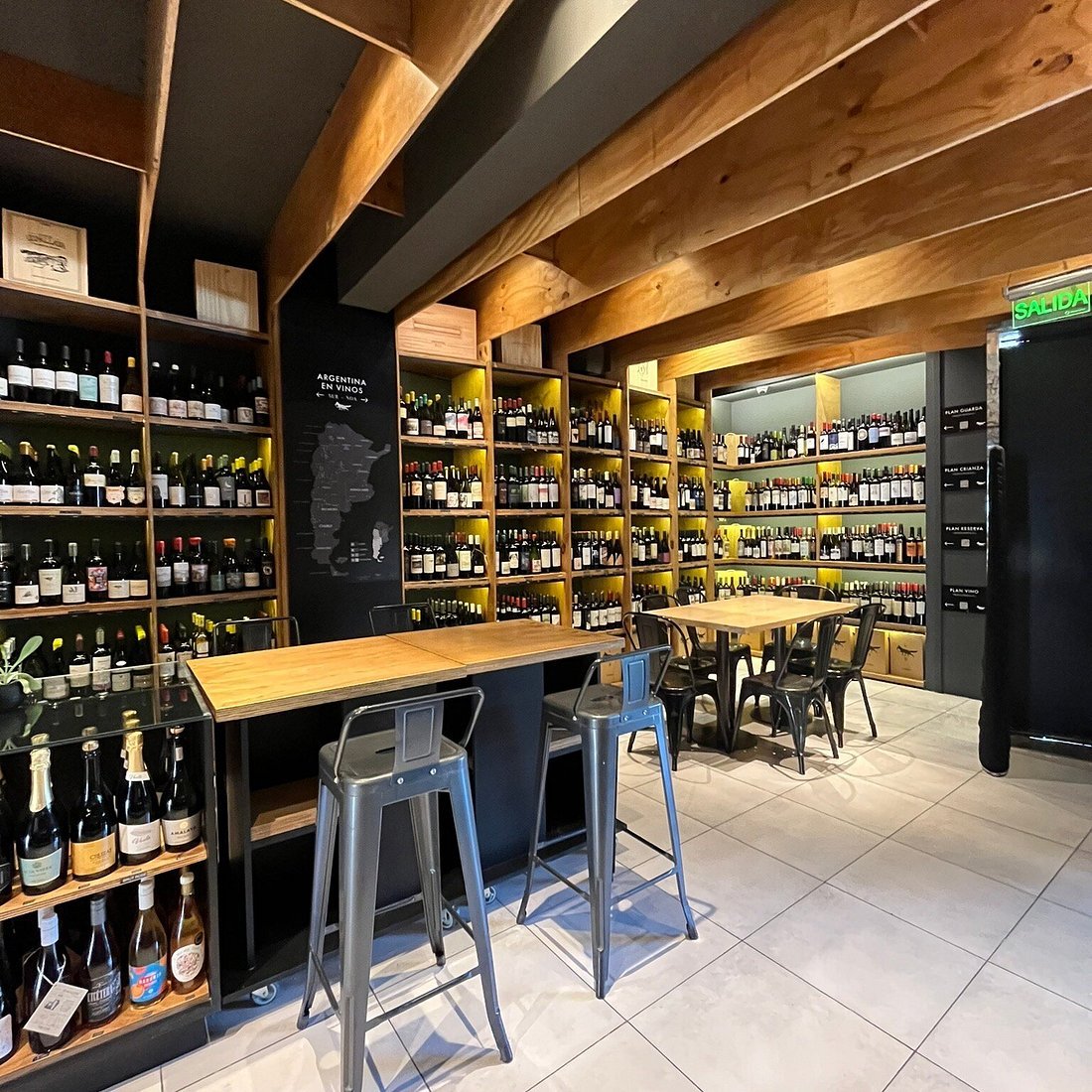
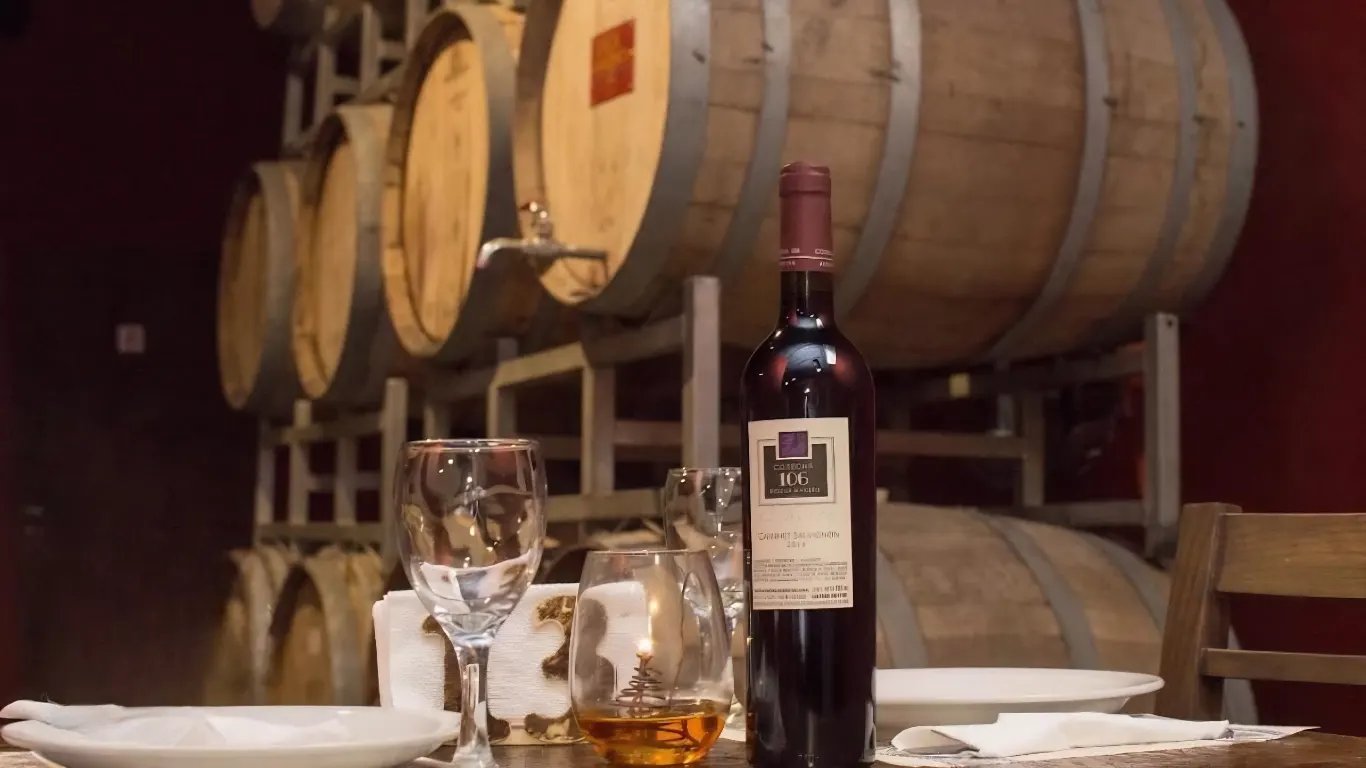
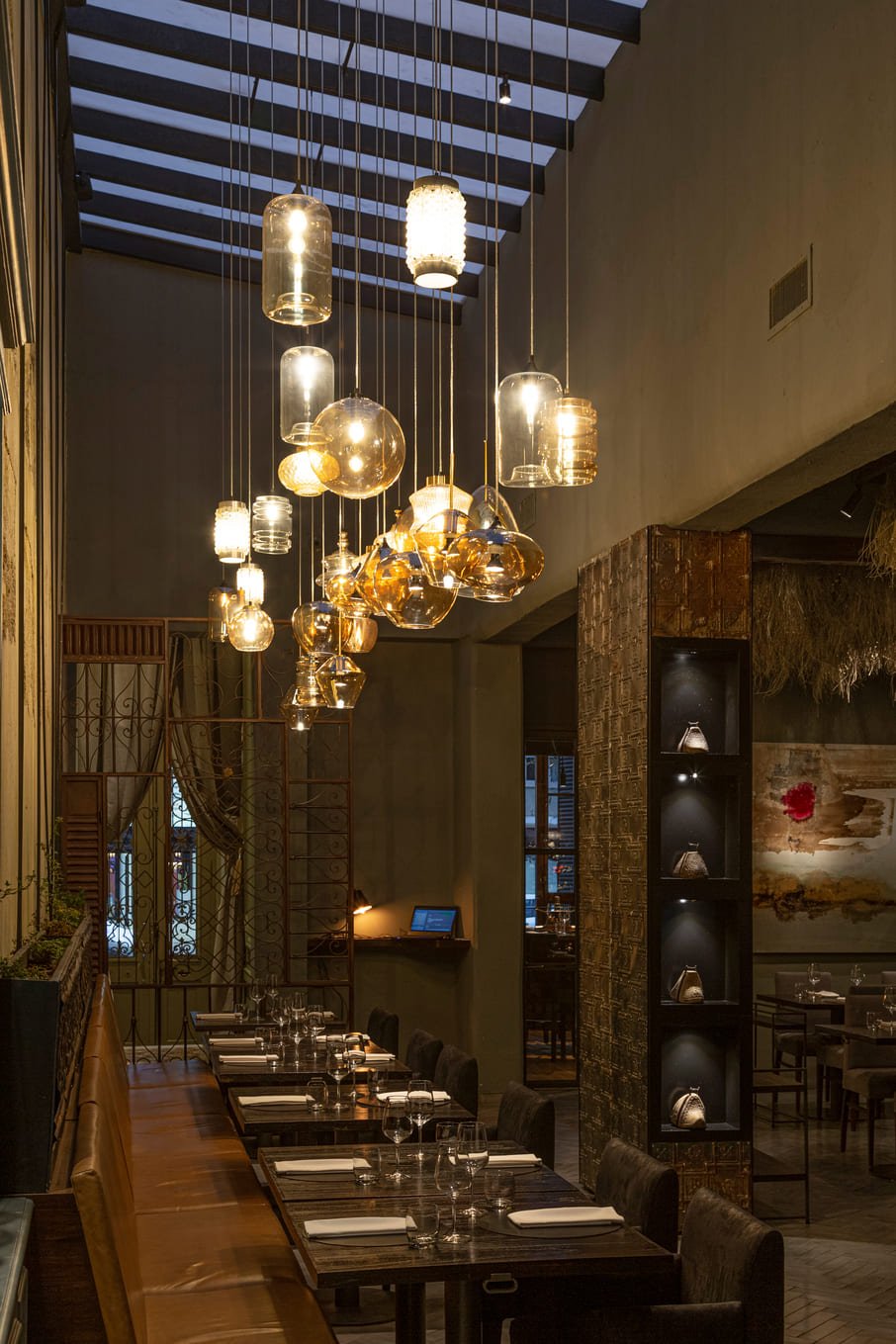
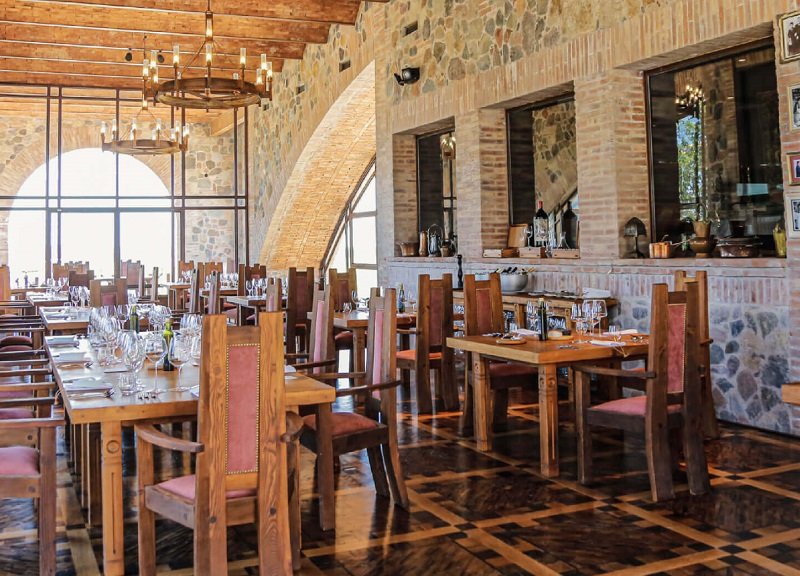
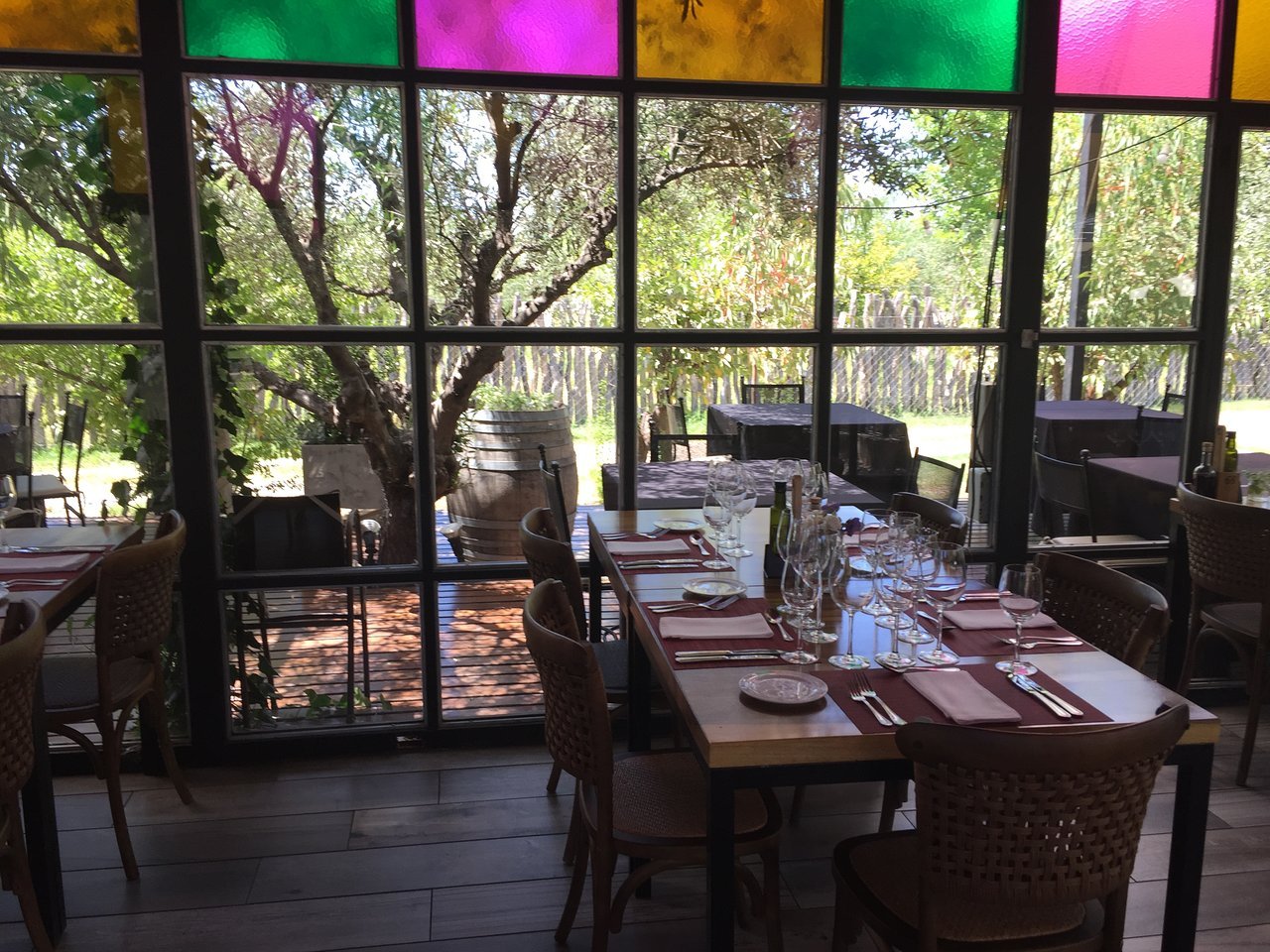
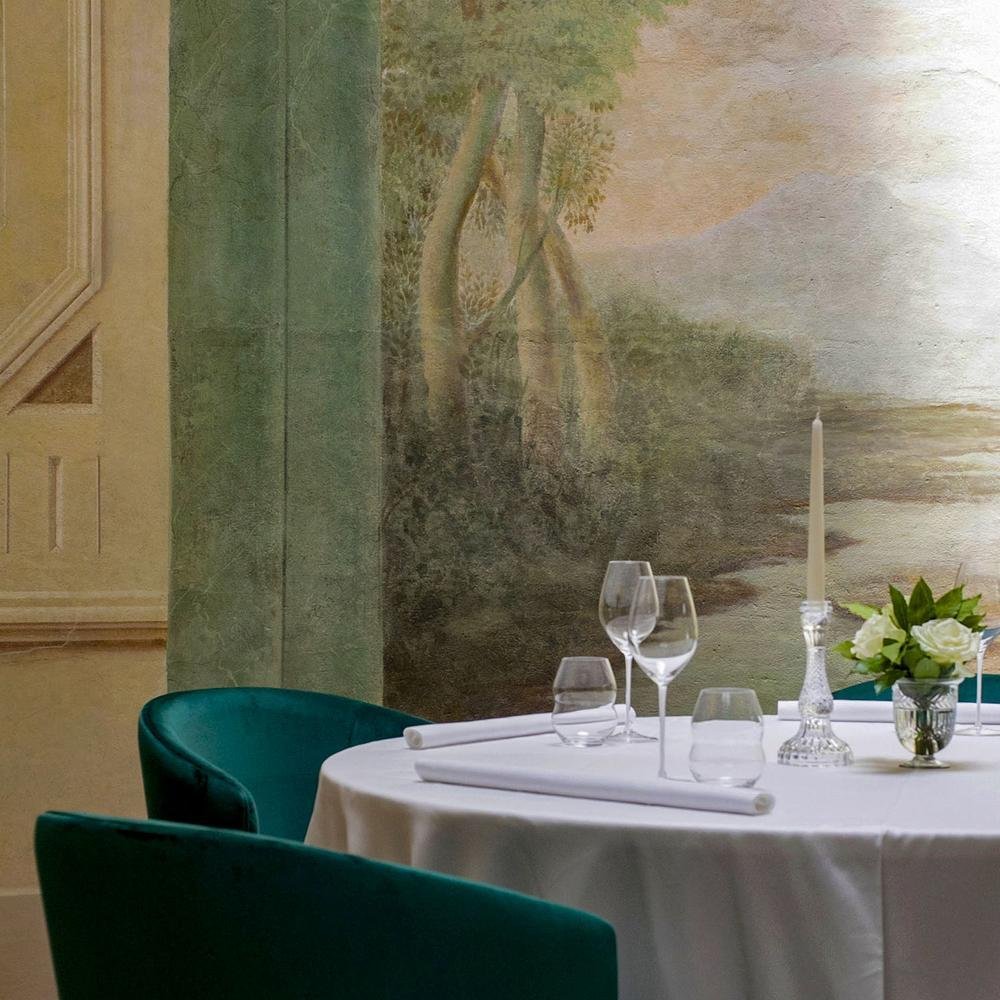
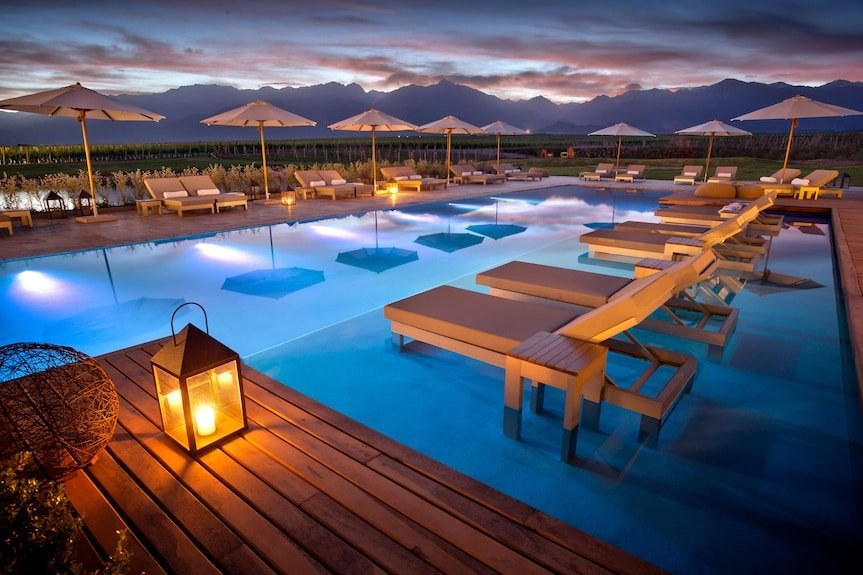
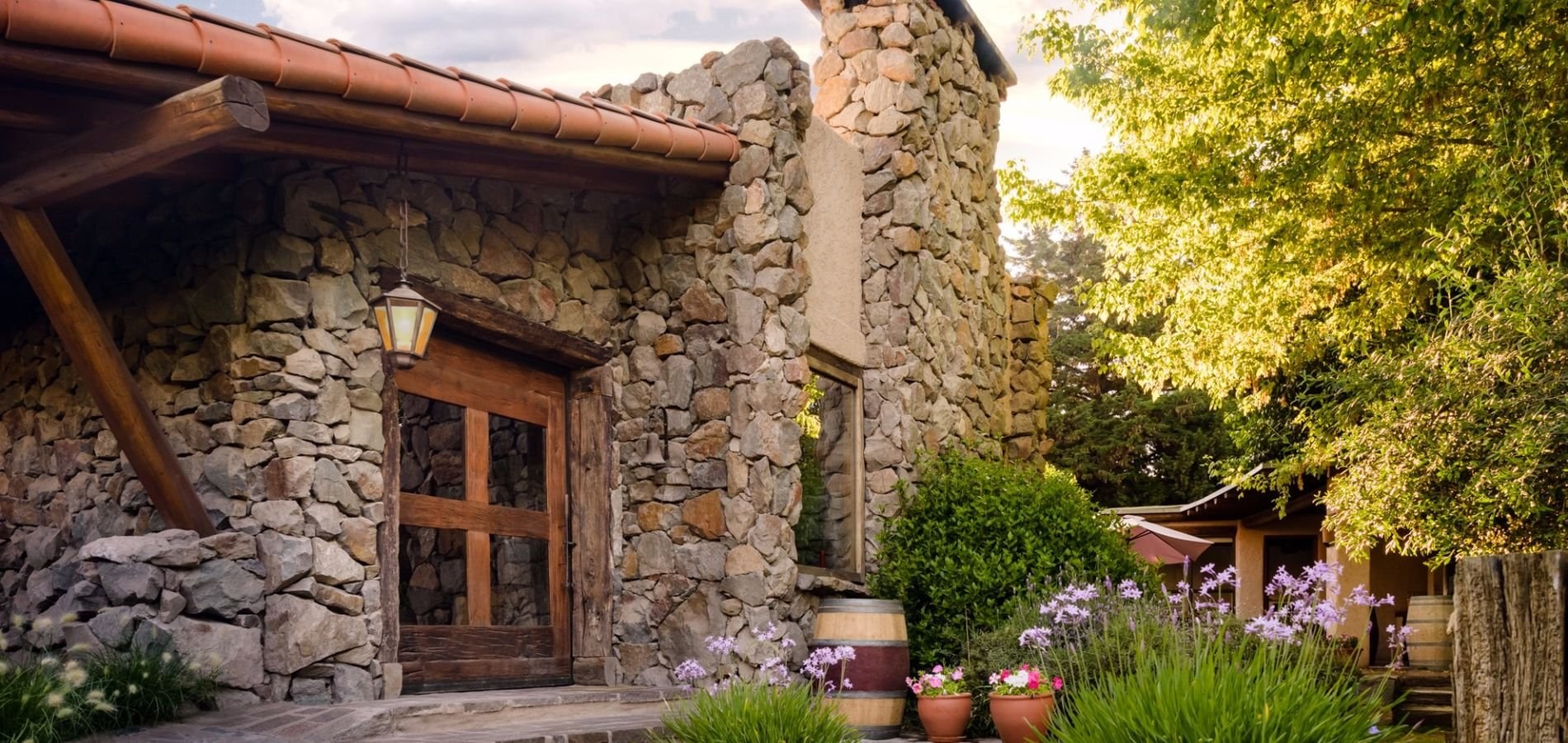
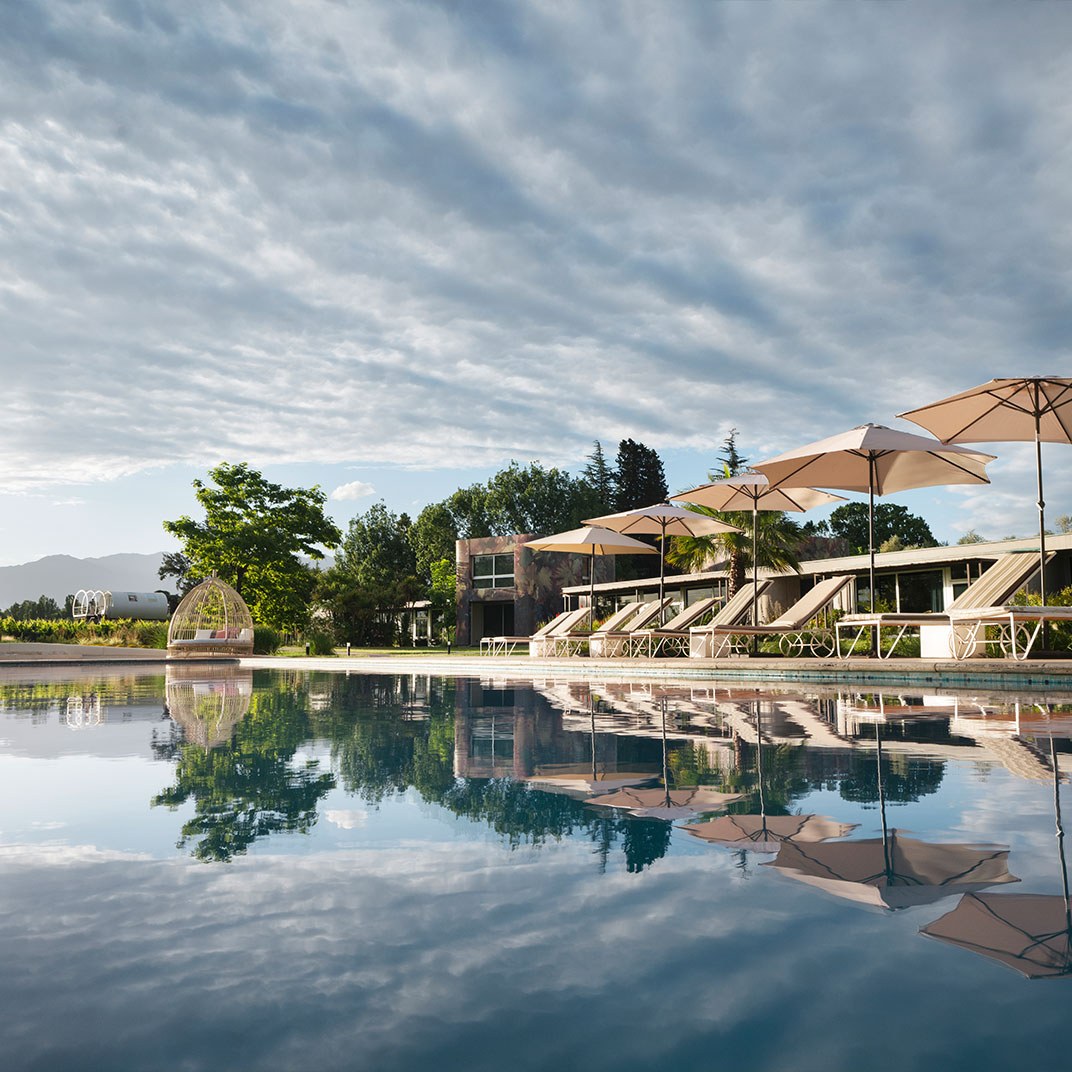
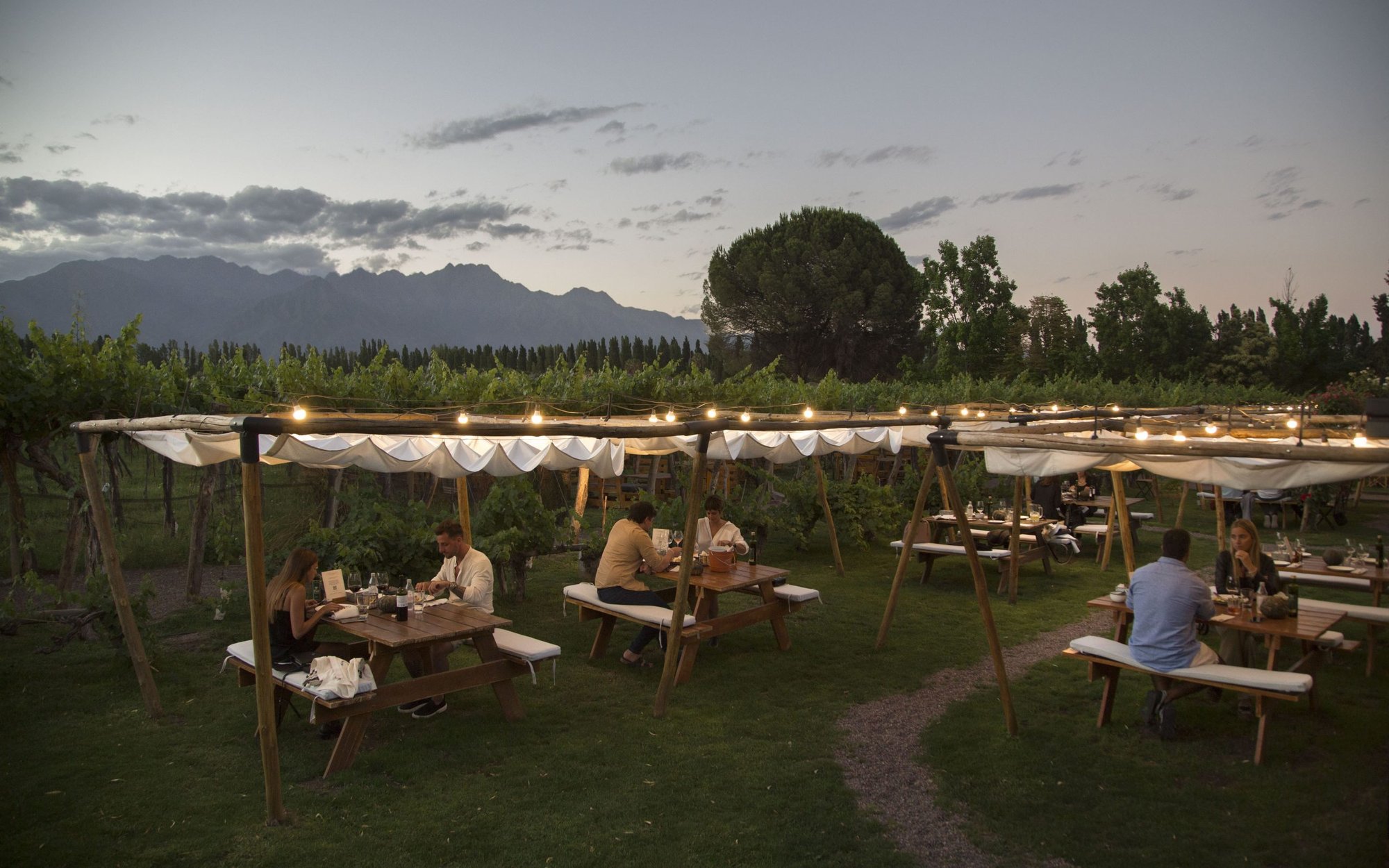
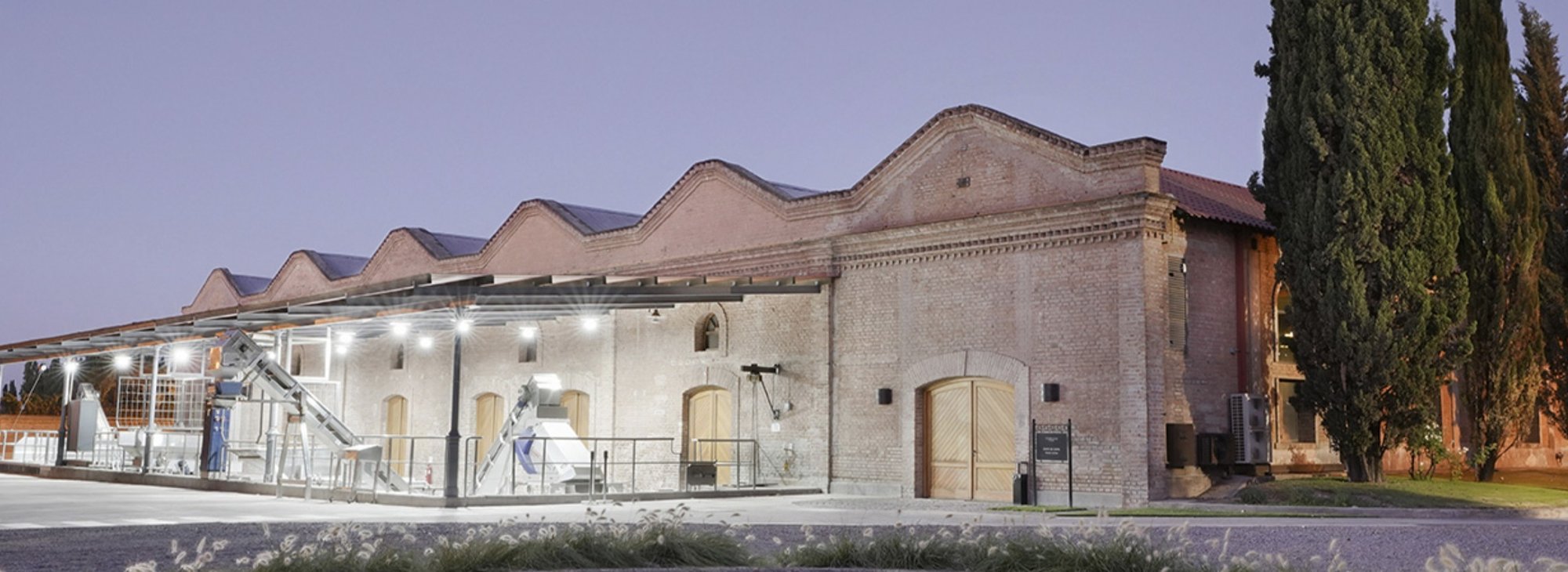
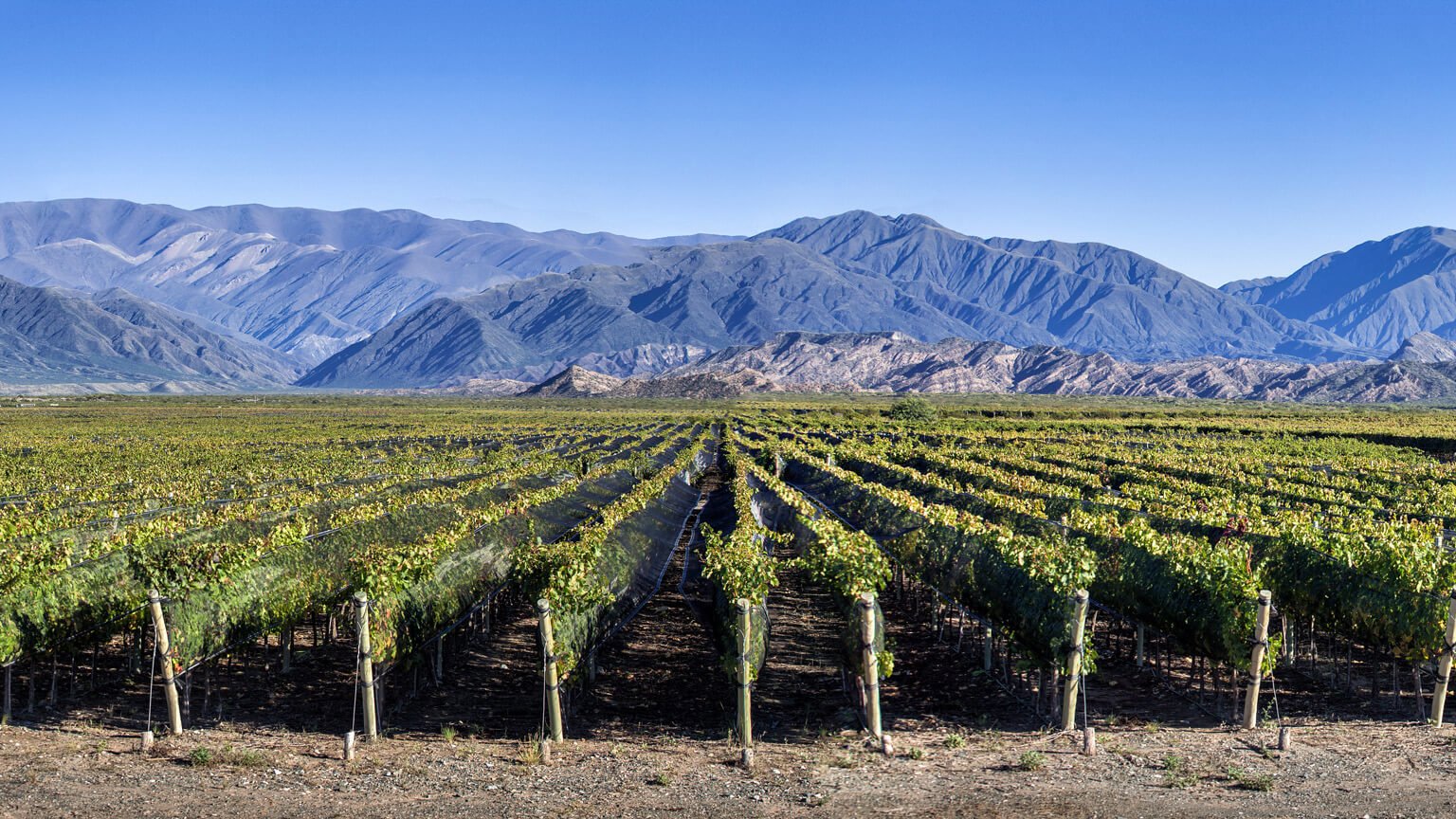
Sophisticated and relaxed vineyard setting with Andes mountain backdrop, combining traditional winemaking heritage with modern tasting experiences.
Tags
Vibe
Best For
Experience
Format
View
At the Bar
- Bar Category
- Wine Bar
Signature Pours
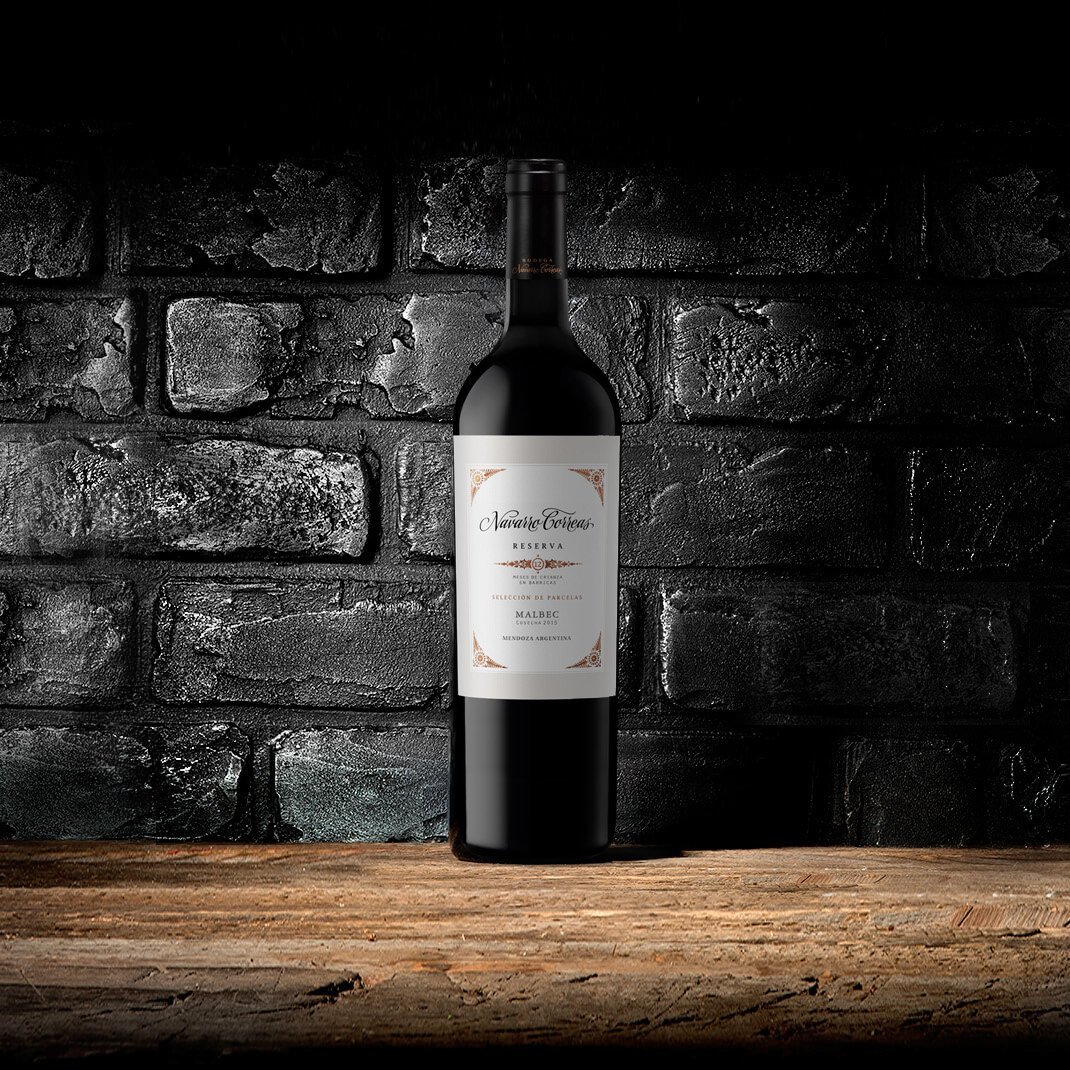
- Malbec tastings
- Cabernet Sauvignon
- Sauvignon Blanc
- sparkling wine
Know before you go
Know Before You Go
- Getting there
- Av. Sarmiento 647, M5500 Mendoza, Argentina
Planning details
Location
Also consider
Good backups if this does not fit the night
For a wine-focused alternative, try VinoBien. For a more casual group option, Antares Mendoza is the easier pivot, especially later in the evening.
Bar context
How it compares in Mendoza
Ampora Wine Tours is the practical pick for visitors who want wine guidance before committing to a full Mendoza itinerary. Compared with UVAS Lounge & Bar and Azafran, it is less about settling into a room for the night and more about using wine context to make better decisions around the rest of the trip.
For value, choose based on format. VinoBien is the closer cross-shop for a wine-led outing that feels venue-based. Lucky Seven is a better fit when the group wants a bar atmosphere rather than Mendoza wine orientation. Antares Mendoza is the easier recommendation for casual groups, especially when not everyone wants wine to drive the night.
Booking difficulty looks easier here than at dining-led options where peak dinner timing matters more, but the tradeoff is timing: this is an afternoon-to-early-evening choice, not the place to anchor a late night. For a first trip, use Ampora Wine Tours before dinner, then move to UVAS Lounge & Bar, Azafran, Lucky Seven, VinoBien, or Antares Mendoza depending on the group's drinking style.
Around this place
Discover more on Pearl
Unlock the full Ampora Wine Tours guide in Pearl, including awards, comparisons, FAQs, planning details, and nearby places.
Compare Ampora Wine Tours
| Venue | Location | Awards |
|---|---|---|
| Ampora Wine Tours | Mendoza | No published awards |
| UVAS Lounge & Bar | Mendoza | No published awards |
| Azafran | Mendoza | No published awards |
| VinoBien | Mendoza | No published awards |
| Lucky Seven | Mendoza | No published awards |
| Antares Mendoza | Mendoza | No published awards |
How Ampora Wine Tours Mendoza compares with similar nearby venues.
FAQ
Frequently Asked Questions
Is Ampora Wine Tours good for groups?
Information about group policy or capacity is not available. Ampora Wine Tours is in Mendoza and is open Monday through Friday from 2–8 PM, with Saturday and Sunday closed. Groups should confirm availability and any booking details directly with the venue.
What is Ampora Wine Tours known for?
Ampora Wine Tours is a Mendoza venue. It offers weekday 2–8 PM hours and has a smart-casual dress code.
Where is Ampora Wine Tours located?
Ampora Wine Tours is located in Mendoza.