
Bar in Melbourne, Australia
Lilac Wine
100Pearl PointsWine-led, not dinner-led

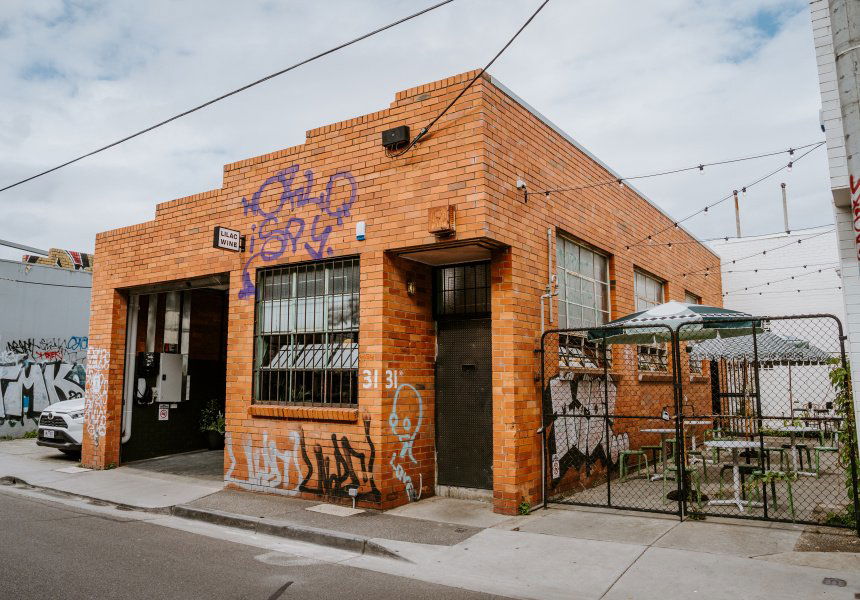
About Lilac Wine
Lilac Wine is a good Cremorne pick when wine and conversation matter more than a full food-led dinner. Star Wine List recognition gives the wine program credibility, but with no published price range or named signature dishes, treat it as a flexible wine-bar booking rather than a destination meal.
Lilac Wine is a Melbourne venue with confirmed Star Wine List (2026) recognition and a smart-casual dress code. The safest read is simple: consider it when the plan fits the confirmed hours and Melbourne setting, and verify any details beyond hours, dress code, and recognition directly before you go.
The verified information is limited, so this guide should not pretend to know the venue's cuisine, chef, signature dishes, prices, seating layout, or group capacity. What is confirmed is useful for planning: Lilac Wine opens in the afternoon or early evening Monday through Saturday, runs until 11 PM on those days, and has a shorter Sunday window from 12–5 PM.
Plan around confirmed details
The food decision should be realistic. With no verified cuisine, chef, menu format, or signature dishes, this is not the place to assess from a food-led brief based on the available data alone. If dinner is the priority, start with our full Melbourne restaurants guide, then check Lilac Wine's current information directly if you are considering it for the same night.
For planning, the confirmed hours are the most practical anchor: Mon-Wed 4–11 PM, Thu-Sat 3–11 PM, and Sun 12–5 PM. The lack of a verified price range means it is safer to check current details before assuming a particular spend. For broader benchmarking, Clover, Royal Saxon, and The Lyall Bar are natural names to research depending on the kind of Melbourne night you are planning.
Useful for Melbourne planning, but not a catch-all night out
Because the verified location detail is only Melbourne, plan around the city rather than relying on a more specific neighbourhood claim. Enquire when the confirmed opening pattern suits your itinerary, and avoid assuming unverified details such as outdoor seating, private dining, take-away, delivery, dietary accommodations, or a particular service format. For wider trip planning, our full Melbourne hotels guide and our full Melbourne bars guide are better starting points.
The venue's opening pattern is useful for afternoon and evening planning, with 11 PM finishes Monday through Saturday and a shorter Sunday session. That may make it possible to fit around other plans, though any claims about late-night fallback use, group size, or a specific bar format should be checked with the venue before relying on them. For broader planning, compare it with other Melbourne venues if the brief is wider than one stop.
Bottom line: consider Lilac Wine when the decision is Melbourne, smart casual, confirmed Star Wine List (2026) recognition, and hours that fit your plan. Skip any assumption about cuisine, prices, seating, or service style unless you have verified it directly.
Frequently Asked Questions
Is Lilac Wine good for groups?
The verified information does not confirm group capacity, seating layout, or private booking options. Lilac Wine does have confirmed Star Wine List (2026) recognition and Thu-Sat 3–11 PM hours, which may suit some evening plans, but check directly before organising a group visit. For comparison, Royal Saxon or The Lyall Bar may also be worth researching for a Melbourne bar plan.
Does Lilac Wine have happy hour deals?
Happy hour deals are not verified in the available information. The confirmed details are the Melbourne location, smart-casual dress code, Star Wine List (2026) recognition, and opening hours. Check the venue's official channels for the latest details.
Does Lilac Wine have outdoor seating?
Outdoor seating is not verified in the available information for Lilac Wine. If that detail matters, check the venue's official channels before going, and compare with other Melbourne options such as Clover or The Lyall Bar when planning.
Is Lilac Wine open late?
It is open until 11 PM Monday through Saturday: Mon-Wed 4–11 PM and Thu-Sat 3–11 PM. Sunday is the shorter session at 12–5 PM.
Location
31 Stephenson St, Cremorne VIC 3121, Australia
Melbourne, Australia
Compare Lilac Wine
| Venue |
|---|
| Lilac Wine |
| Coe & Coe |
| Royal Saxon |
| Der Raum |
| Clover |
| The Lyall Bar |
A quick look at how Lilac Wine compares on price and recognition.
Also Consider
- Coe & Coe, Notable alternative
- Royal Saxon, Notable alternative
- Der Raum, Notable alternative
- Clover, Notable alternative
- The Lyall Bar, Notable alternative
How it compares in Melbourne
Choose Lilac Wine over Der Raum when the night is wine-led and low-key. Der Raum is the better fit for a cocktail-focused booking with more bar theatre, while Lilac Wine is the easier recommendation for conversation, a bottle, and a Cremorne plan that does not need a full dinner structure.
Clover is the stronger cross-shop if food is a bigger part of the brief. Lilac Wine is more compelling when Star Wine List recognition is the deciding signal; Clover makes more sense when the group wants the bar and the meal to carry equal weight. For a hotel-bar mood, The Lyall Bar is better suited to a polished pre-dinner drink or a quieter stay-adjacent plan.
Coe & Coe and Royal Saxon are weaker direct comparisons if the decision is specifically a Melbourne wine-bar night. Use them only if location or group dynamics point that way; for Cremorne convenience and an easy booking, Lilac Wine is the more direct answer.
Recognized By

Explore Melbourne
Save or rate Lilac Wine on Pearl
Keep this venue in your Pearl passport, rate it after you visit, and track it alongside every other place you collect.