
Bar in Maplewood, United States
Side Project Brewing
100Pearl PointsBeer-first stop
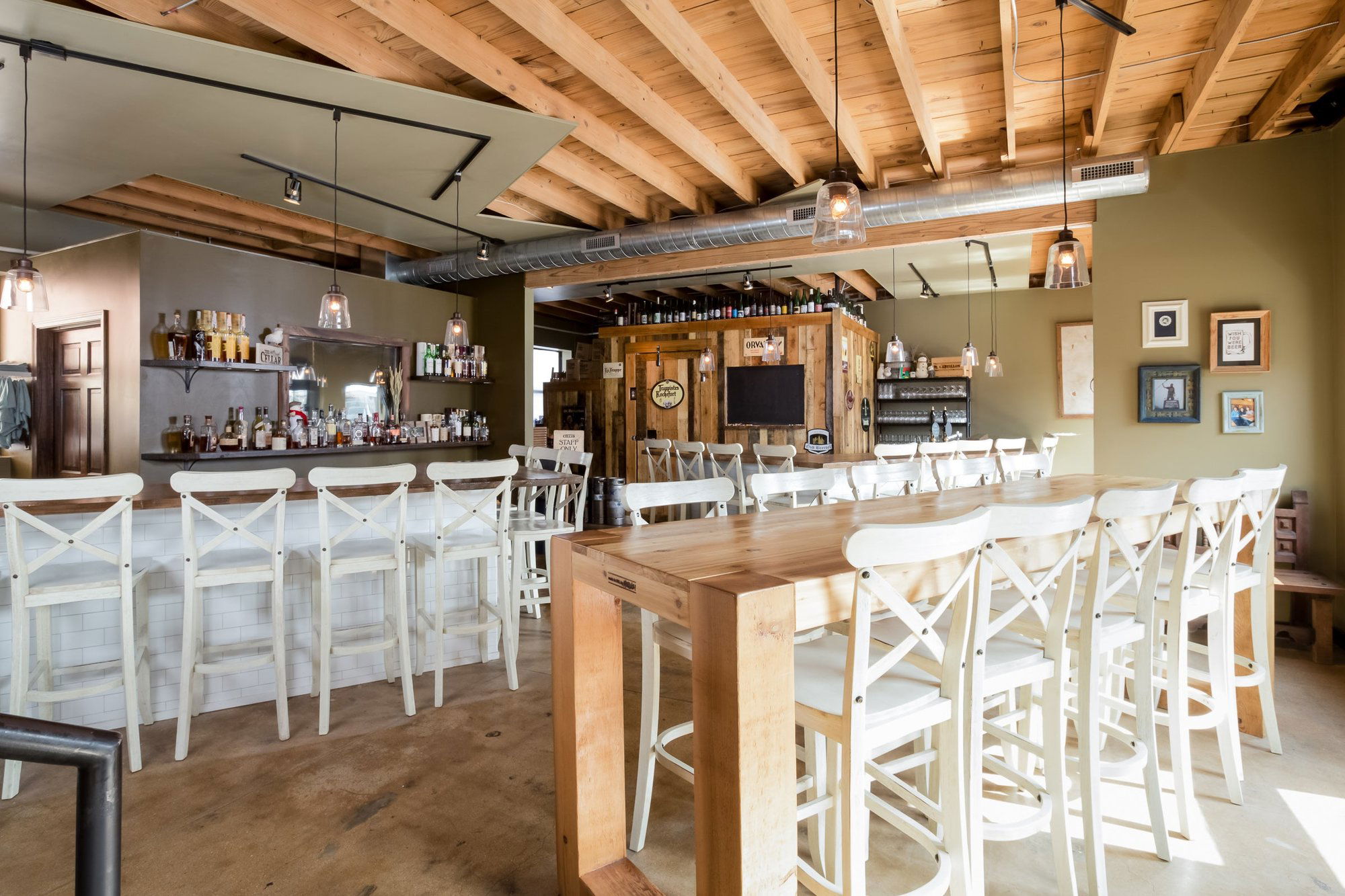
About Side Project Brewing
Side Project Brewing is a good Maplewood pick when the plan is beer-first and low-fuss. Treat it as a focused brewery stop rather than a full dinner or late-night bar solution; for a similar nearby beer-led alternative, compare it with The Side Project Cellar before deciding.
Side Project Brewing is a casual venue in Maplewood with a limited verified profile: the confirmed details are its city, dress code, and listed hours. Treat it as a direct Maplewood stop, and check the venue directly for any current service details that are not listed here.
The clearest way to plan around Side Project Brewing is by its schedule. It is closed Tuesday; it opens at 4 PM on Monday, Wednesday, and Thursday; it has an earlier 11 AM opening on Friday and Saturday; and it opens at 1 PM on Sunday.
Book it around the verified hours
Side Project Brewing is listed as casual, so it does not require a dressed-up plan. The practical decision is whether its hours fit your outing: Monday, Wednesday, and Thursday run 4–8 PM; Friday and Saturday run 11 AM–8:30 PM; and Sunday runs 1–8 PM.
Because no verified details are provided here for food, reservations, pricing, seating, or a broader service format, avoid building the plan around those specifics unless you confirm them directly with the venue. Use the known hours and casual dress code as the reliable baseline.
Use the comparison set before committing
If you are comparing options, The Side Project Cellar is a natural cross-shop by name. For other casual plans, Frisco Barroom, SOHA Bar and Grill, Seamus McDaniel's, and Coma Coffee Roasters may be worth checking depending on the kind of outing you want.
For a fuller evening, pair this decision with the wider guides rather than assuming Side Project Brewing covers every need: our full Maplewood restaurants guide for dining options in Maplewood, our full Maplewood hotels guide if staying close, our full Maplewood wineries guide for a different outing, and our full Maplewood experiences guide if the night needs more structure.
Verdict: Side Project Brewing is a casual Maplewood option to consider when its listed hours fit your plan. For food, pricing, reservations, or other specifics, confirm directly before committing.
Frequently Asked Questions
Does Side Project Brewing have happy hour deals?
Happy hour details are not verified here, so plan around the regular hours instead: Mon, Wed, Thu 4–8 PM; Fri and Sat 11 AM–8:30 PM; Sun 1–8 PM; Tuesday closed. You can also compare options such as Frisco Barroom, and check official channels for current details.
What's the best time to go to Side Project Brewing?
Go on Friday or Saturday at 11 AM if you want the earliest listed opening, or on Monday, Wednesday, or Thursday when it opens at 4 PM. Tuesday is closed, so avoid that day. The Side Project Cellar is another option to compare.
Is Side Project Brewing open late?
No, not especially. The latest listed closing time is 8:30 PM on Friday and Saturday, with 8 PM closings on Monday, Wednesday, Thursday, and Sunday. If you need a different evening plan, SOHA Bar and Grill or Seamus McDaniel's are other places to check.
Is Side Project Brewing good for a date?
It can work for a casual date if the listed hours fit your plan and you want a low-pressure Maplewood stop. Coma Coffee Roasters is another option to compare for a different kind of plan.
Is the food good at Side Project Brewing?
Food details are not verified here. If food is an important part of the decision, compare other options such as Frisco Barroom and SOHA Bar and Grill, and check Side Project Brewing's official channels for current details.
Location
7458 Manchester Rd, Maplewood, MO 63143
Maplewood, United States
Compare Side Project Brewing
| Venue | Booking Difficulty |
|---|---|
| Side Project Brewing | Easy |
| The Side Project Cellar | Unknown |
| Frisco Barroom | Unknown |
| SOHA Bar and Grill | Unknown |
| Seamus McDaniel's | Unknown |
| Coma Coffee Roasters | Unknown |
A quick look at how Side Project Brewing compares on price and recognition.
Also Consider
- The Side Project Cellar, Notable alternative
- Frisco Barroom, Notable alternative
- SOHA Bar and Grill, Notable alternative
- Seamus McDaniel's, Notable alternative
- Coma Coffee Roasters, Notable alternative
How it compares in Maplewood
Side Project Brewing is the better choice when the group wants the brewery format and an easy booking path. The Side Project Cellar is the closest alternative for the same general drinks lane, and it is the first place to cross-shop if the priority is mood rather than a production-adjacent brewery feel.
Choose Frisco Barroom, SOHA Bar and Grill, or Seamus McDaniel's when the group needs a broader bar-and-grill setup instead of a beer-focused stop. Those are safer for mixed groups where not everyone wants beer to drive the decision.
Coma Coffee Roasters is the wrong comparison for a night out but useful if the plan is daytime, caffeine, or a non-alcohol-led meet-up. Side Project Brewing is easier to justify when the occasion is drinks with intent, not a catch-up that could happen over coffee.
Explore Maplewood
Save or rate Side Project Brewing on Pearl
Keep this venue in your Pearl passport, rate it after you visit, and track it alongside every other place you collect.