
Bar in Malmö, Sweden
Sauvage
100Pearl PointsWine-first stop
About Sauvage
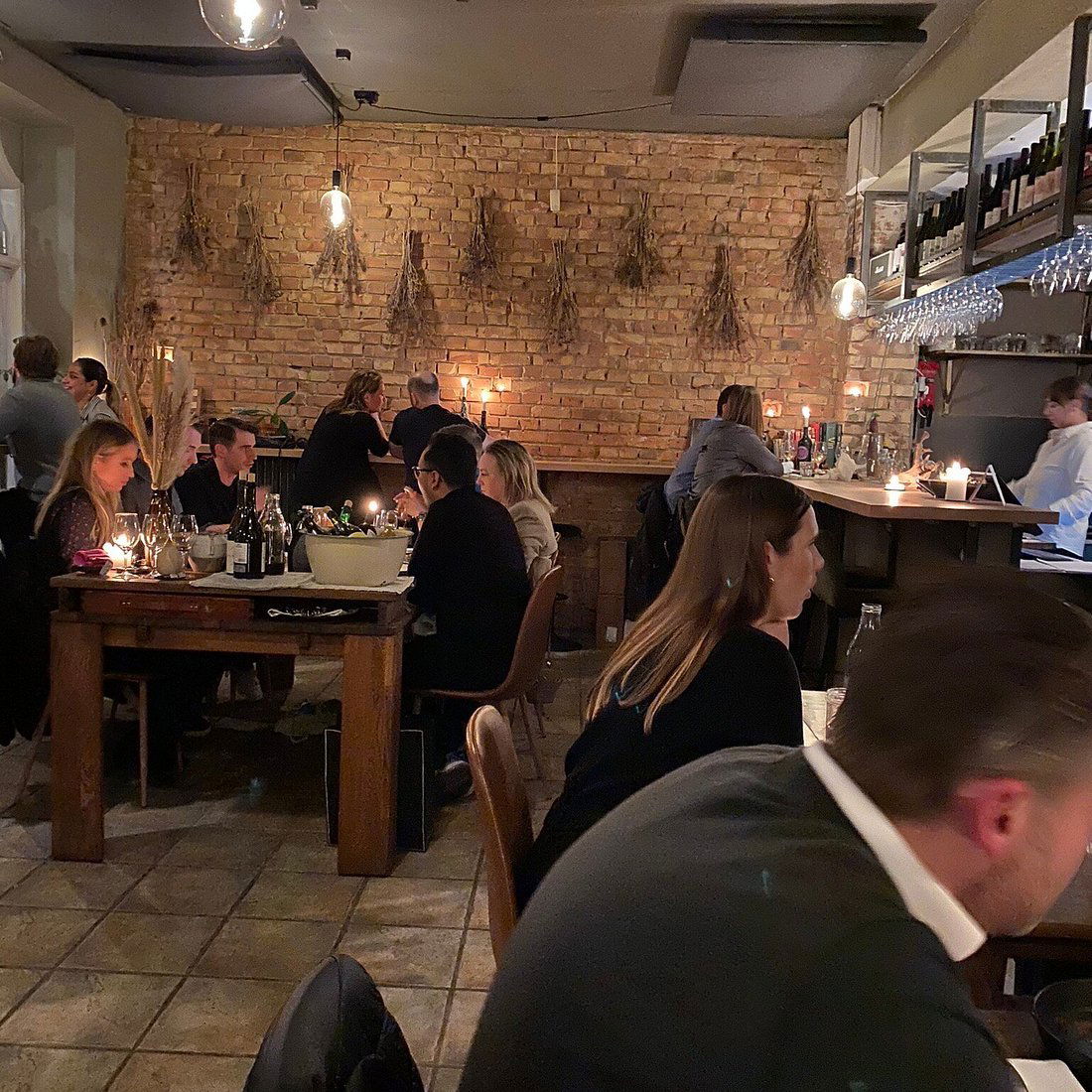
Sauvage is a practical Malmö pick for a wine-led drink, especially for dates, after-work plans, or small groups that want conversation over bar noise. Star Wine List recognition gives it a real reason to choose it over a generic bar, but with no confirmed cuisine or pricing, treat it as a drinks-first stop rather than a full dinner bet.
For planning in Malmö, the verified information for Sauvage is concise: it is a Malmö venue with Star Wine List (2026) recognition, a smart casual dress code, and published hours that cover a Monday daytime window, Tuesday-Friday daytime-to-evening hours, and Saturday evening hours.
For a first-timer, treat this as a stronger pick when wine recognition and timing matter than when you need a fully verified restaurant profile. The confirmed details are limited: Sauvage is in Malmö, has a smart casual dress code, is recognized by Star Wine List (2026), and publishes hours from Monday through Saturday with Sunday closed.
Choose it for wine recognition, not for a cocktail-bar checklist
The clearest confirmed reason to choose Sauvage is its Star Wine List recognition. That gives it a verified wine-related trust marker for readers who care about choosing a venue with a confirmed wine accolade. That does not make it the automatic answer for every night out. If the group wants a different plan, Brogatan, Flax, or Fir may also be worth considering.
The food question should be handled cautiously: this is not a restaurant profile with a confirmed cuisine, chef, price point, or signature dishes to judge against other Malmö dining rooms. For a full meal-led plan, use Our full Malmö restaurants guide first, then come here when the verified details around recognition, dress code, and hours fit the night.
The useful timing is early evening, with late-night flexibility
Practical advantage is timing. Sauvage is listed from 11:30 AM to 2 PM on Monday; from 11:30 AM to 11 PM Tuesday through Thursday; from 11:30 AM to 12 AM on Friday; and from 5 PM to 12 AM on Saturday. Sunday is closed.
The smart casual dress code is also useful to know before you go: it supports planning for a polished but not overly formal Malmö stop. For wider planning, keep Our full Malmö bars guide nearby and compare Sauvage with other Malmö options when the night calls for a different confirmed fit.
Quick read: choose Sauvage for a Malmö venue with Star Wine List (2026) recognition, smart casual dress, and useful Tuesday-Saturday evening hours; skip it if the night needs a verified cocktail focus, beer-bar profile, or confirmed full-dinner format.
Frequently Asked Questions
Is the food good at Sauvage?
The verified information does not confirm a cuisine, chef, menu format, price point, or signature dishes. The strongest confirmed trust signal is Star Wine List (2026), so choose Sauvage for that recognition and its Malmö hours rather than for a fully verified food-first profile.
Is Sauvage open late?
Yes, especially on Friday and Saturday, when it is listed until 12 AM. Tuesday through Thursday it is listed until 11 PM, while Monday is 11:30 AM to 2 PM and Sunday is closed.
Does Sauvage have happy hour deals?
Happy hour details are not verified in the available information. If deals are important, check Sauvage's official channels before you go, or compare the plan with Ölkaféet or Flax.
What's the crowd like at Sauvage?
The verified details do not specify the crowd or atmosphere. What is confirmed is that Sauvage is in Malmö, has a smart casual dress code, and publishes evening hours Tuesday through Saturday.
Is Sauvage good for a date?
It can be a sensible date option if the plan fits the verified facts: Malmö location, smart casual dress, Star Wine List (2026) recognition, and evening hours Tuesday through Saturday. The available information does not confirm a specific dining format or atmosphere.
What's the best time to go to Sauvage?
Use the published hours to plan: Monday 11:30 AM to 2 PM; Tuesday to Thursday 11:30 AM to 11 PM; Friday 11:30 AM to 12 AM; Saturday 5 PM to 12 AM; and Sunday closed.
Location
Spångatan 32a, 211 53 Malmö, Sweden
Compare Sauvage
How Sauvage compares in Malmö
Sauvage is the wine-led choice among the Malmö peers listed here. Brogatan is the safer all-purpose bar pick, while Flax and Fir are better if the group wants a less wine-specific night.
For readers comparing Malmö with other drinks cities, A Bar Called Gemma in Stockholm, Ångbryggeriet in Pitea, and ¡BE! Club in San Sebastián belong in a broader research pass, but for this decision the useful split is simple: Sauvage for wine, the Malmö peers for a more general bar plan.
Where to go if Sauvage is not the fit
Choose Brogatan if the group wants a more flexible Malmö bar option. Choose Fir if the brief is bar energy rather than a wine-led sit-down.
How Sauvage compares in Malmö
Choose Sauvage when wine is the point of the booking. Against Brogatan, it reads as the more wine-focused call; Brogatan is the safer alternative when the group wants a broader bar feel and less of a bottle-led decision. Booking difficulty is easy here, so it is also useful when the night needs a low-friction plan.
If value for money means a casual, beer-leaning or drop-in mood, Ölkaféet, Simpan Bar and Cafe, and Flax are better cross-shops than a wine bar. Pick those when the group is mixed, undecided, or not planning around a bottle list.
Fir is the better comparison for readers who want a sharper bar choice but are not set on wine. Sauvage is the clearer recommendation for a date or early evening conversation; Fir makes more sense if the night is built around bar energy rather than a quieter first round.
Recognized By

Explore Malmö
Save or rate Sauvage on Pearl
Keep this venue in your Pearl passport, rate it after you visit, and track it alongside every other place you collect.