
La Cave Café Terroir
Quartier Bellecour Cordeliers, Lyon
Bar in Lyon, France
 Book with Pearl
Why go
La Cave Café Terroir is worth considering when the brief is wine-led, central Lyon, and better suited to lunch or dinner than late-night drinking. The 2026 Star Wine List recognition gives it a stronger cellar signal than a casual café-bar might suggest, but readers looking for published pricing, named dishes, or a late bar scene should cross-shop before committing.
About La Cave Café Terroir
La Cave Café Terroir in Lyon keeps weekday lunch and dinner hours, follows a smart casual dress code, and has Star Wine List recognition in 2026. Beyond those points, the safest way to approach it is as a Lyon venue whose details are useful for timing and expectations, without assuming a specific menu, chef, price point, seating setup, or service format.
The clearest trust signal is the Star Wine List recognition in 2026. That makes the venue relevant for guests comparing Lyon stops, but it should not be stretched into claims about a particular cellar size, bottle style, cuisine, or signature dish. Use the accolade as a directional cue, then confirm current details directly with the venue before building a night around specifics.
A wine-recognized venue for weekday planning
The schedule is the key filter. La Cave Café Terroir is open Monday through Friday from 12–1:30 PM and 6–9:30 PM, and it is closed Saturday and Sunday. That makes it a weekday lunch or dinner option rather than a weekend plan or a late-night stop.
Plan around Lyon rather than a more specific neighborhood or landmark. The smart casual dress code gives a useful baseline: polished but not formal. For group size, seating, accessibility, current menu, and booking requirements, check directly with the venue before you go.
Who should choose it over a more conventional option
Choose La Cave Café Terroir if you want a Lyon stop with Star Wine List recognition and weekday lunch or dinner hours. Skip it if your decision depends on details such as exact prices, a known chef, a published signature dish, outdoor seating, or late-night service.
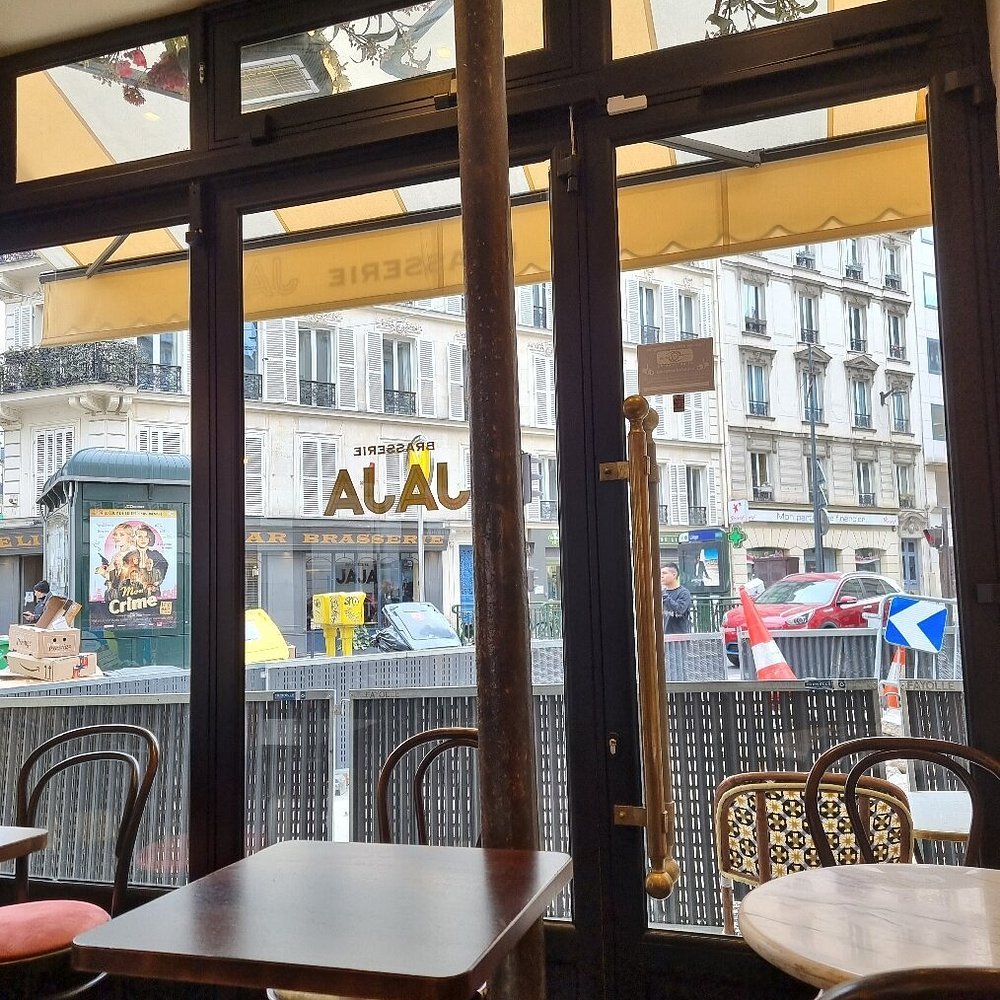
For planning around the rest of the city, use Lyon bars guide or Lyon restaurants guide if dinner is the anchor. Other venues to compare in the same broad decision set include Jaja Bistro and Broc'Bar.
Planning details
- Location
- 05 Rue Montcharmont, 69002 Lyon, France
- Website
- cafeterroir.fr/la-cave-caf%C3%A9-terroir
- Phone
- +33 9 52 52 51 38
The take
The Take
The Vibe
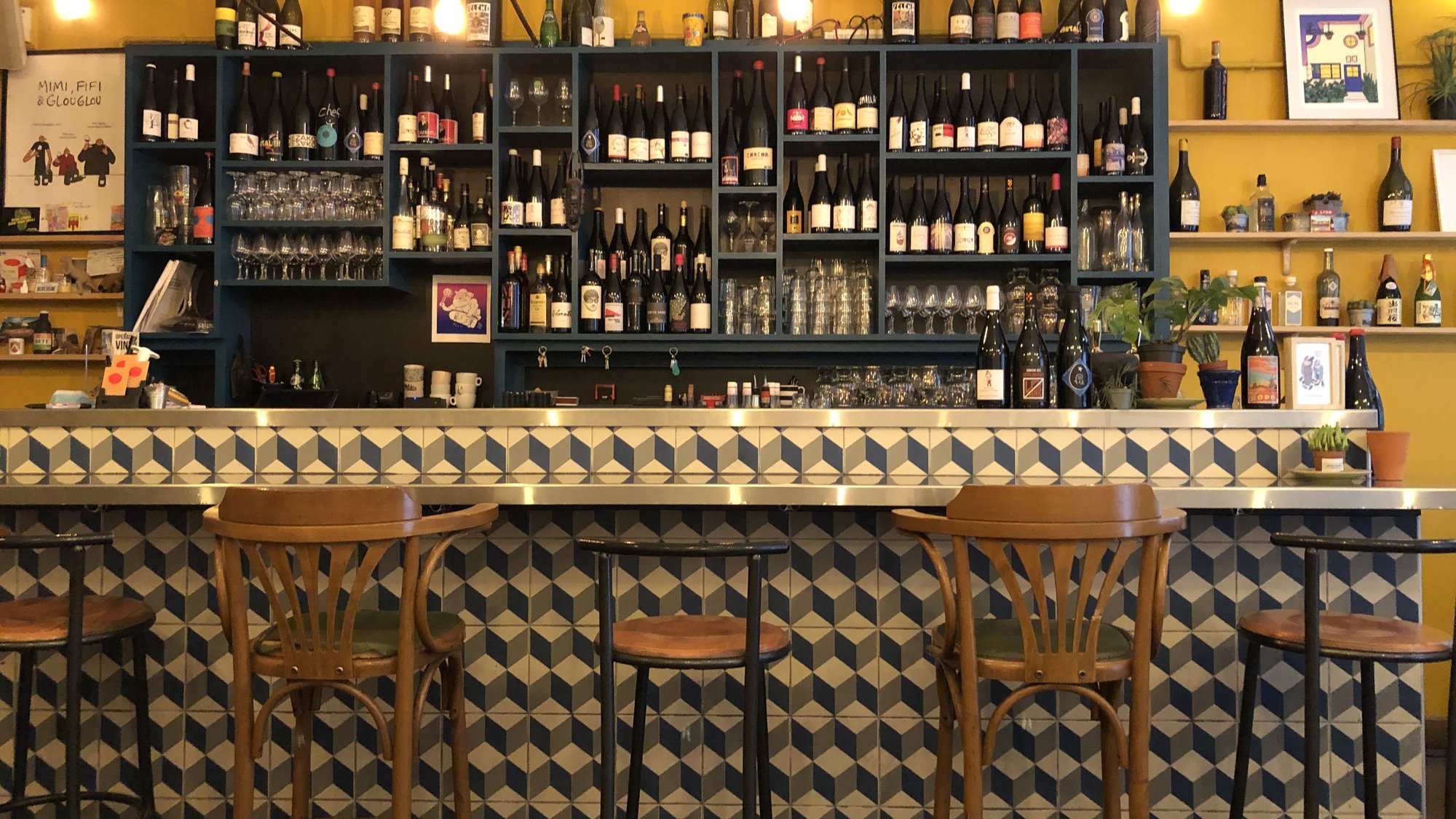
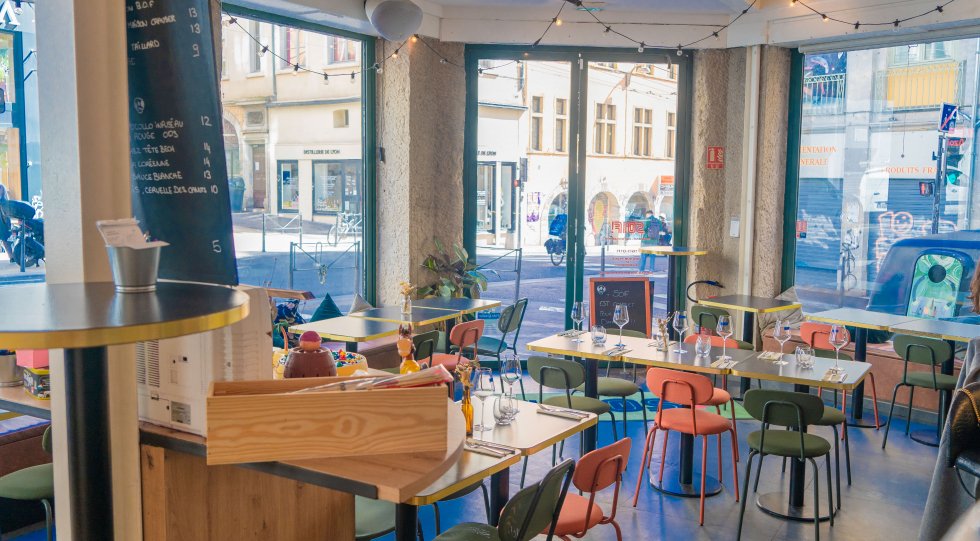
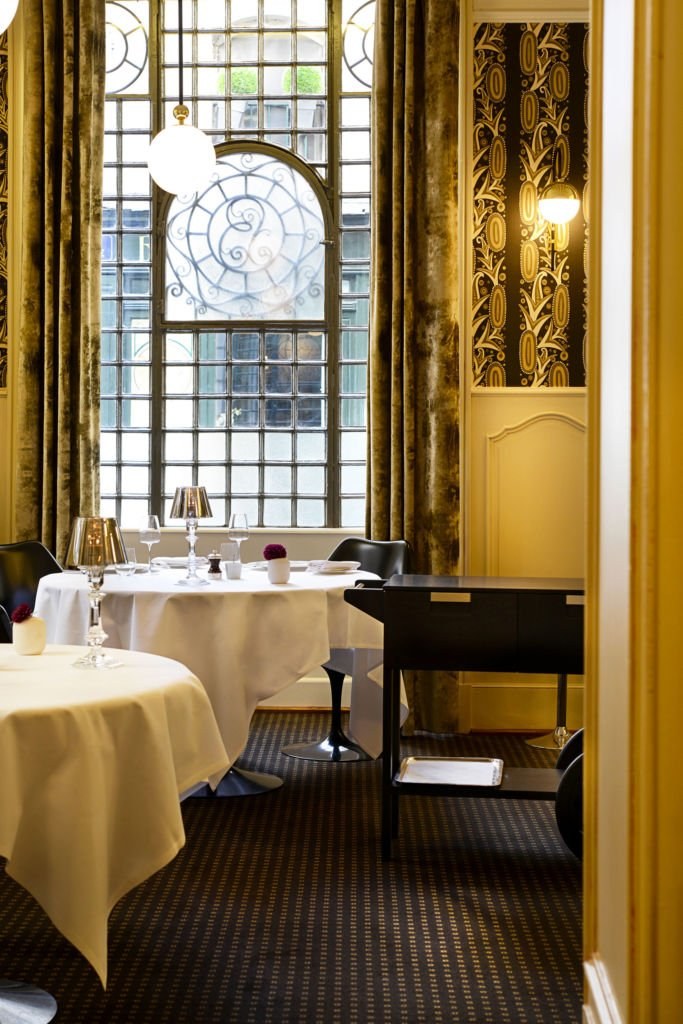
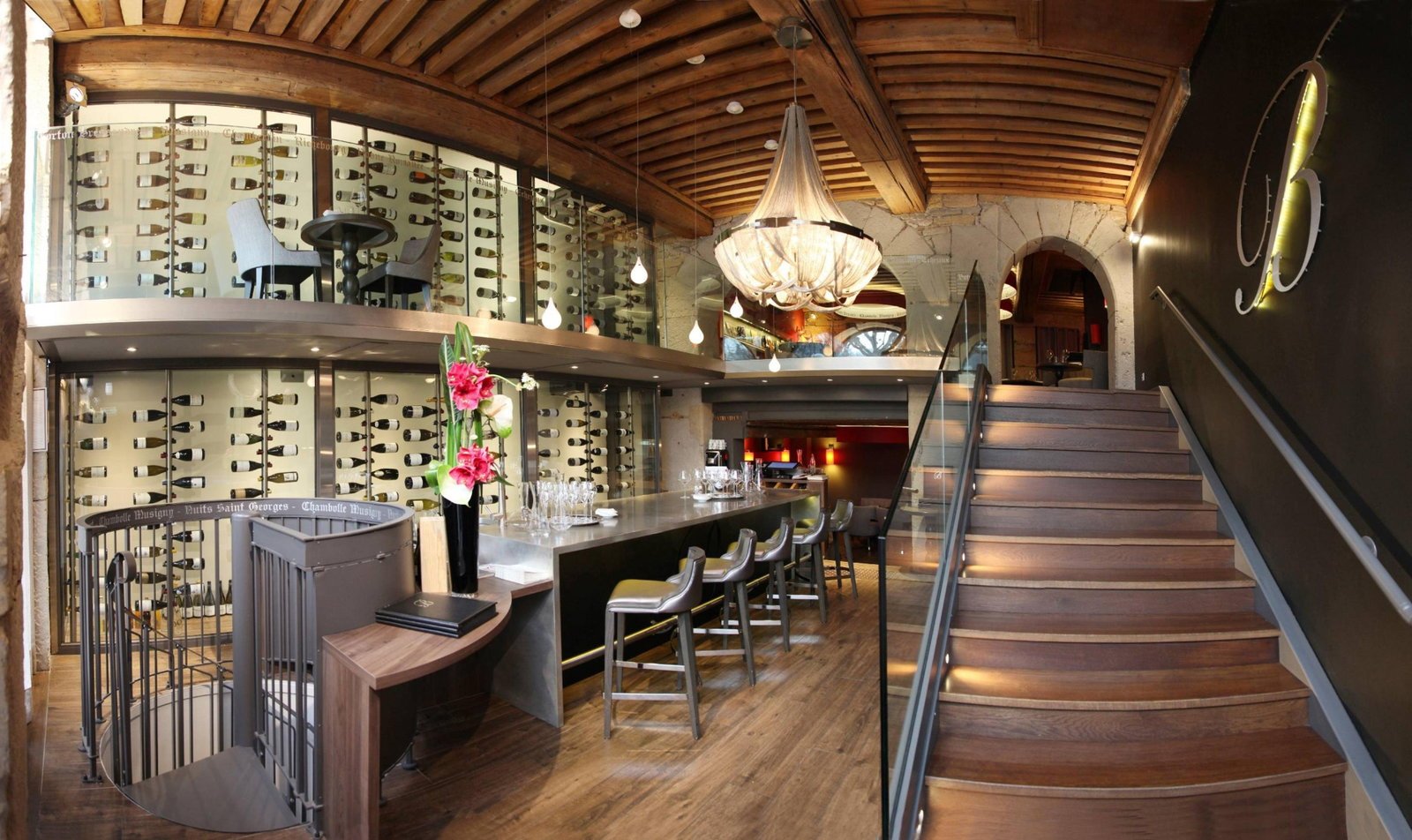
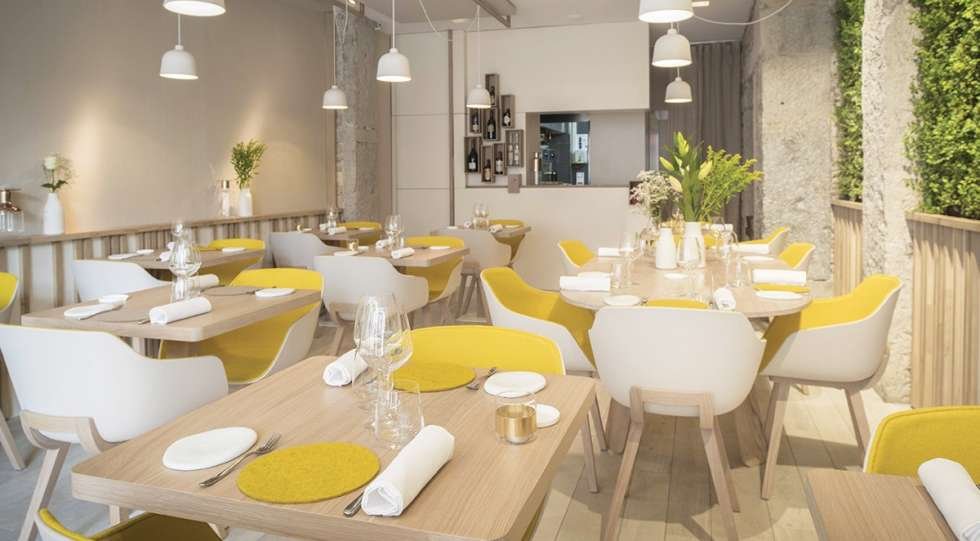
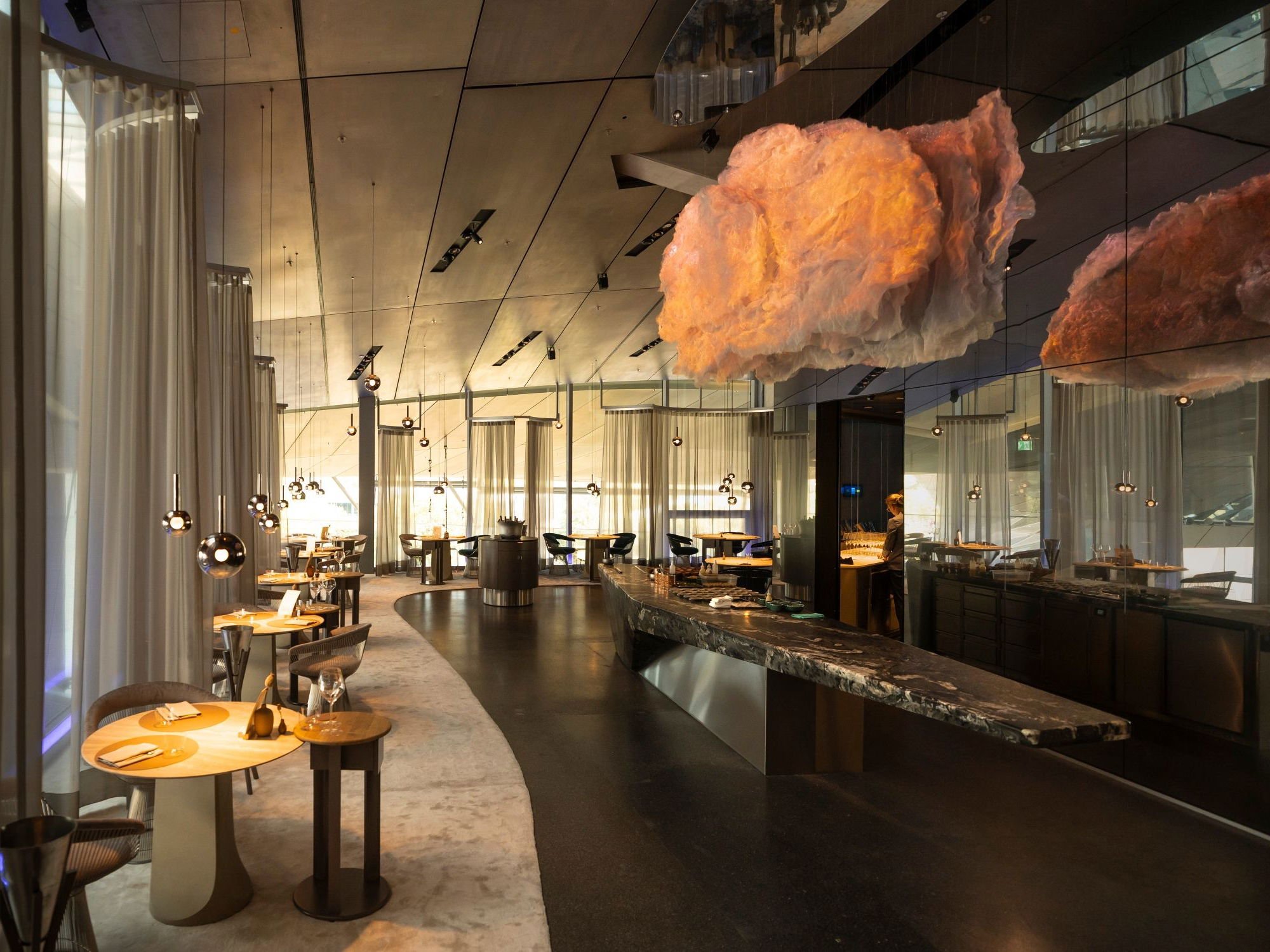
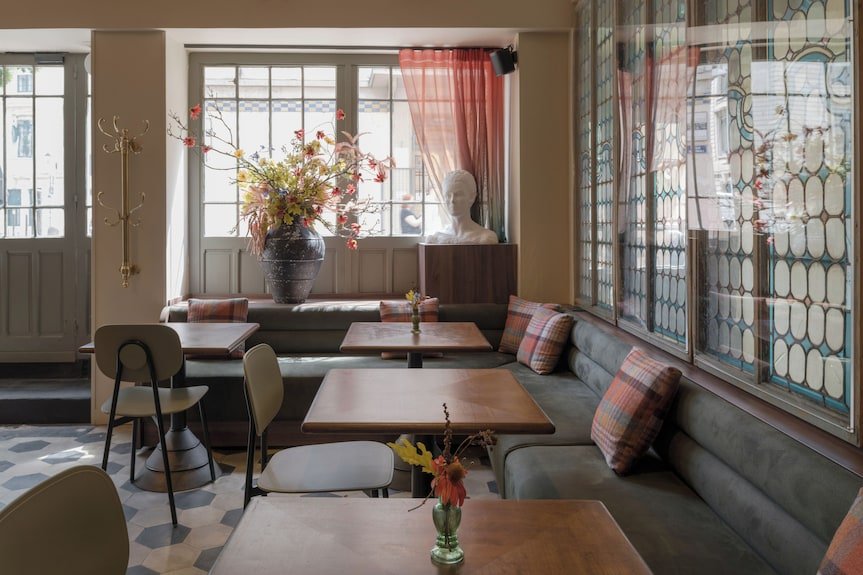
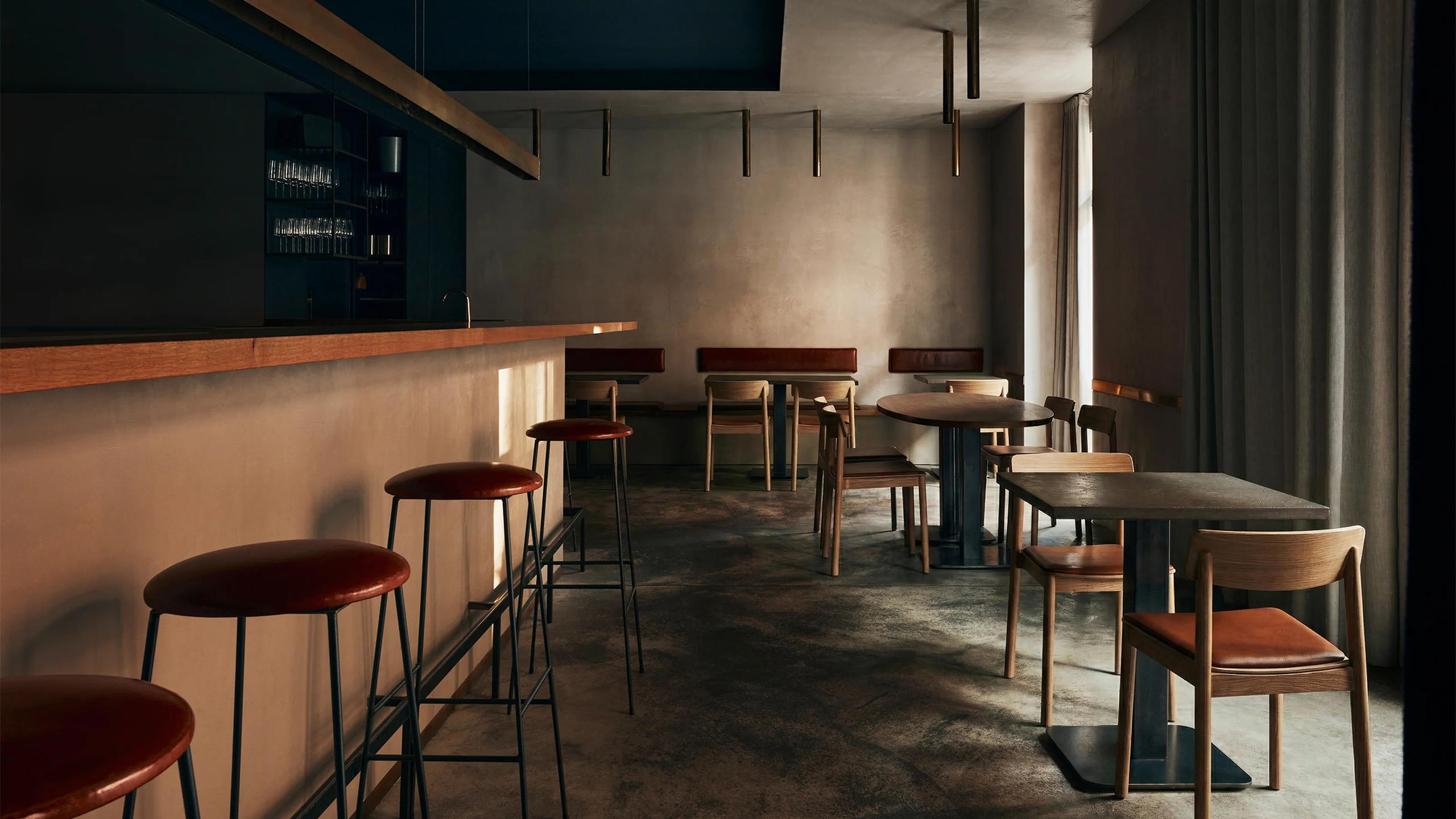
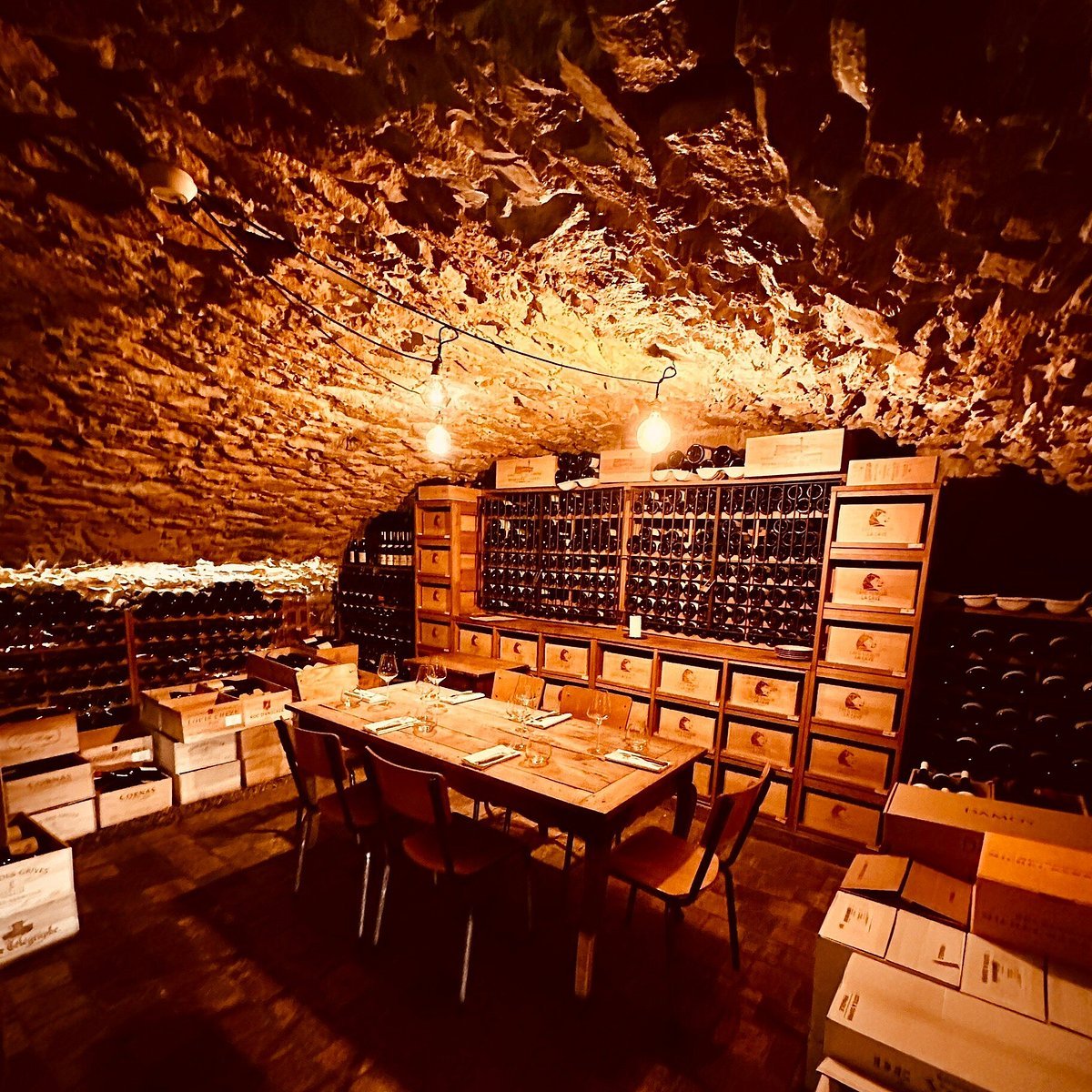
La Cave Café Terroir reads like a classic Lyonnais cave: worked-in stone or plaster walls, wooden shelving lined with bottles, and lighting tuned to make the room feel warm rather than theatrical. The space favors authenticity over design flourish—the shelving and materials carry a patina that signals continual use and history. Because the address operates as the wine-bar offshoot of a respected chef's restaurant, the atmosphere balances a lived-in informality with culinary seriousness. The result is a quietly sophisticated, charming spot where the bottle is the centerpiece and the room’s warmth encourages lingering conversation.
Best For
This is a wine-focused drop-in for people who come to center the bottle in the experience. Positioned on Rue Montcharmont in Lyon’s 2nd arrondissement and functioning as the cave à vins extension of Café Terroir, it suits evening visits and casual groups who want quality wine service without the formality of a dining room. The cave’s quieter temperament makes it appropriate for date nights, relaxed catch-ups, or small group outings where conversation and careful pours matter more than theatrical service. It is especially appealing to diners who value provenance and proper bottle service.
Ordering Tips
Because La Cave Café Terroir is organized around the bottle, consider starting by asking staff about available bottles and service options—the copy emphasizes that a good bottle, served properly, needs very little else. The venue’s connection to Café Terroir suggests staff can advise on pairings or direct you to the restaurant for a fuller meal if desired. Embrace the cave’s democratic, drop-in culture: arrive open to staff recommendations and let the bottle dictate the pace of the visit rather than expecting an extensive plated menu.
Venue details
Ambiance
Cozy and charming atmosphere with warm lighting, stone walls, and chic decor featuring beautiful wine bottles.
Tags
Vibe
Best For
Experience
Format
Accessibility
At the Bar
- Bar Category
- Wine Bar
- Late Night
- Closes by Midnight
Know before you go
Know Before You Go
- Getting there
- 05 Rue Montcharmont, 69002 Lyon, France
Planning details
Location
05 Rue Montcharmont, 69002 Lyon, France · Directions
Recognition and awards

Also consider
Where to go if this does not fit the night
Pick Jaja Bistro if the group wants a bistro-bar mood rather than a wine-cave focus. Pick Broc'Bar if the evening is more about a bar stop than a meal-adjacent wine address.
Bar context
How it compares in Lyon
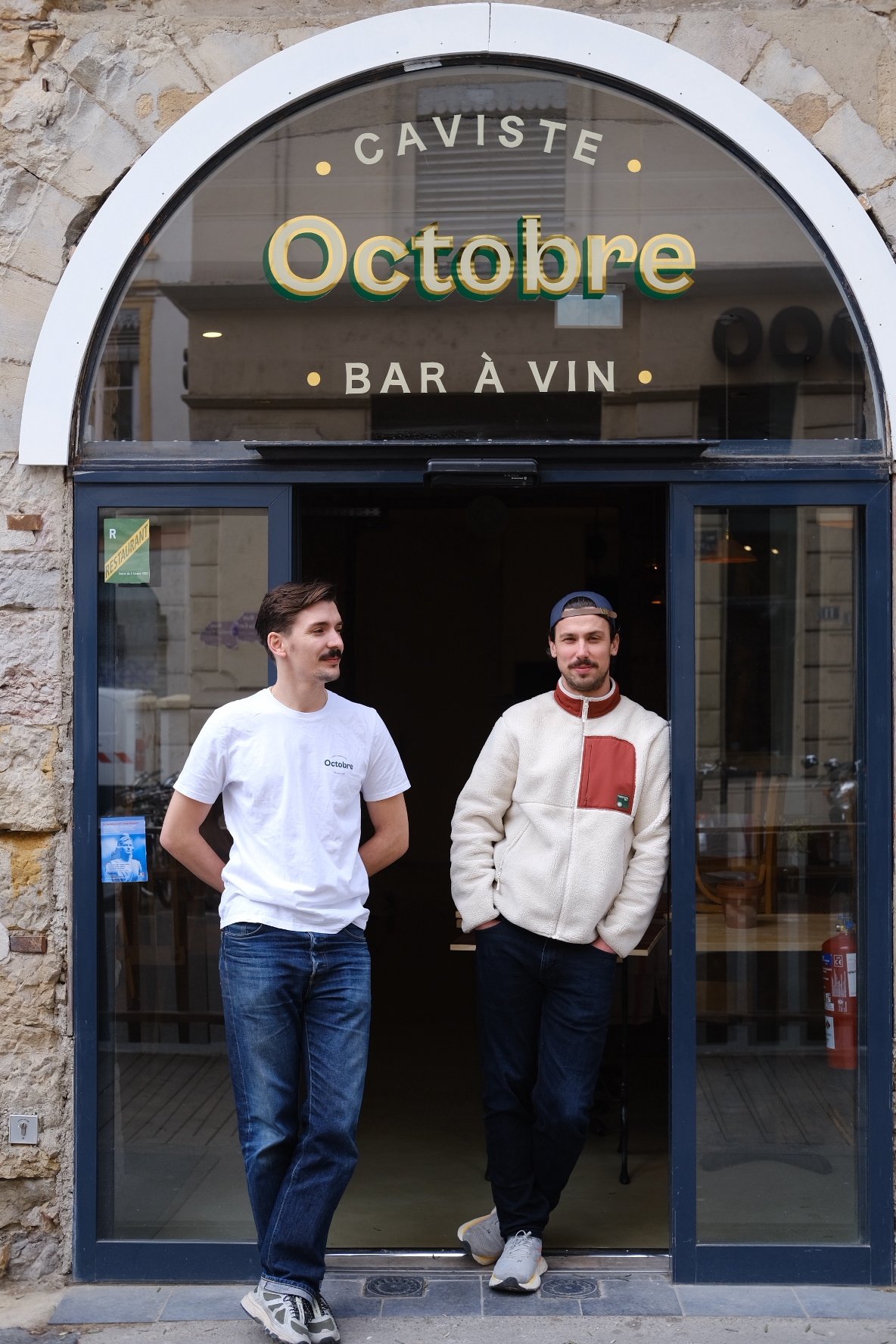
La Cave Café Terroir is the pick when wine credibility is the priority: the 2026 Star Wine List recognition gives it a clearer cellar signal than a casual stop usually provides. Jaja Bistro is the more natural cross-shop if the group wants a bistro-bar feel, while Octobre caviste makes sense when the wine-shop angle matters as much as drinking on site.
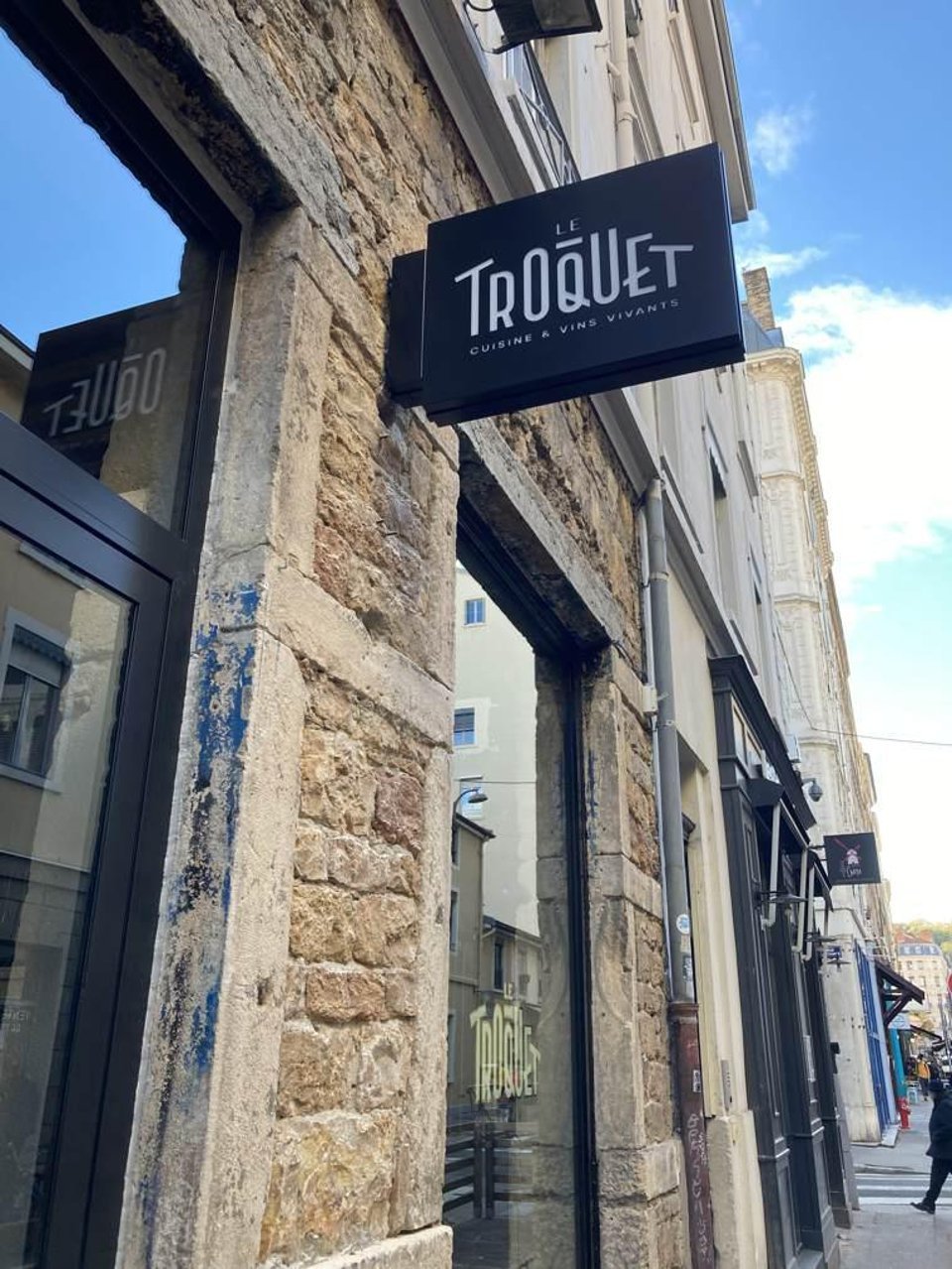
For ambiance, choose this address for a tighter, conversation-friendly plan rather than a bar-hopping finish. Le Troquet and Broc'Bar are better names to check when the evening needs more of a bar rhythm. Le Dôme Bar belongs in the comparison set for readers who want a more classic bar decision rather than a cave-café one.
Value is hard to rank without published pricing, so decide by format instead: wine-first and central favors La Cave Café Terroir; bistro energy favors Jaja Bistro; a caviste-style stop favors Octobre caviste; a later, looser bar plan favors Le Troquet or Broc'Bar.
Explore Lyon
Around this place
Discover more on Pearl
Unlock the full La Cave Café Terroir guide in Pearl, including awards, comparisons, FAQs, planning details, and nearby places.
Compare La Cave Café Terroir
| Venue | Location | Awards |
|---|---|---|
| La Cave Café Terroir | Lyon | Star Wine Lists 2026 |
| Le Dôme Bar | Lyon | No published awards |
| Jaja Bistro | Lyon | No published awards |
| Octobre caviste | Lyon | No published awards |
| Le Troquet | Lyon | No published awards |
| Broc'Bar | Lyon | No published awards |
How La Cave Café Terroir Lyon compares with similar nearby venues.
FAQ
Frequently Asked Questions
Does La Cave Café Terroir have outdoor seating?
La Cave Café Terroir is in Lyon, has a smart casual dress code, and is open Monday through Friday, with service ending at 9:30 PM. If outdoor seating matters, confirm directly with the venue; Jaja Bistro is another venue to compare.
Is La Cave Café Terroir good for a date?
It can work for a date if the details match your plan: Lyon location, smart casual dress code, weekday lunch and dinner hours, and Star Wine List recognition in 2026. Le Dôme Bar is another venue to compare.
Is the food good at La Cave Café Terroir?
Details about cuisine, dishes, prices, or menu format are not available. La Cave Café Terroir is in Lyon, keeps weekday lunch and dinner hours, and has Star Wine List recognition in 2026. If food is the deciding factor, check the current menu directly; Octobre caviste is also a comparison option.
Is La Cave Café Terroir open late?
No, not by late-night standards. It closes at 9:30 PM Monday through Friday and is closed Saturday and Sunday, so this is an early evening or weekday meal choice. Compare Broc'Bar if you are deciding between venues.
What's the crowd like at La Cave Café Terroir?
The Lyon location, smart casual dress code, weekday lunch and dinner hours, and Star Wine List recognition in 2026 provide useful context. Le Dôme Bar is another comparison to consider.