

Bar in Los Angeles, United States
Oriel Chinatown
0Pearl PointsNeighbourhood Cocktail Consistency
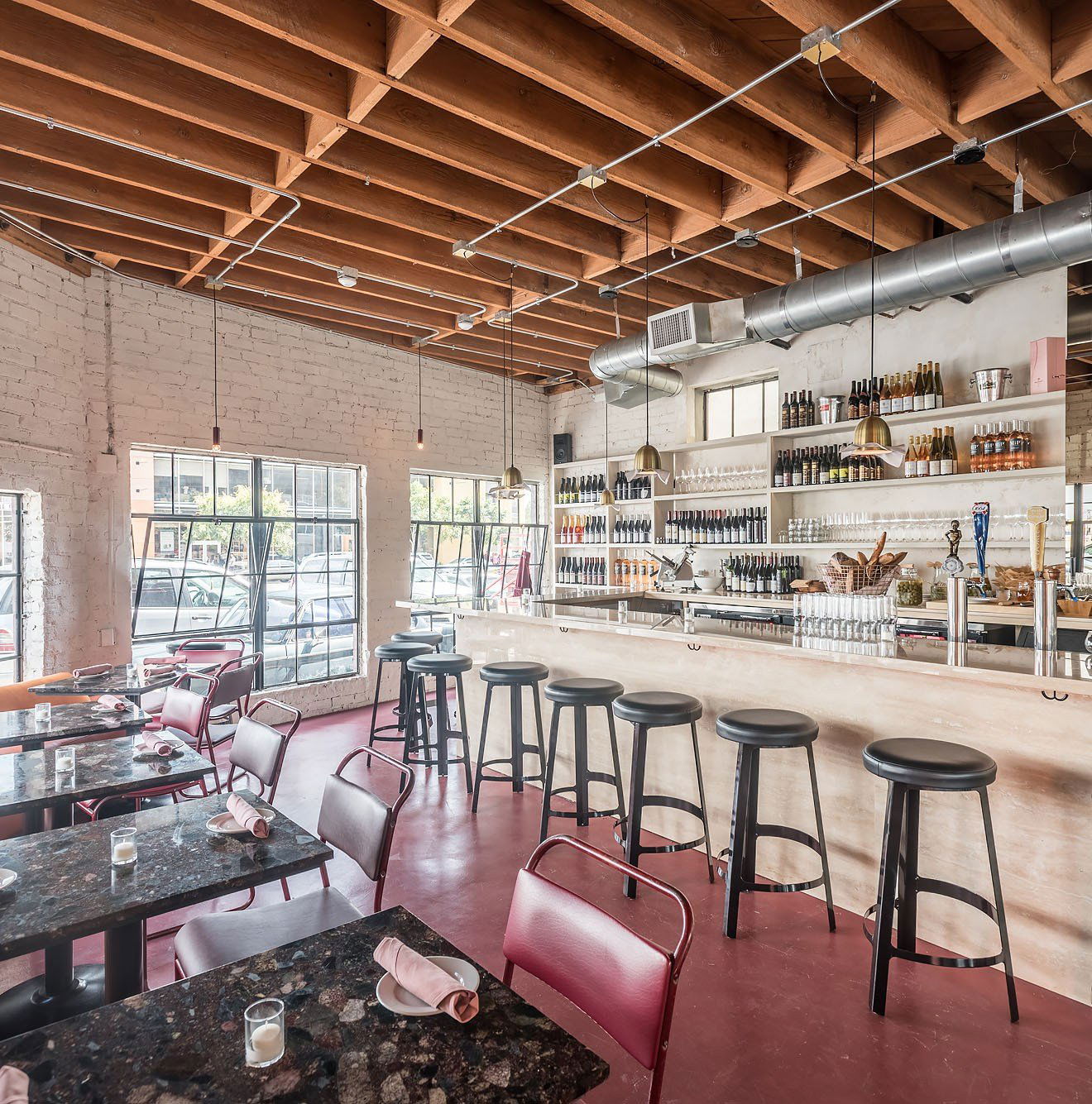
About Oriel Chinatown
This listing is retired after a June 2026 status audit.
Chinatown's Quiet Bar Current
Los Angeles's Chinatown has been running a slow but legible transformation for the better part of a decade. The neighbourhood that once drew visitors mainly for dim sum and herbal shops has accumulated a second layer of activity, one that includes galleries, small wine bars, cocktail-forward rooms that attract a local crowd rather than a tourist circuit. Oriel Chinatown, at 1135 N Alameda St, sits inside this secondary current, occupying a space where the draw is accumulative rather than spectacular. This is not a bar that announces itself loudly from the street; it is the kind of address that settles quickly into a local routine for people who live or work nearby.
What Regulars Actually Come Back For
In a city where bar concepts often pivot on novelty, the addresses that build a returning clientele tend to do so through consistency and a certain legibility of atmosphere. The bar at Oriel Chinatown appears to operate on that logic. It is a bar in Los Angeles at 1135 N Alameda St, with a price tier of 3 and an average spend of about $40 per person, it suits a casual smart-casual stop in Chinatown. Regulars at this category of venue are not primarily chasing a chef's biography or a tasting menu arc; they are returning to a room that functions well on a Tuesday as much as a Friday, where the staff recognises faces and where the drinks program does not require a briefing to navigate.
That dynamic is worth understanding in the context of the broader Los Angeles cocktail scene. Bars like Death & Co (Los Angeles) carry significant programme weight, drawing first-time visitors on reputation and keeping them through the depth of the menu. Bar Next Door and Mirate occupy different positions in the city's bar geography, each with a defined identity that shapes who walks in and why. Oriel Chinatown is positioned differently: it is a neighbourhood anchor in a neighbourhood that is still consolidating its evening identity, which means it serves a cross-section of Chinatown residents, Arts District workers who spill west, the kind of bar-aware visitor who researches three stops ahead rather than following a single hot-list.
The Chinatown Address and What It Implies
Alameda Street at the northern edge of Chinatown sits between the Arts District to the south and Lincoln Heights to the north, a corridor that has absorbed a significant amount of creative migration over the last several years. The address puts Oriel Chinatown at a genuine intersection of communities rather than squarely inside a single neighbourhood identity. That geographic positioning shapes the clientele in ways that a venue on, say, a more defined dining street would not experience. The regulars here are not a homogeneous group drawn by a single cuisine flag or price point; they are a cross-neighbourhood mix whose loyalty reflects proximity and atmosphere in roughly equal measure.
For visitors coming from outside the immediate area, the logistics are worth noting. Alameda Street is accessible from the 101 freeway and sits within a short distance of Union Station, making it reachable by Metro for those avoiding the standard Los Angeles driving calculus. Street parking in the blocks around N Alameda runs easier than in neighbouring downtown corridors, particularly earlier in the evening. These are not incidental details: in a city where the friction of getting somewhere shapes whether people return, a bar with manageable logistics accumulates regulars faster than one that requires a commitment of forty minutes and a parking garage.
Where Oriel Chinatown Sits in the Regional Bar Conversation
Contextualising a bar like Oriel Chinatown requires looking at what serious cocktail programming looks like across comparable American cities. The West Coast has its own version of this conversation: ABV in San Francisco operates as a benchmark for a certain category of technically serious neighbourhood bar, one where the program is not performing for critics but genuinely functioning for a regular crowd. On the other coast, Superbueno in New York City illustrates how a neighbourhood identity can become a full creative premise rather than merely a geographic tag. Further afield, Kumiko in Chicago and Jewel of the South in New Orleans show how bars that occupy a specific cultural and historical position can build deep local loyalty without chasing national attention cycles.
In the Pacific region more broadly, Bar Leather Apron in Honolulu demonstrates what happens when a bar commits to craft and consistency in a market not known primarily for cocktail culture. Oriel Chinatown occupies an analogous position within Los Angeles's Chinatown: it is not operating at the centre of the city's most-discussed bar corridor, but that distance from the spotlight is precisely what allows a certain kind of regulars' culture to form.
Bars built on returning clientele tend to operate differently from bars built on first impressions. The standard markers, such as Standard Bar and the more theatrical program formats seen elsewhere in the city, prioritise a legible experience that reads well on a first visit. Regulars' bars prioritise a different kind of consistency. The seasonal programs at Julep in Houston or the deliberate format at The Parlour in Frankfurt on the Main show how bars across different markets build the kind of depth that rewards the fifteenth visit differently from the first. Oriel Chinatown appears to be working within that same logic, in a neighbourhood that is still building its critical mass of regulars.
Planning a Visit
Given the venue's position as a neighbourhood regular rather than a destination draw, the most natural approach is to treat it as part of a Chinatown or Arts District evening rather than a standalone trip. Arriving earlier in the week reduces the Alameda Street foot traffic considerably and tends to reflect the bar at its most characteristic, when the crowd is predominantly local and the pace is conversational.
Location
1135 N Alameda St, Los Angeles, CA 90012
Los Angeles, United States
Explore Los Angeles
Save or rate Oriel Chinatown on Pearl
Keep this venue in your Pearl passport, rate it after you visit, and track it alongside every other place you collect.