Boundary Shoreditch
Bethnal Green, London
Bar in London, United Kingdom
 Book with Pearl
The Read
Price
$30–50per person
Why go
Boundary Shoreditch is a sensible pick when the priority is an easy Shoreditch meeting point with a polished setting. Choose it for a date, celebration drink, or pre-dinner round; compare Seed Library, Lounge Bohemia, and Callooh Callay if the cocktail program is the main reason for going out.
About Boundary Shoreditch
Boundary Shoreditch is a London venue with a smart casual dress code. Beyond that, public details are limited here, so plan through the venue's official channels before making a booking or arranging a visit.
Use it as one London option to check when you are comparing venues for a polished outing. For wider planning, use our full London bars guide, our full London restaurants guide, and our full London hotels guide.
Choose it when a smart casual London venue fits the plan
The clearest planning detail for Boundary Shoreditch is the smart casual dress code. If you are comparing it with other London venues, you might also look at Seed Library, Lounge Bohemia, Callooh Callay, Shoreditch Wine House, or The Cocktail Trading Co.
For a special occasion or group plan, confirm the current booking process, opening details, and offering directly with Boundary Shoreditch before committing. For broader trip planning, keep our full London wineries guide and our full London experiences guide open too.
Planning details
- Location
- 2-4 Boundary St, London E2 7DD, United Kingdom
- Website
- boundary.london
- Phone
- +44 20 7729 1051
The take
The Take
The Vibe
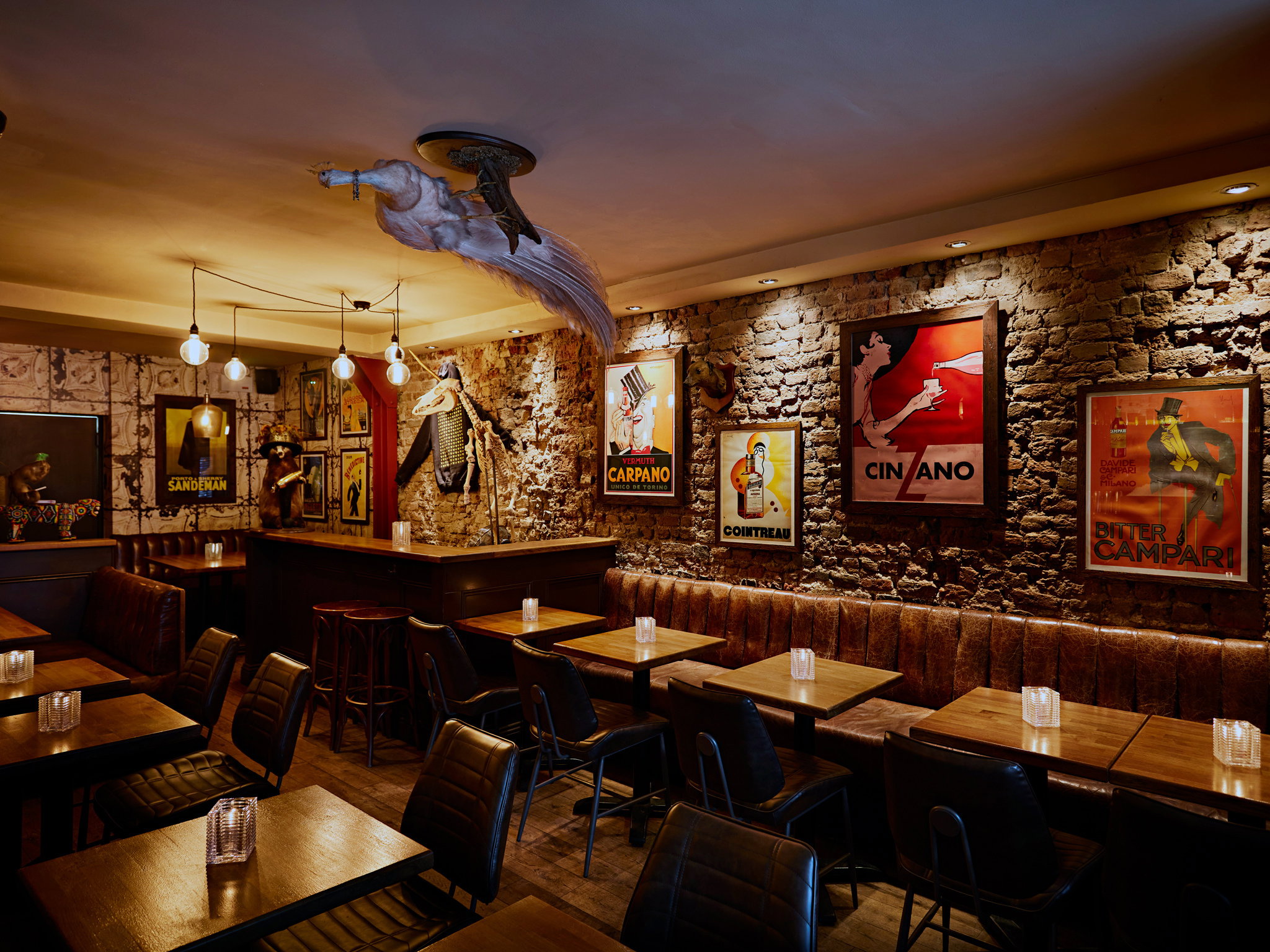
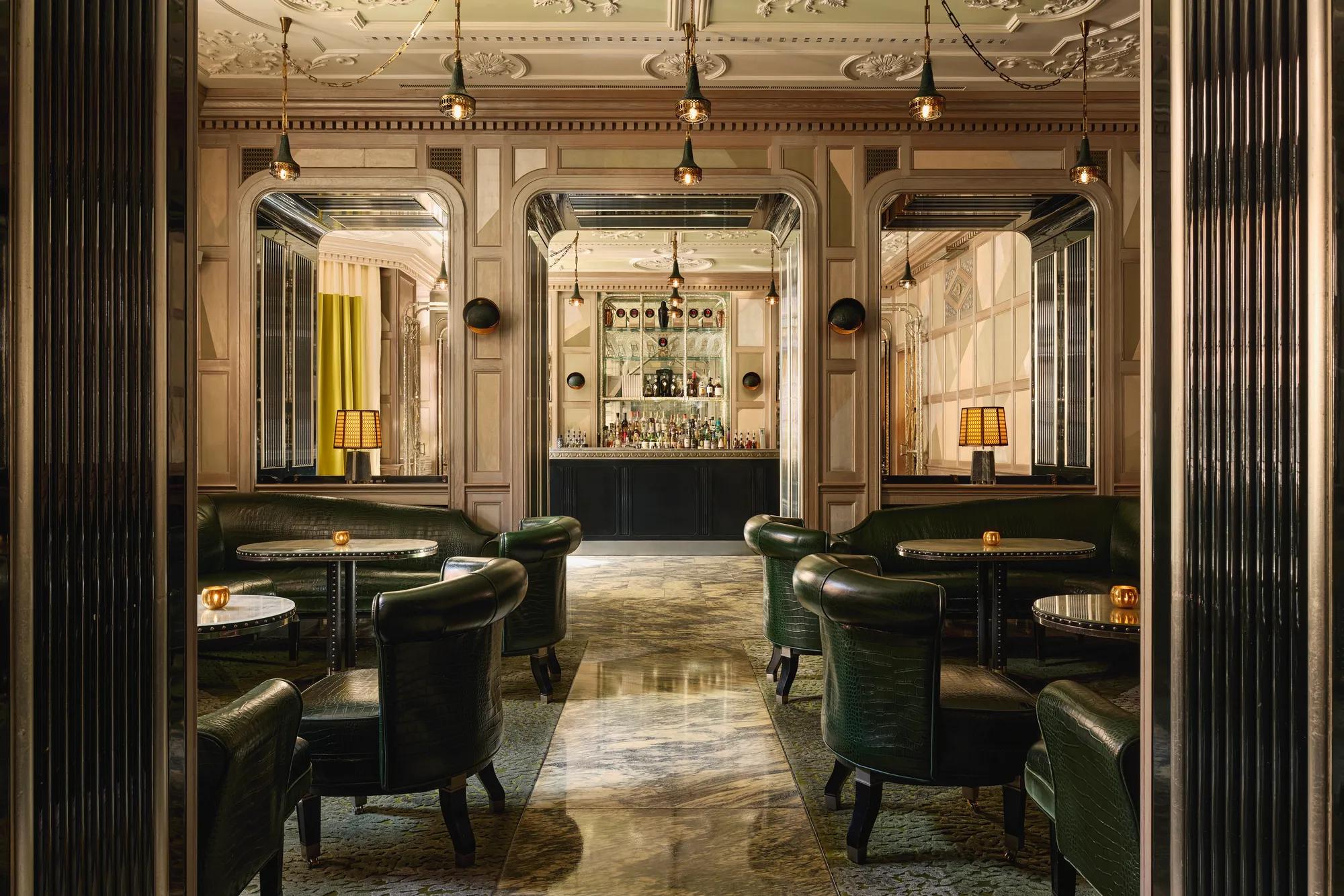
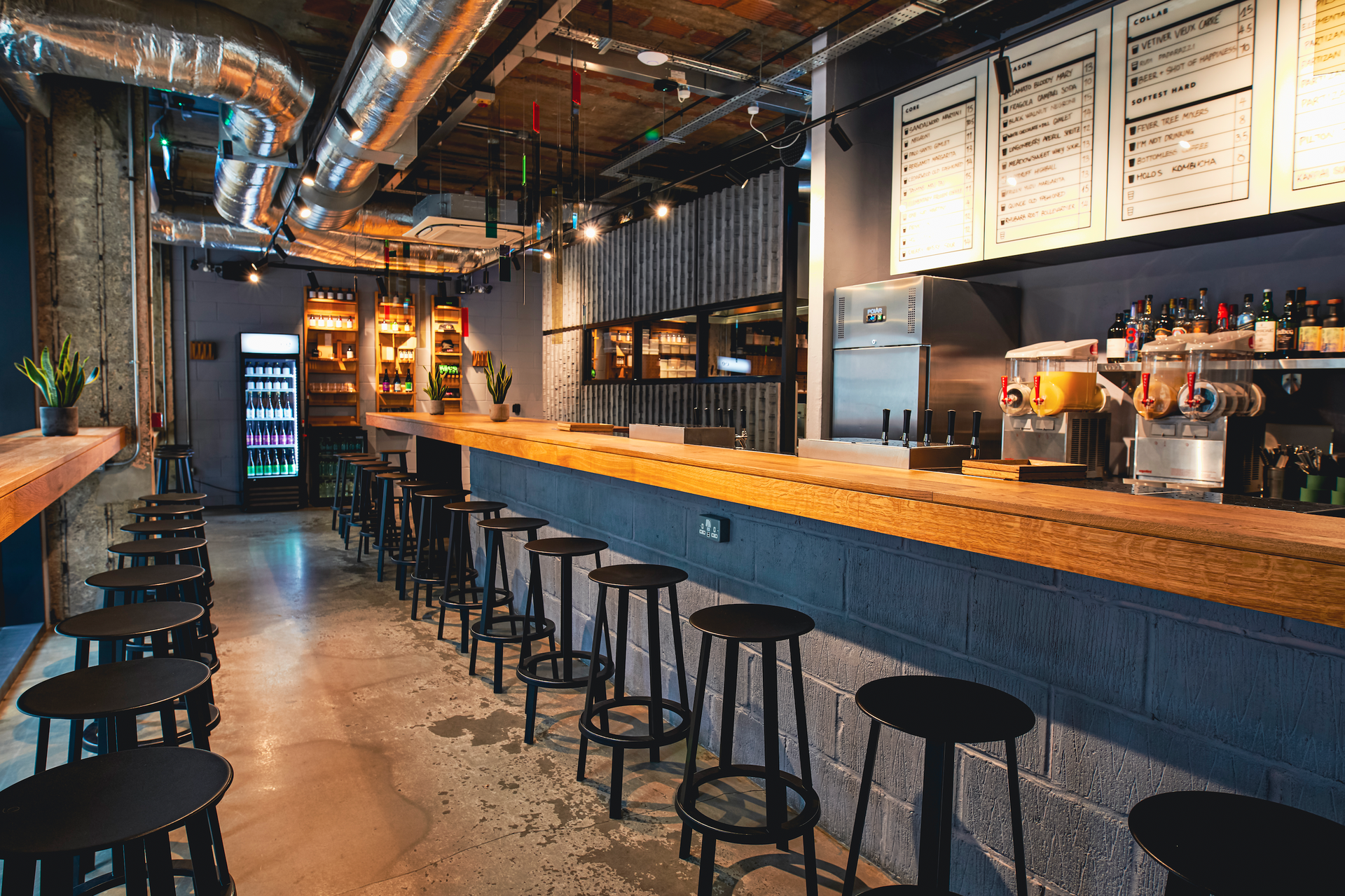
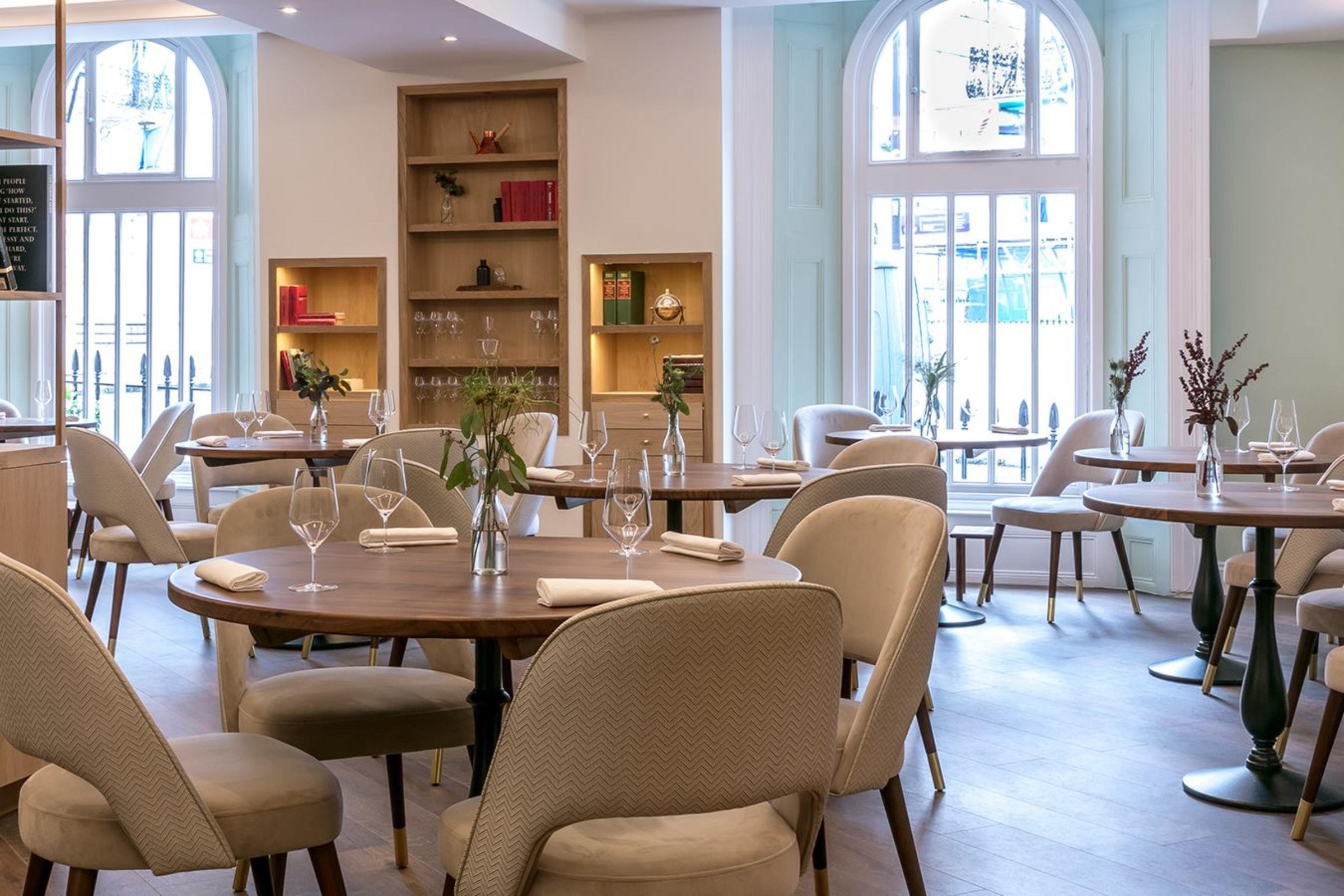
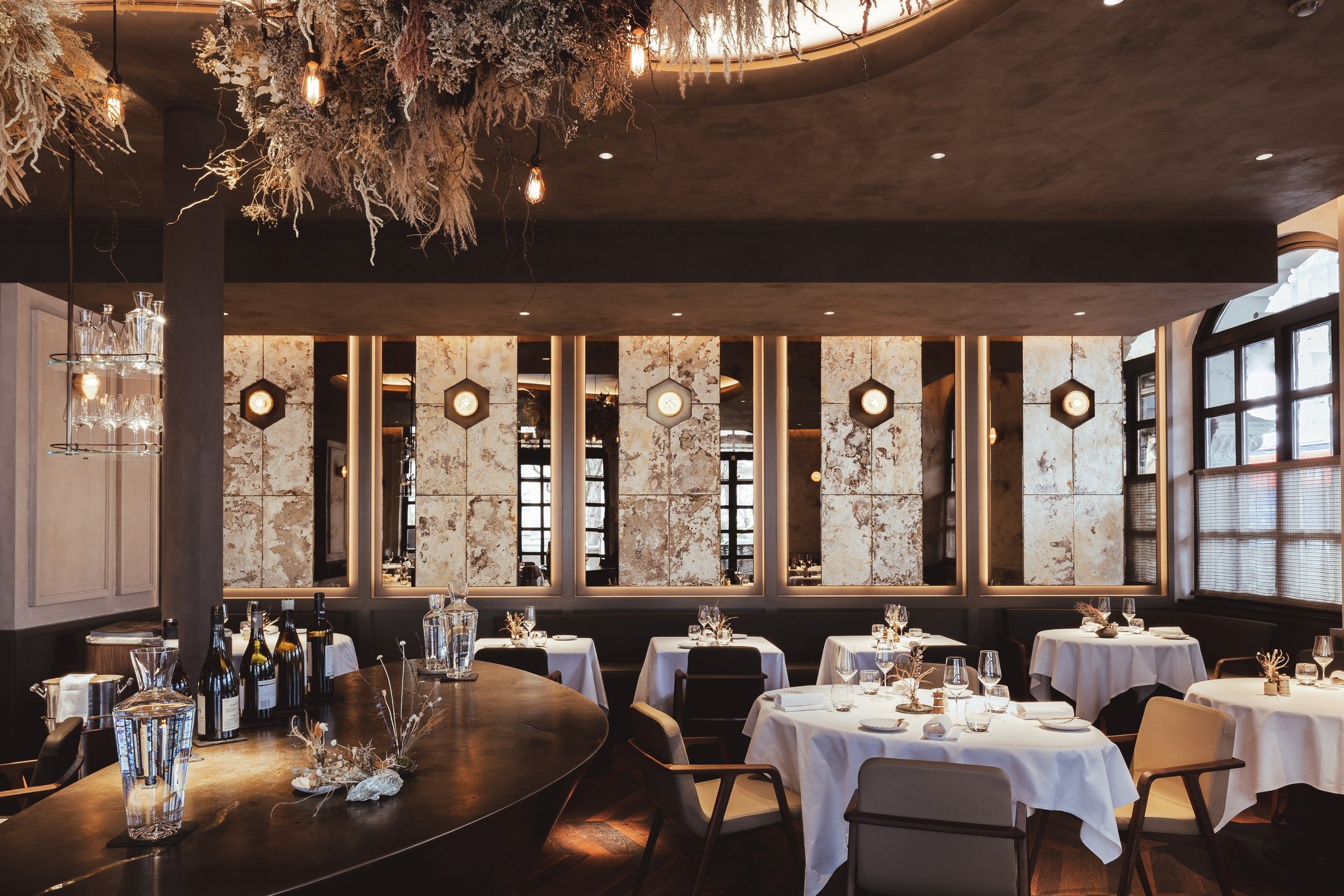
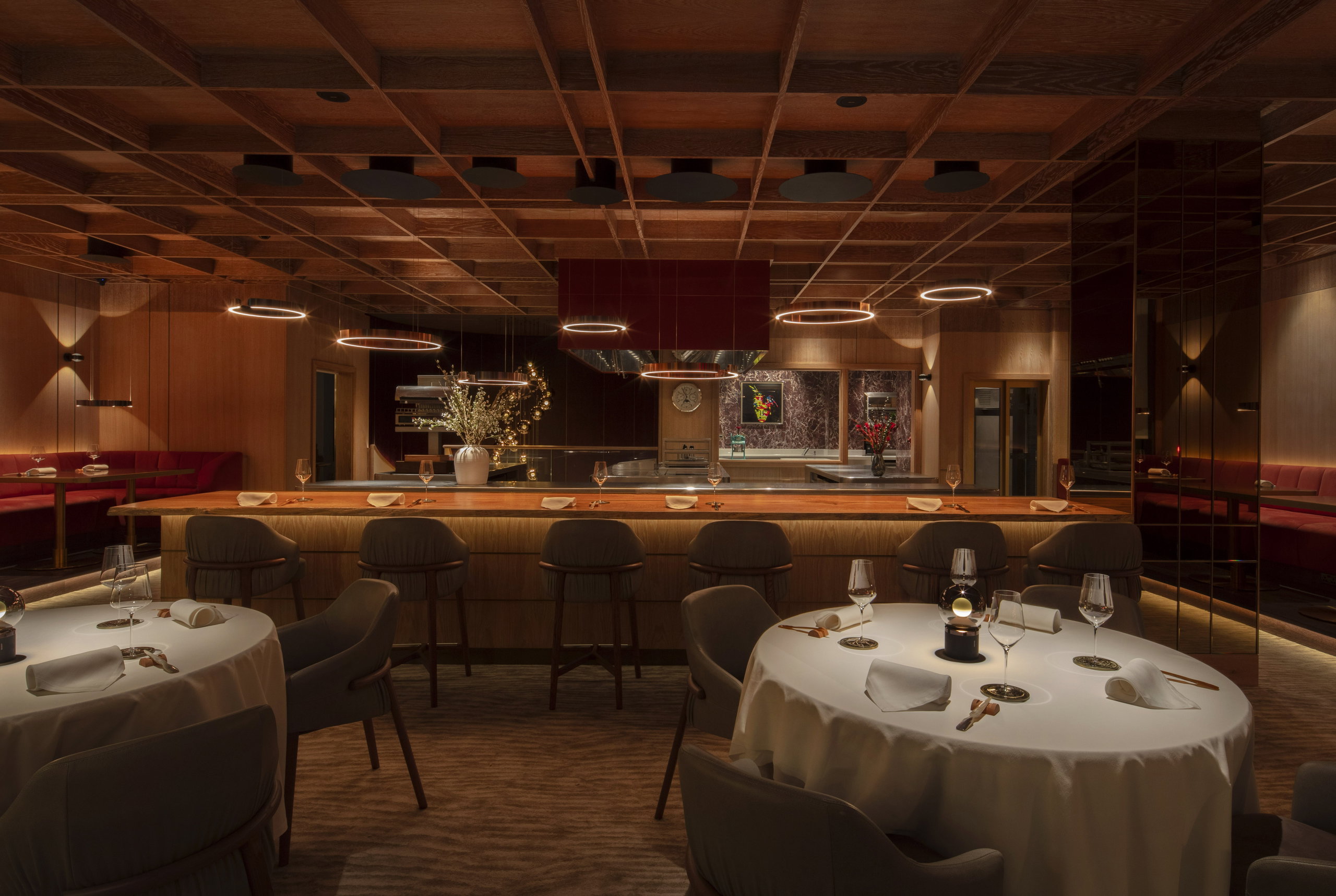
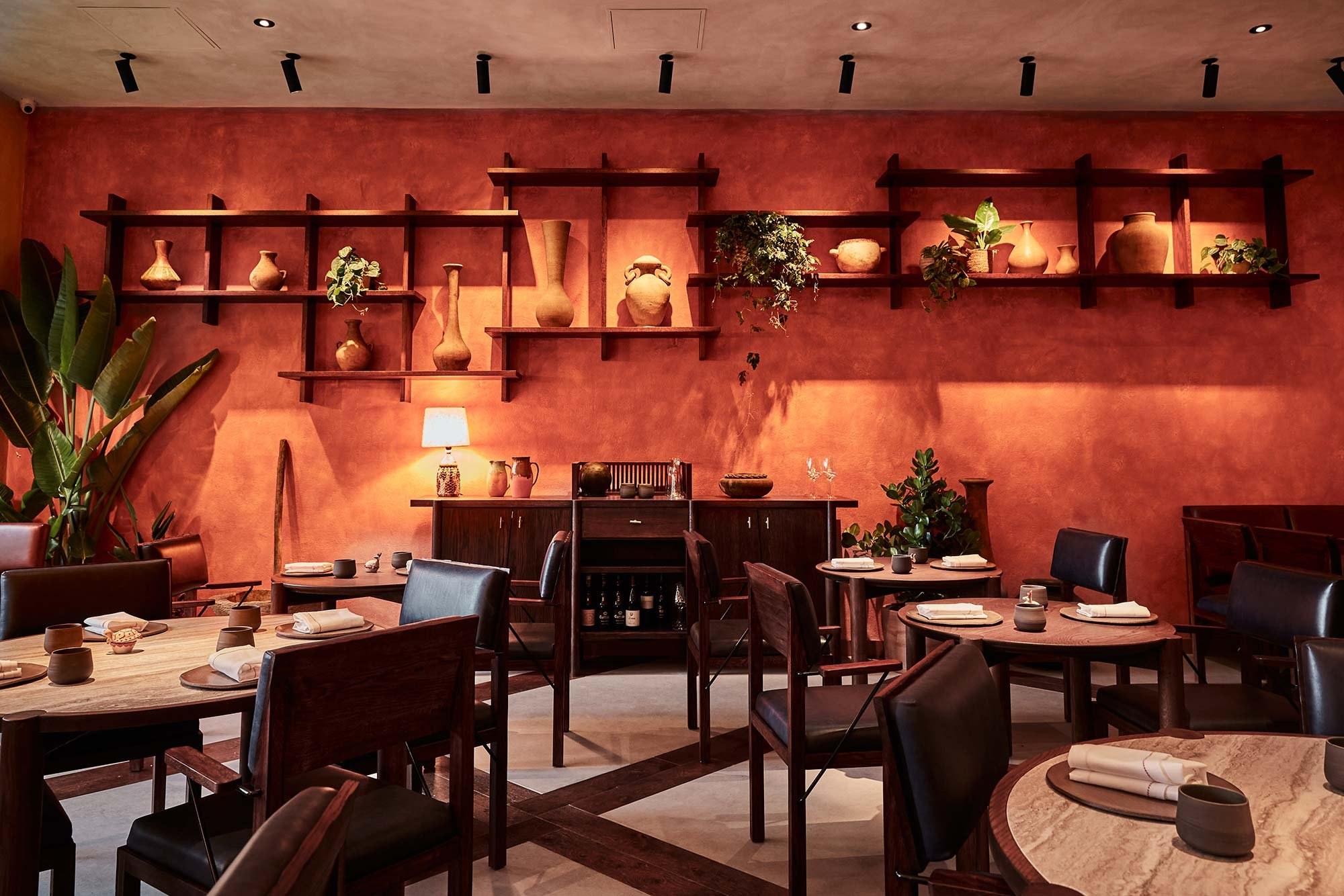
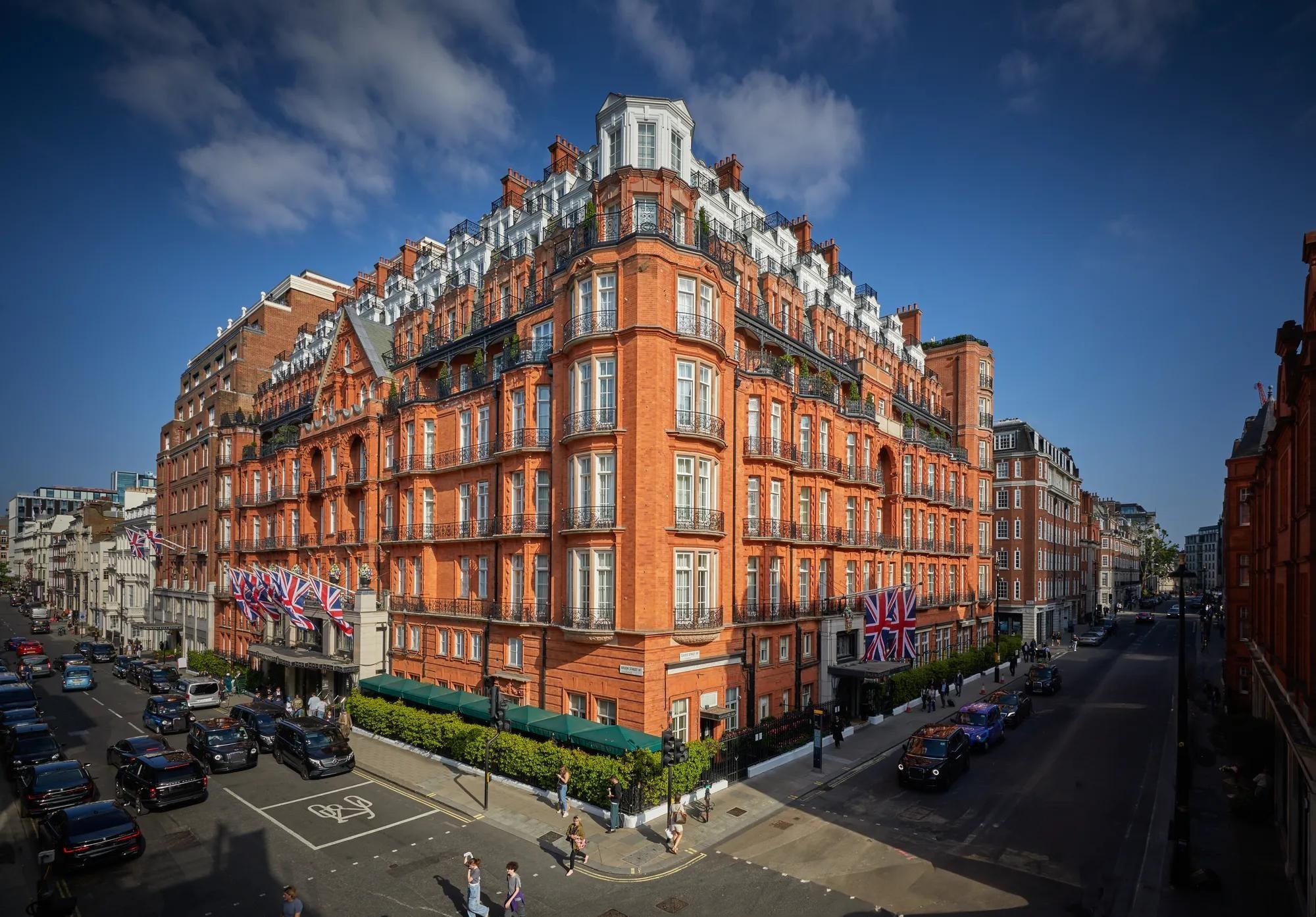
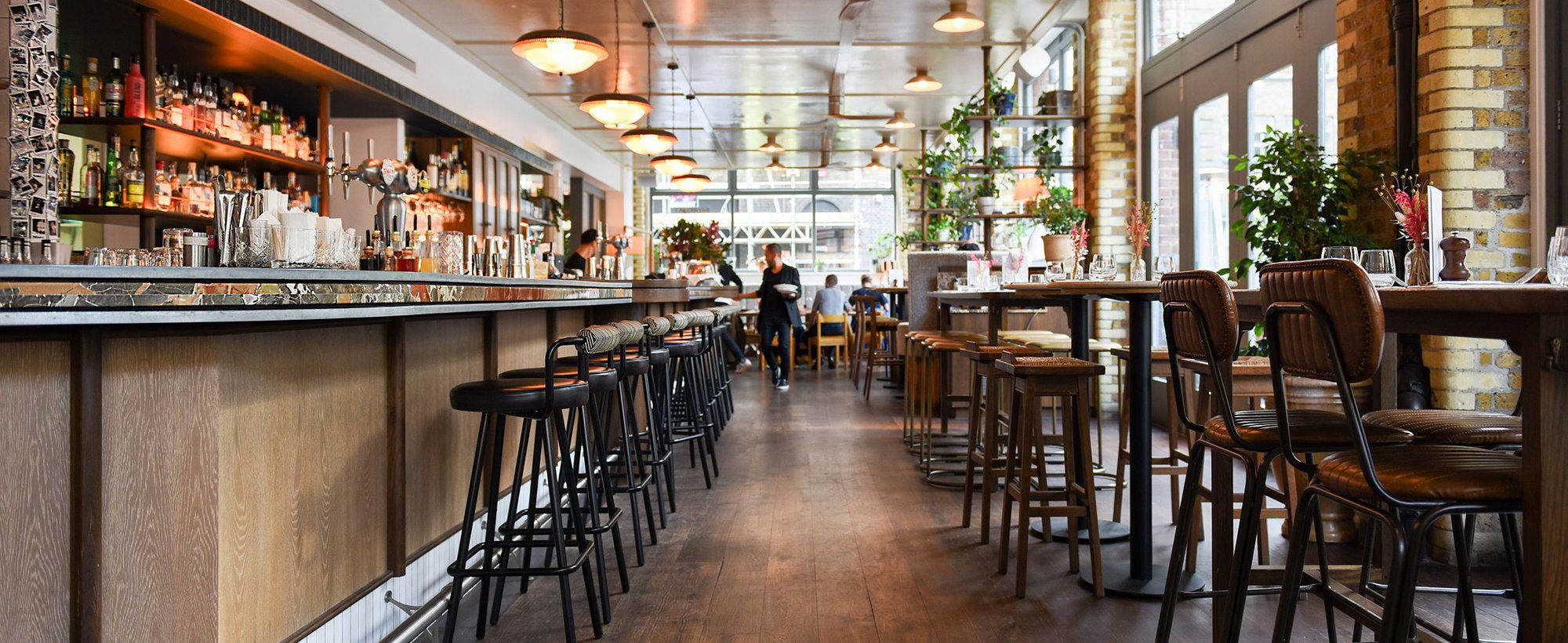
Boundary Shoreditch occupies a converted warehouse on Boundary Street and reads like a piece of East London’s architectural evolution. The building’s layered programme—multiple formats stacked under one roof—gives the venue an industrial, deliberately curated feel rather than a single-minded bar identity. The copy positions Boundary within Shoreditch’s more considered phase: the neighbourhood’s novelty era has given way to technical rigour, and Boundary presents itself as an organised, design-forward expression of that shift. Expect the space to feel crafted and purposeful, with distinct areas that reflect different moods across the day and evening.
Best For
Boundary is built around variety: several formats across one building mean it suits different parts of an outing rather than a single use. Because each room or floor is designed to serve different hours, the place works for daytime drinking and casual lunches that evolve into an evening of more serious cocktails and dinner. Readers should think of it as a flexible Shoreditch destination where a daytime visit can segue into dinner and late-night drinks without changing neighbourhood. The venue’s emphasis on pairing food and drinks also makes it a good pick for those who want thoughtful hospitality rather than purely theatrical service.
Ordering Tips
The write-up stresses that food and drinks are conceived together, so approach ordering with pairing in mind: ask staff how plates are intended to interact with the cocktail or wine list. Because the bar programme is described as technically rigorous, request recommendations from bartenders about contrasts or complements to the kitchen’s dishes. If you’re visiting across different hours, consider choosing lighter, sharing-led plates earlier and moving to more composed dishes when you shift into dinner mode—this follows the venue’s own logic of formats that serve distinct parts of the day.
Venue details
Ambiance
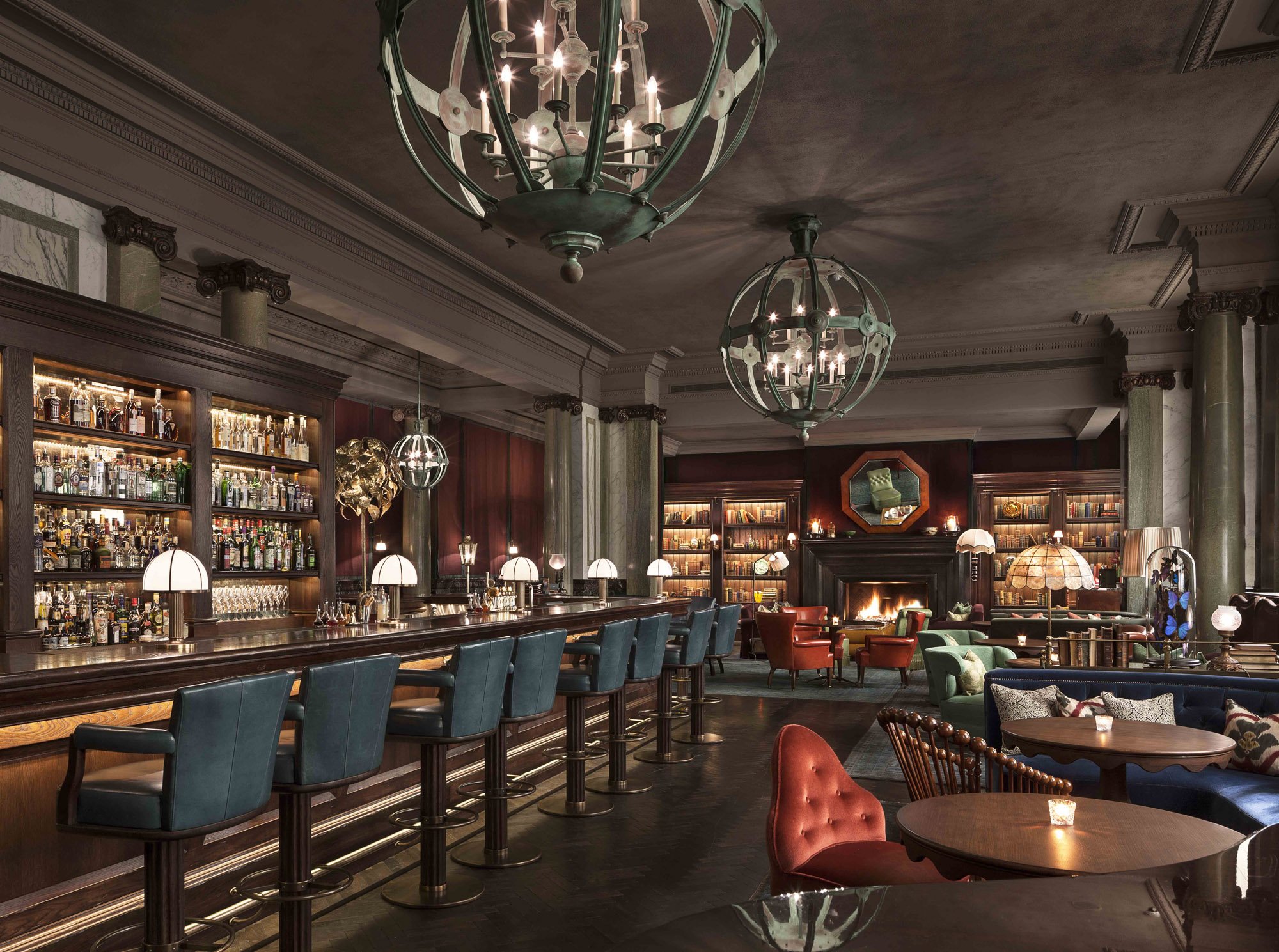
Glamorous and lush with wood-burning fire, sculpted garden, olive trees, and floor-to-ceiling glass walls offering dramatic city vistas.
Tags
Vibe
Best For
Experience
Format
View
At the Bar
- Bar Category
- Rooftop Bar
- Late Night
- Closes by Midnight
- Spirits Focus
- Rum, Vodka, Whiskey, Gin, Tequila
Signature Pours
- Boundary Street Grey Goose Peach & Rosemary
- Margarita Cazcabel Blanco
- Hoxton London Spritz
Know before you go
Know Before You Go
- Getting there
- 2-4 Boundary St, London E2 7DD, United Kingdom
Planning details
Location
Also consider
Also Consider
- Shoreditch Wine House, Notable alternative
- Seed Library, Notable alternative
- Lounge Bohemia, Notable alternative
- The Cocktail Trading Co, Notable alternative
- Callooh Callay, Notable alternative
Bar context
How Boundary Shoreditch compares in Shoreditch
Boundary Shoreditch is the easiest recommendation here for low-friction plans: a polished Shoreditch base when the group cares about location and atmosphere more than bar-geek credentials. Shoreditch Wine House is the cleaner choice if the night is wine-led, while Seed Library is a stronger fit when cocktails are the point rather than a convenient add-on.
For a more distinctive cocktail night, Lounge Bohemia and Callooh Callay are better cross-shops, especially for guests who want the bar itself to drive the occasion. Boundary Shoreditch makes more sense for mixed groups, dates, and business-adjacent drinks where ease matters.
The Cocktail Trading Co is the one to consider when the group wants a livelier, more drinks-forward night. If the brief is smoother logistics and a Shoreditch address that keeps the rest of the evening flexible, Boundary Shoreditch is the safer call.
Around this place
Discover more on Pearl
Unlock the full Boundary Shoreditch guide in Pearl, including awards, comparisons, FAQs, planning details, and nearby places.
Compare Boundary Shoreditch
| Venue | Location | Awards |
|---|---|---|
| Boundary Shoreditch | London | No published awards |
| Shoreditch Wine House | London | No published awards |
| Seed Library | London | Top 500 Bars 2025 · #61 |
| Lounge Bohemia | London | 2011 World's 50 Best Bars · #43 |
| The Cocktail Trading Co | London | No published awards |
| Callooh Callay | London | No published awards |


How Boundary Shoreditch London compares with similar nearby venues.
FAQ
Frequently Asked Questions
What is Boundary Shoreditch known for?
Boundary Shoreditch is a London venue. The planning detail available here is that the dress code is smart casual.
Where is Boundary Shoreditch located?
Boundary Shoreditch is located in London.