Tasca Pete
Estefania, Lisbon
Bar in Lisbon, Portugal
 Book with Pearl
Why go
Tasca Pete is a practical Lisbon pick for a casual, low-pressure evening rather than a special-occasion meal or cocktail destination. Go when the plan is a simple round in a neighborhood setting; choose a more clearly defined peer if the night needs food focus, cultural programming, or date-night polish.
About Tasca Pete
Tasca Pete is a Lisbon venue with a casual dress code and a limited weekly schedule. It opens Wednesday through Saturday from 6 PM to 12 AM, and it is closed Sunday, Monday, and Tuesday. Treat it as a Lisbon option if those basic facts match the plan, and confirm current details directly before going.
Planning around limited details
The useful case here is less about a listed price point and more about expectations. This is not the venue to choose when the night depends on a known menu, cuisine category, awards trail, or named drinks program. That is not a knock; it just means the decision should be practical, with the venue understood as a Lisbon stop rather than a fully documented culinary anchor. Use Pearl's Lisbon restaurants guide if the night needs a more food-led plan afterward.
The most useful planning detail is the schedule: Tasca Pete is open from 6 PM to 12 AM on Wednesday, Thursday, Friday, and Saturday. That makes it relevant for evening plans, but not for lunch or early-week visits. For a reader comparing options across the city, Pearl's Lisbon bars guide is the better place to shortlist a fuller night out, while this venue works as a narrower choice when the hours and casual dress code are enough.
Who should choose it next time
Choose Tasca Pete if the plan is casual, evening-based, and flexible. Skip it if the brief requires a defined cuisine, a published menu, a specific beverage program, outdoor seating, a documented reservation setup, or a clearly defined occasion experience. It is best treated as a simple Lisbon option rather than a venue to anchor an entire itinerary.
For planning around the rest of the trip, pair this kind of stop with broader Lisbon research rather than forcing it to carry the night. Pearl's Lisbon hotels guide, Pearl's Lisbon experiences guide, and Pearl's Lisbon wineries guide are more useful if the evening is part of a larger itinerary, because they can help frame where a casual evening stop fits. As a standalone decision, this is a yes only when the hours and casual dress code match the need, and a no for anyone needing defined food details, published accolades, or a formal reservation-led experience.
Planning details
- Location
- R. Angelina Vidal 24A, 1170-113 Lisboa, Portugal
- Website
- letsumai.com/widget/tasca-pete
The take
The Take
The Vibe
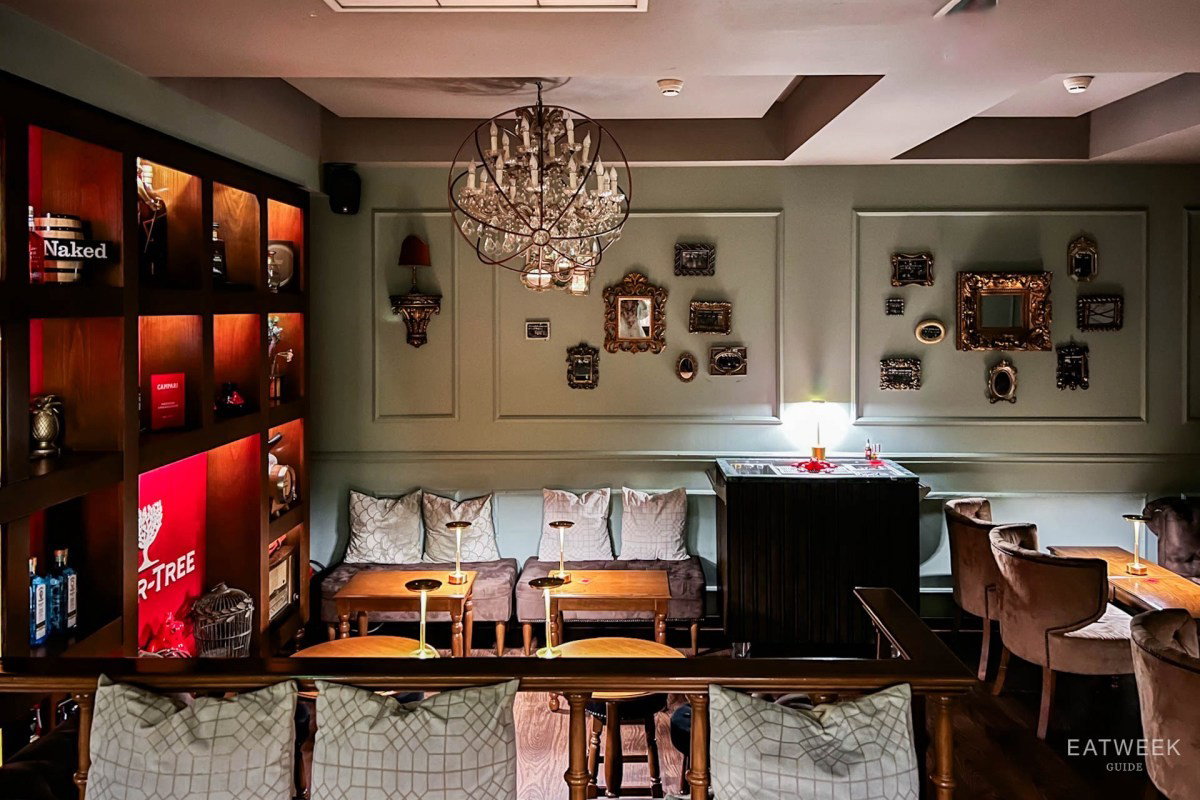
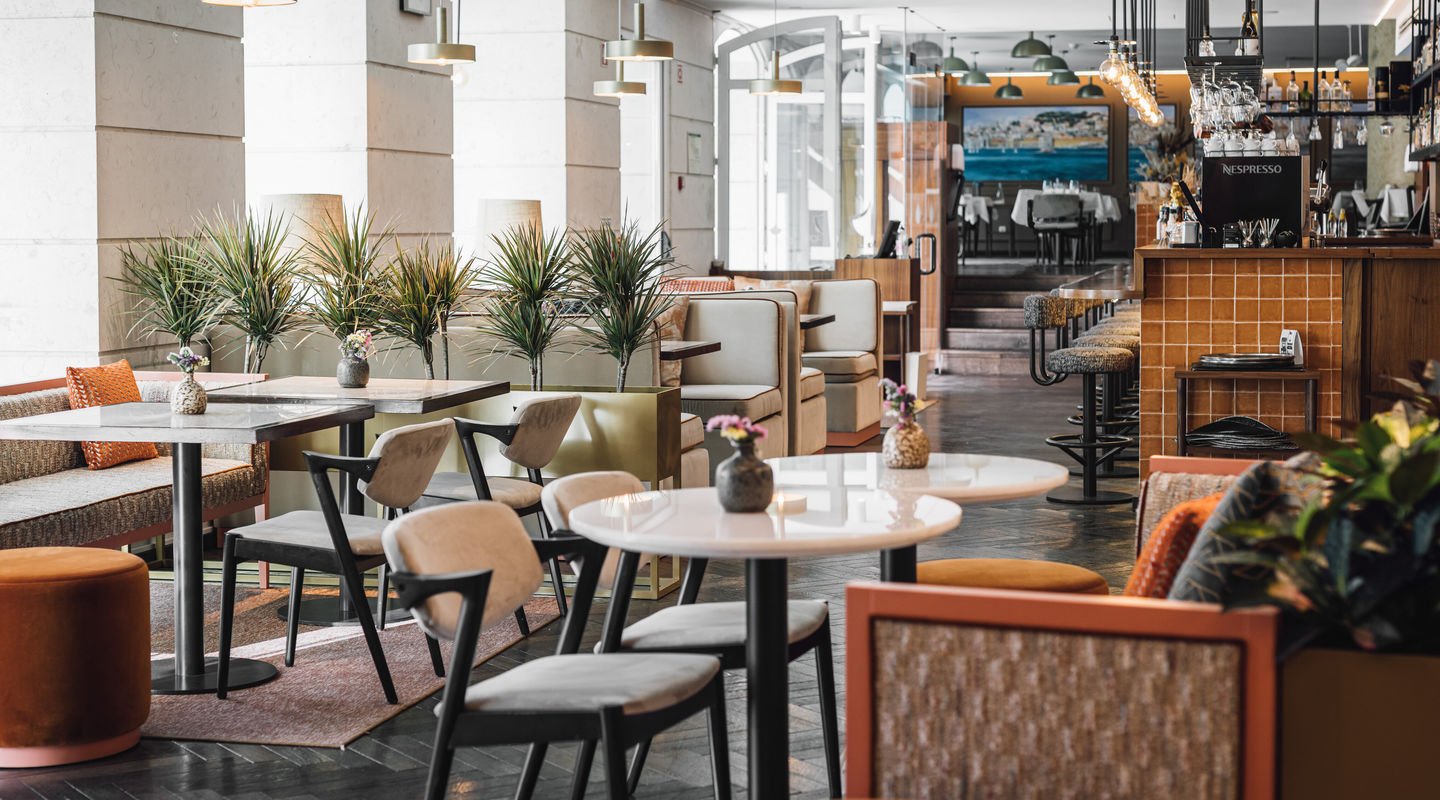
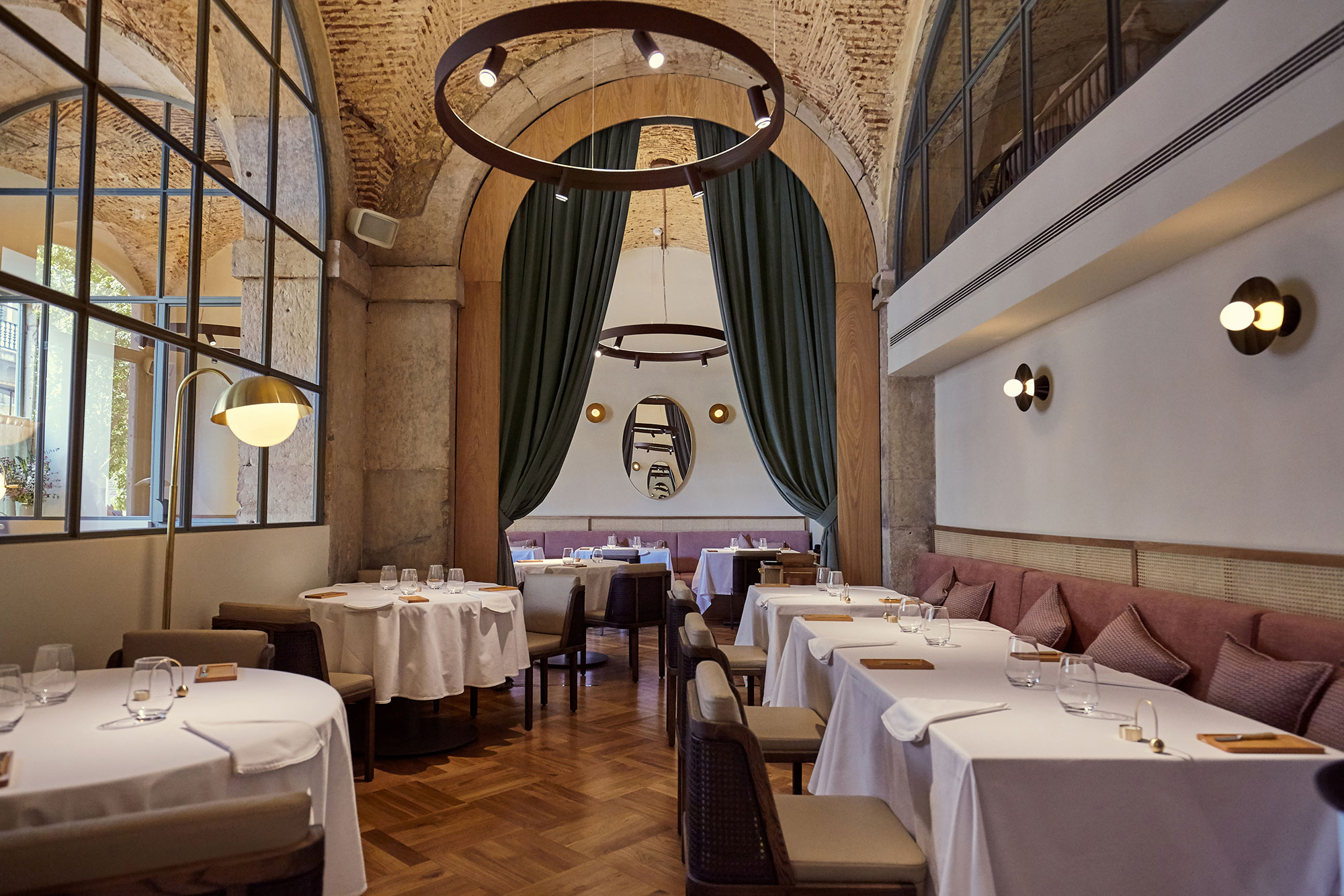
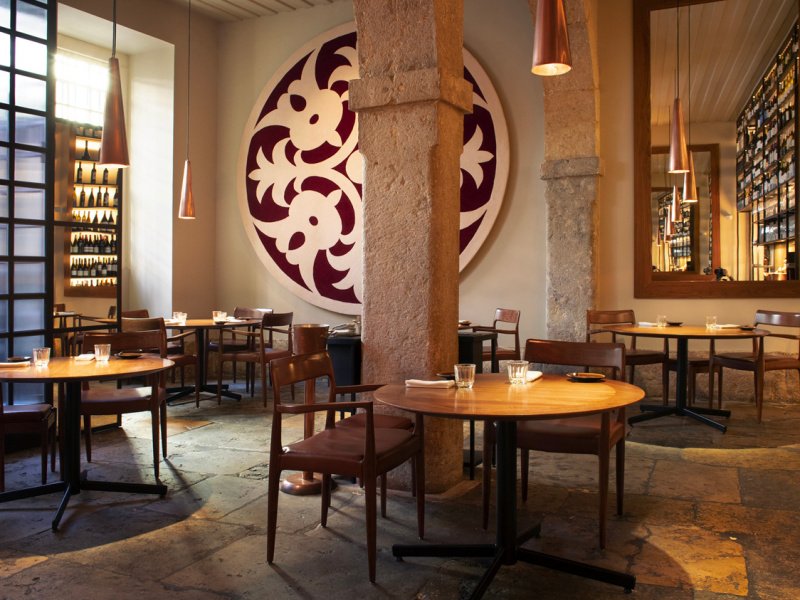
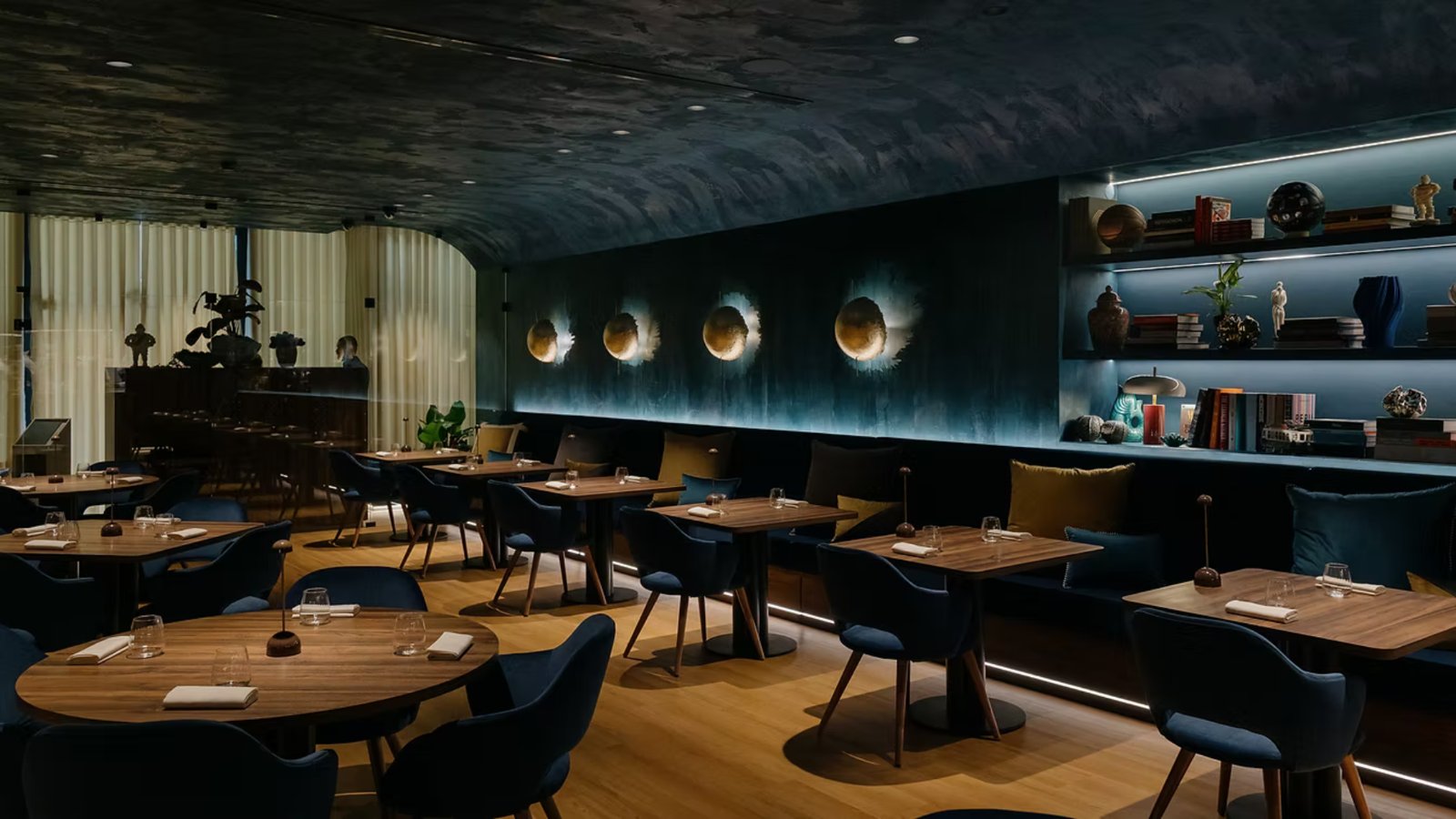
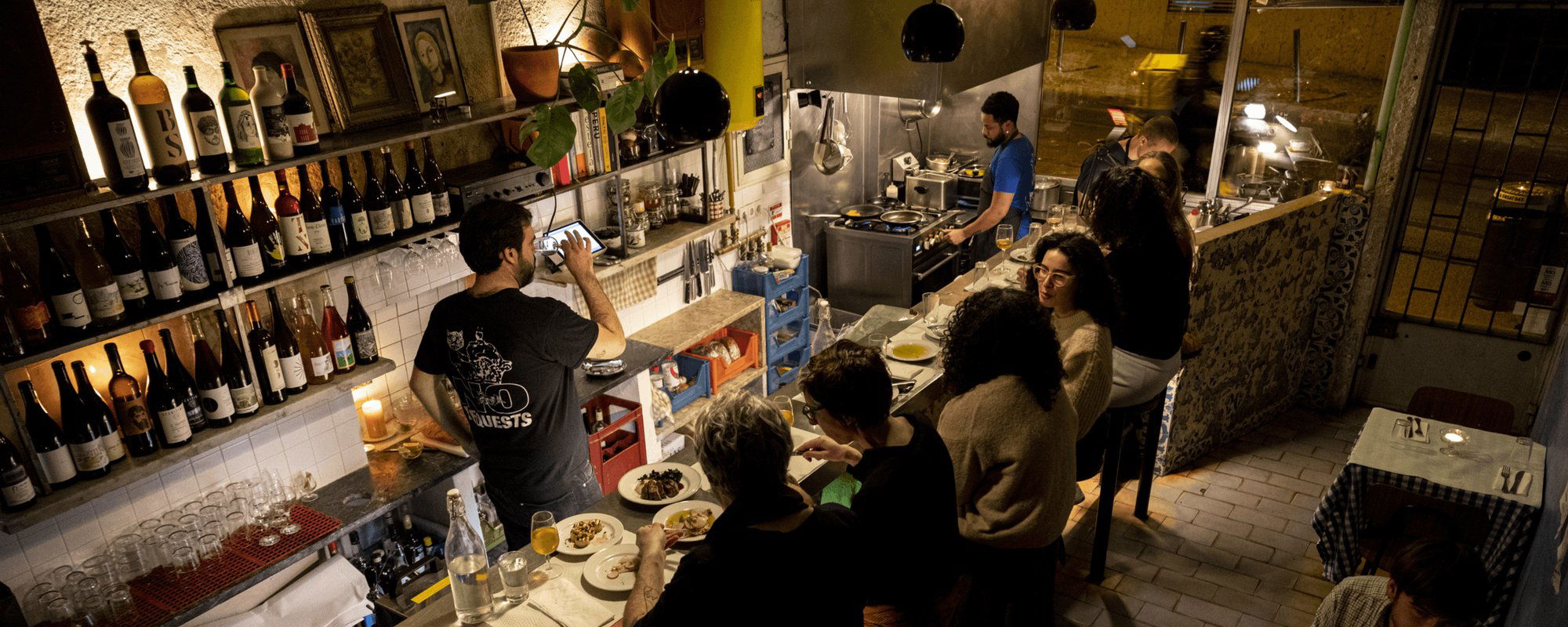
Tasca Pete reads like a preserved slice of Lisbon: a compact room with marble-topped tables, hand-written daily menus and wine poured from unlabelled ceramic jugs. It belongs to the city's tasca lineage, so the emphasis is on economy of space and intensity of social contact rather than on ceremony. The atmosphere is quietly historic and charming, where proximity shapes the evening—the architecture, the music that surfaces from open windows, and the improvised rhythms of service combine to create an authentic, unpretentious setting that privileges conversation and conviviality.
Best For
This is a place for unhurried, low-key evenings—ideal for casual meetups and close, conversation-driven date nights. The compact dining room encourages small parties and solo diners who enjoy interaction with staff and neighbouring tables; it skews local rather than touristy. Because the format revolves around daily kitchen output and a hands-on host, it suits people who appreciate spontaneous, shared dining experiences rather than formal multi-course events.
Ordering Tips
There’s no hiding behind a long printed menu—expect a hand-written daily selection and a host who reads the room and translates the kitchen’s offerings. Let staff guide you: ask what the kitchen has that day and be open to sharing plates or ordering a few small dishes to sample. The wine often comes from unlabelled jugs, so rely on the server’s suggestion if you want a local pour. Seating is close and service is informal, so prepare for friendly, direct interaction rather than ritualized table service.
Venue details
Ambiance
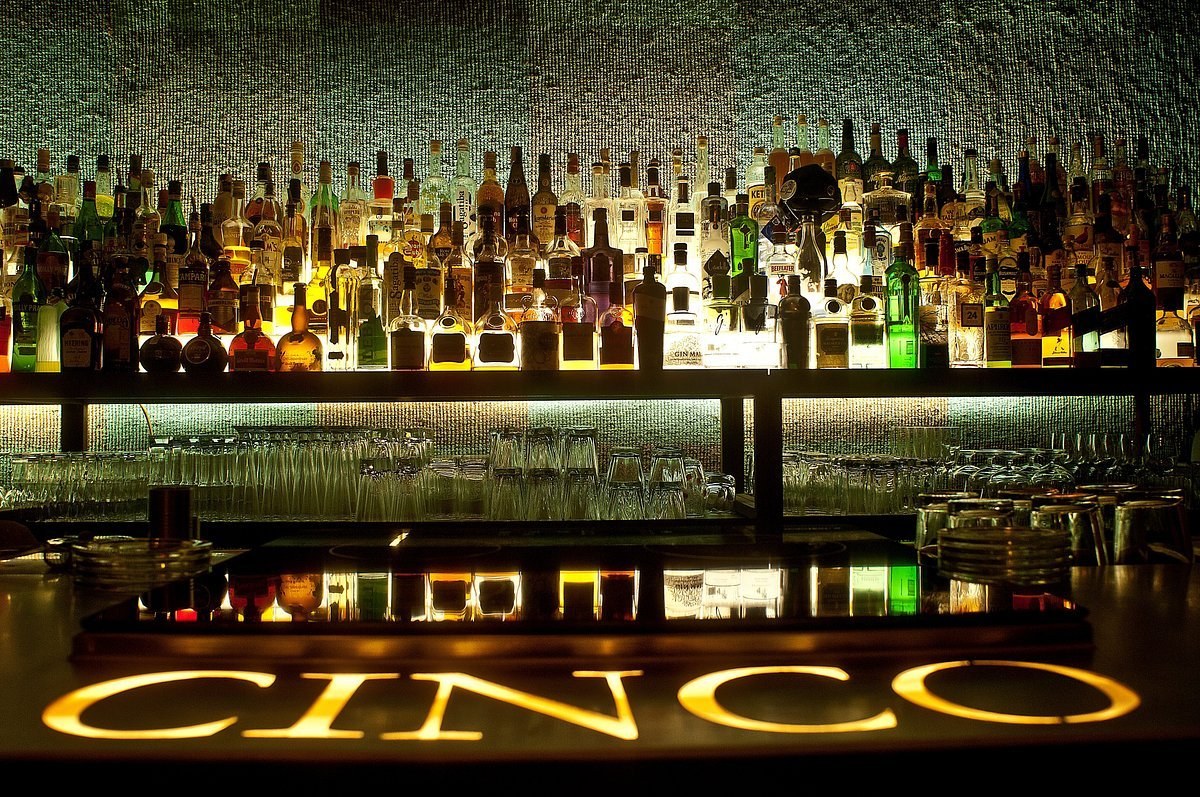
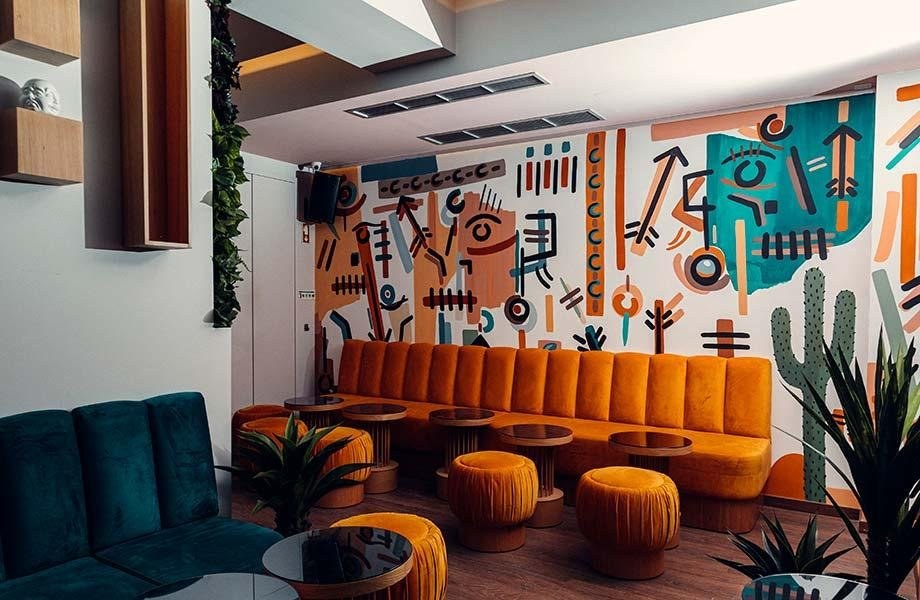
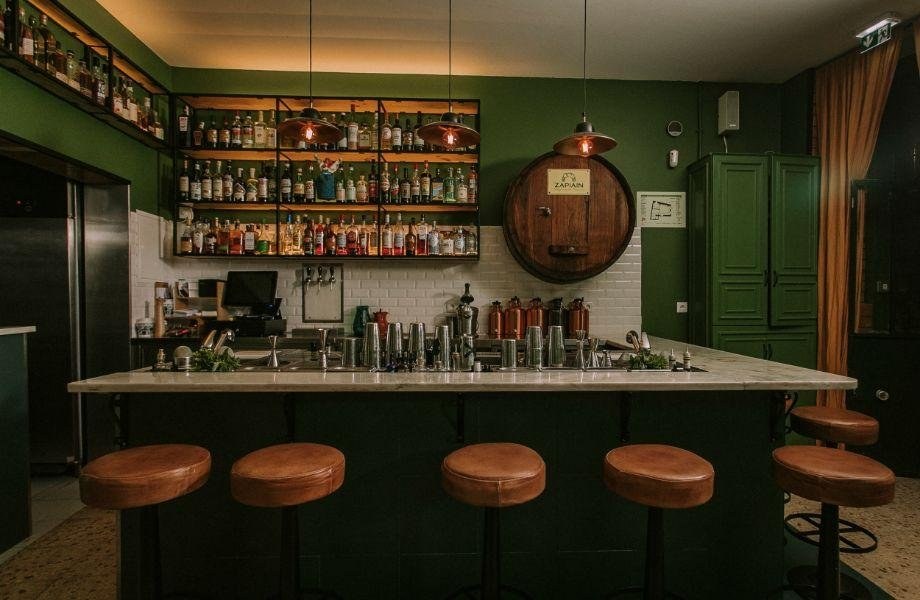
Cozy and relaxed atmosphere with exposed brick, simple wooden tables, traditional tiles, aluminum counter, and soft ambient music.
Tags
Vibe
Best For
Experience
Format
At the Bar
- Bar Category
- Wine Bar
- Late Night
- Closes by Midnight
- Music
- Ambient
Know before you go
Know Before You Go
- Getting there
- R. Angelina Vidal 24A, 1170-113 Lisboa, Portugal
Planning details
Location
R. Angelina Vidal 24A, 1170-113 Lisboa, Portugal · Directions
Also consider
Also Consider
- Crew Hassan - Cultural Cooperative C. L. R., Notable alternative
- Casa Independente, Notable alternative
- A Marisqueira do Lis, Notable alternative
- A Cabreira, Notable alternative
- Grupo Desportivo da Mouraria / Palácio dos Távora, Notable alternative
Bar context
How it compares in Lisbon
Choose Tasca Pete over Crew Hassan - Cultural Cooperative C. L. R. when the goal is a simpler bar stop rather than a cultural-cooperative night. Crew Hassan is the better fit for readers who want the venue itself to shape the evening; Tasca Pete makes more sense when the group wants an easier, less programmed round.
Casa Independente and Grupo Desportivo da Mouraria / Palácio dos Távora are stronger cross-shops for atmosphere-first plans. Pick those when ambiance and setting matter more than simplicity. Tasca Pete is the more practical choice when the night needs fewer moving parts and the group is not chasing a full cultural or social-club feel.
For food-led value, compare it with A Marisqueira do Lis or A Cabreira. Those are better candidates when dinner is the anchor. Tasca Pete is easier to justify as a casual drinks stop; if the budget is going toward a proper meal, put the spend toward one of the food-first peers instead.
Around this place
Discover more on Pearl
Unlock the full Tasca Pete guide in Pearl, including awards, comparisons, FAQs, planning details, and nearby places.
Compare Tasca Pete
| Venue | Location | Awards |
|---|---|---|
| Tasca Pete | Lisbon | No published awards |
| Crew Hassan - Cultural Cooperative C. L. R. | Lisbon | No published awards |
| Casa Independente | Lisbon | No published awards |
| A Marisqueira do Lis | Lisbon | No published awards |
| A Cabreira | Lisbon | No published awards |
| Grupo Desportivo da Mouraria / Palácio dos Távora | Lisbon | No published awards |
How Tasca Pete Lisbon compares with similar nearby venues.
FAQ
Frequently Asked Questions
Do I need a reservation at Tasca Pete?
For reservations, contact Tasca Pete directly before going. The schedule is Wednesday through Saturday from 6 PM to 12 AM, with Sunday, Monday, and Tuesday closed. Casa Independente is another venue you may want to compare while planning.
Is Tasca Pete good for a date?
It may fit a relaxed date if a casual Lisbon venue with evening hours is what you want. If the occasion depends on a specific atmosphere, seating setup, menu, or service style, confirm current details before going. Crew Hassan - Cultural Cooperative C. L. R. is another venue you may want to compare.
Is Tasca Pete open late?
Tasca Pete is open until 12 AM on Wednesday, Thursday, Friday, and Saturday. It is closed Sunday, Monday, and Tuesday. If you need another evening option to compare, Grupo Desportivo da Mouraria / Palácio dos Távora is worth checking.
Is Tasca Pete good for groups?
For group plans, contact Tasca Pete directly about seating capacity and reservations. The limited opening days and evening-only hours matter for planning, so larger plans should be checked directly with the venue before you go. Casa Independente is another option to compare while planning.