
Bar in Lisbon, Portugal
Pastelaria Benard
100ptsFrench-Tradition Pastelaria
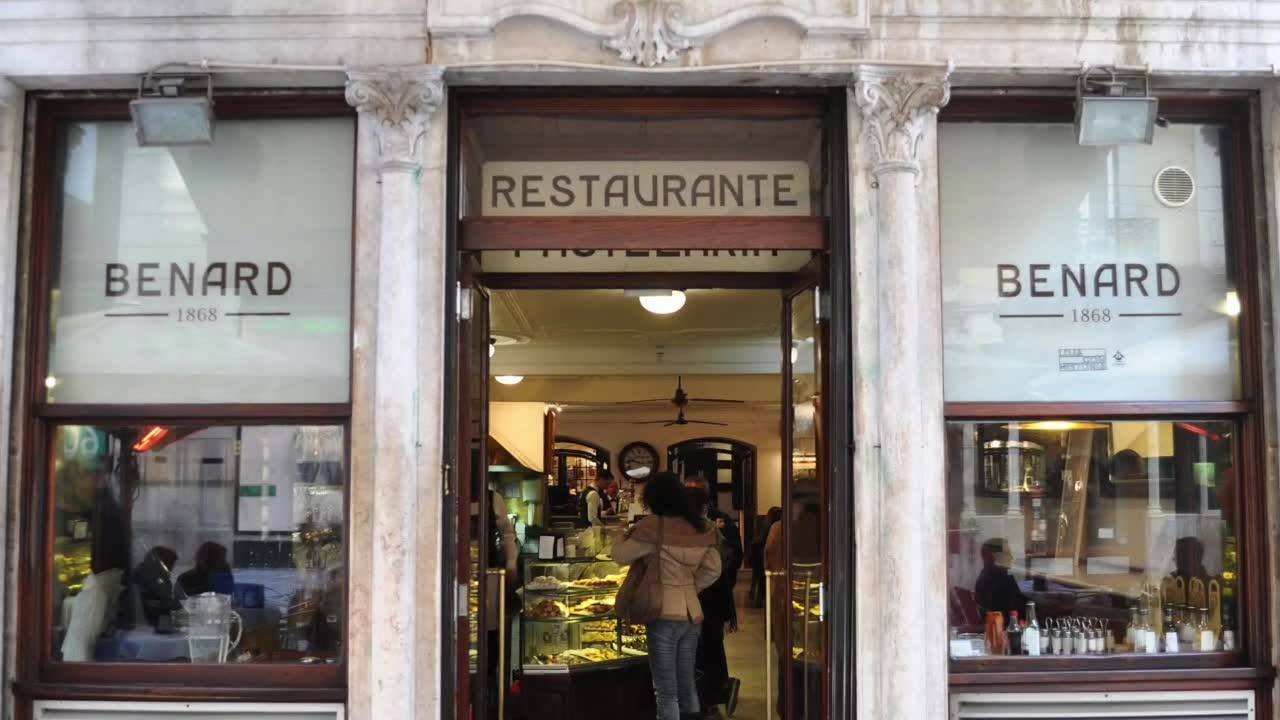
About Pastelaria Benard
On Rua Garrett in Chiado, Pastelaria Benard occupies a different register from Lisbon's newer café concepts: marble surfaces, dark wood, and period detailing that place it firmly in the French-influenced pastelaria tradition that shaped the neighbourhood's character. Where many Chiado addresses have modernised toward specialty coffee formats, Benard holds to the older model, making it a reliable reference point for anyone reading the street's layered café history.
Rua Garrett and the Café That Holds Its Ground
Chiado's main pedestrian artery has absorbed considerable change over the past two decades. International retail, boutique hotels, and specialty coffee bars have moved steadily into a street that once belonged almost entirely to booksellers, tailors, and traditional cafés. Walking south from Largo do Chiado toward Rua Garrett 104, the shift is visible in real time: a new-concept juice bar beside a century-old pharmacy beside a fashion label that arrived five years ago. Pastelaria Benard reads as a counter-argument to all of it. The façade signals something older before you push the door open.
Inside, the spatial logic is that of the classic European pastelaria rather than anything designed to photograph well for a contemporary audience. Marble-topped counters, wooden panelling, and display cases positioned for browsing rather than spectacle define the room. The seating arrangement prioritises practical comfort over aesthetic curation: chairs are sturdy, tables are close enough to hear your neighbours, and the light is neither dimmed for atmosphere nor flooded for transparency. It is a working café interior, not a designed one, and that distinction carries real meaning on a street where the alternative is increasingly the latter.
The French Pastry Tradition in a Portuguese Context
Lisbon's café culture has always carried a French inflection that separates it from the coffee-and-pastel-de-nata shorthand that dominates tourist itineraries. The French-influenced pastelaria format — croissants, millefeuilles, eclairs, tarts with pâte sucrée bases — arrived in Chiado through the neighbourhood's historical alignment with European intellectual and commercial life. Benard sits squarely within that tradition. The pastry offer here is built around French techniques applied to a Lisbon setting, which places it in a different category from the egg-custard-tart counters that dominate Belém and Alfama.
That distinction matters when mapping Lisbon's café tier. The city's pastelaria scene breaks into at least three identifiable segments: the heritage houses with documented lineage, the modernised specialty coffee operations pulling third-wave beans, and the tourist-facing counters optimised for volume. Benard operates in the first category, with a format and physical plant that have not chased the second. For readers who have visited A Ginjinha or A Cabreira as part of a survey of Lisbon's older drinking and café institutions, Benard belongs in the same itinerary logic: addresses defined by what they have not changed as much as by what they offer.
Reading the Room: Interior Architecture as Argument
The interior at Rua Garrett 104 makes an architectural argument that most café fit-outs avoid making. The choice to preserve rather than renovate is not passive , it requires maintenance decisions that go against the economic logic of hospitality renovation cycles. Dark wood that shows its age, marble that carries patina, display cases that are functional rather than theatrical: these elements read, collectively, as a refusal to reposition. Comparable choices in cities like Vienna or Paris tend to attract heritage designations and critical attention. In Lisbon, where the café renovation cycle has been aggressive since the mid-2010s tourism boom, they read as a form of resistance.
The seating density is worth noting specifically. Chiado cafés that have renovated in the past decade have generally moved toward lower covers and higher per-seat revenue, pricing the experience upward to compensate for reduced volume. Benard's spatial arrangement reads as the older model: cover density that prioritises throughput and accessibility over the choreographed spacing of a premium coffee concept. That makes it a more democratic address than several of its immediate neighbours, even if the pastry quality competes at a higher level.
Chiado in Context: Where Benard Sits in the Neighbourhood
Chiado is Lisbon's most literary neighbourhood by documented reputation , Fernando Pessoa's bronze statue sits at a table outside A Brasileira, less than a two-minute walk from Benard's address. The neighbourhood's café culture carries that association, and addresses on Rua Garrett benefit from foot traffic that is self-selecting toward culture and food rather than pure sightseeing. That visitor profile tends to support heritage format cafés better than it supports volume-driven operations.
For a fuller picture of how Lisbon's bar and café scene organises itself across different neighbourhoods and formats, our full Lisbon restaurants guide maps the city's options by area. Elsewhere in Portugal, Base Porto in Porto and Venda Velha in Funchal represent analogous exercises in reading a city's hospitality character through its older, more settled addresses. Near Lisbon, the coastal strip toward Cascais carries its own café and bar logic: Bar do Guincho in Alcabideche, Bar e Duna da Cresmina in Cascais e Estoril, and Estoril in Estoril each operate in contexts that contrast sharply with Chiado's urban density.
Lisbon's cocktail bar scene, which has developed considerably since 2015, provides a different reference frame. Red Frog represents the city's technical bar program tier, while A Marisqueira do Lis anchors a different tradition entirely. Further afield, Epicur Wine Boutique and Food in Faro and Bar Leather Apron in Honolulu show how the wine-and-food format travels across very different city contexts.
Planning a Visit
Rua Garrett 104 is accessible on foot from Largo do Chiado and from the Baixa-Chiado metro station, which sits at the bottom of the hill. The address is on a pedestrian-priority stretch, which removes the parking consideration that complicates many Lisbon centre visits. Morning visits align with the pastry program at its freshest; the mid-afternoon window tends toward coffee and conversation rather than full pastry selection. No booking infrastructure is relevant here , this is a walk-in format by design, and the cover density means waits are typically short outside peak tourist hours in summer. Current hours, pricing, and any seasonal changes should be confirmed directly with the venue before visiting, as this information was not available at time of writing.
Frequently Asked Questions
What is the main draw of Pastelaria Benard?
The address operates within Lisbon's French-influenced pastelaria tradition , a format distinct from the egg-custard-tart counters that define the tourist café circuit. On Rua Garrett, one of Chiado's most visited streets, it holds to a heritage interior and pastry program that places it among the neighbourhood's older, less repositioned café addresses. Pricing sits in the accessible range typical of traditional pastelarias rather than the premium tier of specialty coffee concepts.
Should I book Pastelaria Benard in advance?
No reservation system applies here. Pastelaria Benard operates as a walk-in café, consistent with the traditional pastelaria format it represents. During peak summer tourist months, the Chiado location sees high foot traffic, so visiting before 10am or after 3pm on weekdays reduces the likelihood of a wait. Confirm current hours directly with the venue before visiting.
What is Pastelaria Benard a strong choice for?
It works as a reference point for Lisbon's heritage café tradition rather than its contemporary specialty coffee movement. For visitors comparing café formats across the city, Benard represents the French-influenced pastelaria tier: a format with documented roots in Chiado's cultural history. It suits a morning pastry visit or an afternoon coffee pause within a Chiado itinerary that includes the neighbourhood's bookshops and cultural institutions.
What should I order at Pastelaria Benard?
The pastry program draws on French technique , croissants, eclairs, and tarts built on pâte sucrée , rather than the egg-custard tradition associated with Belém. This positions Benard's offer within a specific and less replicated segment of Lisbon's café scene. For specific current menu items and any seasonal pastry selections, check directly with the venue, as details were not available in confirmed form at time of writing.
How does Pastelaria Benard compare to other Chiado cafés?
Chiado's café strip ranges from high-volume tourist counters to modernised specialty coffee operations with third-wave sourcing and stripped-back interiors. Benard occupies neither position. Its preserved interior, marble surfaces, and French-influenced pastry program align it with the older European café-pastelaria model rather than with either of those contemporary formats. For readers who treat café visits as a way to read a neighbourhood's history, that positioning makes it one of the street's more informative stops.
More bars in Lisbon
- A GinjinhaA Ginjinha at Largo São Domingos is the easiest opening move for a Lisbon evening: no booking, no menu, just Portugal's signature sour cherry liqueur served from a counter that has been doing this for generations. It is not a full date-night destination, but as a two-minute ritual before dinner it is hard to beat. Come late afternoon for the best atmosphere on the square.
- A Tasca do ChicoA Tasca do Chico is a small, unpretentious tasca in Lisbon's Bairro Alto with live fado on select evenings and honest Portuguese cooking at mid-to-lower prices. It's the smarter pick over more polished fado dining rooms nearby when authenticity and value matter more than a curated cocktail list. Book ahead for fado nights; walk-ins are feasible mid-week.
Related editorial
- Best Fine Dining Restaurants in ParisFrom three-Michelin-star icons to the next generation of Parisian chefs pushing boundaries, these are the restaurants that define fine dining in the world's culinary capital.
- Best Luxury Hotels in RomeFrom rooftop terraces overlooking ancient ruins to Michelin-starred hotel dining, these are the luxury hotels that make Rome unforgettable.
- Best Cocktail Bars in KyotoFrom sleek lounges to hidden speakeasies, Kyoto's cocktail scene blends Japanese precision with global influence in ways you won't find anywhere else.
Save or rate Pastelaria Benard on Pearl
Keep this venue in your Pearl passport, rate it after you visit, and track it alongside every other place you collect.