Botequim
Mouraria, Lisbon
Bar in Lisbon, Portugal
 Book with Pearl
Why go
Against Lisbon peers with clearer food, wine, or cocktail identities, Botequim is the Graça choice for a casual, flexible night rather than a destination booking. It works better as a relaxed meet-up or late-evening stop than as a special-occasion meal, especially if the priority is neighborhood atmosphere over a documented menu or award profile.
About Botequim
Should you go to Botequim in Lisbon? The clearest reasons to consider it are practical: casual dress and late opening hours. It is open until 2 AM every day, with 11 AM openings on Monday, Tuesday, Friday, Saturday, and Sunday, and 6 PM openings on Wednesday and Thursday.
Use Botequim when you want a casual Lisbon option with broad evening availability. Do not build the choice around a specific cuisine, named chef, signature dishes, price range, awards, or drinks program unless you have checked those details directly.
Use it as a casual Lisbon stop, not a detail-heavy destination pick
Botequim makes the strongest case when flexibility matters. The appeal is straightforward: casual dress, Lisbon location, and hours that run late every day. That is enough to keep it useful for an easy evening plan, but not enough to frame it as a food-first or award-led recommendation.
The decision is direct: go when the schedule and relaxed dress code fit the night. If your choice depends on a specific menu, price, cuisine style, reservation policy, outdoor seating, or a more formal format, confirm those details directly before committing.
Late-night viability is the main reason to keep it on the list
For Lisbon nights that continue late, Botequim is easy to keep in mind because its hours extend to 2 AM throughout the week. Wednesday and Thursday start later, at 6 PM, while the other listed days begin at 11 AM.
The practical verdict: keep Botequim in consideration for casual Lisbon plans when late hours matter. Its value is in accessibility, timing, and casual dress, rather than culinary accolades or documented specialties.
Planning details
- Location
- Largo da Graça 79, 1170-165 Lisboa, Portugal
- Website
- tripadvisor.pt/Restaurant_Review-g189158-d4416131-Reviews-O_Botequim-Lisbon_Lisbon_District_Central_Portugal.html
- Phone
- +351 21 888 8511
The take
The Take
The Vibe
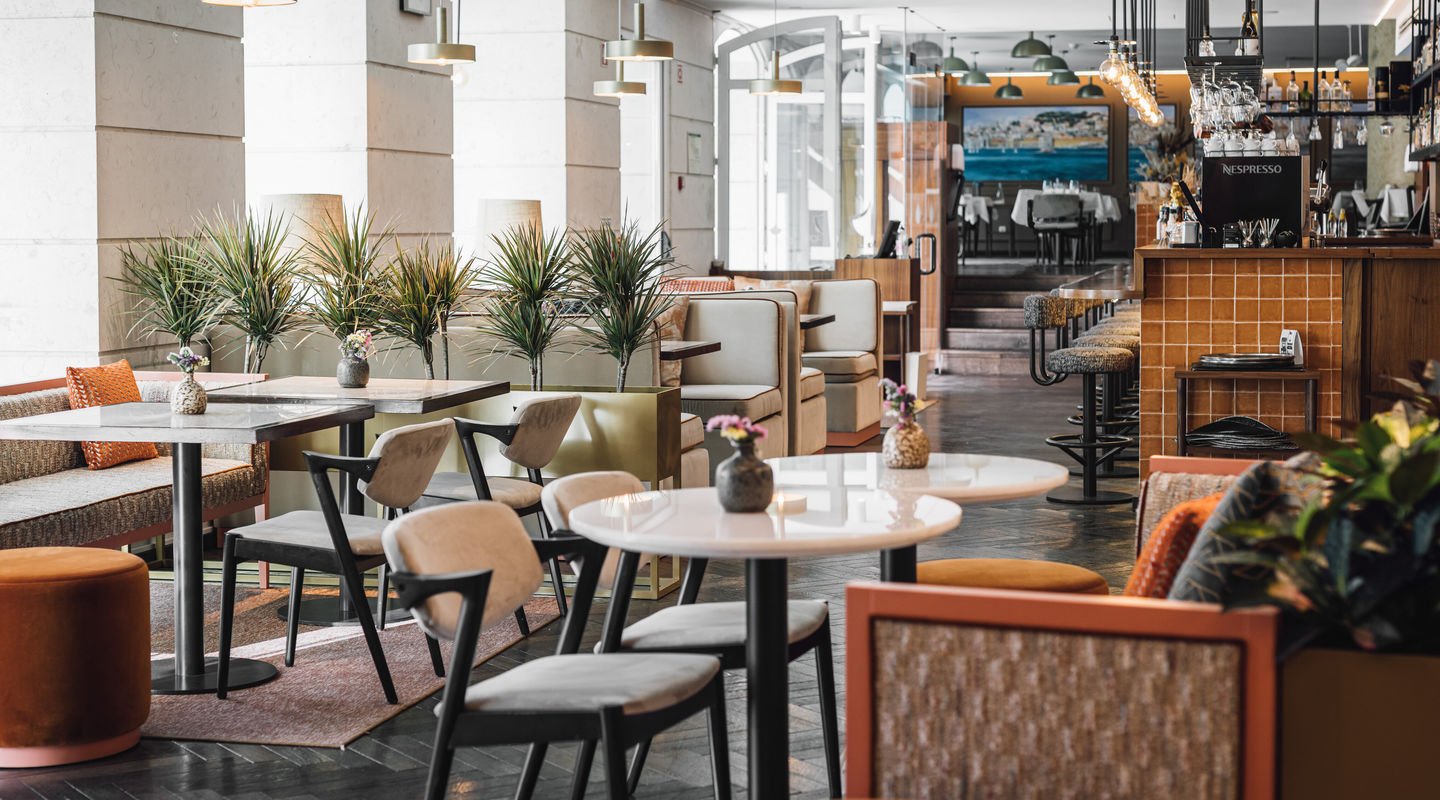
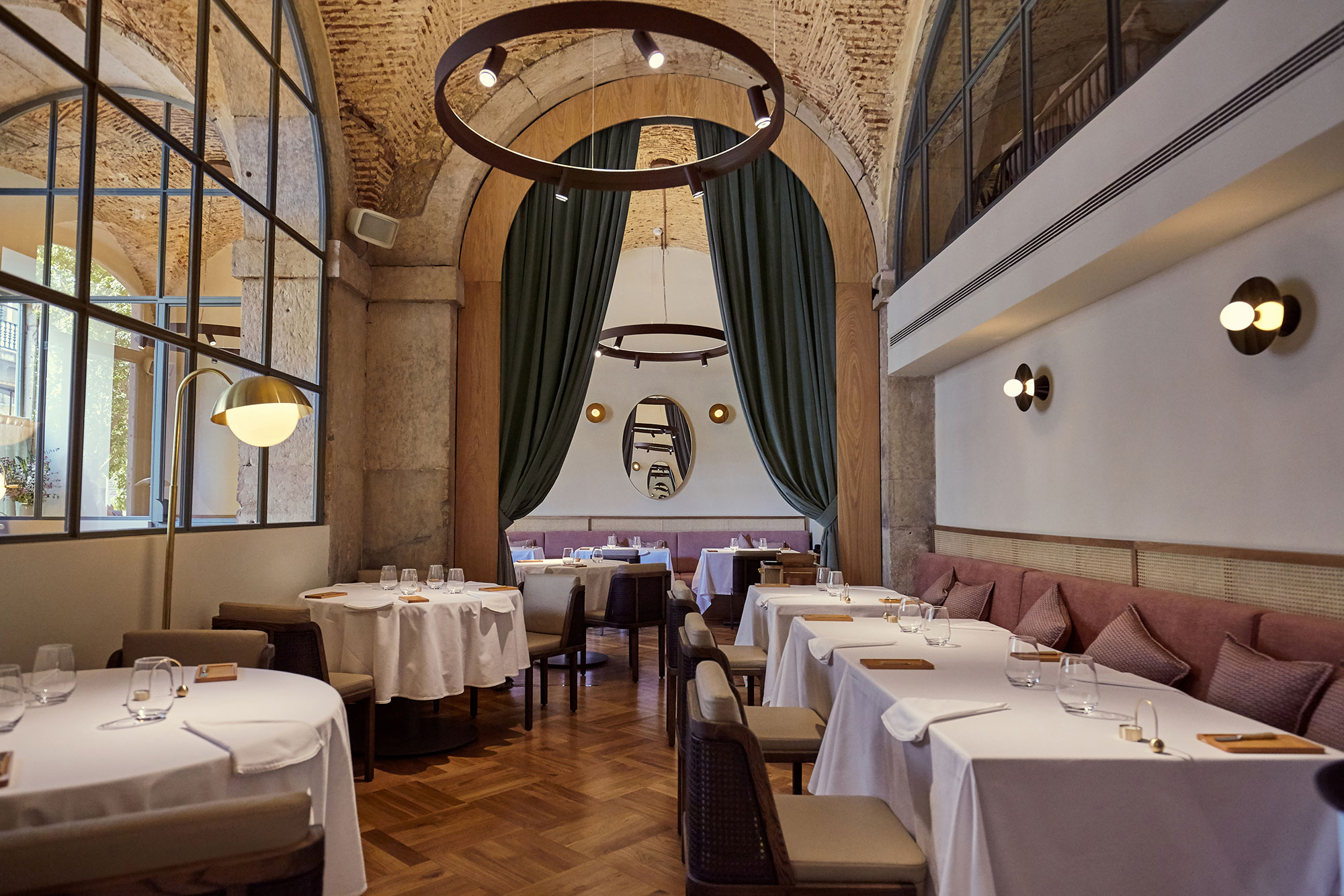
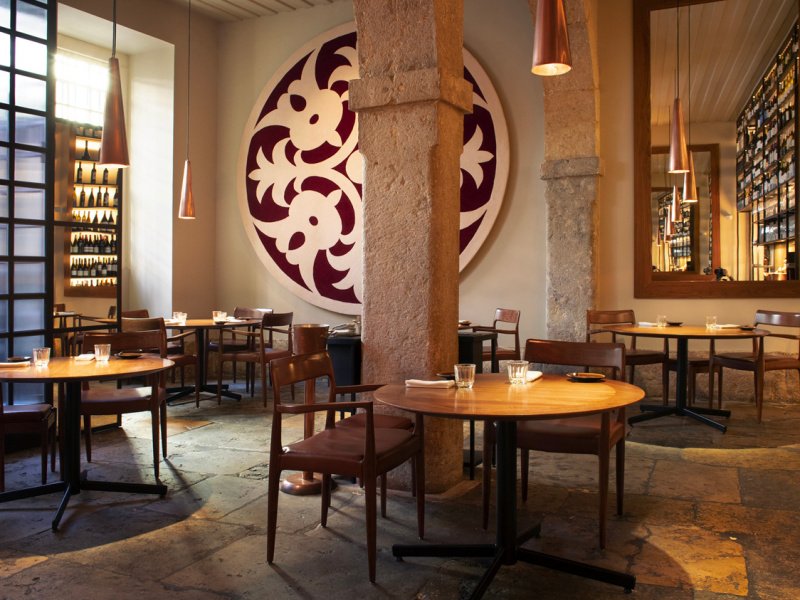
Botequim reads like a neighbourhood institution rather than a designed destination. It sits on Largo da Graça, a sun-worn square, and belongs to a working‑class tavern tradition where the room’s character is set by the people in it. Days here are unhurried and local; evenings shift into a different register, but the place resists the city’s sleeker cocktail culture. The result is a quietly historic, relaxed spot that feels lived-in and authentic — a classic Lisbon botequim anchored by routine, community and a measure of old‑fashioned charm.
Best For
This is a place for simple, local rhythms: midday wine and small plates with neighbourhood regulars, and an evening version that keeps the same unpretentious logic. It’s particularly well suited to lunch and afternoon drinks — the copy explicitly mentions lunch‑hour use — and it sustains activity across the day into the night. The venue functions as a casual gathering point for people who live nearby rather than a destination for elaborate nights out, making it ideal for low‑key daytime visits and relaxed evenings.
Ordering Tips
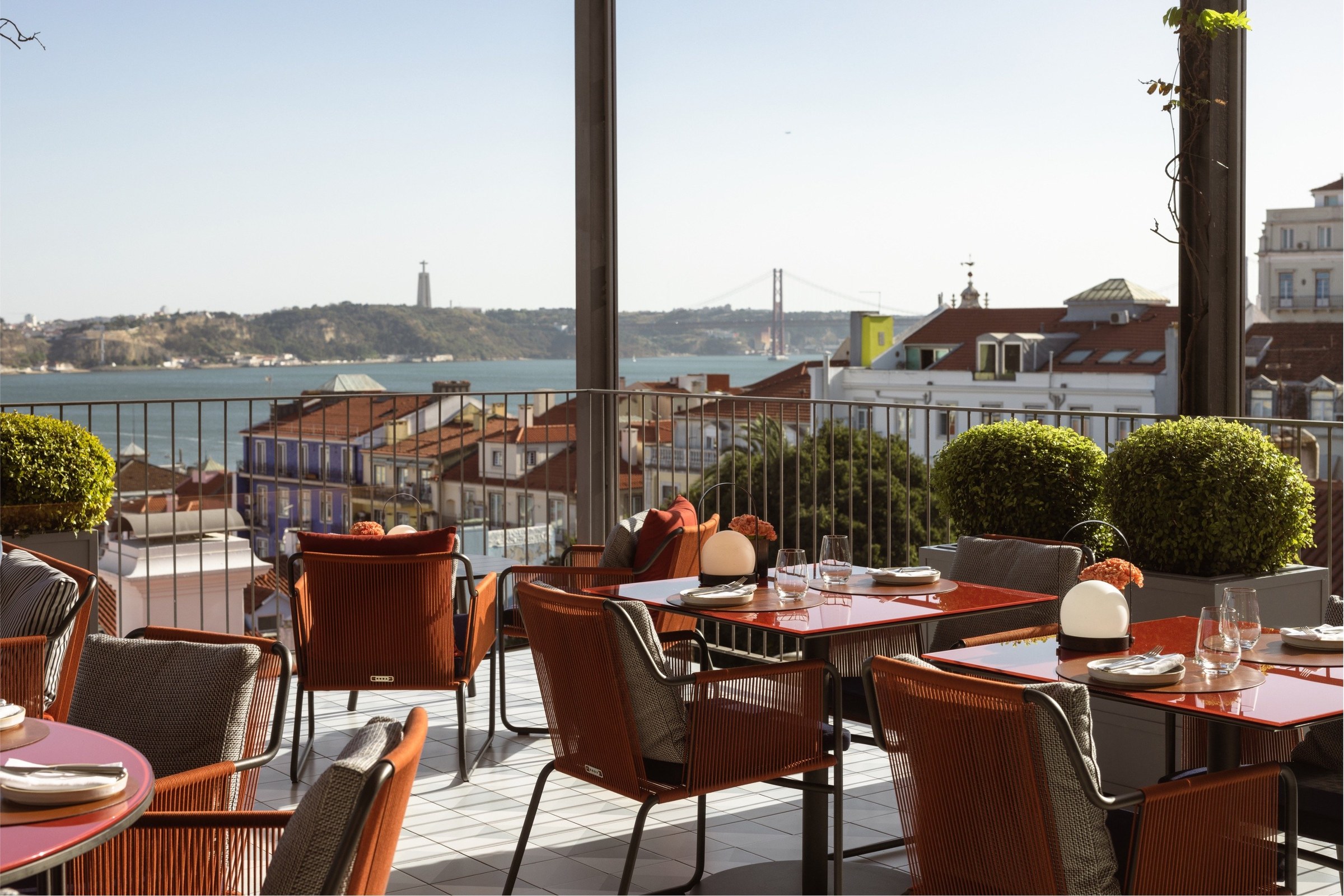
Follow the botequim logic: order wine by the glass or the carafe and pair it with a simple plate. The text specifically mentions a glass of vinho verde or a regional tinto alongside straightforward food during lunch and afternoon service. In warmer months, consider taking a seat where the square becomes an extension of the interior — chairs outside make for an easy, unhurried way to drink and watch the neighbourhood.
Venue details
Ambiance
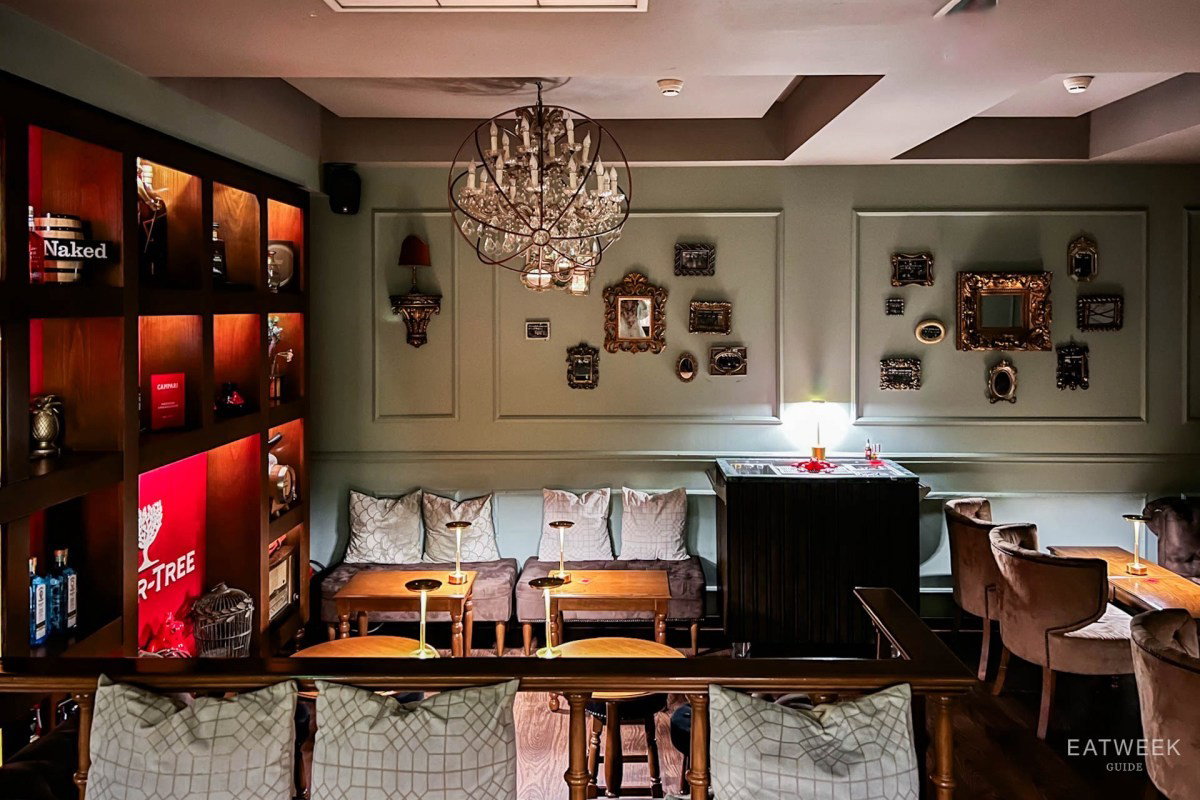
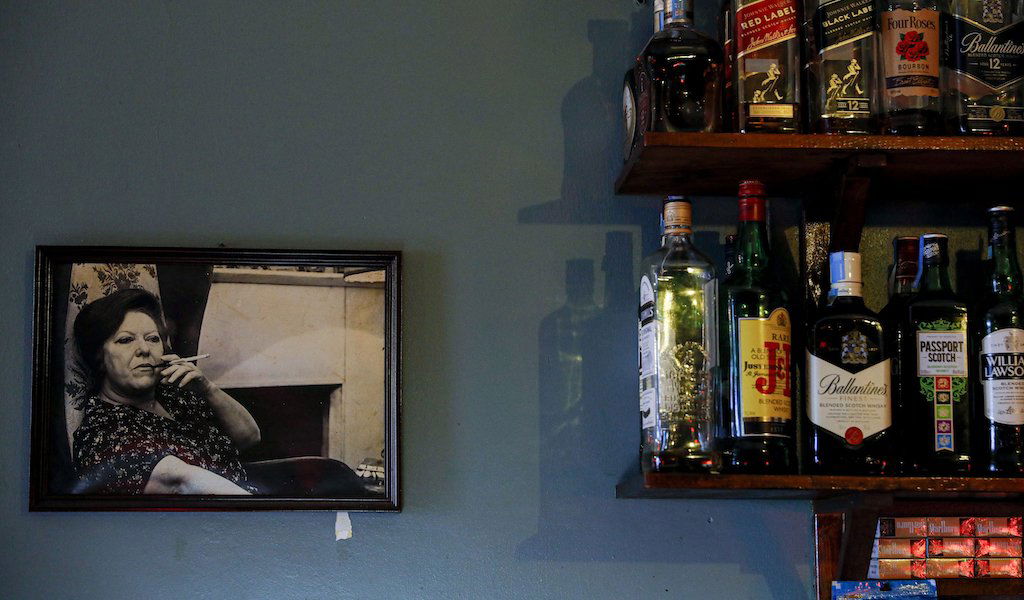
Cozy and inviting with vintage furniture, old books, records, and a warm retro vibe.
Tags
Vibe
Best For
Experience
Format
View
At the Bar
- Bar Category
- Pub
- Late Night
- Open Until 2am
- Music
- Live Music and Poetry Nights
- Live Music
- Yes
Signature Pours
Sangria Tinto
Know before you go
Know Before You Go
- Getting there
- Largo da Graça 79, 1170-165 Lisboa, Portugal
Planning details
Location
Largo da Graça 79, 1170-165 Lisboa, Portugal · Directions
Also consider
Also Consider
- A Cabreira, Notable alternative
- Grupo Desportivo da Mouraria / Palácio dos Távora, Notable alternative
- Casa da Tia Helena, Notable alternative
- Boca D'uva, Notable alternative
- ULYSSES, Notable alternative
Bar context
How Botequim compares in Lisbon
Choose Botequim when Graça is the priority and the night needs to stay flexible. A Cabreira is the better comparison if the decision is more food-led, while Grupo Desportivo da Mouraria / Palácio dos Távora makes more sense for readers who want a stronger neighborhood-association feel in Mouraria.
Casa da Tia Helena is the safer cross-shop for a more traditional, low-key Lisbon meal mood, while Boca D'uva and ULYSSES are better fits if the evening needs a clearer bar identity. Botequim wins on ease and late-night usefulness; the others are stronger when the venue itself needs to carry the plan.
Around this place
Discover more on Pearl
Unlock the full Botequim guide in Pearl, including awards, comparisons, FAQs, planning details, and nearby places.
Compare Botequim
| Venue | Location | Awards |
|---|---|---|
| Botequim | Lisbon | No published awards |
| A Cabreira | Lisbon | No published awards |
| Grupo Desportivo da Mouraria / Palácio dos Távora | Lisbon | No published awards |
| Casa da Tia Helena | Lisbon | No published awards |
| Boca D'uva | Lisbon | No published awards |
| ULYSSES | Lisbon | No published awards |
How Botequim Lisbon compares with similar nearby venues.
FAQ
Frequently Asked Questions
Do I need a reservation at Botequim?
Is Botequim open late?
Yes. Botequim is open until 2 AM every day. It opens at 11 AM on Monday, Tuesday, Friday, Saturday, and Sunday, and at 6 PM on Wednesday and Thursday.
Is Botequim good for a date?
It can work for a casual Lisbon plan if the hours and casual dress code suit the occasion. For a formal or highly planned date, confirm any additional details directly with the venue.