Bar Alimentar
Mercês, Lisbon
Bar in Lisbon, Portugal
 Book with Pearl
Why go
Bar Alimentar is a smart Lisbon pick when the night should revolve around wine and shared Italian-leaning small plates rather than a formal restaurant booking. It suits dates, catch-ups, and small groups that want flexibility, especially when dinner and drinks need to happen in the same place without turning into a long, structured meal.
About Bar Alimentar
Bar Alimentar is a Lisbon venue best framed by the basics: an Italian-leaning small-plates wine bar with a smart casual dress code. Use that as the planning anchor rather than assuming a particular chef, award history, signature dish, price point, service format, hours, or seating setup.
Italian-leaning plates make this a wine-bar choice, not a formal restaurant brief
The description is simple: Bar Alimentar serves Italian-leaning small plates in a wine-bar setting. That makes it a useful option when the goal is an Italian-leaning small-plates wine bar in Lisbon without building the outing around a tasting menu, specific dish, or accolade.
Plan around the confirmed format: Italian-leaning small plates, a wine-bar identity, and smart casual dress. If the priority is a longer or more formal restaurant search, use our full Lisbon restaurants guide instead. If the priority is drinks-led planning, this can also sit alongside our full Lisbon bars guide.
Who should book it, and who should skip it
Consider Bar Alimentar if an Italian-leaning small-plates wine bar in Lisbon is the brief. It is also a fit when smart casual dress is appropriate and you do not need a heavily documented restaurant profile before choosing.
Skip it if the group needs specifics such as a named tasting menu, exact pricing, confirmed hours, a published signature dish, a chef-led backstory, or awards attached. The reliable appeal is the basic format: Italian-leaning small plates and a wine-bar setting in Lisbon.
For wider Lisbon planning, compare the mood with other dining and drinking options in the city. For trip-building beyond one venue, use our full Lisbon hotels guide, our full Lisbon wineries guide, and our full Lisbon experiences guide.
Quick reference: choose Bar Alimentar for Italian-leaning small plates in a Lisbon wine-bar setting, with smart casual dress.
Planning details
- Location
- Lisbon, Portugal
The take
The Take
The Vibe
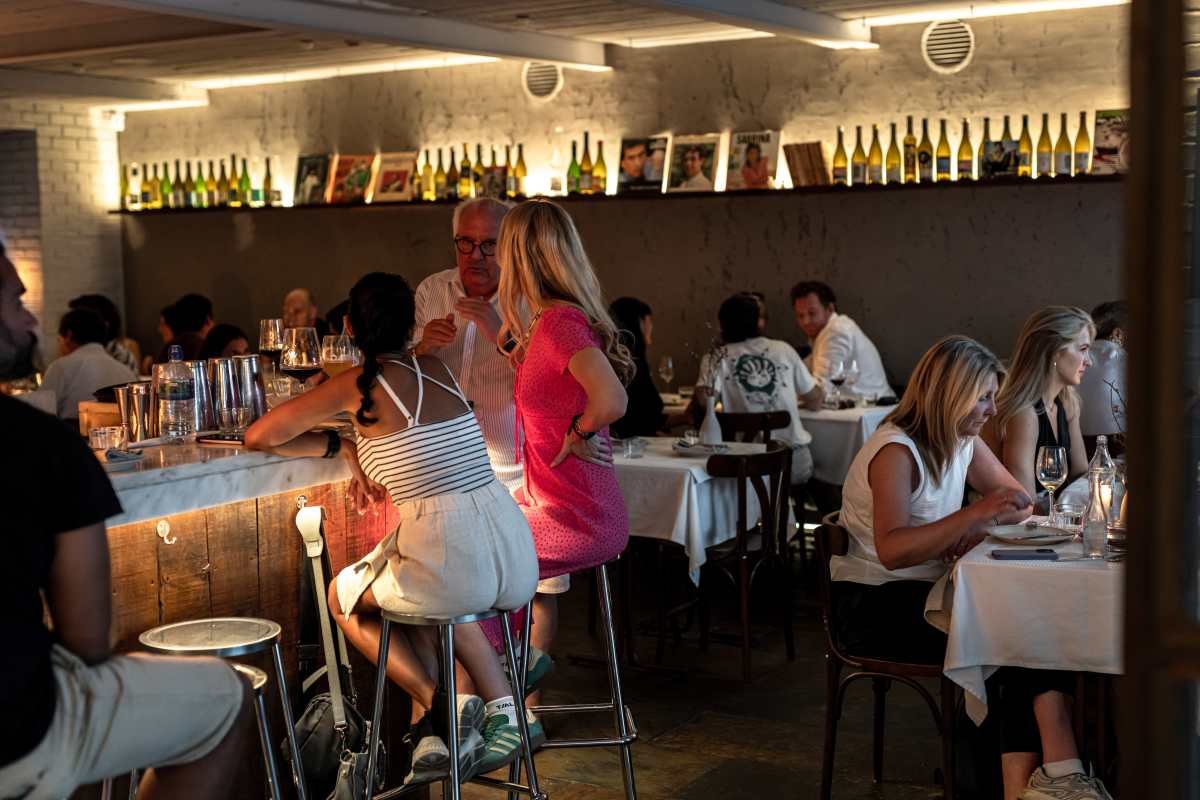
Bar Alimentar presents itself as a quietly polished Lisbon wine bar that adapts Italian small-plate logic to local grazing habits. The room is deliberately sized for conversation rather than throughput, and the wine list leans toward natural and low‑intervention producers, which keeps the focus on tasting and discussion. Rather than wearing its influences as a theme, the bar treats charcuterie, aged cheeses and cured fish as culinary vocabulary, creating a refined, approachable mood. The overall effect is sophisticated and relaxed: a wine-first space where the emphasis is on convivial sipping and sharing rather than spectacle or rush.
Best For
The venue functions in two clear modes: a focused daytime operation and a more social evening service. At lunch it attracts a working crowd who value efficiency and simple, composed plates—quick transactions with a glass and one or two items. Evenings open up into unhurried grazing, where bottles shape the pace and conversation carries the meal. That split makes Bar Alimentar a reliable choice for practical working lunches and for relaxed dinner dates or small social evenings where sharing plates and lingering over wine are the point.
Ordering Tips
Treat the menu as a grazing program and let the wine lead. Start with a glass from the thoughtful, natural-leaning list and order two or three small plates to share rather than committing to a set course sequence. Daytime visits work well with a single composed plate—examples called out include cured meat, a cheese selection and something light to drink—so opt for compact pairings if you’re on a schedule. For evening visits, stagger plates around a bottle to extend the meal and encourage conversation; there’s no pressure to finish fast.
Venue details
Ambiance
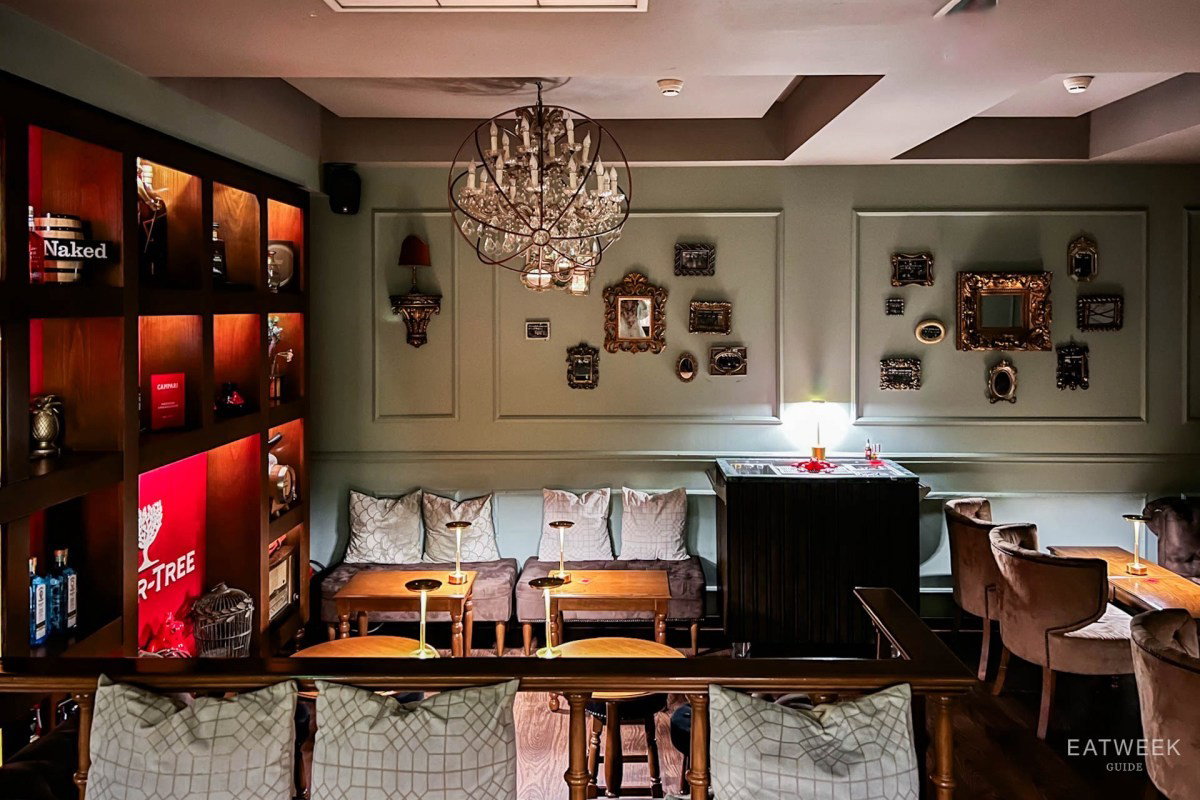
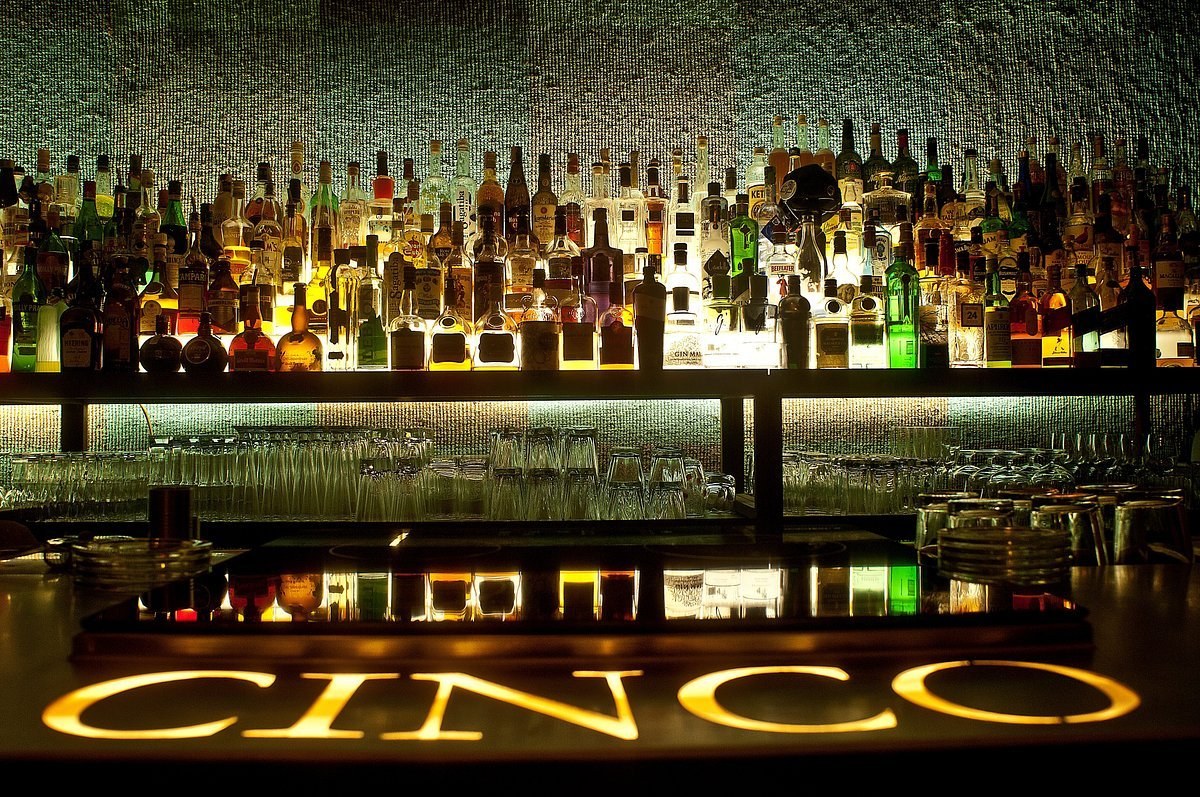
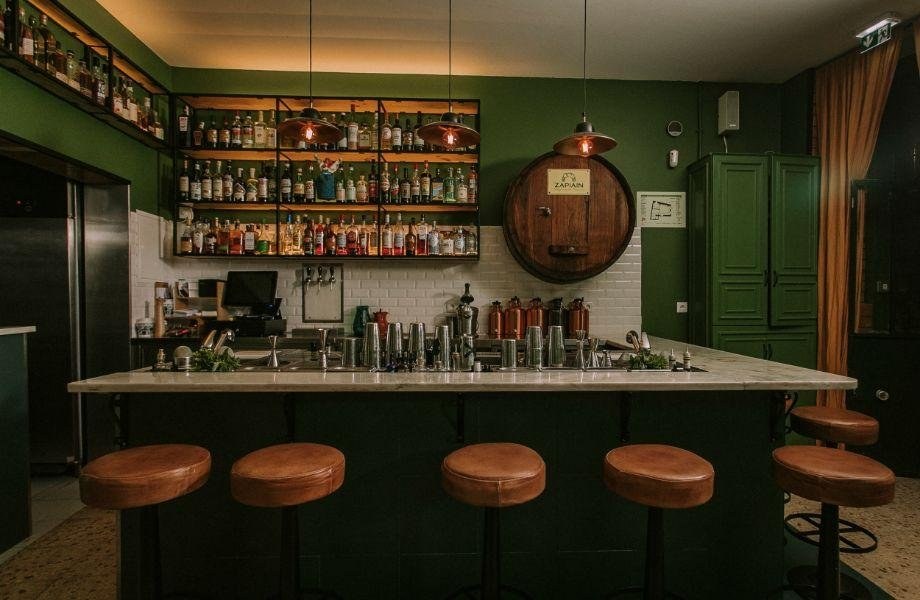
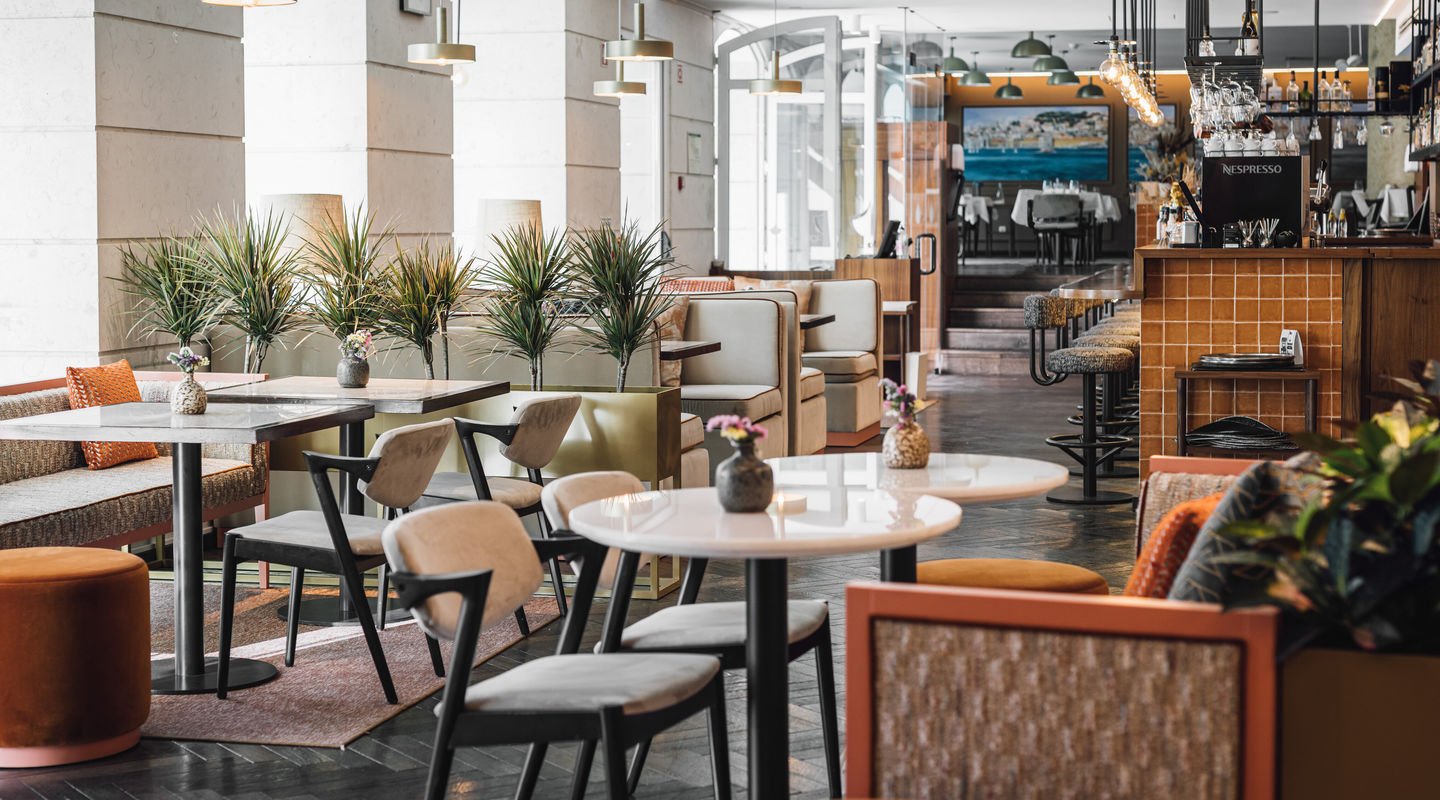
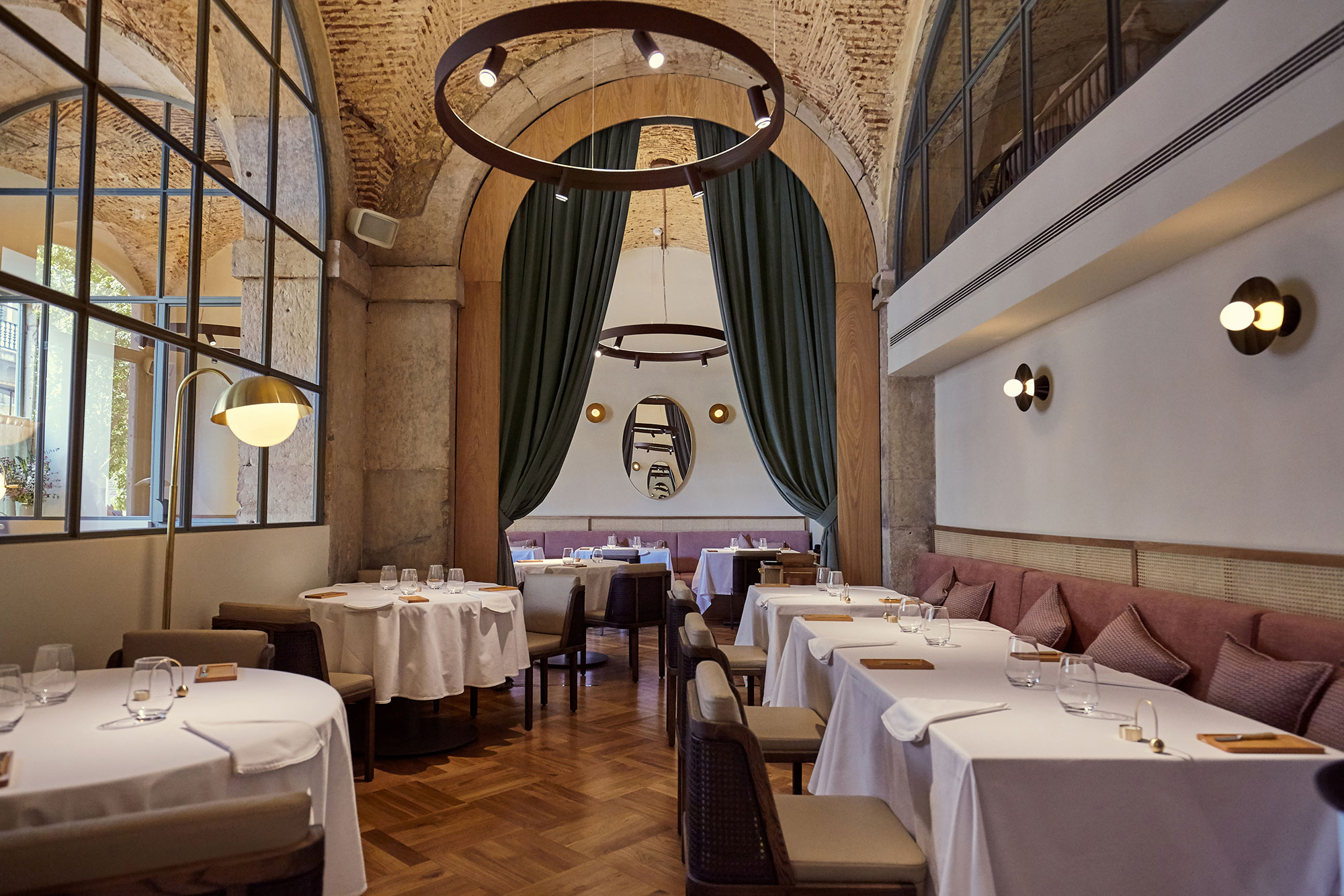
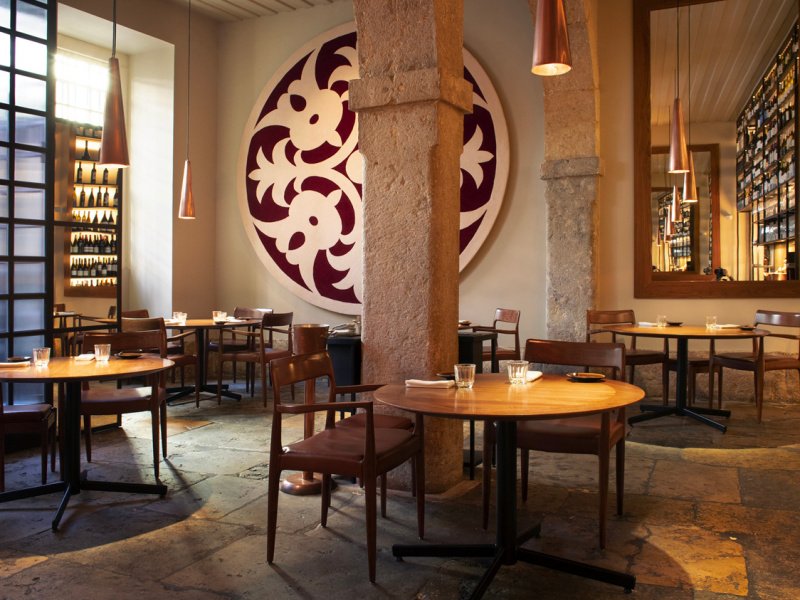
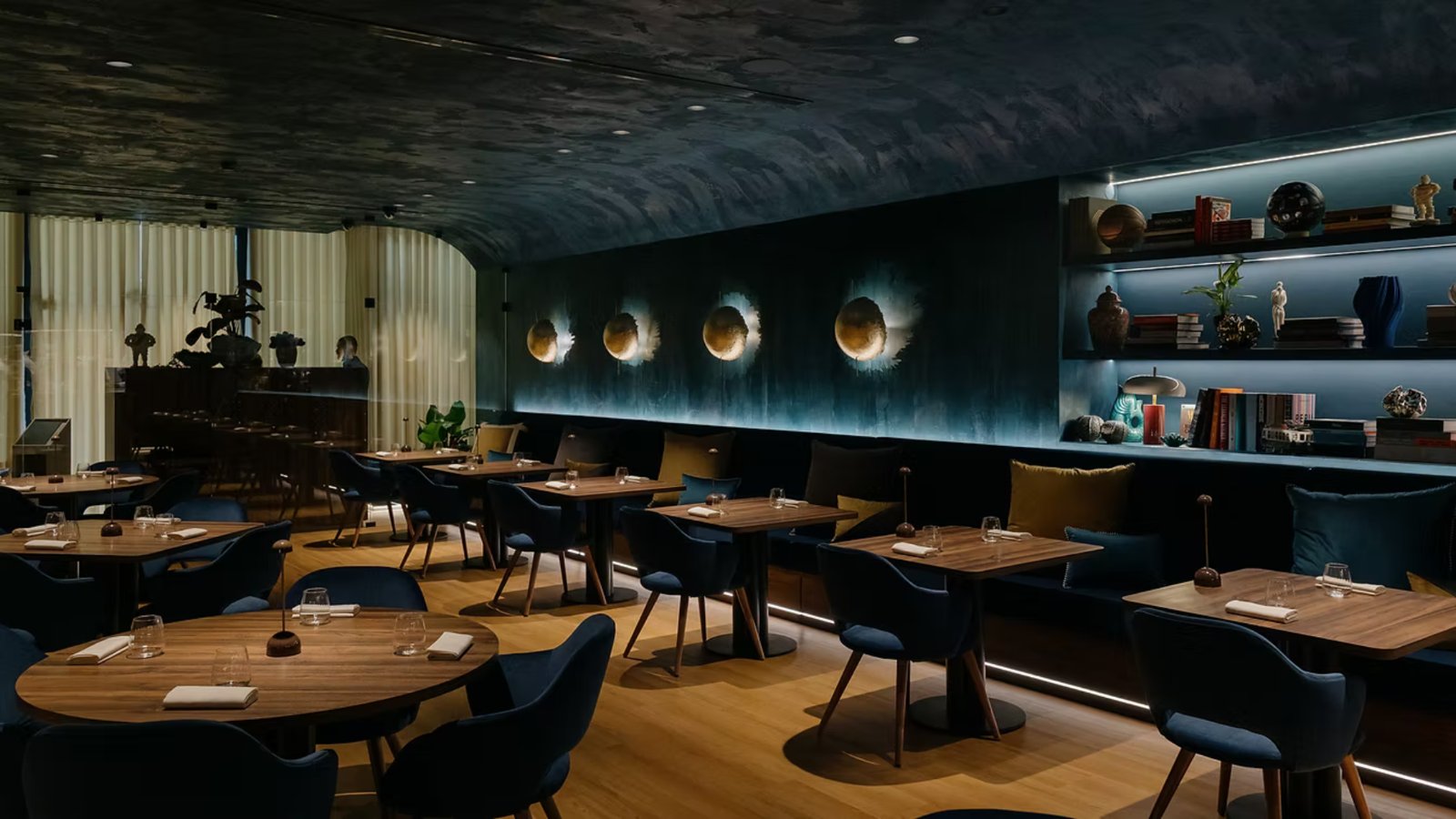
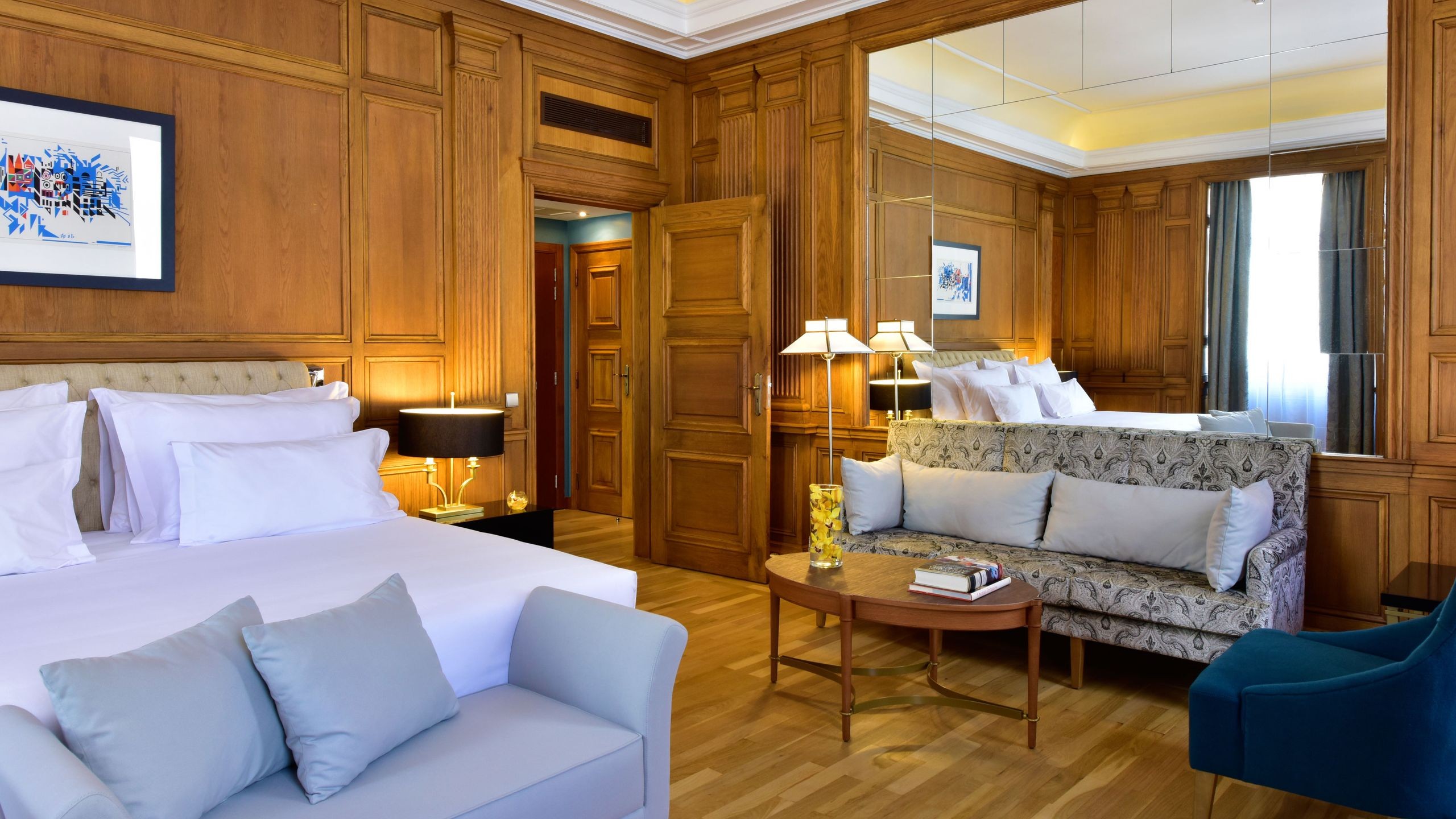
Soft lighting, candles on tables, and walls lined with wine bottles create a cozy yet elegant atmosphere.
Tags
Vibe
Best For
Experience
Format
At the Bar
- Bar Category
- Cocktail Bar
- Late Night
- Closes by Midnight
Signature Pours
Negroni
Planning details
Location
Lisbon, Portugal · Directions
Around this place
Discover more on Pearl
Unlock the full Bar Alimentar guide in Pearl, including awards, comparisons, FAQs, planning details, and nearby places.
FAQ
Frequently Asked Questions
Is Bar Alimentar good for groups?
Bar Alimentar is an Italian-leaning small-plates wine bar in Lisbon, and specific group suitability, table sizes, and seating details should be checked directly with the venue for larger-party plans.
Is Bar Alimentar good for a date?
It may suit a date if the brief is an Italian-leaning small-plates wine bar in Lisbon with smart casual dress. Plan around the format rather than assuming a particular mood.
Do I need a reservation at Bar Alimentar?
Reservation requirements and hours should be confirmed directly before going, especially if timing or table availability matters.
Is the food good at Bar Alimentar?
The food description is Italian-leaning small plates.
What's the signature drink at Bar Alimentar?
Bar Alimentar is identified as a wine bar, but specific bottles, producers, cocktails, or drinks-program details are not part of this guide.
What's the crowd like at Bar Alimentar?
The crowd and atmosphere are not specified here. The confirmed planning details are that Bar Alimentar is an Italian-leaning small-plates wine bar in Lisbon with a smart casual dress code.