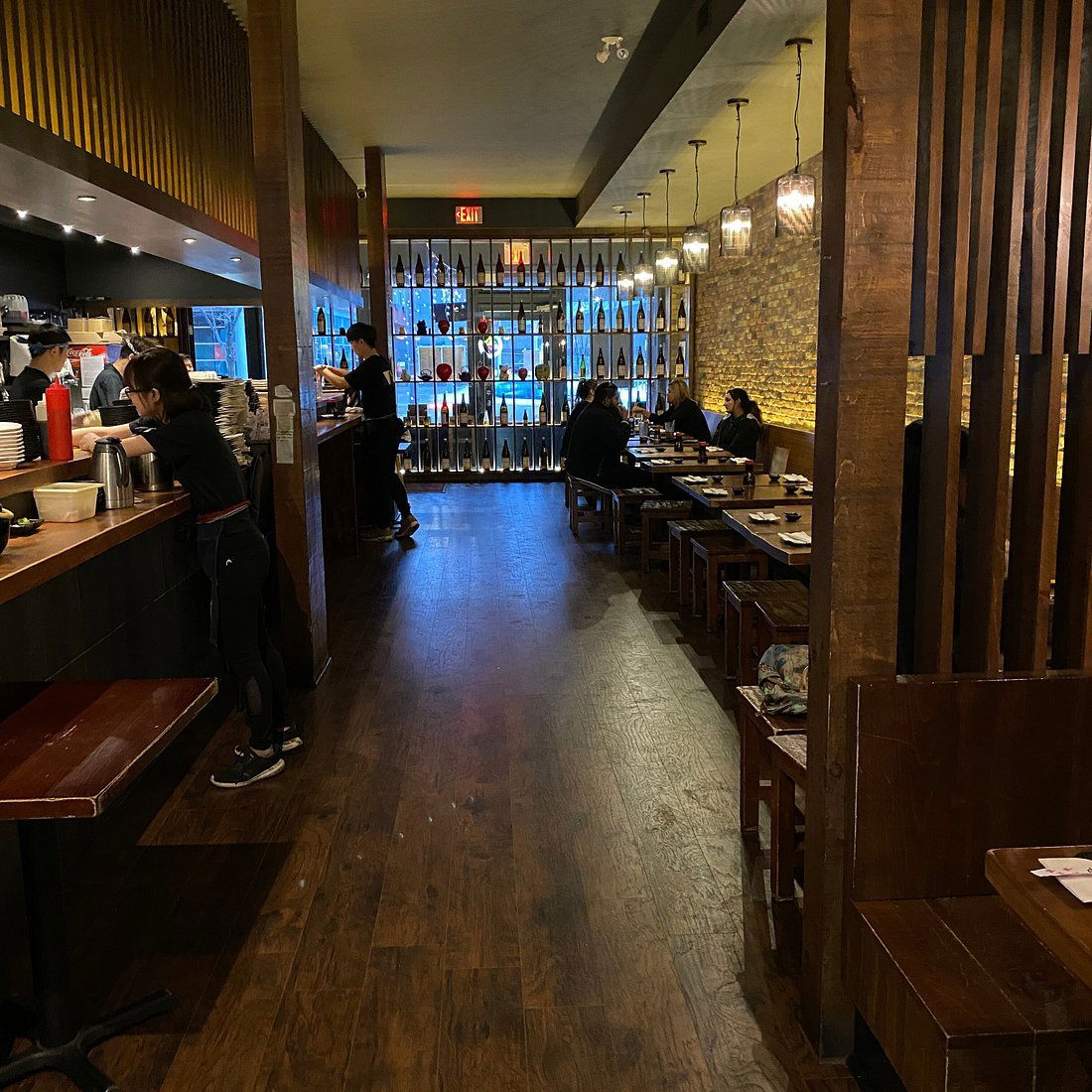
Kinkaku Izakaya
Downtown Kitchener, Kitchener
Bar in Kitchener, Canada
 Book with Pearl
The Read
Price
$20–30per person
Why go
A practical downtown Kitchener pick when you want an easy, casual izakaya-style meal without turning dinner into a major booking project. Choose Kinkaku Izakaya for convenience and group flexibility; look elsewhere if the night depends on a confirmed patio, awards pedigree, or a destination-level dining format.
About Kinkaku Izakaya
Kinkaku Izakaya is a casual option in Kitchener. Consider it for straightforward planning: it has published hours from Tuesday through Sunday, with Monday closed, and a casual dress code.
This is best framed as a practical casual choice rather than an award-led, price-led, or chef-profile-led destination. For a broader sweep of the area, use our full Kitchener restaurants guide, then cross-check after-dinner options in our full Kitchener bars guide.
Book this for a casual Kitchener meal, not a trophy dinner
The right expectation is casual and practical. The case for going should rest on the basics rather than on trophy-dinner expectations.
The hours make it usable for several meal windows: Tuesday through Friday include midday and evening service, Saturday runs from noon to 10 PM, and Sunday runs from noon to 9 PM. If you are comparing alternatives for the same outing, The Jazz Room and Beertown Public House Waterloo are other options to check.
Outdoor-seating seekers should verify before centering the plan on it
Do not make this the anchor for a patio-driven evening unless outdoor seating is confirmed for the date. Treat outdoor space as a bonus rather than the main reason to go. If you are comparing it with a different kind of outing, check Collective Arts Brewing & Taproom or Chudleigh's Entertainment Farm as well.
For visitors building a fuller Kitchener trip, restaurants are only part of the decision. Pair this with our full Kitchener hotels guide, our full Kitchener wineries guide, and our full Kitchener experiences guide. For broader bar research, compare Kinkaku Izakaya with other dining and drinking options in Kitchener and nearby communities.
Planning details
- Location
- 217 King St W, Kitchener, ON N2G 0C9, Canada
- Website
- kinrestaurantgroup.com
- Phone
- +1 519 208 2688
The take
The Take
The Vibe
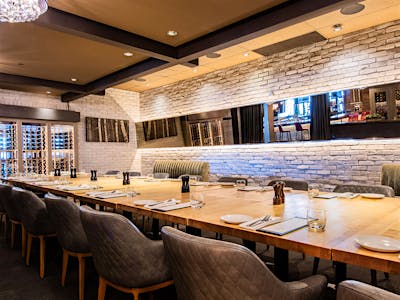
Kinkaku Izakaya translates a Japanese izakaya into downtown Kitchener, settling into a heritage‑era storefront on King Street West and favouring a casual, intimate atmosphere. The editorial case is rooted in drinking culture: the room is designed to support extended social sessions without tasting‑menu formality or the noise floor of a late‑night bar. That balance creates a charming, approachable energy where the bar programme takes priority and the dining pace is measured and communal. It reads as a deliberate local addition rather than a flashy import — unpretentious, focused and quietly assured.
Best For
This is a place best suited to after‑work hangs and small groups who want to linger over drinks and shared plates. The izakaya logic — food exists in service of drinking and portions are crafted for sharing over several hours — makes it ideal for friends or colleagues who favour conversation and a strong bar programme over formal multicourse service. It’s not pitched as a tasting‑menu destination or a raucous late‑night bar, so nights here unfold at a conversational pace, centred on the drink menu and rotating small dishes.
Ordering Tips
Treat the drinks programme as the priority: start by exploring Japanese whisky, shochu, sake and the house highballs, which the piece flags as central to the concept. The description specifically highlights a focused highball approach — ask about ice temperature, dilution and pour sequence — because those details materially affect the drink. Order multiple small, shareable plates rather than a single formal course, and pace orders so the table can graze as you move through cocktails and spirits. Let the bar’s logic drive the meal rather than approaching it like a tasting menu.
Venue details
Ambiance
Bustling and lively urban vibe with energetic service.
Tags
Vibe
Best For
Experience
Format
At the Bar
- Bar Category
- Sake Bar
- Late Night
- Closes by Midnight
Know before you go
Know Before You Go
- Getting there
- 217 King St W, Kitchener, ON N2G 0C9, Canada
Planning details
Location
Also consider
Also Consider
- Beertown Public House Waterloo, Notable alternative
- The Jazz Room, Notable alternative
- Wilks Bar, Notable alternative
- Chudleigh's Entertainment Farm, Notable alternative
- Collective Arts Brewing & Taproom, Notable alternative
Bar context
How it compares in Kitchener
Kinkaku Izakaya is the easier food-first choice when the plan needs a central dinner rather than a drinks-led venue. Beertown Public House Waterloo is better for a pub-style group with beer as the anchor, while The Jazz Room wins when live music is the point of the night.
For ambiance, choose this venue when the group wants casual downtown energy and a meal at the center of the plan. Wilks Bar is the cleaner alternative for a bar-forward evening, and Collective Arts Brewing & Taproom makes more sense when beer and taproom atmosphere matter more than dinner structure.
Chudleigh's Entertainment Farm is the outlier: better for an experience-led outing than a simple downtown meal. If booking ease and low planning friction are the priorities, Kinkaku Izakaya is the safer pick; if the outing needs a defined activity, music program, or taproom identity, cross-shop the peers instead.
Explore Kitchener
Around this place
Discover more on Pearl
Unlock the full Kinkaku Izakaya guide in Pearl, including awards, comparisons, FAQs, planning details, and nearby places.
Compare Kinkaku Izakaya
| Venue | Location | Awards |
|---|---|---|
| Kinkaku Izakaya | Kitchener | No published awards |
| Beertown Public House Waterloo | Waterloo | No published awards |
| The Jazz Room | Waterloo | No published awards |
| Wilks Bar | Cambridge | No published awards |
| Chudleigh’s Entertainment Farm | Halton Hills | No published awards |
| Collective Arts Brewing & Taproom | Hamilton | No published awards |
How Kinkaku Izakaya Kitchener compares with similar nearby venues.
FAQ
Frequently Asked Questions
Do I need a reservation at Kinkaku Izakaya?
Is Kinkaku Izakaya good for groups?
It may suit a casual group meal. For seating capacity, table size, or private-dining needs, confirm directly with the venue. Beertown Public House Waterloo or Collective Arts Brewing & Taproom may also be worth comparing if you want another option.
Is Kinkaku Izakaya good for a date?
It can be considered for a casual meal in Kitchener. The dress code is casual, and the listed hours offer several midday, afternoon, and evening windows from Tuesday through Sunday.
Is Kinkaku Izakaya open late?
Kinkaku Izakaya is open until 9:30 PM Tuesday through Thursday, 10 PM on Friday and Saturday, and 9 PM on Sunday. It is closed on Monday.
Is the food good at Kinkaku Izakaya?
Treat it as a casual Kitchener option and check current menus or recent diner feedback if food details are important to your decision.
Does Kinkaku Izakaya have happy hour deals?
Do not plan around discounts unless Kinkaku Izakaya lists a current happy hour. Wilks Bar or Collective Arts Brewing & Taproom are other venues you may want to compare. Check each venue's official channels for the latest details.
Does Kinkaku Izakaya have outdoor seating?
Do not build the plan around outdoor seating unless Kinkaku Izakaya confirms it for your date.