Astrea
Wholesale District, Indianapolis
Bar in Indianapolis, United States
 Book with Pearl
The Read
Elevated Urban Pour
Why go
Astrea is worth considering when the night calls for a polished downtown Indianapolis lounge with an indoor-outdoor feel and skyline atmosphere. Treat it as an upscale casual drinks-and-setting choice, not a food-first destination, and book for dates, small groups, or late-evening plans where the room matters.
About Astrea
For Astrea in Indianapolis, the planning details are direct: a $50 per-person price point, smart casual dress, and evening-to-late-night hours across the week.
The clearest reason to consider Astrea is scheduling. It opens at 4 PM Monday through Friday and Sunday, at 2 PM on Saturday, and stays open until midnight most nights, with 1 AM closing on Friday and Saturday. That makes it easier to slot into an Indianapolis evening than a venue with a shorter window.
The details are price, hours, and dress code
Astrea is best evaluated from the facts that are confirmed: $50 per person, smart casual dress, and late operating hours. The available information does not support making claims about a named cocktail list, chef, cuisine, signature food items, outdoor seating, views, or awards, so the safer read is to treat it as an Indianapolis option whose appeal should be confirmed directly if those details matter. If the night is food-led, use our full Indianapolis restaurants guide before committing the whole evening here.
For broader planning, Astrea can fit an evening itinerary when the group wants smart casual dress and a later schedule. It can also be considered alongside our full Indianapolis bars guide if you are comparing options by hours, price, and occasion.
Who should choose it, and who should skip it
Choose Astrea if a $50 per-person outing, smart casual dress, and late hours match the plan.
Skip it as the main plan if the night needs a documented food program, a chef-led meal, a specific cocktail brief, or confirmed outdoor seating. There is not enough detail to recommend it on culinary or beverage grounds alone. That is not a negative judgment; it simply means the decision should be based on price, hours, dress code, and any details you confirm directly with the venue.
For a broader Indianapolis plan, pair this with category research rather than forcing one venue to do everything: our full Indianapolis hotels guide for where to stay, plus other Indianapolis options for daytime plans or other outings. Other Indianapolis dining and nightlife options can be compared generically by schedule, budget, and occasion.
Quick reference: choose Astrea when a $50 per-person Indianapolis outing with smart casual dress and late hours fits the plan; do not choose it solely on claims about food, drinks, views, or awards.
Located inside
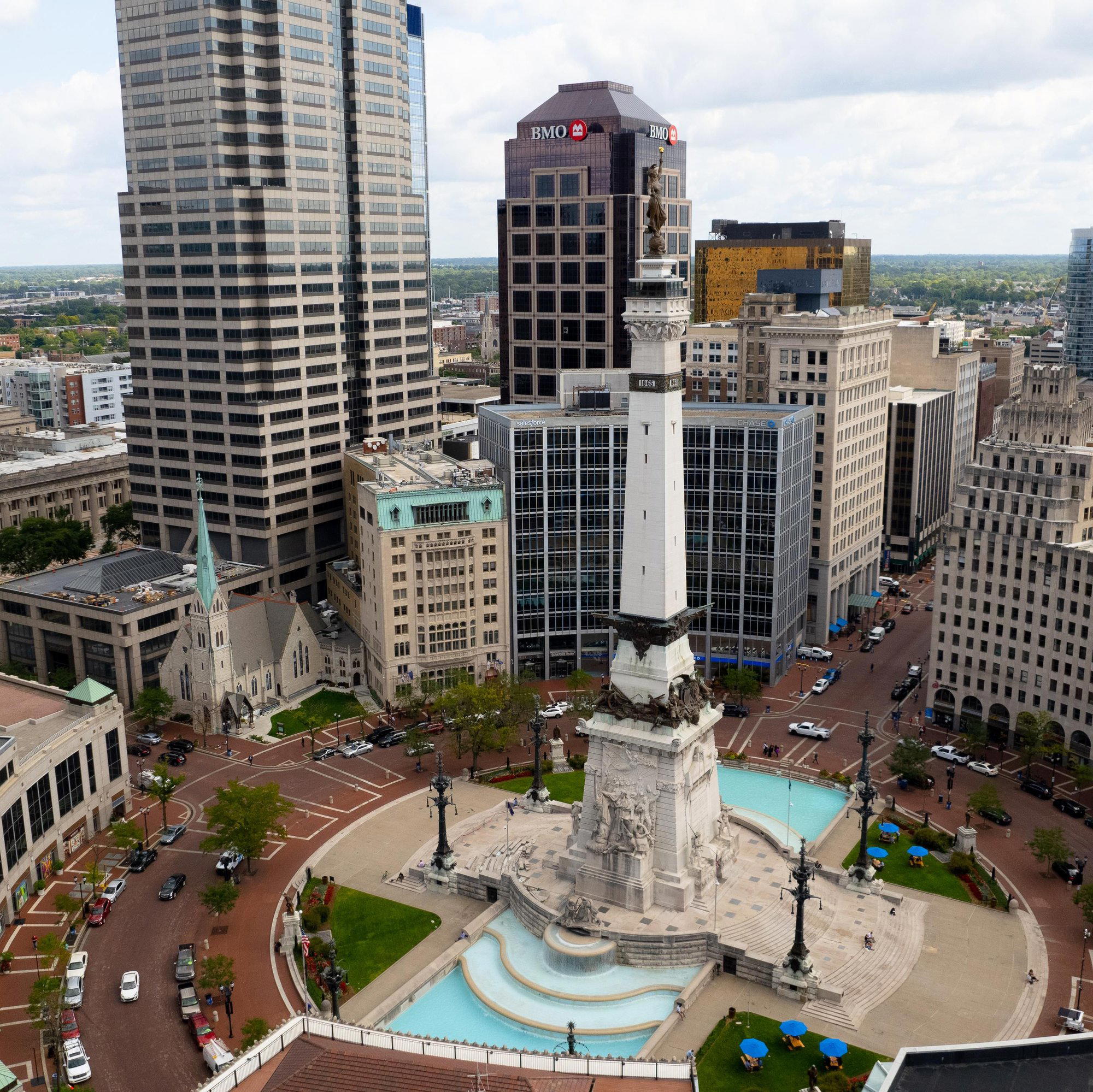 HotelInterContinental IndianapolisFull hotel guide
Planning details
- Location
- 17 W Market St 11th Floor, Indianapolis, IN 46204
- Reservations
- Book on OpenTable
- Website
- astrearooftop.com
- Phone
- +1 463 303 0400
The take
The Take
The Vibe
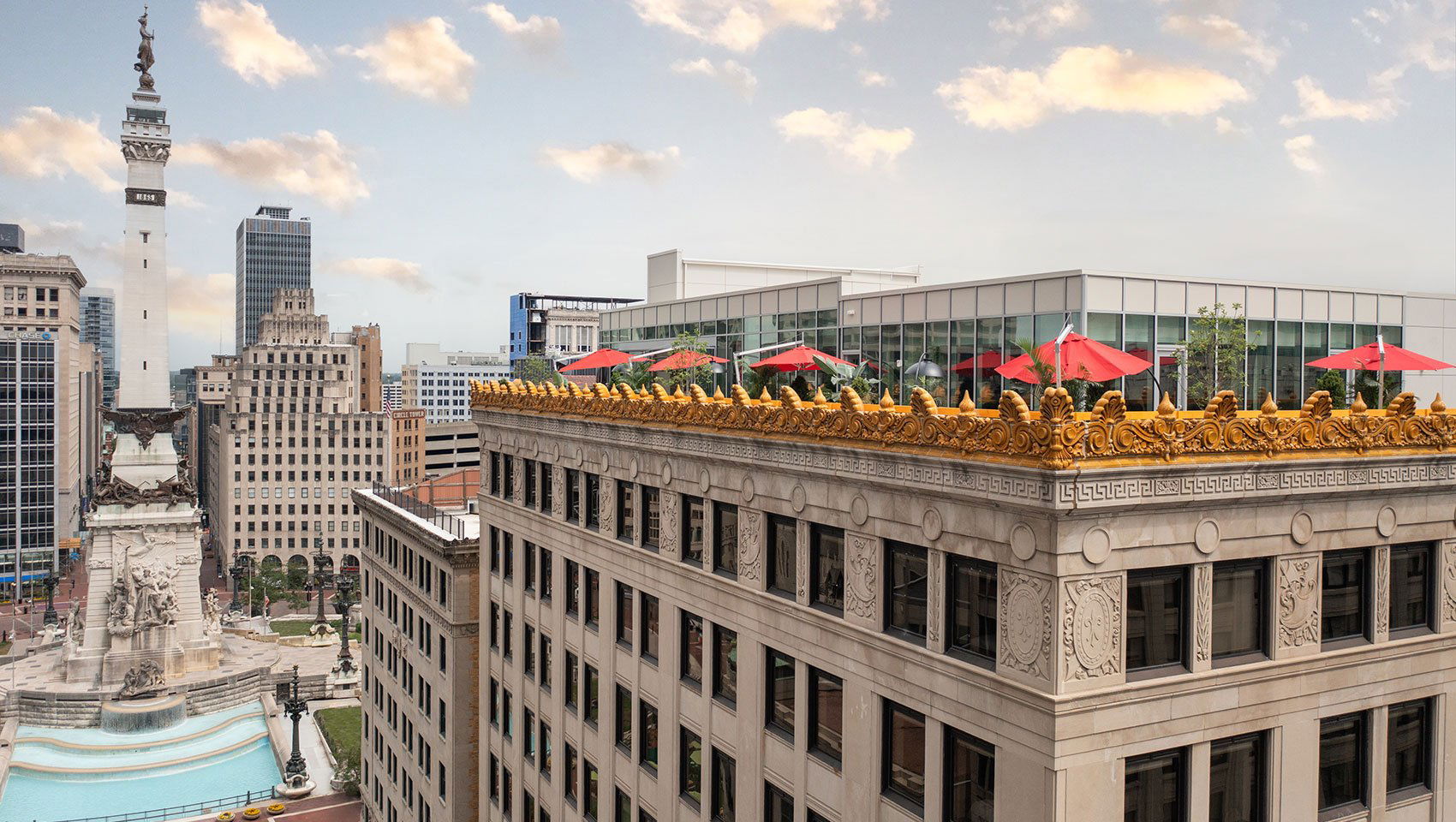
Perched on the eleventh floor, Astrea trades hotel-bar anonymity for an elevation-driven identity: the skyline and the compact city grid are ever-present, framing the room without overwhelming it. The writing positions the bar as part of a newer tier of downtown cocktail destinations where refinement matters more than spectacle. That measured confidence—favoring technique, sourcing and flavor over showy embellishment—gives the space a scenic, energetic tenor: it feels like a place for people who care about cocktails and the city view in equal measure.
Best For
Astrea is best for evenings when the view and the drinks are the point of the night. The profile emphasizes a deliberate cocktail program that rewards repeat visits, so it suits after-work crowds who want elevated cocktails, date nights for serious drinkers, and celebrations that value craft over theatrics. The bar’s high-floor vantage makes it a downtown stop for people looking to pair a skyline perspective with focused bartending rather than a purely touristic rooftop experience.
Ordering Tips
Order with attention to the cocktail program: the bar favors restrained, technically precise drinks that argue for flavor rather than spectacle. Skip expectations of smoke guns and multi‑garnish presentation and instead ask the bartender about the house approach or about cocktails that showcase technique or specific ingredients. Because the view is part of the draw but not the whole story, let the menu guide your choices—the craft behind the drinks is presented as the central reason to return.
Venue details
Ambiance
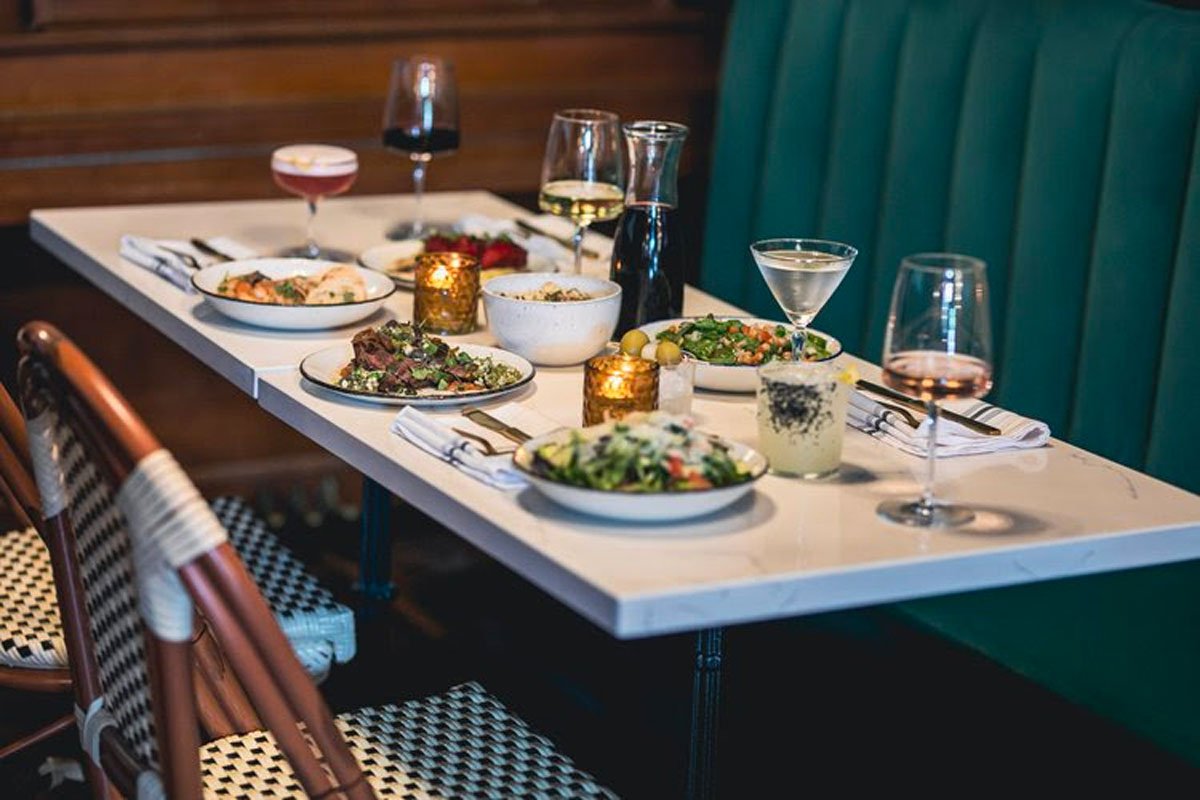
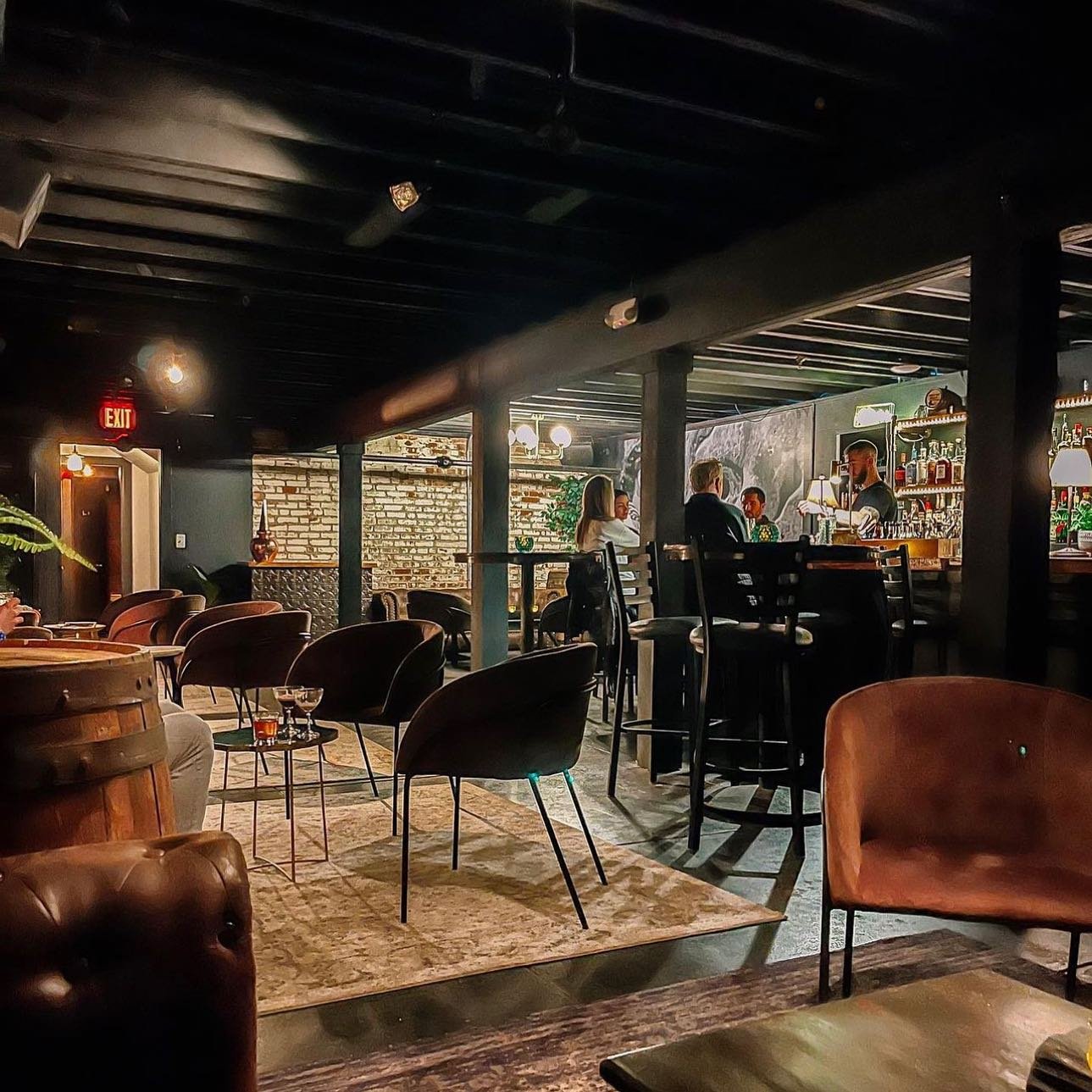
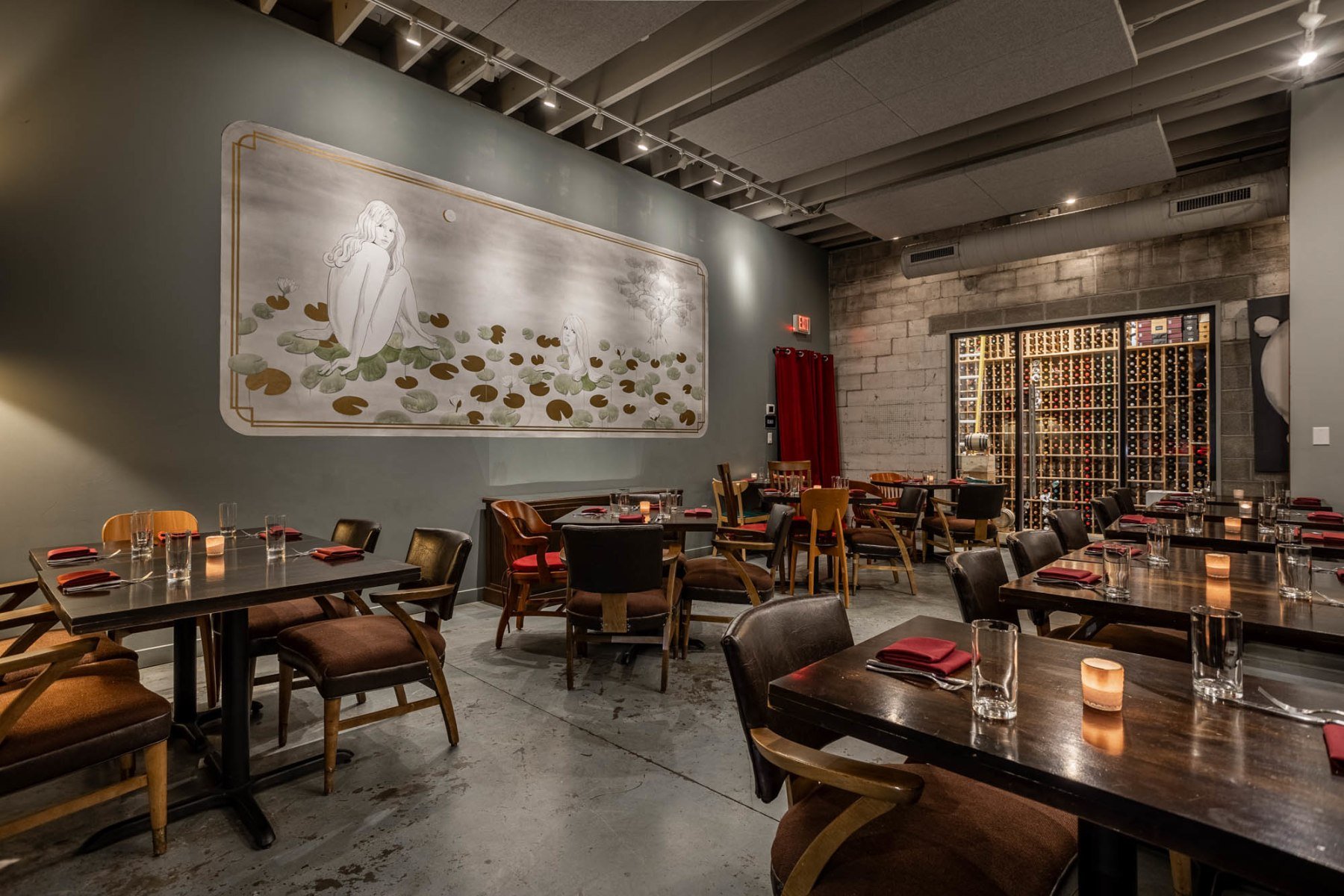
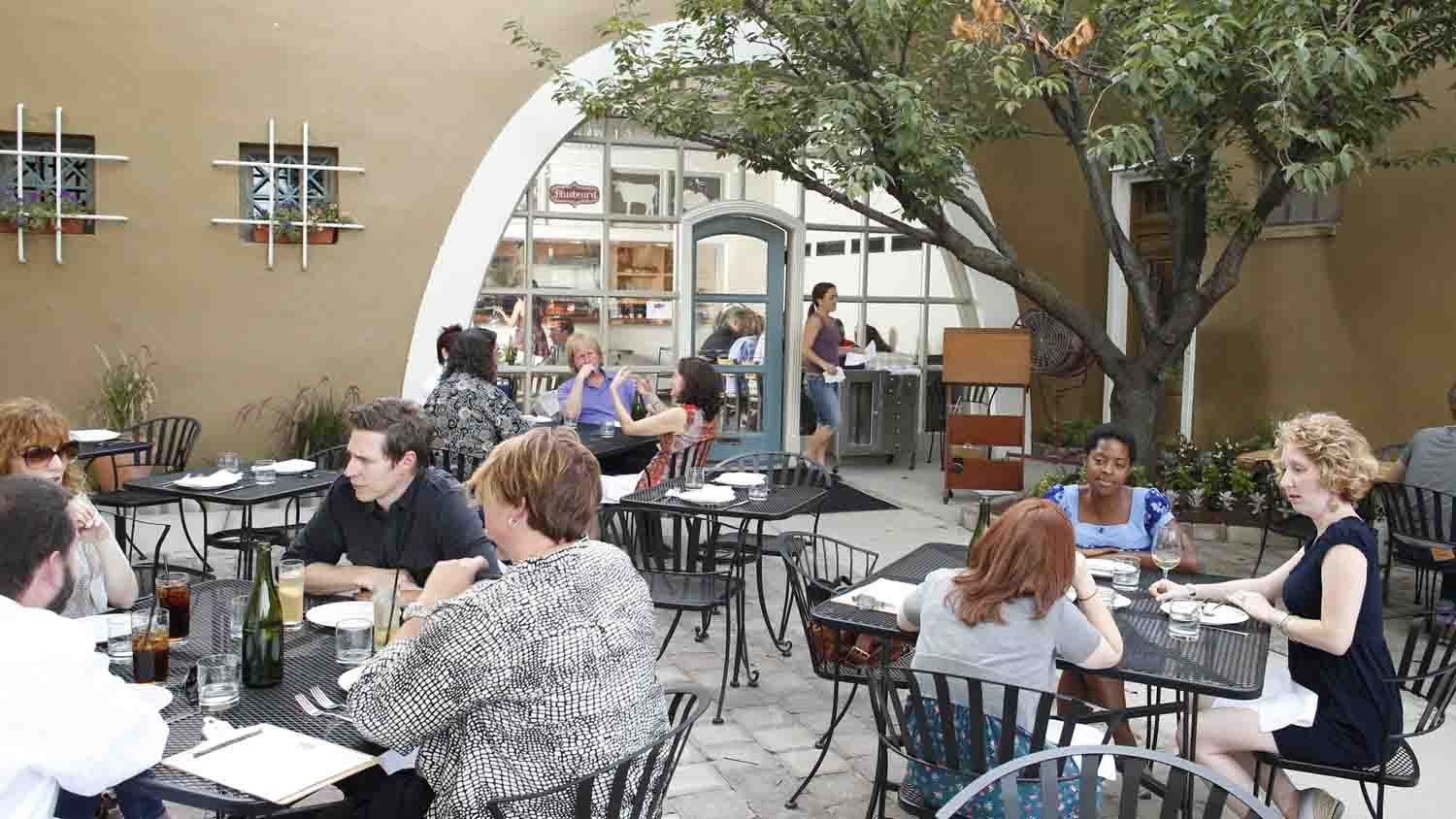
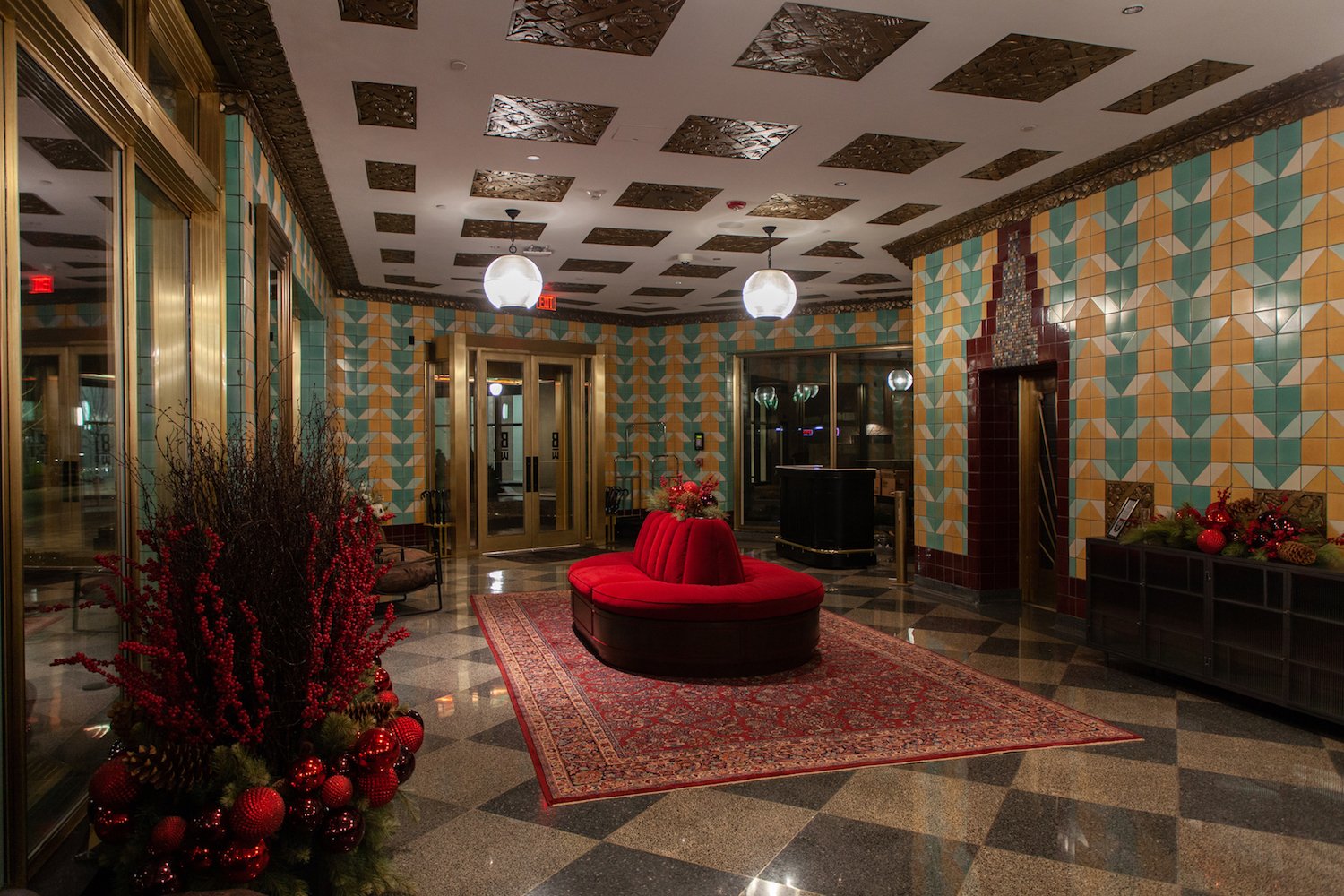
Luxe interior with velvet, leather, and marble, paired with soothing greenery in an indoor-outdoor space overlooking the city nightscape.
Tags
Vibe
Best For
Experience
Format
View
Accessibility
At the Bar
- Bar Category
- Rooftop Bar
- Late Night
- Open Until 2am
- Music
- Djs on Weekends
Signature Pours
- Nunya Bees Wax
- Cardinal Crown
Know before you go
Know Before You Go
- Getting there
- 17 W Market St 11th Floor, Indianapolis, IN 46204
Planning details
Location
17 W Market St 11th Floor, Indianapolis, IN 46204 · Directions
Explore Indianapolis
Around this place
Discover more on Pearl
Unlock the full Astrea guide in Pearl, including awards, comparisons, FAQs, planning details, and nearby places.
FAQ
Frequently Asked Questions
What's the crowd like at Astrea?
The confirmed smart casual dress code and $50 per-person price point suggest planning for a put-together Indianapolis outing rather than an ultra-casual stop.
Is the food good at Astrea?
Is Astrea open late?
Yes. Astrea is open until 12 AM Monday through Thursday and Sunday, and until 1 AM on Friday and Saturday.
Is Astrea good for a date?
It can be a fit if the date plan calls for smart casual dress, a $50 per-person price point, and evening or late-night hours in Indianapolis. Specific atmosphere details should be confirmed directly if they are important.
Is Astrea worth the prices?
That depends on what you want from the outing. The price is $50 per person, so Astrea makes the most sense when that spend level, the smart casual dress code, and the hours match your plan.
What's the best time to go to Astrea?
Use the hours to plan: Astrea opens at 4 PM Monday through Friday and Sunday, and at 2 PM on Saturday. It closes at 12 AM most nights and at 1 AM on Friday and Saturday.