
Bar in Iceland, Iceland
Kramber
100Pearl PointsWine-led, low-key

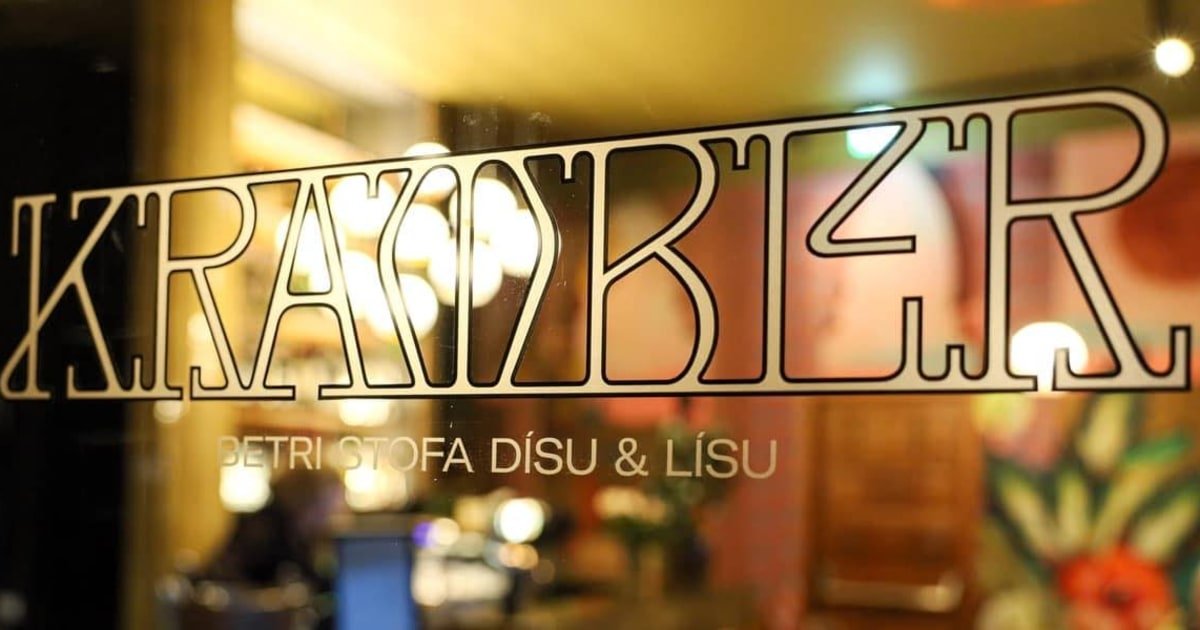
About Kramber
Kramber is the Reykjavík pick for a quieter, wine-first evening rather than a loud bar crawl. The 2026 Star Wine List recognition gives it a clear reason to choose over more general drinks spots, especially for a date where conversation matters. Go earlier if the plan is two-person and low-friction.
Kramber is a venue in Iceland with a casual dress code and verified evening hours. The clearest confirmed recognition is Star Wine List (2026), but the verified record does not include a menu, price range, seat count, reservation policy, or service format. That means Kramber is easiest to understand through the details that are confirmed, rather than through assumptions about what the visit will feel like once you arrive.
Use the confirmed details to plan simply: Kramber is closed Monday and Sunday, opens at 3 PM Tuesday through Saturday, closes at 11 PM Tuesday through Thursday, and stays open until 1 AM on Friday and Saturday. Those hours are the most reliable guide for deciding whether it belongs early in the evening, later in the night, or not at all on a given day. For another venue to compare while planning, consider 12 Tónar, or browse wider venue coverage.
Choose it when the verified hours and Star Wine List recognition fit the plan
Kramber's most useful confirmed planning signals are direct: casual dress, afternoon-to-late-evening opening from Tuesday through Saturday, later Friday and Saturday hours, and Star Wine List recognition in 2026. Taken together, those facts make it easier to place Kramber into an evening itinerary without relying on unverified claims about food, pricing, reservations, or the room itself. The casual dress code keeps the preparation straightforward, while the opening time of 3 PM gives some flexibility before the traditional late-night window begins.
For a simple plan, the timing matters more than any unconfirmed atmosphere claim. Tuesday through Thursday service ends at 11 PM, so Kramber fits best when the evening has a clear stop time or when it is only one part of a broader plan. Friday and Saturday service runs until 1 AM, which makes those nights the better verified fit for anyone comparing later options. If the night needs another comparison point, 12 Tónar is another option to consider.
Where it fits against other Iceland options
Pick Kramber when its verified schedule, casual dress code, and Star Wine List recognition match the kind of stop you want in Iceland. Those are the details that can be used with confidence. If the plan depends on specific food, a particular style, a budget target, or group seating, check the venue's official channels before committing, because those details are not part of the verified record here. The absence of those details is not a negative claim about the venue; it simply means they should not be treated as confirmed planning information.
The short version: Kramber is best treated as a casual Iceland venue with confirmed evening hours and confirmed Star Wine List (2026) recognition. It is most useful in planning when the day of the week and closing time already work for the evening, especially given the difference between Tuesday-through-Thursday hours and the later Friday-and-Saturday schedule. For other comparisons, consider options such as Bodega, Geiri Smart Bar, Kaffibarinn Bar, Lebowski Bar, or 12 Tónar.
Quick reference: Kramber is in Iceland, has a casual dress code, is closed Monday and Sunday, opens Tuesday through Saturday from 3 PM, and is recognized by Star Wine List (2026). Tuesday, Wednesday, and Thursday close at 11 PM, while Friday and Saturday extend to 1 AM, making the verified schedule the simplest way to decide where it belongs in an Iceland evening plan.
Frequently Asked Questions
Do I need a reservation at Kramber?
The verified record does not include a reservation policy. Check the venue's official channels for the latest booking details.
What's the crowd like at Kramber?
The verified record does not describe the crowd or atmosphere. Confirmed details are that Kramber has a casual dress code and is open Tue–Thu 3–11 PM and Fri–Sat 3 PM–1 AM, with Monday and Sunday closed.
Does Kramber have happy hour deals?
Happy hour details are not included in the verified record. Check the venue's official channels for current offers, if any.
Is the food good at Kramber?
The verified record does not include cuisine, menu, dishes, or food-service details. If food is central to your plan, confirm directly with the venue before going.
Is Kramber good for a date?
It may suit a simple casual outing if the hours work for your plan, but the verified record does not describe seating, atmosphere, or service style. The confirmed details are its casual dress code, evening hours, and Star Wine List (2026) recognition.
Is Kramber good for groups?
The verified record does not include seat count, group policy, or reservation details. Check directly with the venue if you are planning for a group.
Is Kramber open late?
Yes, on Friday and Saturday it is open until 1 AM. On Tuesday through Thursday it is open 3–11 PM, and it is closed Monday and Sunday.
Location
Bergstaðastræti, 101 Reykjavík, Iceland
Iceland, Iceland
Compare Kramber
| Venue | Awards | Booking Difficulty |
|---|---|---|
| Kramber | Star Wine List (2026) | Easy |
| Kaffibarinn Bar | Unknown | |
| 12 Tónar | Unknown | |
| Geiri Smart Bar | Unknown | |
| Lebowski Bar | Unknown | |
| Bodega | Unknown |
Comparable nearby venues by cuisine and price for this tier.
Also Consider
- Kaffibarinn Bar, Notable alternative
- 12 Tónar, Notable alternative
- Geiri Smart Bar, Notable alternative
- Lebowski Bar, Notable alternative
- Bodega, Notable alternative
How Kramber compares
Choose Kramber over Kaffibarinn Bar when wine is the point of the evening and the group is small. Kaffibarinn Bar is the safer direction for a livelier bar-night profile; Kramber is the more focused call for a two-person drink where the bottle or glass selection matters.
12 Tónar is the better cross-shop if the night should feel more casual and music-led, while Kramber is the cleaner choice for a date with less agenda. Geiri Smart Bar is more useful when the plan needs a hotel-bar-style fallback, especially for mixed groups that want an easier middle ground.
For late-night or bigger-group energy, Lebowski Bar and Bodega are more natural alternatives. Kramber is not the value play because of published deals or broad format; its value comes from a clearer wine focus and a calmer use case when the evening is built around conversation.
Recognized By

Explore Iceland
Save or rate Kramber on Pearl
Keep this venue in your Pearl passport, rate it after you visit, and track it alongside every other place you collect.