





The Savory Project
Central, Hong Kong
Bar in Hong Kong, Hong Kong
 Book with Pearl
The Read
Savory-Forward Cocktail Method
Why go
A serious Soho bar pick for date-night drinks or a celebration where recognition matters. The Savory Project is a stronger choice for small parties than groups, and it needs advance planning because booking difficulty is high. Do not choose it solely for outdoor seating unless that has been confirmed for your visit.
About The Savory Project
In Hong Kong, The Savory Project is best framed around its recognition rather than details about location specifics, pricing, seating, food, or service format. Its accolades include Top 500 Bars Best Bars #75 in 2025, World's 50 Best Bars #82 in 2024, Asia's Best Bars #19 in 2024, and Tatler recognition including Best Service in 2024 and a 2025 listing in Best Bars Asia-Pacific. For a smart-casual bar choice in Hong Kong, that awards profile is the clearest reason to keep it on the shortlist.
The practical caveat is that specific planning details like address, neighbourhood, seat count, terrace, menu format, price point, or group setup are not provided. If those details matter for the night, confirm them directly with the venue and keep 's full Hong Kong bars guide open as a backup planning layer.
Book it for bar recognition, not for outdoor space
The outdoor brief matters because some Hong Kong venues are chosen primarily for a view, terrace, or open-air setting. Outdoor space is not a selling point for The Savory Project. If outdoor space is non-negotiable, confirm it directly before committing; if the priority is a Hong Kong bar with recognition from major bar lists, The Savory Project remains a relevant choice.
For dinner-led planning, use Pearl's Hong Kong restaurants guide alongside the booking, especially if the bar is the first or final stop rather than the full evening. For hotel-based logistics, Pearl's Hong Kong hotels guide is the cleaner planning layer.
The decision: go for recognition and service credentials, confirm the rest directly
The Savory Project's strongest case is its awards profile, including bar-list recognition and Tatler service recognition. Specific details such as seat count, room layout, booking difficulty, noise level, or ideal party size are not specified. If any operational detail could make or break the plan, confirm it directly before booking or visiting.
Food should not be the main reason to choose it unless the venue has directly confirmed what is available for the date in question. It is best chosen for its recognition-led appeal: go because of the bar accolades and service credentials, not because of an assumed dining format. If the evening needs a full dining anchor, separate the decision: dinner first, then The Savory Project.
For broader Hong Kong planning, keep this as a recognition-led bar option and line up alternatives if timing, seating, or format are important. If you want a different kind of Hong Kong bar comparison, consider The Pontiac, Socio, ThinkWine, C108, or The Wise King depending on the mood and logistics of the night.
Planning details
- Location
- 4 Staunton Street, Soho, Central
- Website
- thesavoryproject.com
- Phone
- +852 2318 1588
The take
The Take
The Vibe
The Savory Project presents a focused, high-calibre identity in the heart of Soho, trading broad novelty for a single, well-executed idea: savoury flavour as the dominant register. Its recognition in regional and global rankings positions it as a polished, contemporary cocktail destination that still feels intimate rather than ostentatious. The writing frames the bar as part of Hong Kong’s move toward bars that announce their purpose from the first drink — firmly modern and trend-aware, yet quietly sophisticated. Expect a compact, narrative-first programme that prizes coherence and craft over gimmickry.
Best For
This is a spot for dates, after-work drinks and small casual meetups where the conversation leans toward cocktails and concept. The Savory Project’s placement on Tatler Asia’s Leading 20 Bars and its steady presence across international lists make it a good choice for visitors and locals looking for a benchmark cocktail experience in Central's dense bar strip. It works best for people who appreciate a curated, theme-forward menu and a polished, intimate environment rather than loud nightlife or big-group boozing.
Ordering Tips
Order with the bar’s organising idea in mind: the programme prioritises savoury flavour as its defining element. Rather than seeking familiar sweet or spirit-first classics, ask the staff for recommendations that illustrate the savoury thesis or for a narrative-led flight that showcases the concept. The write-up highlights the bar’s commitment to this single register, so expect drinks that foreground umami, saline or herbaceous notes rather than conventional sweetness — and let the bartenders point you toward the signature expressions of that approach.
Venue details
Ambiance
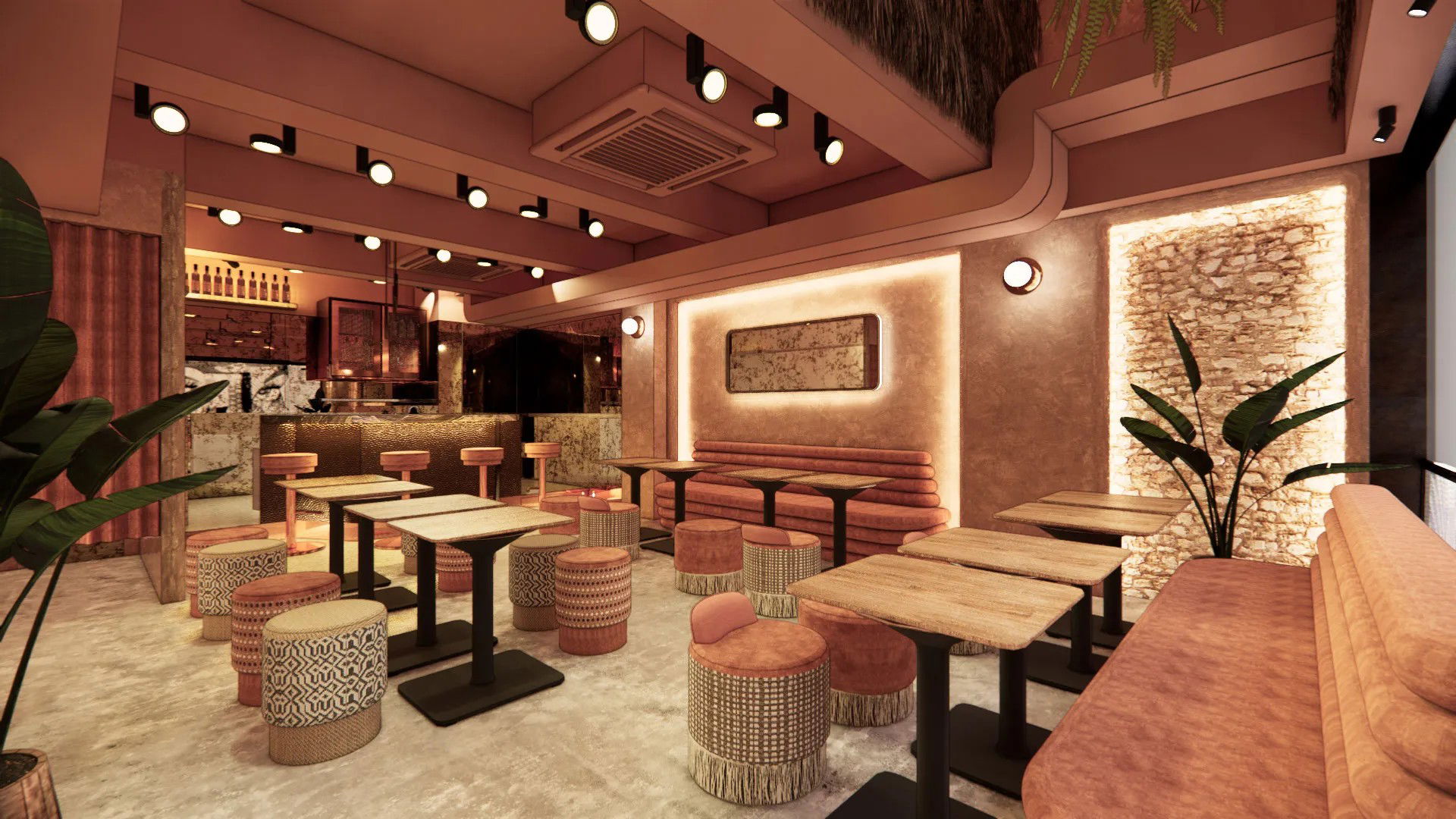
Minimalist design with earthy tones of marble, wood, and metal, featuring a custom hexagonal bar that fosters intimate guest-bartender interactions in a polished yet relaxed space.
Tags
Vibe
Best For
Experience
Format
At the Bar
- Bar Category
- Cocktail Bar
- Late Night
- Closes by Midnight
Signature Pours
- Thai Beef Salad
- Peppercorn
- Teriyaki
- Gari Gari
Know before you go
Know Before You Go
- Getting there
- 4 Staunton Street, Soho, Central
Planning details
Location
Recognition and awards


Also consider
Also Consider
- C108, Notable alternative
- The Pontiac, Notable alternative
- Socio, Notable alternative
- ThinkWine, Notable alternative
- The Wise King, Notable alternative
Bar context
How it compares in Hong Kong
Against C108, The Pontiac, Socio, ThinkWine, and The Wise King, The Savory Project is the higher-urgency booking because its recognition is stronger and availability is tighter. Choose it when the night needs a current, award-backed bar in Central rather than an easier walk-up-style plan.
The Pontiac is the better backup if the group wants a looser, less formal bar night. ThinkWine is the more natural cross-shop for guests who care more about wine than cocktails. The Wise King makes sense when the priority is a classic cocktail-bar feel, while Socio and C108 are useful alternates if timing matters more than chasing the harder booking.
For value, the safer approach is to decide by occasion rather than price because published spend guidance is not available. For a date or celebration, The Savory Project earns the first attempt. For a larger group or a less scheduled night, start with one of the easier-feeling peers and keep this for a smaller, more deliberate plan.
Explore Hong Kong
Around this place
Discover more on Pearl
Unlock the full The Savory Project guide in Pearl, including awards, comparisons, FAQs, planning details, and nearby places.
Compare The Savory Project
| Venue | Location | Awards |
|---|---|---|
| The Savory Project | Hong Kong | 2026 Asia's 50 Best Bars 51-100 · #60SCMP 100 Top Tables 2026 - Bars2025 Asia's 50 Best Bars · #32Top 500 Bars 2025 · #752025 World's 50 Best Bars · #86Tatler Best Bars Asia-Pacific 20252024 Asia's 50 Best Bars · #192024 World's 50 Best Bars · #82 |
| C108 | Hong Kong | No published awards |
| The Pontiac | Hong Kong | Top 500 Bars 2025 · #3722022 Asia's Best Bars · #332021 World's 50 Asia's Best Bars · #262020 World's 50 Asia's Best Bars · #352019 World's 50 Asia's Best Bars · #322018 World's 50 Asia's Best Bars · #312017 World's 50 Asia's Best Bars · #162016 World's 50 Asia's Best Bars · #19 |
| Socio | Hong Kong | No published awards |
| ThinkWine | Hong Kong | No published awards |
| The Wise King | Hong Kong | SCMP 100 Top Tables 2026 - Bars2022 Asia's Best Bars · #342021 World's 50 Asia's Best Bars · #282020 World's 50 Asia's Best Bars · #182019 World's 50 Asia's Best Bars · #18 |
How The Savory Project Hong Kong compares with similar nearby venues.
FAQ
Frequently Asked Questions
Does The Savory Project have outdoor seating?
Is The Savory Project good for a date?
Date-night suitability is not specified. The Savory Project is a smart-casual Hong Kong bar with recognition, including Tatler service recognition and World's 50 Best Bars recognition. For a looser contrast, The Pontiac is another Hong Kong option to compare.
What's the crowd like at The Savory Project?
The exact crowd profile is not specified. The Savory Project is a recognized Hong Kong bar with a smart-casual dress code. For a different mood, compare it with The Pontiac, Socio, ThinkWine, C108, or The Wise King.
Do I need a reservation at The Savory Project?
Reservation requirements are not specified. Because The Savory Project has recognition on major bar lists, it is sensible to check availability and booking policies directly before planning the night around it.
Is the food good at The Savory Project?
Food details are not specified, so do not assume this is a food-led recommendation. The Savory Project is a recognized Hong Kong bar; confirm any menu details directly if food matters to the plan.
Does The Savory Project have happy hour deals?
Happy hour deals are not specified. Choose The Savory Project for its bar recognition and service credentials rather than assuming a discount-led visit.