
Bar in Hamburg, Germany
Weinladen
100Pearl PointsLate-afternoon pour

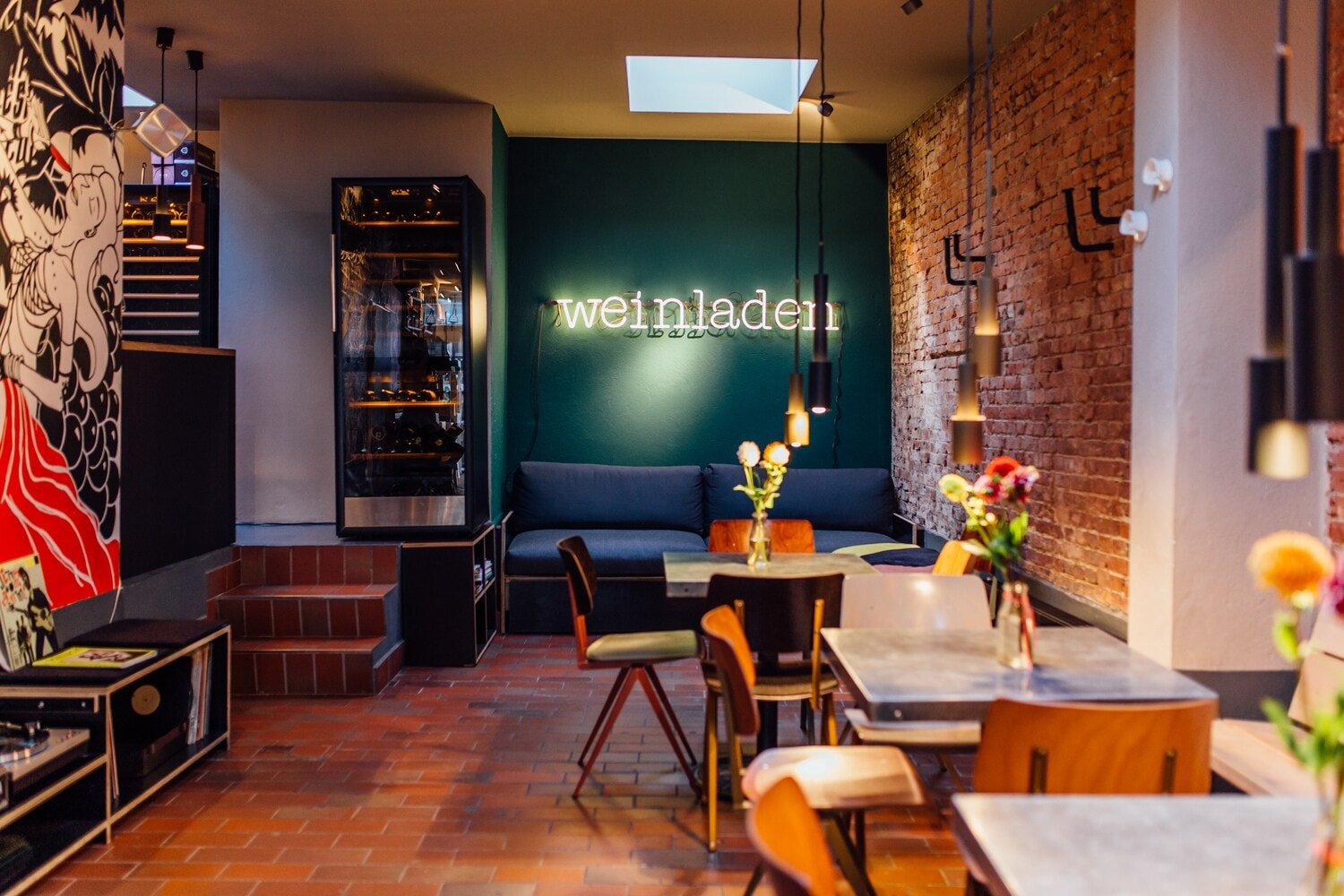
About Weinladen
Weinladen is a strong pick for a low-pressure St. Pauli date when wine and conversation matter more than cocktails or a full dinner. The 2026 Star Wine List recognition gives it a useful quality signal, and the timing works better early in the evening than as a late-night fallback.
Weinladen is a Hamburg venue with limited weekly opening hours and a casual dress code. The verified planning details are simple: it opens Thursday and Friday from 2–10 PM, Saturday from 12–10 PM, and is closed Sunday through Wednesday.
For a first-timer, the clearest confirmed signal is its Star Wine List recognition for 2026. Beyond that, the safer approach is to plan around the published hours rather than assuming a particular menu format, price level, seating style, or full-meal experience.
Choose it for a casual Hamburg stop with clear opening-day limits
The main planning case is direct: Weinladen works well when its Thursday-to-Saturday schedule fits the plan. If the priority is comparing other options, Botanist Bar, Yakshi's Bar, or kiosque. may also be worth considering. If the night is built around a restaurant meal, Restaurant Henssler and Die Bank are other cross-shops.
Value is harder to judge without a verified price range, so the safer expectation is to treat this as a choice based on timing, setting, and the confirmed Star Wine List recognition rather than a bargain hunt. Visitors should not assume specific dishes, bottle prices, seating arrangements, or service format from the available verified information.
The timing sweet spot is early evening
The better move is to start here before the night gets too late. Thursday or Friday can work from 2 PM onward, while Saturday is the most flexible day because it opens at 12 PM. Weinladen is not listed as open past 10 PM, so it should sit near the start or middle of the night rather than at the end.
For broader planning, use our full Hamburg bars guide if the night may shift toward other bars, our full Hamburg restaurants guide if dinner needs to anchor the plan, and our full Hamburg hotels guide if staying in Hamburg matters. For a wider trip plan, our full Hamburg experiences guide keeps the rest of the evening practical.
Quick reference: choose this for a casual Hamburg stop during its Thursday-to-Saturday opening window; choose another venue if the night needs different hours or a more specific format.
Frequently Asked Questions
What's the best time to go to Weinladen?
Go during its confirmed opening window: Thursday or Friday from 2–10 PM, or Saturday from 12–10 PM. Earlier in the evening is the safer choice if you want to avoid making it the final stop of the night. For a dinner-first plan, a restaurant such as Restaurant Henssler may make more sense.
Is Weinladen open late?
Weinladen is open until 10 PM on the days it opens: Thursday, Friday, and Saturday. It is closed Sunday, Monday, Tuesday, and Wednesday, so it is not an all-week late-night option. If you want a longer evening, Die Bank is a useful comparison.
What is Weinladen known for?
Weinladen has verified Star Wine List recognition for 2026. Other specifics, such as menu format, prices, seating style, or service details, are not confirmed here.
Location
Paul-Roosen-Straße 29, 22767 Hamburg, Germany
Compare Weinladen
Where to place it among nearby options
For value, judge Weinladen by wine credibility rather than a published price tier. The 2026 Star Wine List recognition gives it a clearer reason to choose it over a generic St. Pauli drink stop.
If the evening needs cocktails, compare it with Botanist Bar or Yakshi's Bar. If dinner is the main event, Restaurant Henssler or Die Bank is the cleaner decision.
If you cannot make this work
For a cocktail-led alternative, try Botanist Bar. For a more casual bar stop, kiosque. is the easier pivot.
How it compares in Hamburg
Weinladen is the better choice when the night is wine-led and low-pressure. Botanist Bar and Yakshi's Bar are stronger fits for cocktail drinkers, especially if the evening needs a more bar-driven feel. For a two-person date where conversation matters, Weinladen is the calmer pick.
Against kiosque. the decision is about format: choose Weinladen for a wine-focused stop, choose kiosque. if the plan is more casual and fluid. Restaurant Henssler and Die Bank make more sense when food is the anchor rather than an add-on.
Booking difficulty is listed as easy, which makes Weinladen useful when a polished but low-effort plan is needed. The tradeoff is that it is not the venue for late-night momentum or a large-format dinner; it is a focused wine stop that works best early.
Recognized By

Explore Hamburg
Save or rate Weinladen on Pearl
Keep this venue in your Pearl passport, rate it after you visit, and track it alongside every other place you collect.