

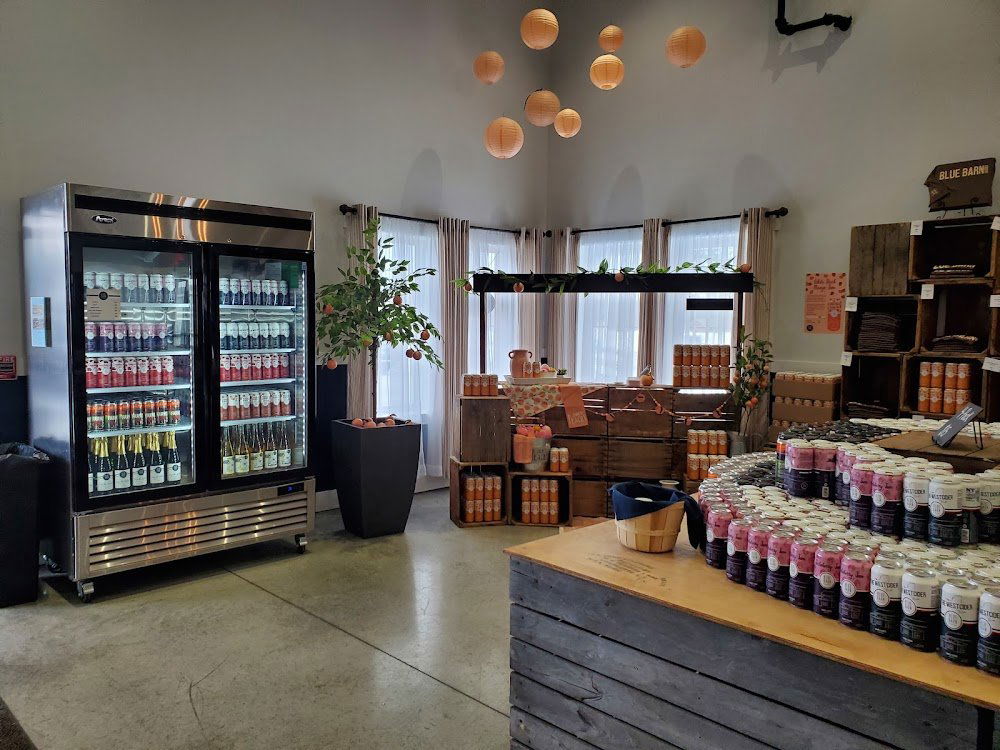
Blue Barn Cidery
Greece
Bar in Greece, United States
 Book with Pearl
The Read
Orchard-Floor Cidermaking
Price
$30–50per person
Why go
Blue Barn Cidery is a casual Greece-area pick when cider and an easygoing outing matter more than a documented food program. Treat it as a drink-led stop for groups, daytime plans, or a low-pressure date; if dinner quality is the main decision, cross-shop Agatina's Restaurant, Branca Midtown, Velvet Belly, or Bitter Honey first.
About Blue Barn Cidery
Blue Barn Cidery in Greece is best framed with the basics: it is a casual venue with a limited weekly schedule. It is closed Monday and Tuesday, open Wednesday through Saturday from 11 AM to 9 PM, and open Sunday from 9:30 AM to 3 PM.
Use that as the planning lens. If you are choosing mainly by hours and a casual dress code, Blue Barn Cidery is direct to place on a Greece itinerary. If you are choosing primarily for a specific food style, a particular dining format, or a more defined restaurant experience, compare it with other options such as Agatina's Restaurant or Branca Midtown before committing.
Choose it for a casual stop, with limited detail
The safest call is modest: do not assume a particular cuisine, signature dish, chef, price range, or award history from the information available here. That does not make Blue Barn Cidery a poor choice; it simply means this guide can confirm the hours and casual dress code, but not a documented restaurant program.
For first-timers, the better framing is occasion-based and cautious. Compared with Rocky's, this is the option to consider when Blue Barn Cidery itself is the reason for the stop. Compared with Velvet Belly or Bitter Honey, it is worth weighing if you specifically want Blue Barn Cidery rather than a different outing.
Use it as a relaxed Greece stop, then cross-shop if evening plans matter
For planning around Greece, Blue Barn Cidery belongs on a casual shortlist because the dress code is casual and the hours are clearly defined. The key planning constraint is the schedule: it is not open Monday or Tuesday, runs 11 AM to 9 PM Wednesday through Saturday, and has a shorter Sunday window from 9:30 AM to 3 PM.
The practical verdict is simple: choose Blue Barn Cidery when its Greece location, casual dress code, and posted hours fit your plan. Cross-shop if cuisine, pricing, reservations, or a more defined dining format are the priority, because those details are not here.
Planning details
- Location
- 928 Manitou Rd, Hilton, NY 14468
- Website
- bluebarncidery.com
- Phone
- +1 585 366 7358
The take
The Take
The Vibe
Blue Barn Cidery settles into a rural, tradition-rich mood: a barn-form building set among orchards and farmland that slows the pace compared with Rochester’s city bars. Cider has an agricultural lineage and predates beer trends as an American craft, and the physical setting is part of the experience. On clear days the lake is visible in the distance, reinforcing a quietly scenic, pastoral quality. The tasting experience feels grounded rather than theatrical: decisions made in the orchard and the cellar shape what you drink more than bar theatrics do.
Best For
Blue Barn Cidery suits visitors who are specifically interested in cider as a product of place: people who want to taste how apple variety, harvest timing, and fermentation choices register in the glass. It’s a good stop for those making the drive out of Rochester for a slower, more rural outing: small groups, curious couples, and anyone seeking a tasting-focused excursion. The setting and program reward people who appreciate agricultural context and want a quieter, more contemplative tasting experience rather than a bustling cocktail scene.
Ordering Tips
Treat a visit like a tasting and center questions on provenance and process. Varietal choice, harvest timing, and fermentation vessel determine flavor, so ask the bartender or cidermaker about which apples went into a given batch and how it was fermented. Opt for a flight if one is offered so you can compare those variables side by side, and frame conversations around orchard source and production decisions rather than cocktail ingredients.
Venue details
Ambiance
Charming farm setting with classy, welcoming atmosphere blending agricultural heritage with contemporary hospitality.
Tags
Vibe
Best For
Experience
Format
At the Bar
- Bar Category
- Beer Bar
- Late Night
- Closes by Midnight
- Music
- Jazz and Vocal Standards
- Live Music
- Yes
- Spirits Focus
- Cider
Signature Pours
Jostaberry Jam Cider
Know before you go
Know Before You Go
- Getting there
- 928 Manitou Rd, Hilton, NY 14468
Planning details
Location
Also consider
Also Consider
- Agatina's Restaurant, Notable alternative
- Rocky's, Notable alternative
- Branca Midtown, Notable alternative
- Velvet Belly, Notable alternative
- Bitter Honey, Notable alternative
Bar context
How it compares for a Greece night out
Blue Barn Cidery is the choice when the outing is built around cider and a relaxed pace. Agatina's Restaurant and Branca Midtown are better cross-shops when the meal needs to lead the night, because Blue Barn Cidery does not have enough published food detail to justify a food-first recommendation.
For a simpler drinks plan, compare it with Rocky's. Rocky's is the safer alternative if the group wants a more general bar or restaurant feel, while Blue Barn Cidery is the more specific pick for cider drinkers. Booking difficulty reads easy, so this is a practical option when the group wants less planning friction.
Velvet Belly and Bitter Honey make more sense for readers prioritizing a sharper bar or dining atmosphere. Choose Blue Barn Cidery for casual value and a cider-led visit; choose one of those peers if ambiance and a more defined night-out feel matter more than the cidery format.
Explore Greece
Around this place
Discover more on Pearl
Unlock the full Blue Barn Cidery guide in Pearl, including awards, comparisons, FAQs, planning details, and nearby places.
Compare Blue Barn Cidery
| Venue | Location | Awards |
|---|---|---|
| Blue Barn Cidery | Greece | No published awards |
| Agatina's Restaurant | Gates | No published awards |
| Rocky's | Rochester | No published awards |
| Branca Midtown | Rochester | No published awards |
| Velvet Belly | Rochester | No published awards |
| Bitter Honey | Rochester | No published awards |
How Blue Barn Cidery Greece compares with similar nearby venues.
FAQ
Frequently Asked Questions
Is Blue Barn Cidery open late?
Blue Barn Cidery is open until 9 PM Wednesday through Saturday. It is open Sunday from 9:30 AM to 3 PM and closed Monday and Tuesday.
Do I need a reservation at Blue Barn Cidery?
Reservation details are not here. Plan around the confirmed hours: closed Monday and Tuesday, open 11 AM–9 PM Wednesday through Saturday, and open 9:30 AM–3 PM Sunday.
Is the food good at Blue Barn Cidery?
No cuisine type, menu format, signature dishes, chef, price range, or food awards are available here. If food is the main reason for going, compare current details before deciding.
Is Blue Barn Cidery good for a date?
It may fit a relaxed plan if the casual dress code and hours work for you. The information does not support a claim about atmosphere, service style, or a formal dining experience.
What's the best time to go to Blue Barn Cidery?
Choose based on the confirmed schedule. Blue Barn Cidery is open 11 AM–9 PM Wednesday through Saturday and 9:30 AM–3 PM Sunday, and it is closed Monday and Tuesday.
What's the crowd like at Blue Barn Cidery?
The confirmed dress code is casual, and the confirmed hours are Wednesday through Sunday with Monday and Tuesday closures.