
Bar in Gijon, Spain
Sidrería Asturias
100ptsEscanciado Ritual
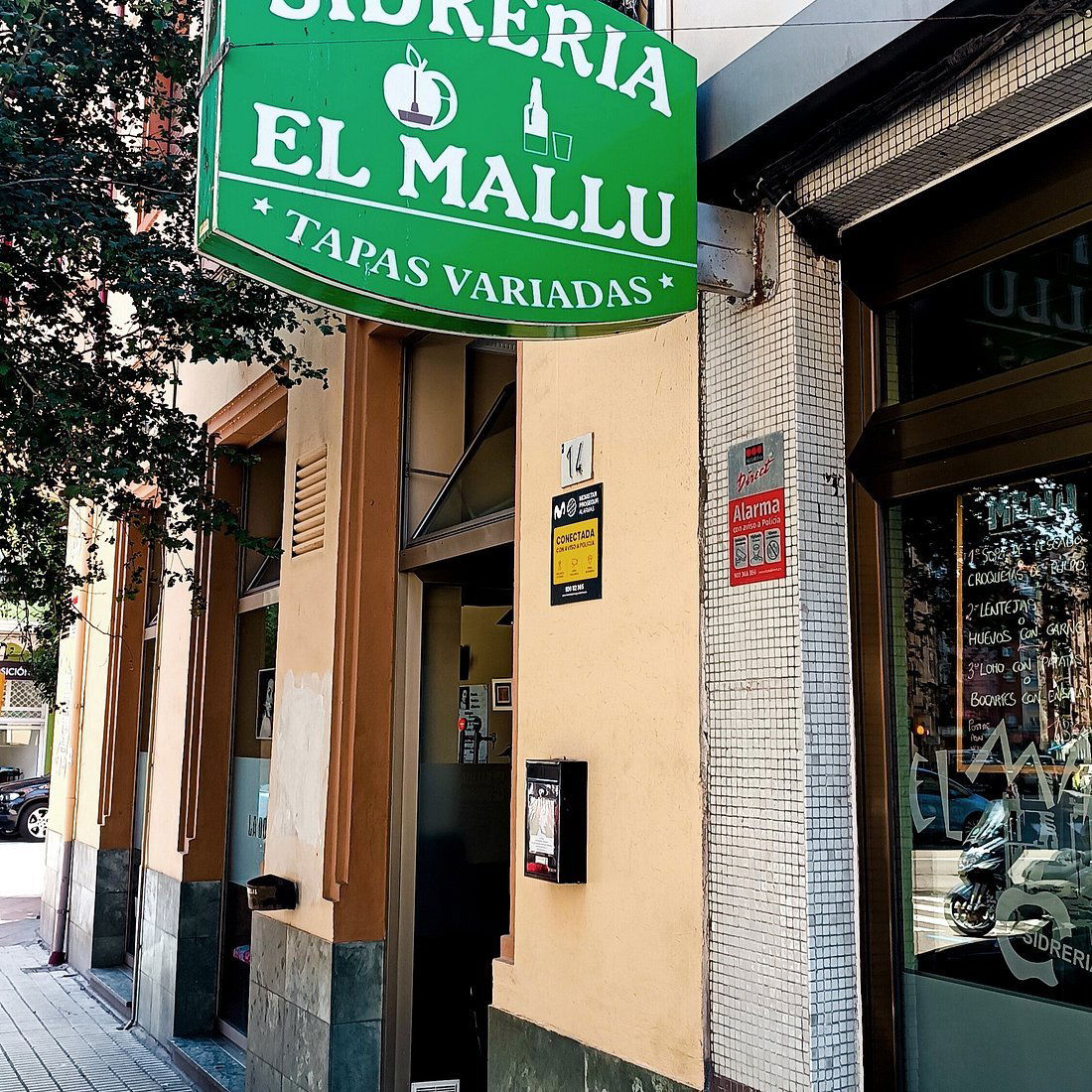
About Sidrería Asturias
In Gijón's sidra culture, Sidrería Asturias on Calle Dr. Aquilino Hurlé represents the kind of neighbourhood pouring house that defines how the region actually drinks. The format is built around cider poured high and consumed fast, with the accompanying food playing a secondary but serious role. This is Asturian drinking tradition in its least theatrical form.
Where the Pour Is the Point
Asturian cider culture operates on a set of rules that would confuse anyone arriving from a wine bar or a craft beer tap room. The glass is held low, the bottle raised well above the shoulder, and the cider streams down in a thin arc to oxygenate on impact — a technique called escanciado that every serious sidrería in Gijón practices without exception. The small measure that lands in the glass is called a culín, and it is meant to be drunk immediately, before the carbonation dissipates. This is not theatre. It is a technical requirement of the drink itself, and it shapes the entire rhythm of an evening at any traditional Asturian pouring house.
Sidrería Asturias, on Calle Dr. Aquilino Hurlé in the Gijon-Este district, sits inside this tradition rather than commenting on it from a distance. The address places it east of the old fishing port, in a stretch of Gijón that functions as a working neighbourhood rather than a tourist circuit. That geographical fact matters: sidrerías in the centre of the city have increasingly adjusted their pace and presentation to accommodate visitors who want to photograph the pour rather than participate in it. The further east you move from the waterfront tourist axis, the more the culture reasserts itself on its own terms.
The Drink in Context
Natural Asturian cider — sidra natural , is made from local apple varieties that produce a low-alcohol, lightly tart, and deeply cloudy drink with almost no retained carbonation. The flavour profile sits closer to funky farmhouse fermentation than to the sweet sparkling ciders common in northern Europe. Gijón is one of the two main cider cities in Asturias, alongside Villaviciosa, and the city has dozens of active sidrerías ranging from barn-format operations on the rural periphery to narrow-fronted urban bars like the one on Calle Dr. Aquilino Hurlé.
What distinguishes the better urban sidrerías from the more casual operations is consistency in the pour and the quality of the accompanying food. The traditional pairing for sidra natural is not charcuterie or olives, as might be assumed by analogy to other Spanish bar traditions. It is aged local cheese , particularly the blue-veined cabrales and the harder afuega'l pitu , cured pork products specific to the Asturian interior, and often fresh grilled fish or fabes bean stew during cooler months. The food serves as ballast for a drink that is consumed in repeated small measures across an extended evening, and sidrerías that take the kitchen seriously tend to hold a more consistent clientele throughout the week.
How Spanish Drinking Culture Frames This Format
Across Spain, bar culture has fragmented along clear lines in recent years. Cocktail programmes at places like Angelita in Madrid or the carefully preserved classic format at Boadas in Barcelona represent one pole: technically precise, internationally referenced, and increasingly expensive. At the other end, regional drinking traditions , Basque txakoli culture, Galician albariño bars, and Asturian sidrerías , have maintained formats rooted in place-specific production rather than global bar trends.
The sidrería format is arguably the most physically distinctive of these regional traditions because the drink itself demands a particular method of service that cannot be replicated at a standard bar counter without training and practice. This is part of why sidrerías have remained relatively insulated from the homogenisation that has affected other segments of Spanish hospitality. A bar that serves sidra natural well is already making a statement about regional identity before a single word is spoken. For comparison, the coastal bar programmes in Spain's island markets , from Garito Cafe in Palma de Mallorca to Garden Bar in Calvià , operate in an entirely different register, where Mediterranean warmth and imported cocktail technique shape the offer. Neither is better or worse; they answer different questions about what a bar is for.
Within the Asturian corridor itself, a handful of bars have moved toward hybrid formats that acknowledge the region's cider culture while adding a broader drinks programme. Bar Guillermina in Cabrales and Casa Lin in Avilés represent that adjacent tradition of northern Spanish pouring houses. In the Basque Country, Bar Stick in Errenteria shows how similar format discipline plays out in a different regional drinking culture. Sidrerías that remain committed to a single product , sidra natural and the kitchen pairings that serve it , occupy a narrower but more defined niche than these hybrid formats.
Planning a Visit
Gijón's sidrería culture is most active from early evening onward, with the busiest hours running between roughly 8pm and 11pm on weekdays and extending later on weekends. The city follows Asturian eating rhythms, which means dinner runs late and the line between an extended drink and the start of a meal is deliberately blurred. Walking distance from the waterfront to the Gijon-Este district puts the venue in easy reach of the city centre without requiring transport. The neighbourhood has several sidrerías within a short radius, so a circuit across two or three addresses in a single evening is a standard format for locals rather than an unusual itinerary. For broader context on how this venue fits into Gijón's drinking scene, our full Gijón restaurants guide covers the range of options by neighbourhood and format.
There is no reservations infrastructure at most traditional Asturian sidrerías , the model assumes walk-in, standing or shared-table seating, and relatively fast turnover of groups who come for the cider rather than to occupy a table for the evening. Arriving before 9pm on weekday evenings gives a reasonable chance of finding space without a wait. On Friday and Saturday nights, patience is part of the format.
Frequently Asked Questions
- How would you describe the overall feel of Sidrería Asturias?
- The atmosphere is shaped by the mechanics of the drink itself: the repeated pour, the immediate consumption, and the rotation of rounds across a group. This creates a particular kind of collective energy that is specific to sidrerías and distinct from the quieter pace of a wine bar or the focused attention of a cocktail room. In Gijón, this format is a neighbourhood institution rather than a destination concept. For context on where it sits among the city's options, see our full Gijón guide.
- What drink is Sidrería Asturias famous for?
- The offer is built around sidra natural, the unfiltered, low-carbonation fermented apple cider that defines Asturian bar culture. It is served using the escanciado technique , bottle raised high, glass held low , and consumed in small measures called culines before the drink loses its brief effervescence. This is the regional drink that defines the venue's entire format, not a supporting item on a broader menu.
- What is Sidrería Asturias leading at?
- The core competency is the reliable delivery of a regionally specific drinking format that requires both product knowledge and pouring technique. In a city with many sidrerías competing at different levels of seriousness, an address in the Gijon-Este district that serves the local clientele rather than the tourist trade tends to maintain higher consistency in both the cider quality and the kitchen output. Our Gijón guide places this format in the wider context of the city's food and drink offer.
- How far ahead should I plan for Sidrería Asturias?
- Traditional sidrerías in Gijón do not typically operate advance booking systems, which means planning ahead means choosing the right time to arrive rather than securing a reservation. Weekday evenings before 9pm are the lowest-resistance entry point. Weekend nights draw larger crowds and the wait is part of the format. No website or phone number is publicly listed for this address, so a walk-in approach is the standard method.
- Is Sidrería Asturias worth visiting?
- For anyone in Gijón with an interest in regional drinking culture rather than a generic bar experience, a traditional sidrería on a residential street east of the centre represents the format at its least diluted. There are no awards or formal accolades attached to this address, but the absence of recognition-seeking is itself consistent with the format's ethos. Comparable traditional bar experiences in other Spanish cities , from Bar Sal Gorda in Seville to Bar Gallardo in Granada , carry the same neighbourhood-first logic.
- How does the sidrería format in Gijón compare to cider drinking traditions elsewhere in Spain?
- Asturian sidra natural is produced from a distinct set of regional apple varieties and served through a technique , escanciado , that has no direct equivalent in other Spanish cider-producing areas. The Basque Country produces its own sagardoa, served in a broadly similar poured format, but the flavour profiles and apple genetics differ substantially. In Gijón specifically, the concentration of sidrerías per square kilometre rivals the pintxos bar density of San Sebastián, making the city one of the few in Spain where a single regional drink organises an entire neighbourhood's social life. Visitors interested in how northern Spanish bar culture translates across different regional traditions might also consider how far that culture has travelled internationally or how it contrasts with the technically driven cocktail programmes at La Margarete in Ciutadella.
Related editorial
- Best Fine Dining Restaurants in ParisFrom three-Michelin-star icons to the next generation of Parisian chefs pushing boundaries, these are the restaurants that define fine dining in the world's culinary capital.
- Best Luxury Hotels in RomeFrom rooftop terraces overlooking ancient ruins to Michelin-starred hotel dining, these are the luxury hotels that make Rome unforgettable.
- Best Cocktail Bars in KyotoFrom sleek lounges to hidden speakeasies, Kyoto's cocktail scene blends Japanese precision with global influence in ways you won't find anywhere else.
Save or rate Sidrería Asturias on Pearl
Keep this venue in your Pearl passport, rate it after you visit, and track it alongside every other place you collect.