
Bar in Emeryville, United States
Trader Vic's
100Pearl PointsLate-night Tiki
About Trader Vic's
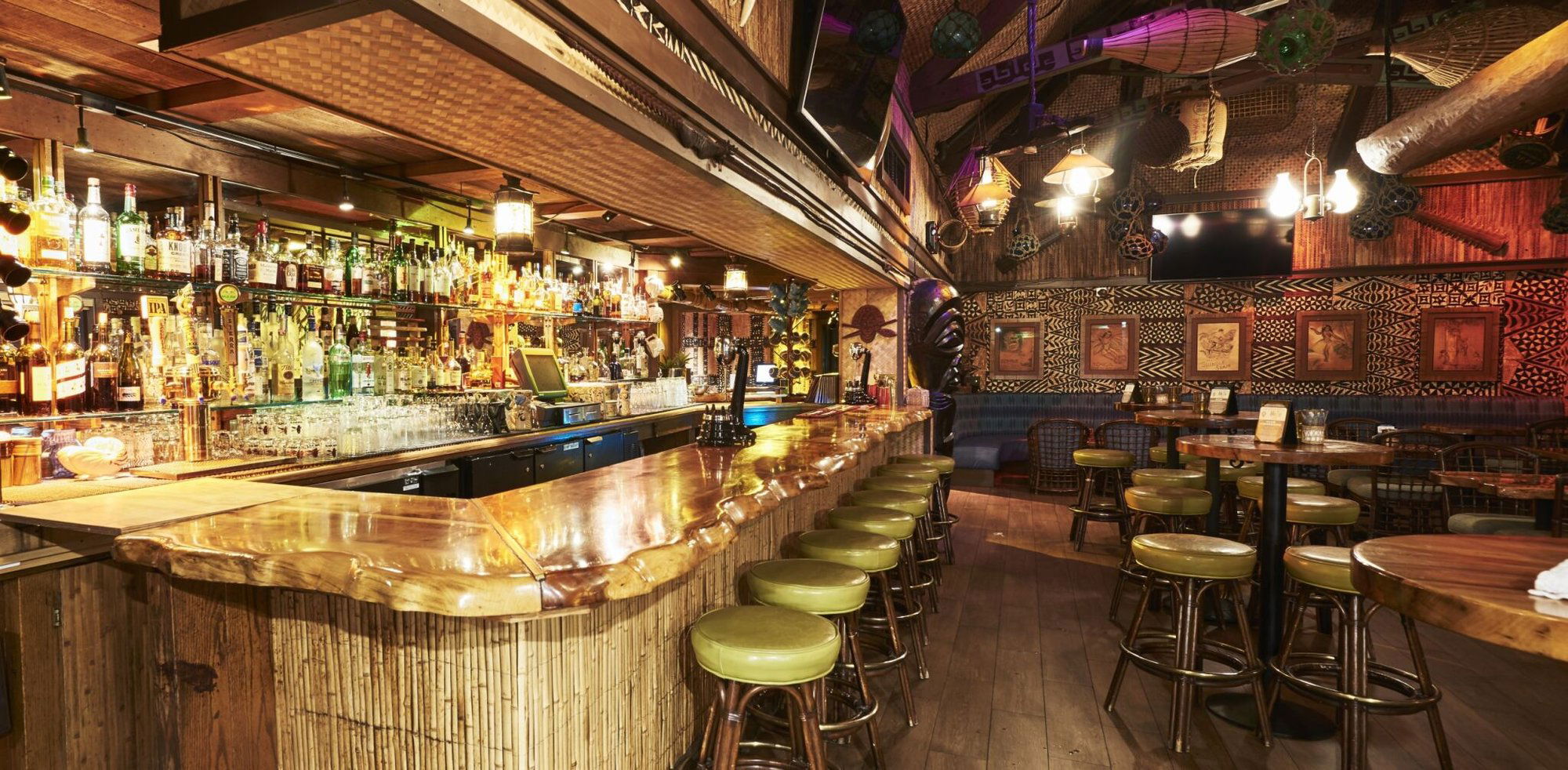
Trader Vic's is the better Emeryville pick when the night needs atmosphere, group flexibility, and an evening-friendly room rather than a chef-led meal. Go earlier for conversation or later for more energy; cross-shop food-first venues if the menu is the main reason for booking.
For Emeryville regulars, the planning case should stay grounded in the basics: Trader Vic's is open Wednesday through Sunday, closed Monday and Tuesday, and lists a smart casual dress code. Beyond those verified planning details, this guide does not have confirmed information on menu format, chef, pricing, awards, seat count, takeout, delivery, or a specific drinks program. Use it as a practical Emeryville option when the schedule and dress code fit the night, rather than relying on unverified claims about the experience.
Go for verified hours and smart casual planning, not a formal dining agenda
The main confirmed reason to consider Trader Vic's is its Wednesday-through-Sunday service window. Hours run 12–9:30 PM on Wednesday, Thursday, and Sunday, and 12–10 PM on Friday and Saturday; it is closed Monday and Tuesday. With no verified award signal, named chef, cuisine description, signature list, service format, or price information here, the safer read is to plan around the published hours and smart casual dress code rather than assuming a specific culinary style.
That matters for expectation-setting. If you are choosing a place for a precise food comparison, this page does not have enough verified detail to make that case. If you simply need an Emeryville venue whose hours work from 12 PM into the evening on open days, Trader Vic's is easier to evaluate. For a broader scan before committing, use our full Emeryville restaurants guide and our full Emeryville bars guide.
What to plan it for in Emeryville
Consider it when the confirmed logistics fit: Emeryville, smart casual, and service from 12 PM on Wednesday through Sunday, with later closing on Friday and Saturday. Avoid building the plan around unverified assumptions about cuisine, drinks, views, group capacity, pricing, or a chef-led format, because those details are not confirmed in the available data.
For a return visit, the smarter move is to decide what you need from the schedule before choosing it. Wednesday, Thursday, and Sunday work within a 12–9:30 PM window, while Friday and Saturday extend to 10 PM. Skip Monday and Tuesday, when Trader Vic's is closed. For other planning lanes in the same city, check our full Emeryville hotels guide, our full Emeryville wineries guide, and our full Emeryville experiences guide.
Frequently Asked Questions
Is Trader Vic's good for groups?
The verified details do not include a seat count, room size, or private-dining information, so group suitability is not confirmed here. If your group is considering Trader Vic's, plan around the Emeryville location, smart casual dress code, and Wednesday-through-Sunday hours. Ghost Town Brewing - West Oakland Brewery & Taproom is another option to compare for a different kind of outing.
Is the food good at Trader Vic's?
This page does not have verified details on cuisine, signature dishes, chef, menu format, awards, or pricing, so it cannot make a specific food-quality claim. If you want to compare other options, Anchalee and Thai Table are also worth checking as separate choices.
Is Trader Vic's open late?
Trader Vic's is open until 10 PM on Friday and Saturday. On Wednesday, Thursday, and Sunday, it is open until 9:30 PM. It is closed Monday and Tuesday.
What's the best time to go to Trader Vic's?
Choose a time that matches the confirmed hours: 12–9:30 PM on Wednesday, Thursday, and Sunday, and 12–10 PM on Friday and Saturday. It is closed Monday and Tuesday. If you are comparing other options for a different schedule or format, Sideshow Kitchen is another venue to review separately.
Is Trader Vic's good for a date?
It can be considered for a date if the Emeryville location, smart casual dress code, and open-day hours fit your plan. This page does not verify ambience, noise level, menu style, or pricing, so compare those details directly before choosing. Takara Sake USA Inc. and Ghost Town Brewing - West Oakland Brewery & Taproom are other options to consider for different kinds of outings.
Location
9 Anchor Dr, Emeryville, CA 94608
Emeryville, United States
Compare Trader Vic's
| Venue | Booking Difficulty |
|---|---|
| Trader Vic's | Easy |
| Sideshow Kitchen | Unknown |
| Anchalee | Unknown |
| Takara Sake USA Inc. | Unknown |
| Ghost Town Brewing - West Oakland Brewery & Taproom | Unknown |
| Thai Table | Unknown |
How Trader Vic's compares with nearby options at a similar price tier.
Also Consider
- Sideshow Kitchen, Notable alternative
- Anchalee, Notable alternative
- Takara Sake USA Inc., Notable alternative
- Ghost Town Brewing - West Oakland Brewery & Taproom, Notable alternative
- Thai Table, Notable alternative
How it compares in Emeryville
Choose Trader Vic's over Sideshow Kitchen when the priority is a more occasion-ready room and a drinks-led evening. Sideshow Kitchen is the more casual-feeling alternative for a lower-pressure meal, while Trader Vic's makes more sense when the setting needs to carry part of the night.
Anchalee and Thai Table are better cross-shops when the group is choosing around a specific cuisine rather than bar atmosphere. Trader Vic's is the safer call for mixed groups that want drinks and a social room; Anchalee or Thai Table make more sense when dinner is the main event.
For a beverage-first alternative, Ghost Town Brewing - West Oakland Brewery & Taproom is the more casual beer option, while Takara Sake USA Inc. fits better for a sake-focused stop. Trader Vic's sits between those choices: less narrowly beverage-specific, more useful when the plan needs food, drinks, and a livelier room in one booking.
Explore Emeryville
Save or rate Trader Vic's on Pearl
Keep this venue in your Pearl passport, rate it after you visit, and track it alongside every other place you collect.