
Sushisamba
Palm Jumeirah, Dubai
Bar in Dubai, United Arab Emirates
 Book with Pearl
Why go
Book Sushisamba for a high-floor Palm Jumeirah date night where the setting matters as much as the meal. It is better for a polished two-person evening than a low-key drink, with 2026 Pinnacle Guide recognition adding credibility beyond the view.
About Sushisamba
For Sushisamba in Dubai, the most useful planning details are practical rather than overly specific: it has smart casual dress code guidance, midday and evening opening windows, late closing times on several nights. It is also listed with a Pinnacle Guide 1 Pin for 2026, which gives the booking a clear point of recognition.
Value here should be judged by whether the timing and occasion fit your plans. Sushisamba is open for a midday period and then reopens in the evening, with closing times of 1 AM on Monday to Wednesday and Sunday, 2 AM on Thursday to Saturday. That makes it a practical candidate when the night is expected to run late, especially for diners who want a smart casual setting in Dubai.
For a two-person evening, the basics are the main argument
Evaluate Sushisamba around the basics: Dubai location, smart casual dress code, late evening hours, its Pinnacle Guide 1 Pin recognition. It is better framed through those planning facts than through assumptions about the meal format or experience.
The 2026 Pinnacle Guide 1 Pin gives the venue a notable accolade, but it should not be stretched into claims about what to order, how the meal is structured, or how it compares plate by plate with other restaurants. For value-seekers, the key question is whether the opening hours and smart casual setting match the occasion.
Who should book, who should choose a simpler night
Book if the priority is a Dubai venue with smart casual expectations and hours that support a later finish. The schedule is especially useful from Thursday to Saturday, when the venue is open until 2 AM, while Monday to Wednesday and Sunday run until 1 AM.
Choose a simpler night if you need price, menu format, dietary details, delivery, takeaway, or a quieter service style settled before booking. Confirm those specifics directly before making the venue the center of the evening.
For planning around the rest of the city, use Our full Dubai restaurants guide, Our full Dubai bars guide, Our full Dubai hotels guide to decide whether this should be the headline booking of the night. Broader trip planning sits in Our full Dubai experiences guide.
Planning details
- Location
- The St. Regis Dubai, Palm Jumeirah, Level 51 - Dubai - United Arab Emirates
- Website
- sushisamba.com/locations/dubai/samba-room
The take
The Take
The Vibe
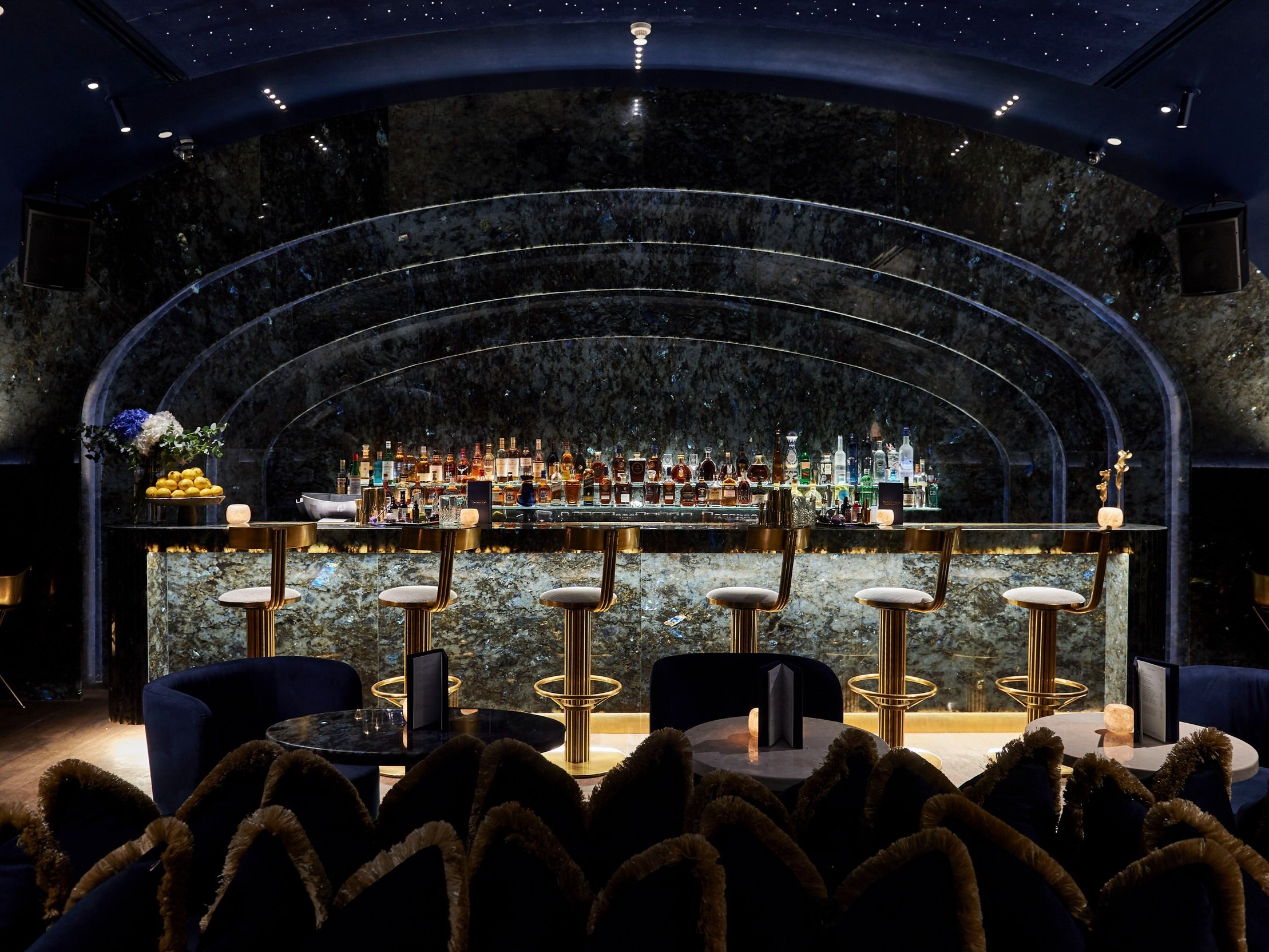
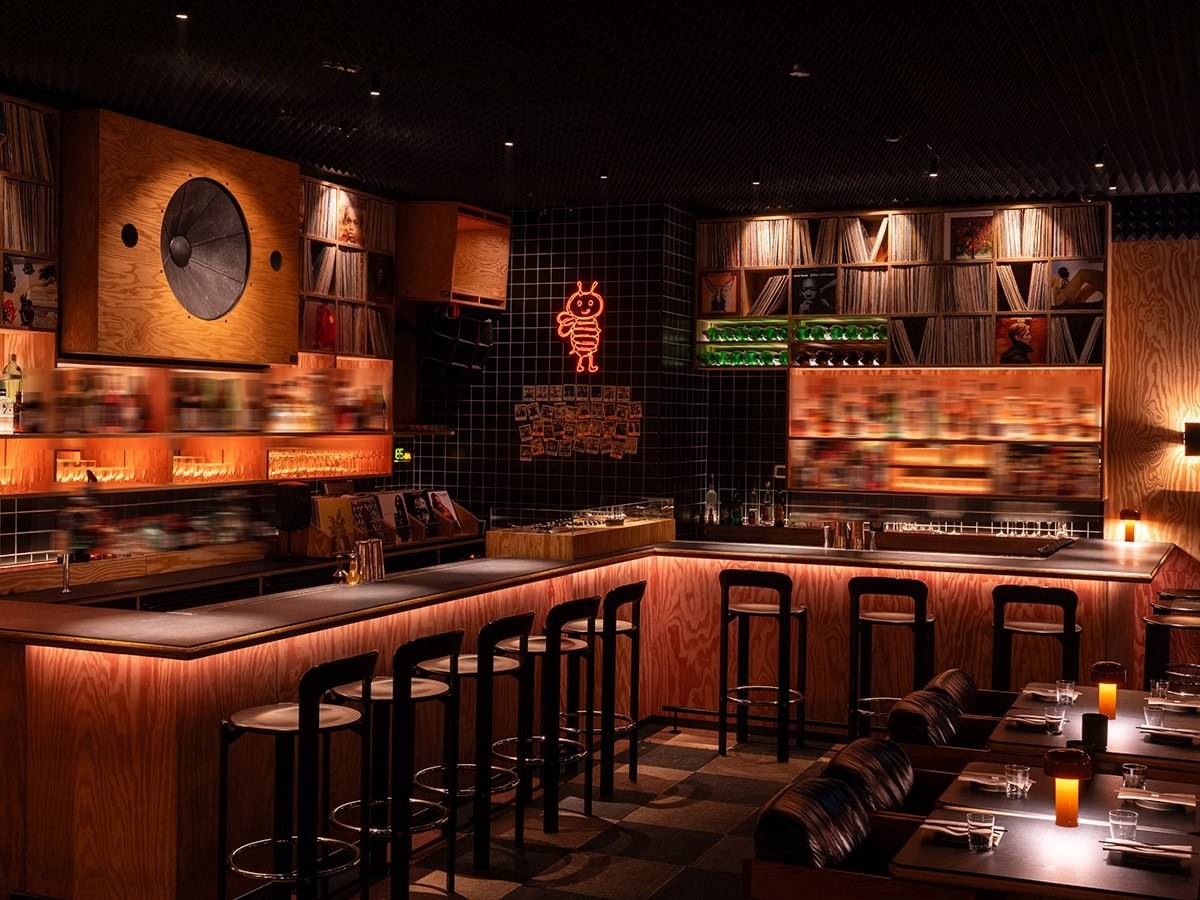
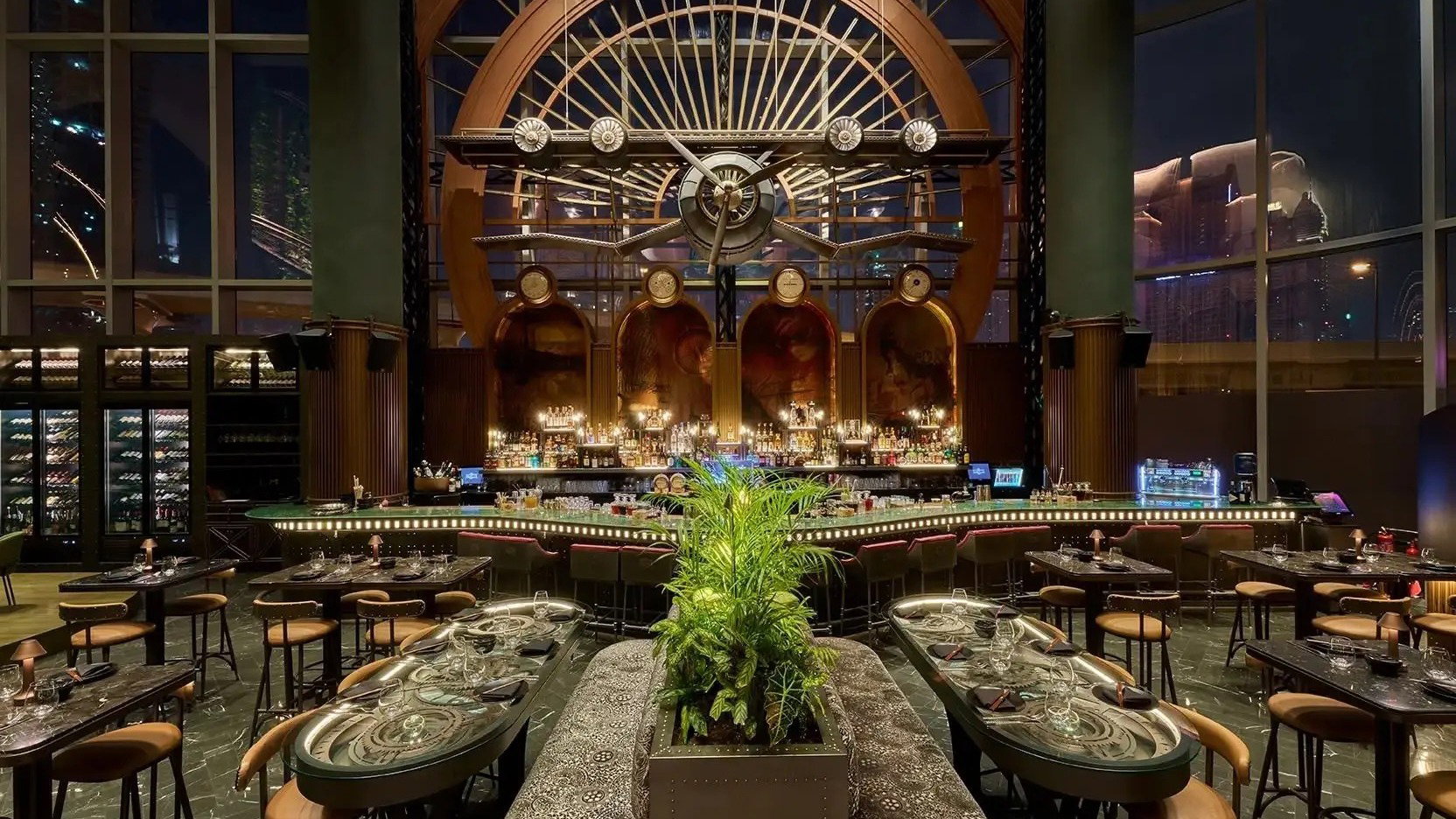
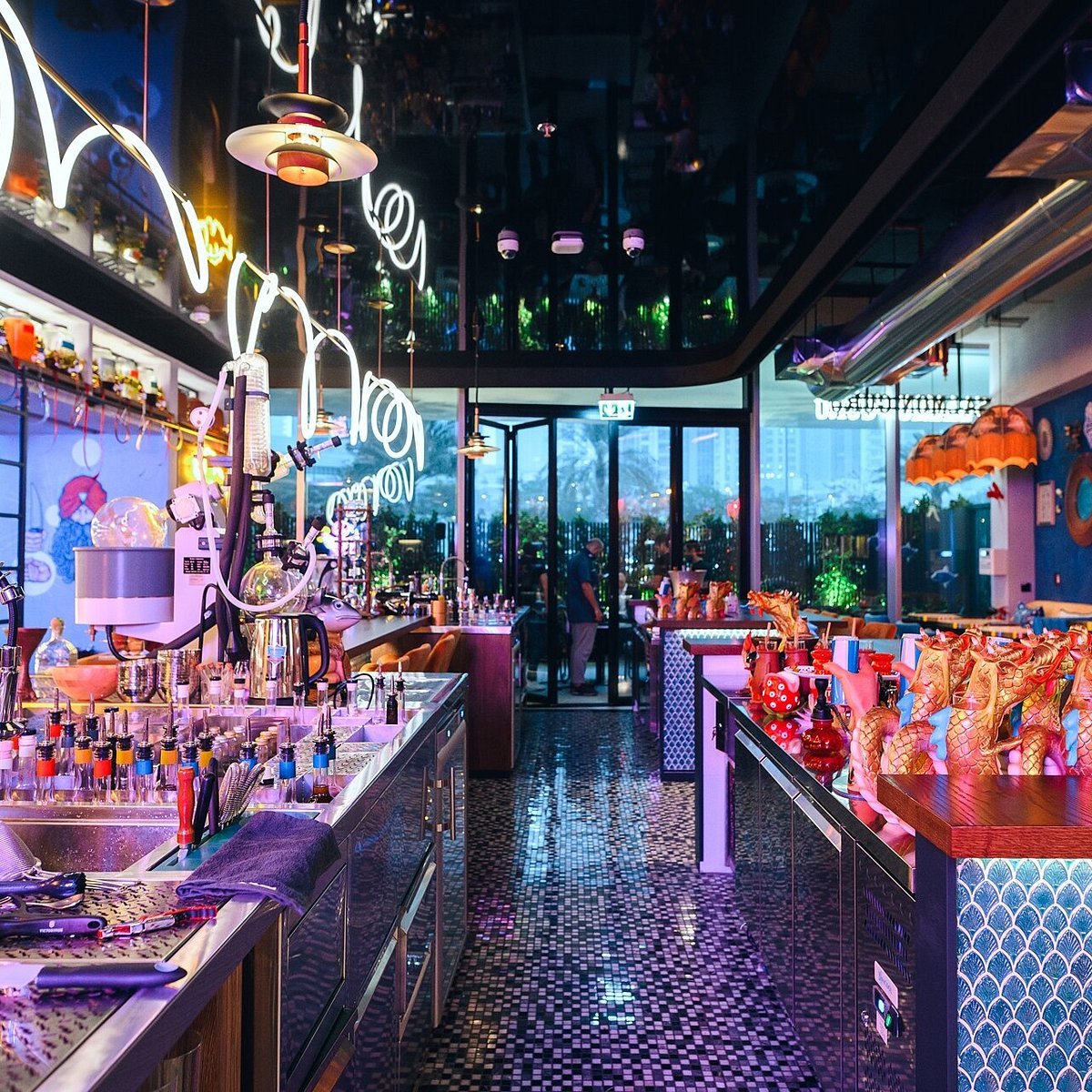
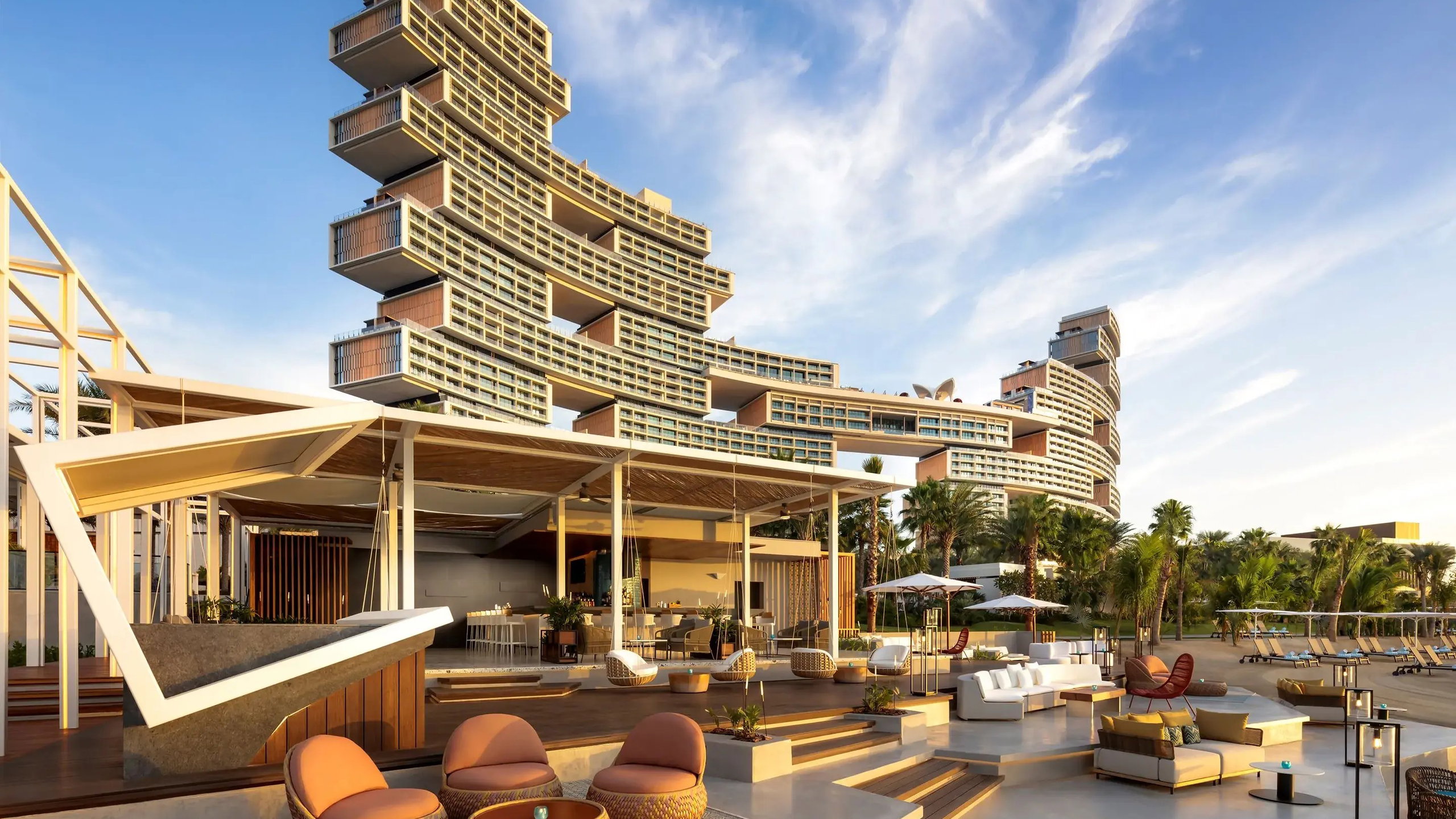
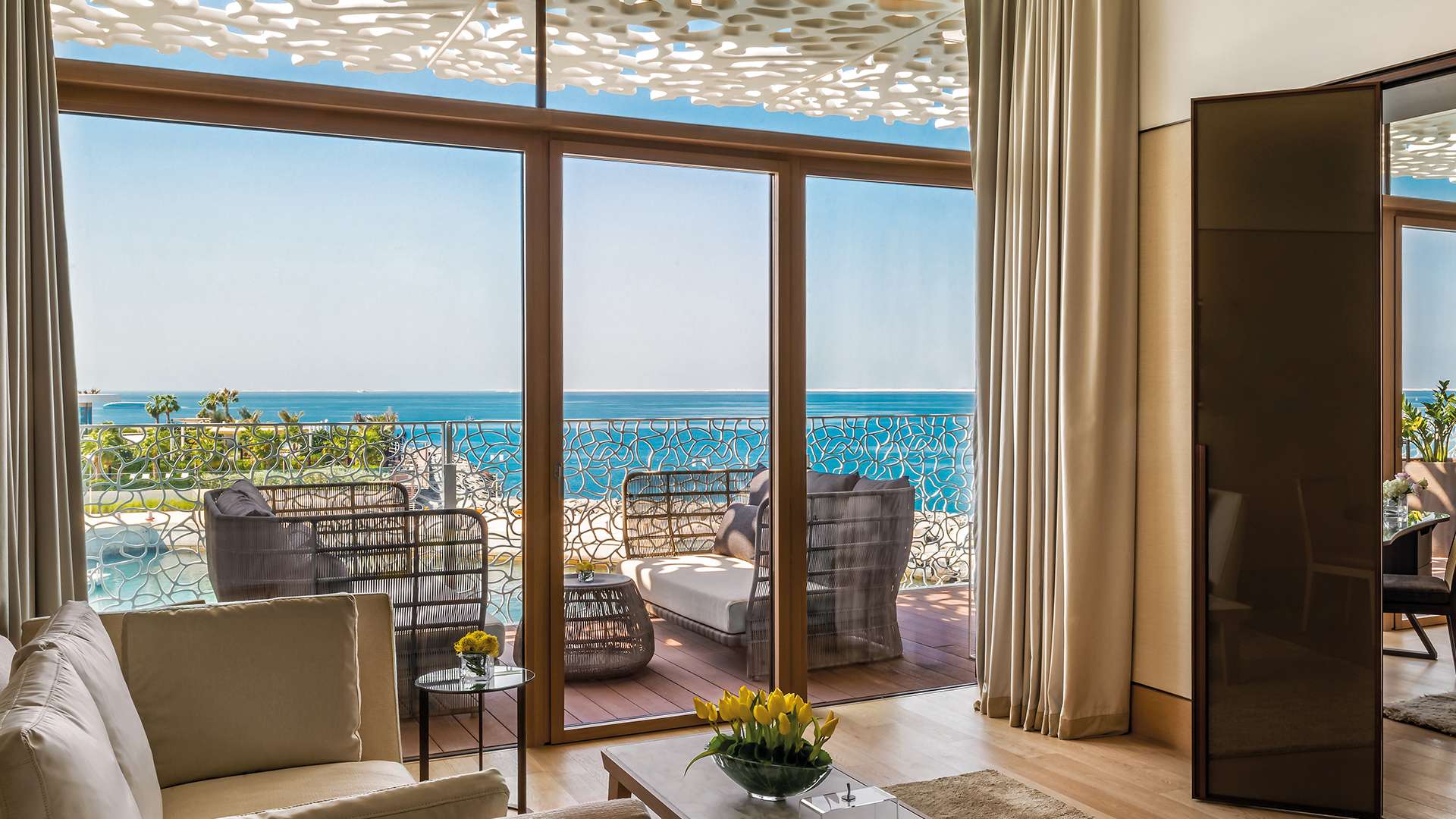
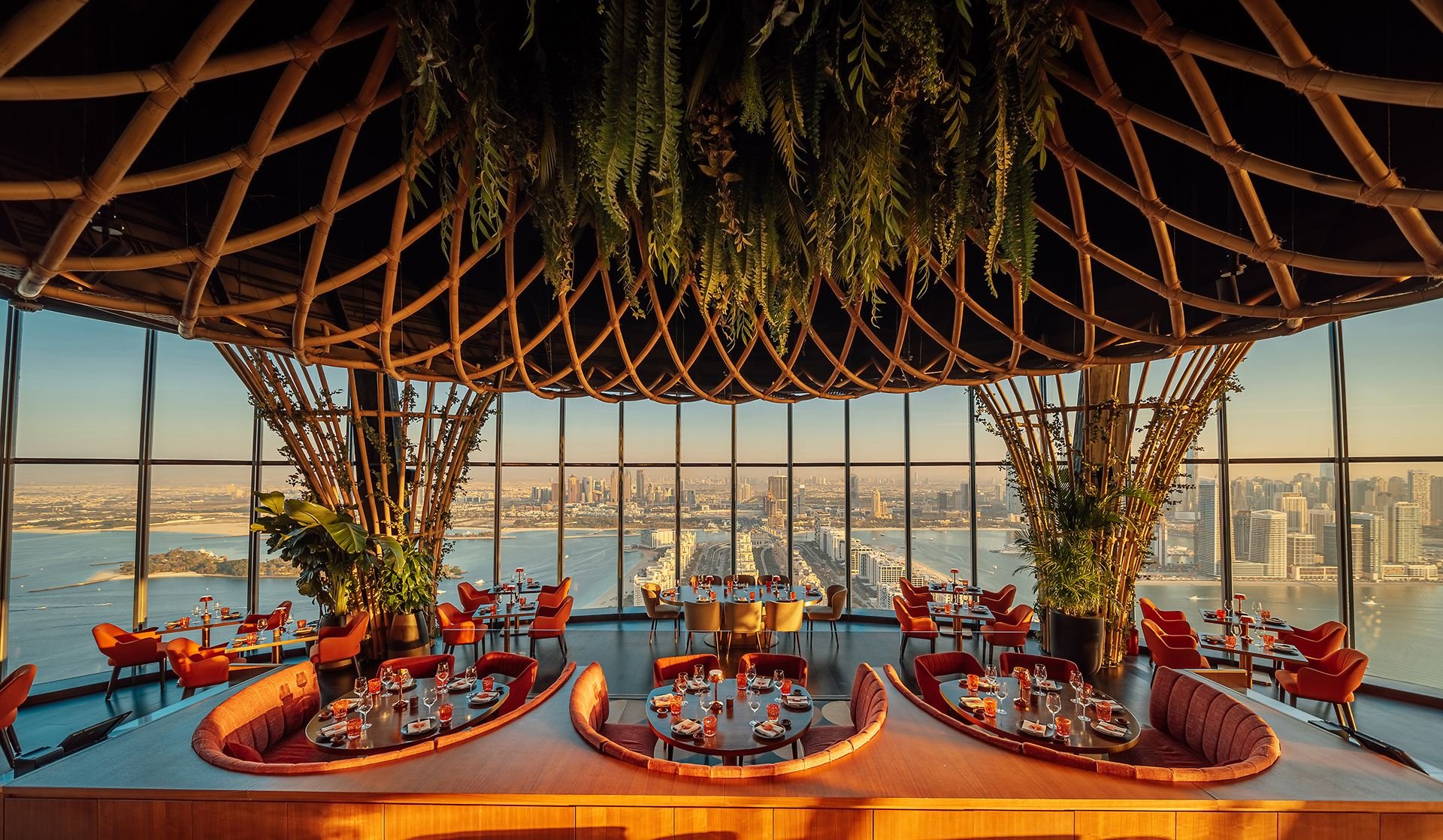
Sushisamba Dubai unfolds like a staged reveal: a lift ride to the 51st floor opens onto a room framed by a 360-degree panorama of the Gulf, the Palm and the Dubai skyline. The interiors mirror the warmth and colour of the restaurant’s three-way culinary fusion—Japanese, Brazilian and Peruvian—so the space feels both deliberately designed and vibrant. The rooftop setting brings a scenic, modern energy that foregrounds views as much as food and drink, while the focused Nikkei/Japanese–Brazilian concept gives the place a clear, confident identity rather than a generic pan-Asian or pan-Latin gloss.
Best For
Sushisamba is built around its setting and its bar programme, making it best suited to evening dining and cocktail-forward visits where the view is central to the experience. The 51st-floor outlook and ambitious multi-cultural menu make it a destination for guests who want skyline and waterfront panoramas alongside inventive drinks. It’s the sort of place people choose when the view and a distinct culinary concept matter—for relaxed pre-dinner cocktails that turn into a full dinner, or for an elevated night out where vistas and curated cocktails are the main attractions.
Ordering Tips
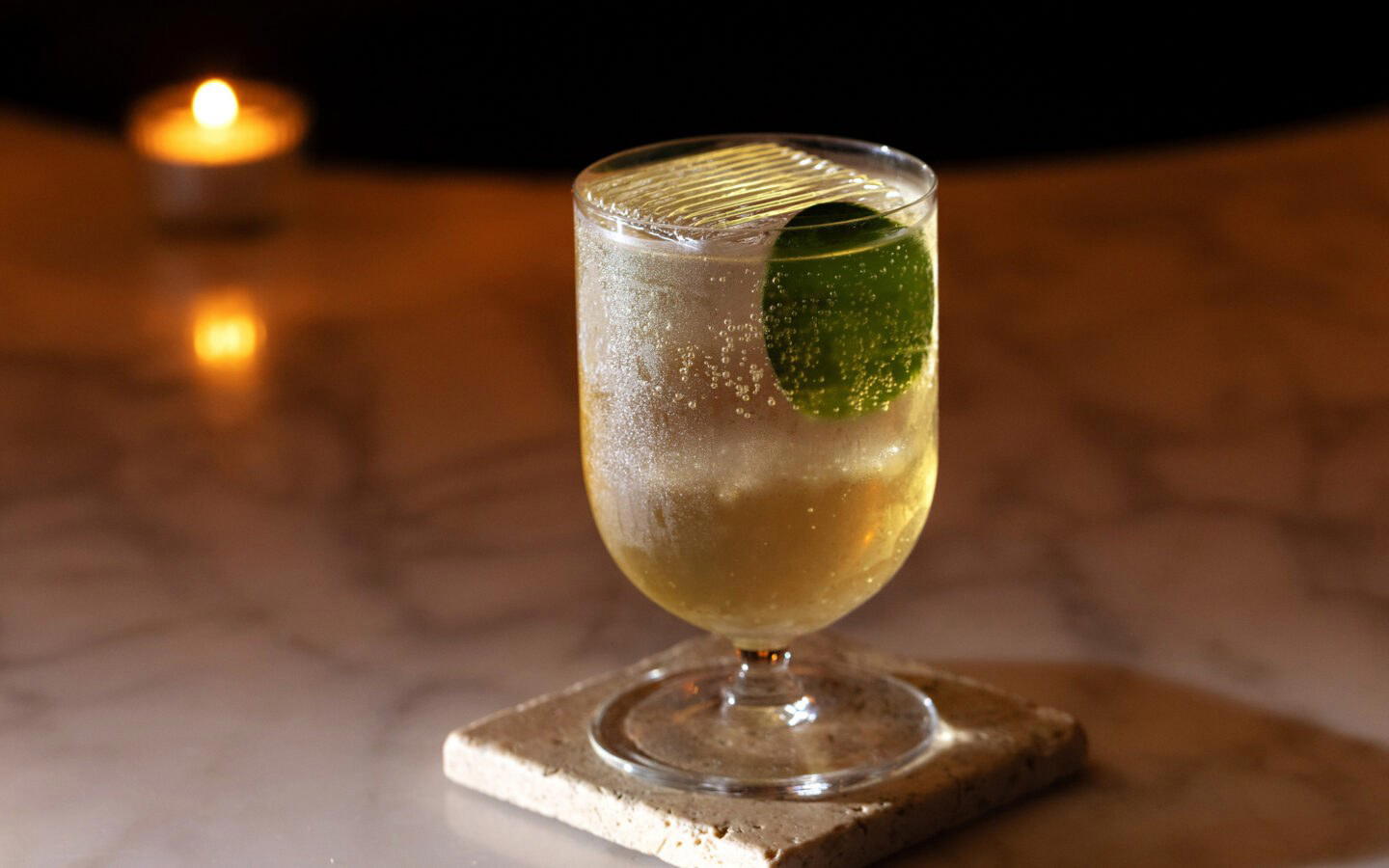
Let the cocktail programme guide your drink choices: the menu explicitly layers Japanese spirits and technique with South American ingredients and spirit traditions—pisco, cachaça and aguardiente alongside sake, shochu and yuzu—so look for cocktails that highlight that intersection. Given the venue’s Nikkei and Japanese/Brazilian fusion, order drinks that reference both halves of the concept to get the clearest sense of the kitchen’s and bar’s translation of those traditions. Arrive in time for sunset if you want the full panorama as daylight shifts into evening.
Venue details
Ambiance
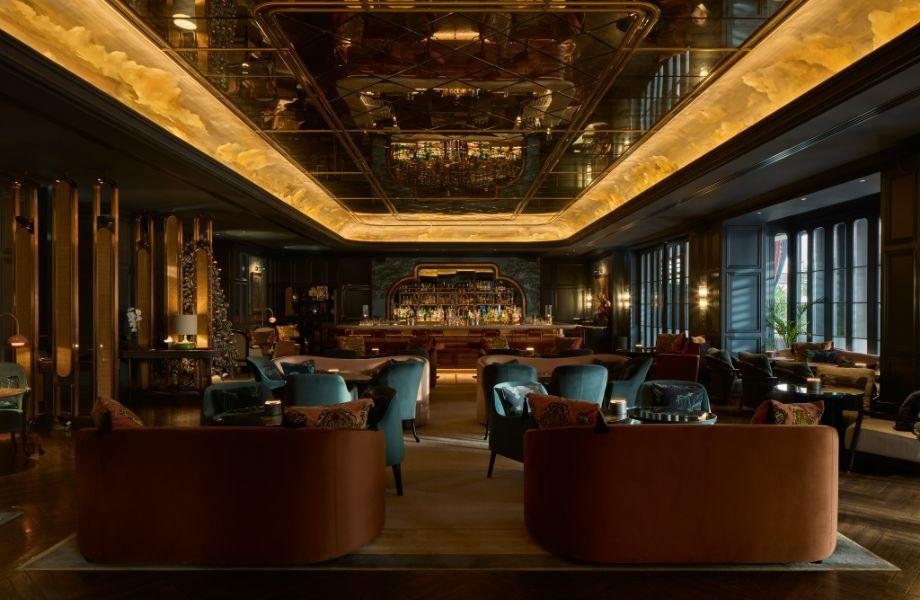
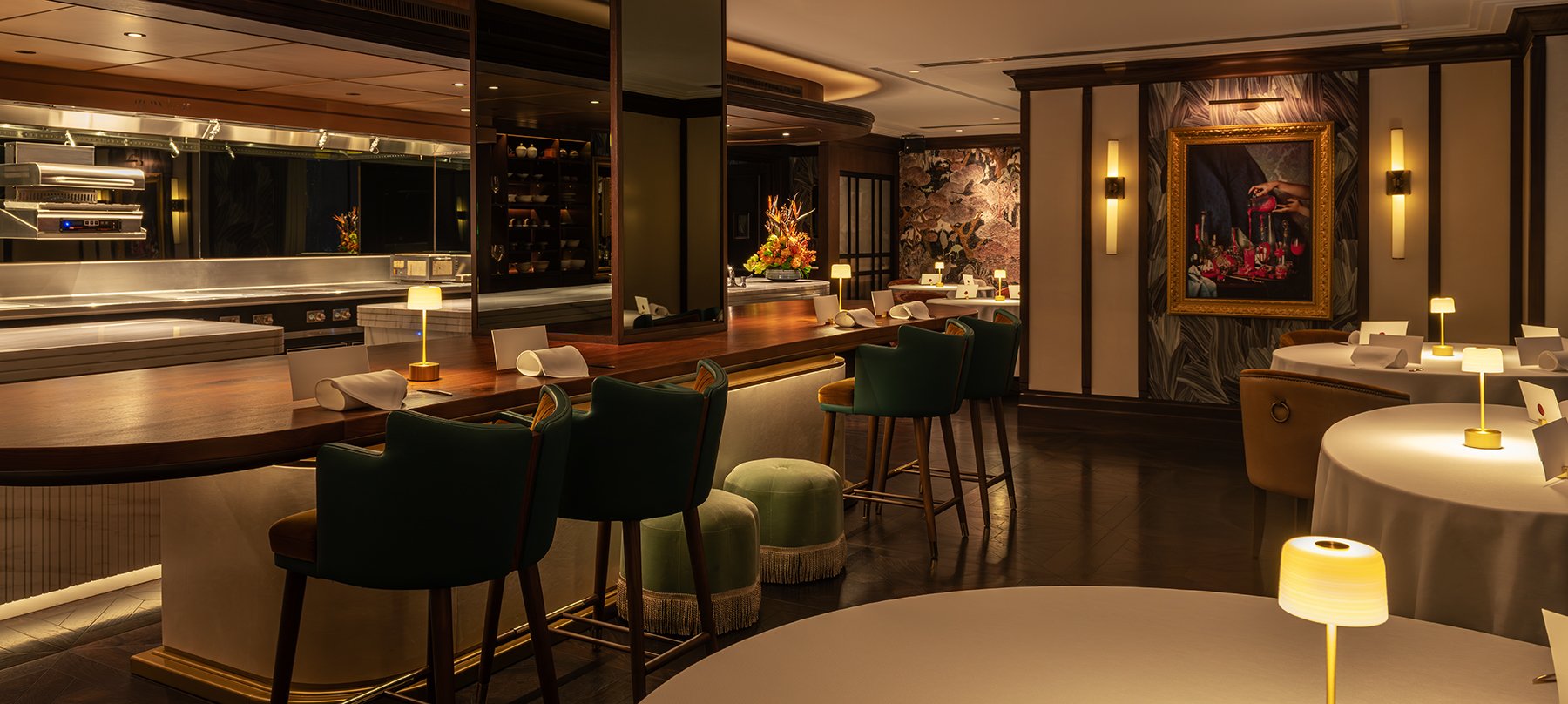
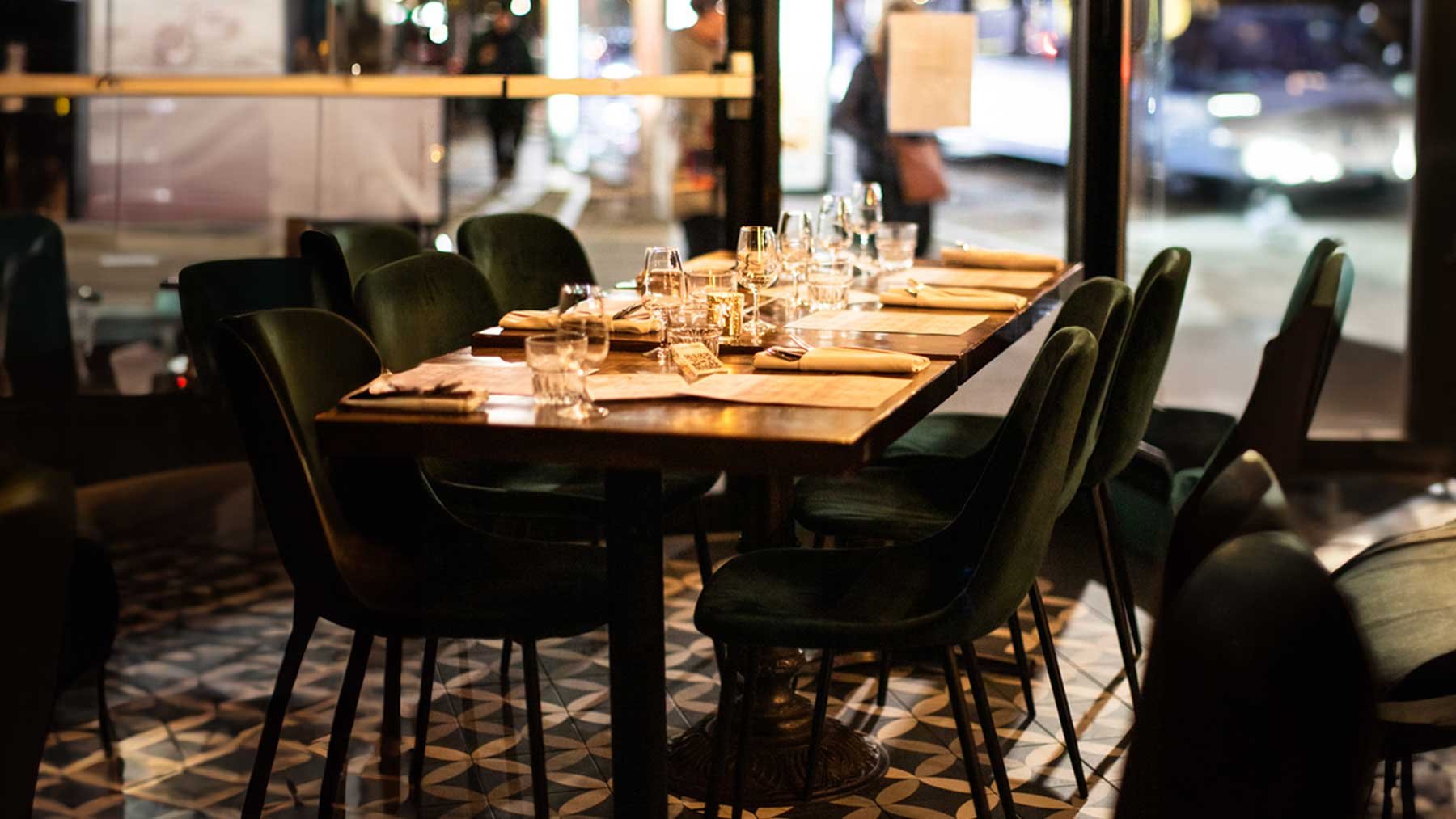
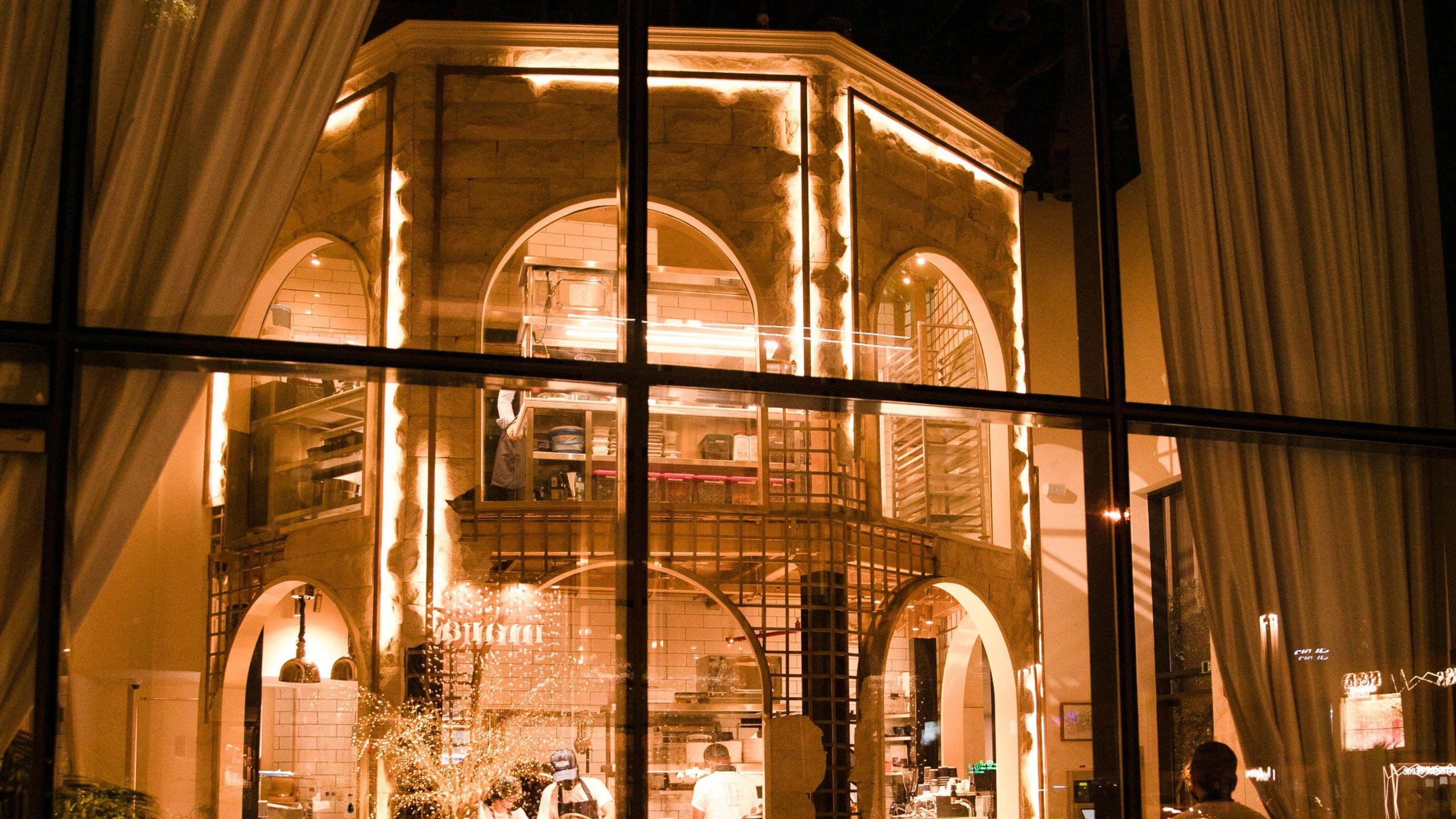
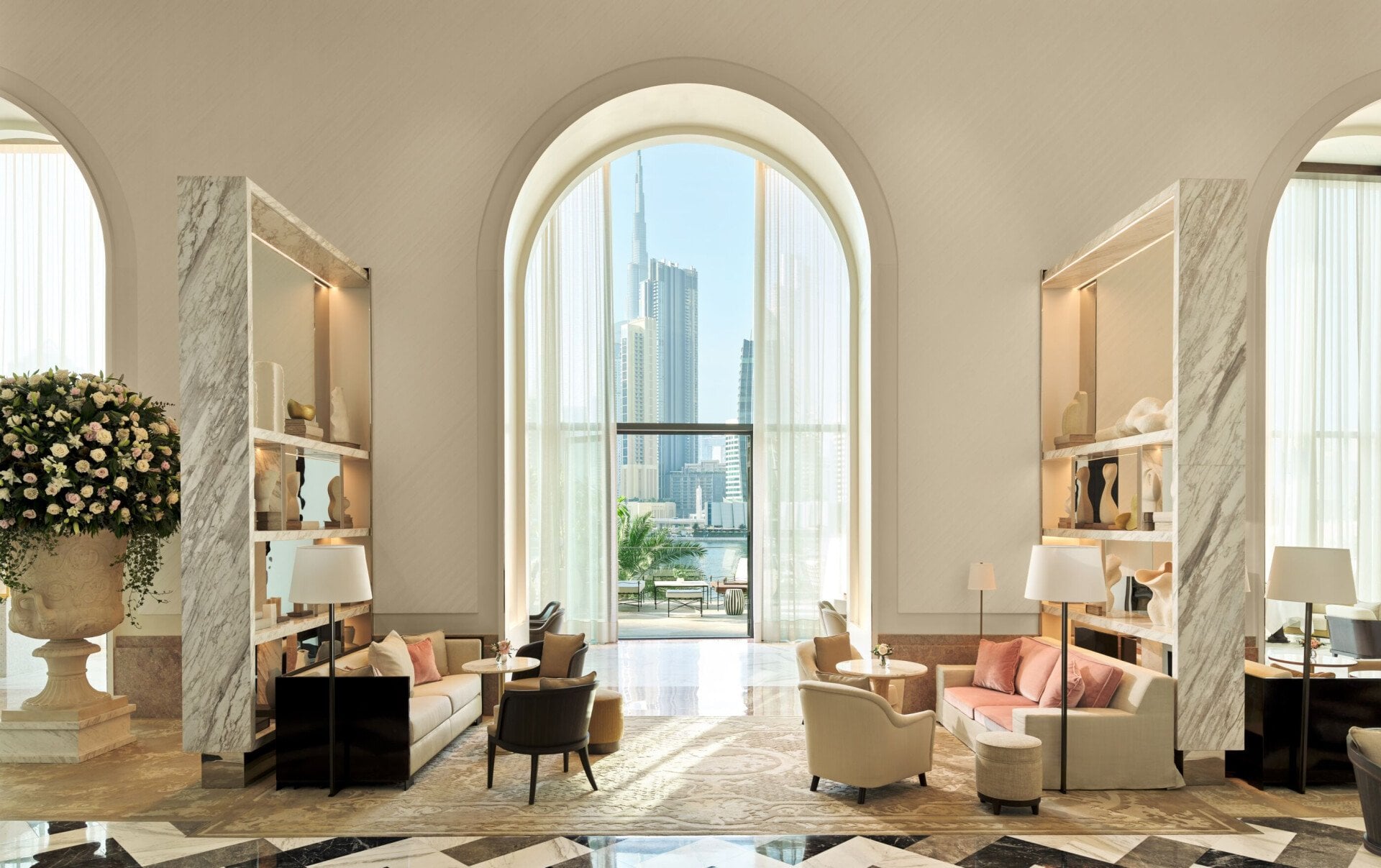
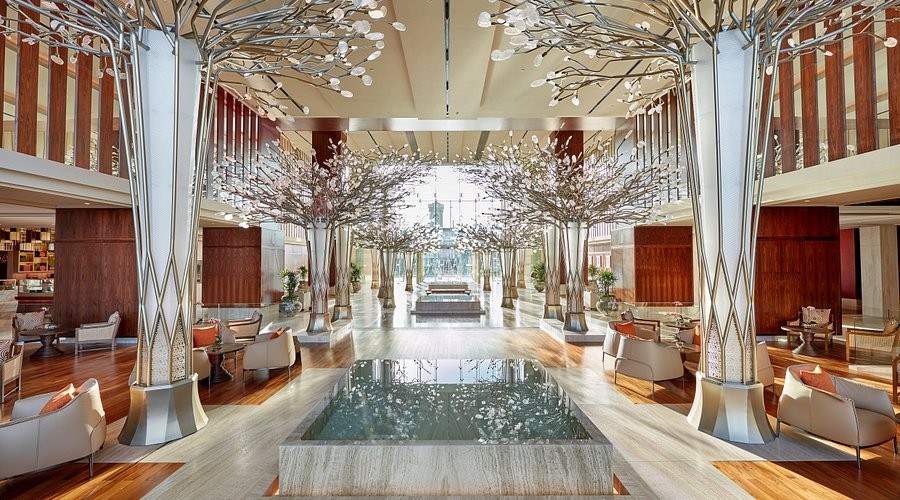
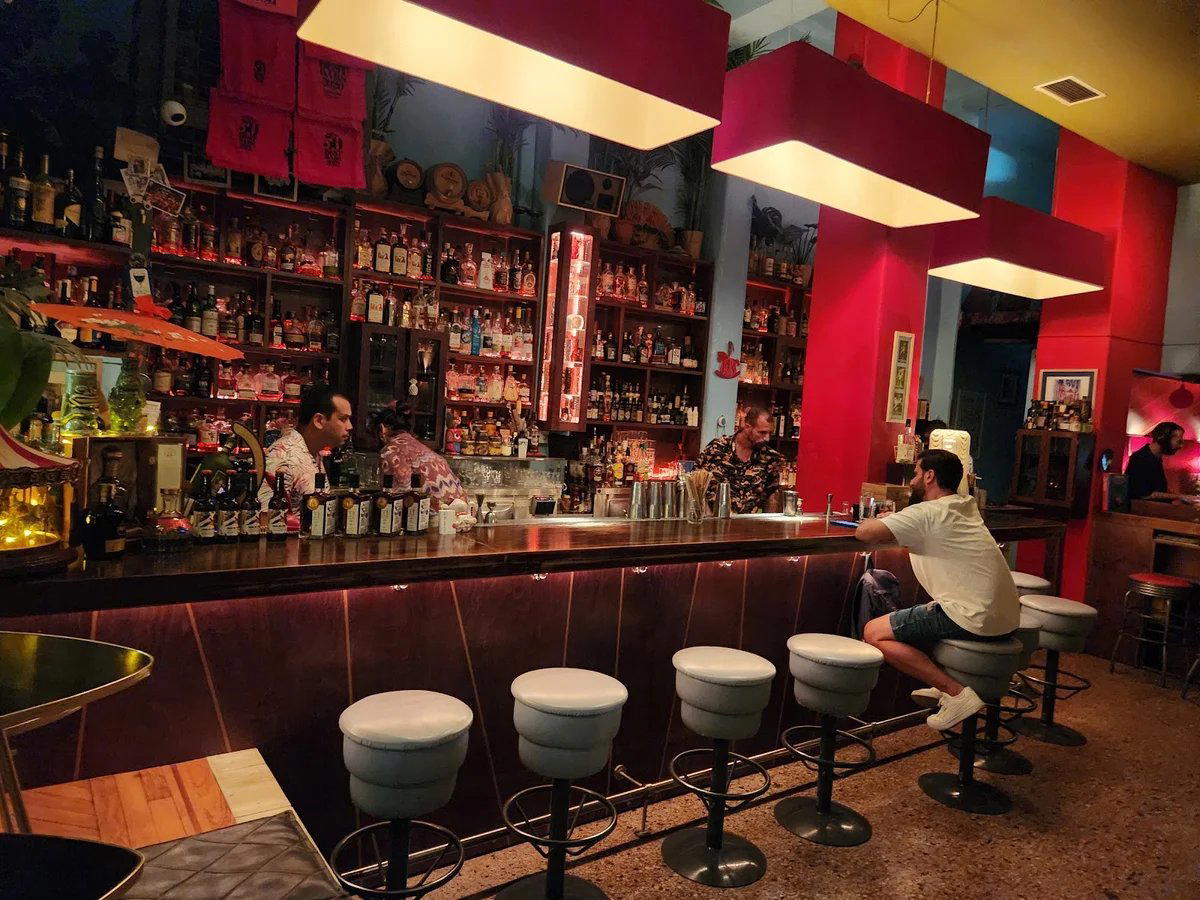
Vibrant and atmospheric with eye-popping decor, oversized light fixtures, mood lighting, and a lively vibe enhanced by spirited live bands and samba dancers.
Tags
Vibe
Best For
Experience
Format
View
At the Bar
- Bar Category
- Rooftop Bar
- Late Night
- Open Until 2am
- Music
- Live Samba Band
- Live Music
- Yes
Planning details
Location
The St. Regis Dubai, Palm Jumeirah, Level 51 - Dubai - United Arab Emirates · Directions
Recognition and awards
Also consider
Where to go if this is not the right fit
If the brief is quieter and more drink-led, book The St. Regis Bar instead. If the group wants a looser restaurant-bar night with similar social energy, MYAMI Restaurant, Bar & Lounge is the cleaner alternative.
Bar context
How it compares for a Palm Jumeirah night out
Sushisamba is the stronger choice when the night needs a sense of occasion: Level 51, hotel polish, a format that can carry dinner into late drinks. Dip Pool Bar is a better fit for a lighter, more casual poolside plan, while The St. Regis Bar makes more sense if the goal is controlled conversation rather than a full dinner-led evening.
For value, the decision comes down to how much the room matters. Mashrabiya Lounge should work better for a lower-pressure hotel lounge stop, Frenia is the easier recommendation if the brief is more bar-forward than restaurant-forward. Sushisamba is worth the premium only when the view, late hours, date-night energy are part of the plan.
MYAMI Restaurant, Bar & Lounge is the closest alternative for readers who want a restaurant-bar hybrid with social energy. Choose MYAMI for a looser lounge-style night; choose Sushisamba when a more polished hotel arrival and higher-impact setting will make the evening feel more deliberate.
Explore Dubai
Around this place
Discover more on Pearl
Unlock the full Sushisamba guide in Pearl, including awards, comparisons, FAQs, planning details, and nearby places.
Compare Sushisamba
| Venue | Location | Awards |
|---|---|---|
| Sushisamba | Dubai | 2026 Pinnacle Guide |
| Dip Pool Bar | Dubai | No published awards |
| The St. Regis Bar | Dubai | No published awards |
| Mashrabiya Lounge | Dubai | No published awards |
| Frenia | Dubai | No published awards |
| MYAMI Restaurant, Bar & Lounge | Dubai | No published awards |
How Sushisamba Dubai compares with similar nearby venues.
FAQ
Frequently Asked Questions
Is Sushisamba open late?
Yes. Sushisamba is open in the evening until 1 AM Monday to Wednesday and Sunday, until 2 AM Thursday to Saturday.
What's the best time to go to Sushisamba?
Choose the evening if you want to make use of the late opening hours, especially from Thursday to Saturday when the venue is open until 2 AM. Sushisamba also has midday opening windows: 12–3 PM Monday to Friday, 1–3:30 PM Saturday and Sunday.
What is Sushisamba known for?
Sushisamba is a Dubai venue with smart casual dress guidance and a Pinnacle Guide 1 Pin for 2026.