
Bar in Detroit, United States
Takoi
100ptsCorktown Southeast Asian
About Takoi
Takoi sits on Michigan Avenue in Detroit's Corktown neighbourhood, bringing Southeast Asian cooking to one of the city's most historically layered corridors. The kitchen draws on Thai and broader regional traditions, translating them through a Detroit lens that has made the restaurant a reference point in local conversations about where American dining is heading. Bookings move quickly.
Michigan Avenue and the Southeast Asian Table
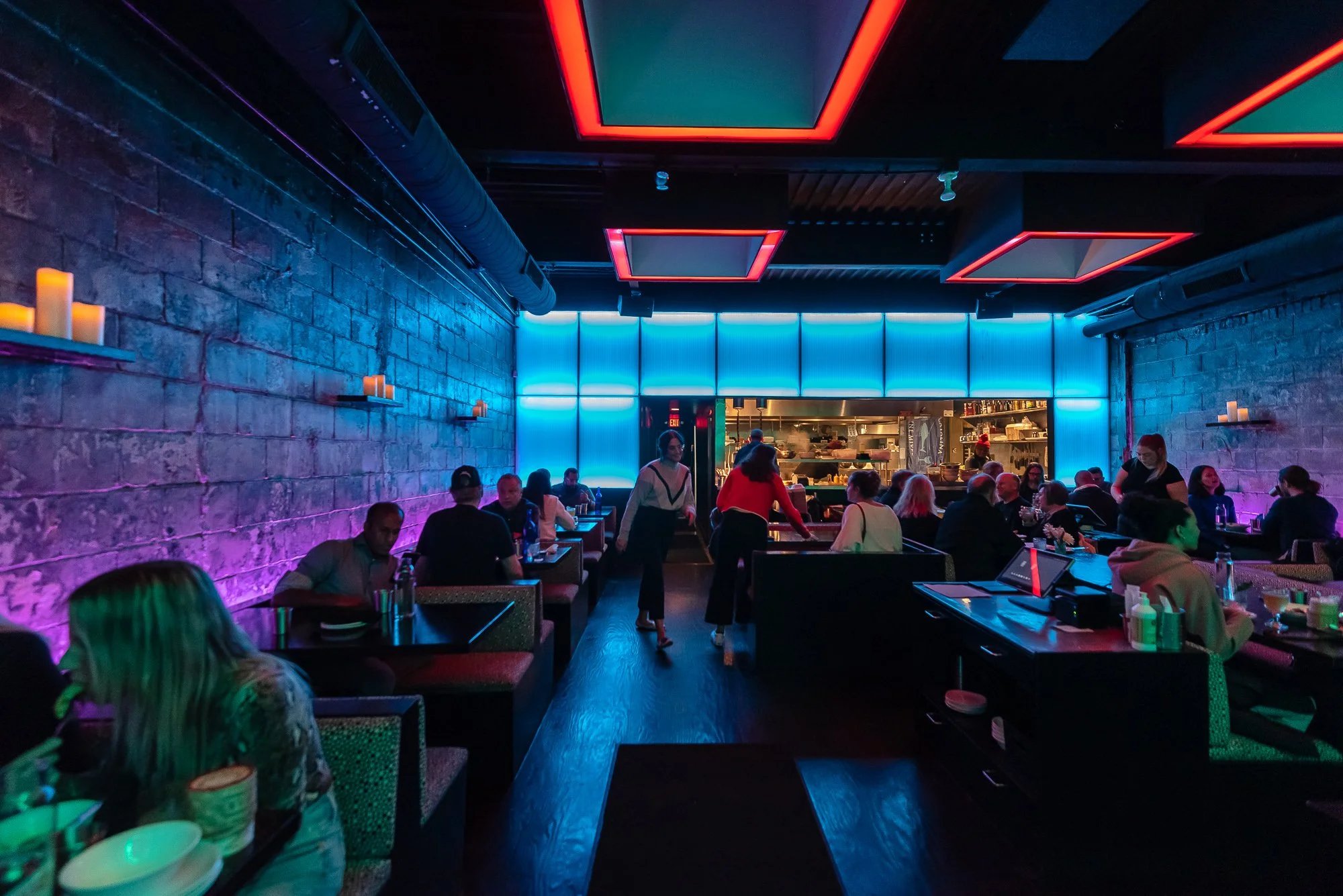
Corktown is the kind of neighbourhood that earns its reputation slowly, through the accumulation of specific places rather than any single moment. The stretch of Michigan Avenue where Takoi sits at 2520 has, over the past decade, become a register of how Detroit's dining scene processes outside influences on its own terms. The building carries the particular gravity of older industrial Detroit: low ceilings, worn materials, the sense that the space was doing something else before it was doing this. That physical context matters, because the food inside is engaged in a similar exercise: taking Southeast Asian cooking traditions that developed thousands of miles away and grounding them in a Midwestern city that has always had its own ideas about what a meal should feel like.
Southeast Asian cuisine, particularly in its Thai and broader regional forms, has historically been flattened in American markets into a narrow set of expectations. The wave of more serious treatment, informed by sourcing discipline and a clearer understanding of regional distinctions within Thailand alone, has spread unevenly across American cities. Detroit's version of that conversation runs through a small number of kitchens, and Takoi is among the addresses that have defined the terms of it locally.
What the Kitchen Is Working With
Thai cooking is structurally more complex than its American restaurant presence has often suggested. The balance of sour, salty, sweet, and heat that defines the palate is not a formula but a set of tensions that shift depending on region, season, and the specific combination of fermented, fresh, and dried ingredients in play. Northern Thai cooking, for instance, relies heavily on pork, dried spices, and fermented pastes in ways that read differently from the bright, lime-forward profiles associated with central Thai cuisine. Southern Thai cooking tilts toward turmeric and coconut in a register that shares territory with Malaysian food. Any kitchen engaging seriously with this tradition has to make decisions about which register it is working in, and those decisions are visible on the plate.
The broader Southeast Asian frame, which includes Vietnamese, Lao, and other traditions that share ingredients and techniques while diverging sharply in their application, adds further dimension. Galangal, lemongrass, fish sauce, shrimp paste, and kaffir lime appear across these traditions in different proportions and preparations. The fermented shrimp paste used in a Thai nam prik is a different ingredient in effect from the belacan used in Malaysian cooking, even when they share a shelf. Restaurants that treat these distinctions seriously tend to produce food that reads as more alive, less predictable.
Takoi in Detroit's Drinking and Dining Ecosystem
Corktown's identity within Detroit is partly defined by its density of independent operators: bars, breweries, and restaurants that have chosen a neighbourhood with a particular history and made it their context. The drinking side of that ecosystem includes addresses like 1459 Bagley St, 3Fifty Terrace, and Andrews on the Corner, along with brewery-anchored options such as Atwater Brewery and Tap House. A full account of the broader scene is at our full Detroit restaurants guide.
Nationally, the category that Takoi occupies, Southeast Asian cooking interpreted through an American fine-casual register, is producing some of the more interesting work happening in independent restaurants. The cocktail programs built around these kitchens have their own logic: bartenders are working with ingredients like tamarind, lychee, pandan, and fresh turmeric in ways that require the same kind of sourcing discipline as the kitchen. Comparative references outside Detroit are instructive here. Kumiko in Chicago operates within the Japanese idiom and has built one of the most discussed beverage programs in the Midwest around that framework. Bar Leather Apron in Honolulu brings Pacific ingredient vernacular into its cocktail structure. Jewel of the South in New Orleans works within a historically specific American tradition. Julep in Houston and Superbueno in New York City each take a specific cultural register and apply it with depth. ABV in San Francisco and The Parlour in Frankfurt represent different international expressions of the same commitment to ingredient-led beverage programs. What connects these across cities and traditions is the decision to treat the cultural source material as a point of departure for original thinking rather than a costume.
The Cultural Stakes
Southeast Asian cooking traditions are among the oldest continuously practiced culinary systems in the world. Thai royal court cuisine, which formalized many of the techniques visible in contemporary Thai restaurant cooking, was refined over centuries before any of it appeared on an American menu. The fermentation traditions underpinning fish sauce and shrimp paste production extend back further still, into pre-modern food preservation practices that shaped the flavor profiles of entire regions. When a kitchen in Detroit or anywhere else draws on these traditions, the question is always how much of that depth is being brought forward and how much is being traded for accessibility.
The more interesting American restaurants working in this space have tended to resolve that question by going further into the source material rather than stepping back from it. That means sourcing fermented pastes made to traditional standards rather than industrial approximations, working with fresh herbs that are not always available in American supply chains, and accepting a menu that may require explanation. The reward for the diner is food that functions the way its originators intended: layered, technically demanding, and built around a specific understanding of how different flavors are meant to interact.
Know Before You Go
Address: 2520 Michigan Ave, Detroit, MI 48216
Neighbourhood: Corktown
Price range: Not confirmed in current data; check directly with the venue
Reservations: Booking details not confirmed; advance contact recommended given the restaurant's local standing
Hours: Confirm current service times directly with the restaurant before visiting
Getting there: Michigan Avenue runs through Corktown and is accessible by car from downtown Detroit; street and lot parking available in the immediate area
Frequently Asked Questions
- What should I expect atmosphere-wise at Takoi?
- Takoi occupies a Michigan Avenue space in Corktown that carries the character of Detroit's older built environment: industrial materials, a compact footprint, and an energy that sits closer to neighbourhood restaurant than formal dining room. The setting is consistent with the area's independent operator character, shared with bars and breweries along the same corridor. Pricing details are not confirmed in current data; check with the restaurant directly.
- What is the signature drink at Takoi?
- Current drink menu specifics are not confirmed in EP Club's data. What is observable at restaurants in this category, particularly those working from a Southeast Asian culinary framework, is that the beverage program tends to draw on the same ingredient language as the kitchen: tamarind, lychee, coconut, and fresh herbs appear across both menus. For current drink details and any specials, contact the venue directly.
- How does Takoi fit within Detroit's broader independent restaurant scene, and does it have any formal recognition?
- Takoi has established itself as a reference point in Detroit's conversation about Southeast Asian cooking interpreted through an American independent restaurant framework, a category that has drawn attention nationally in cities from Chicago to Houston. Formal awards data is not confirmed in current EP Club records. For up-to-date recognition and any press citations, the restaurant's own channels or local Detroit food coverage are the most reliable sources. Its address in Corktown places it within one of the city's most closely watched dining corridors.
More bars in Detroit
- 1459 Bagley St1459 Bagley St is a Corktown address worth watching, but confirmed details on pricing, hours, and programming aren't yet on record. Walk-ins appear to be the only booking option. For now, pair any visit with a confirmed nearby spot — Andrews on the Corner or Bad Luck Bar — rather than treating this as a standalone destination.
- 3Fifty Terrace3Fifty Terrace is a rooftop venue in downtown Detroit at 350 Madison St, best suited to date nights and milestone occasions when the city skyline earns its keep. Booking is straightforward with no significant lead time required. For a celebratory evening that gets better as the night deepens, it competes on setting where most Detroit bars compete on program.
Related editorial
- Best Fine Dining Restaurants in ParisFrom three-Michelin-star icons to the next generation of Parisian chefs pushing boundaries, these are the restaurants that define fine dining in the world's culinary capital.
- Best Luxury Hotels in RomeFrom rooftop terraces overlooking ancient ruins to Michelin-starred hotel dining, these are the luxury hotels that make Rome unforgettable.
- Best Cocktail Bars in KyotoFrom sleek lounges to hidden speakeasies, Kyoto's cocktail scene blends Japanese precision with global influence in ways you won't find anywhere else.
Save or rate Takoi on Pearl
Keep this venue in your Pearl passport, rate it after you visit, and track it alongside every other place you collect.