Roar Brewing Co.
Midtown, Detroit
Bar in Detroit, United States
 Book with Pearl
Why go
Roar Brewing Co. is worth choosing for an easy Midtown Detroit craft-beer stop, especially with a casual group. It is not the pick for a polished cocktail date or food-led night; compare Motor City Brewing Works-Midtown for another brewery option and Castalia at Sfumato for a more designed drinks experience.
About Roar Brewing Co.
Should you go to Roar Brewing Co. in Detroit? If the plan is a casual brewery / craft beer stop, yes. Roar Brewing Co. is a Detroit brewery / craft beer venue with a casual dress code and evening hours most weekdays, plus afternoon openings Friday through Sunday.
A Detroit brewery choice for casual plans
The clearest reason to choose Roar Brewing Co. is its brewery / craft beer focus. It is best evaluated as a casual beer stop rather than as the choice for a restaurant, cocktail, or special-occasion plan.
For planning, compare it naturally with other Detroit options such as Castalia at Sfumato, Honest John's, Mario's Northern Italian Cuisine & Banquet Center, Motor City Brewing Works-Midtown, and SheWolf Pastificio & Bar. Roar Brewing Co. is the relevant choice when the group specifically wants a brewery / craft beer setting.
Hours are part of the practical appeal. Roar Brewing Co. is open Monday through Thursday from 5–11 PM; open Friday and Saturday from 12 PM–12 AM; and open Sunday from 12–10 PM. With afternoon service Friday through Sunday and evening-only hours Tuesday through Thursday, plan timing accordingly.
Who will fit in, and who should book elsewhere
This is a good match for visitors or locals who want a casual Detroit brewery / craft beer stop. It is less suited to diners who need to plan around a full food menu, takeout, delivery, outdoor seating, reservations, or a specific cocktail program. For broader planning, use Our full Detroit bars guide.
The decision is simple: go when beer, ease, and a casual Detroit setting matter. Choose another option when the night depends on detailed dining plans, a specific service format, or must-have amenities. For wider city planning, pair it with Our full Detroit restaurants guide or Our full Detroit hotels guide.
Planning details
- Location
- 666 Selden St Suite B, Detroit, MI 48201
- Website
- roar.beer
- Phone
- (313) 326-2680
The take
The Take
The Vibe
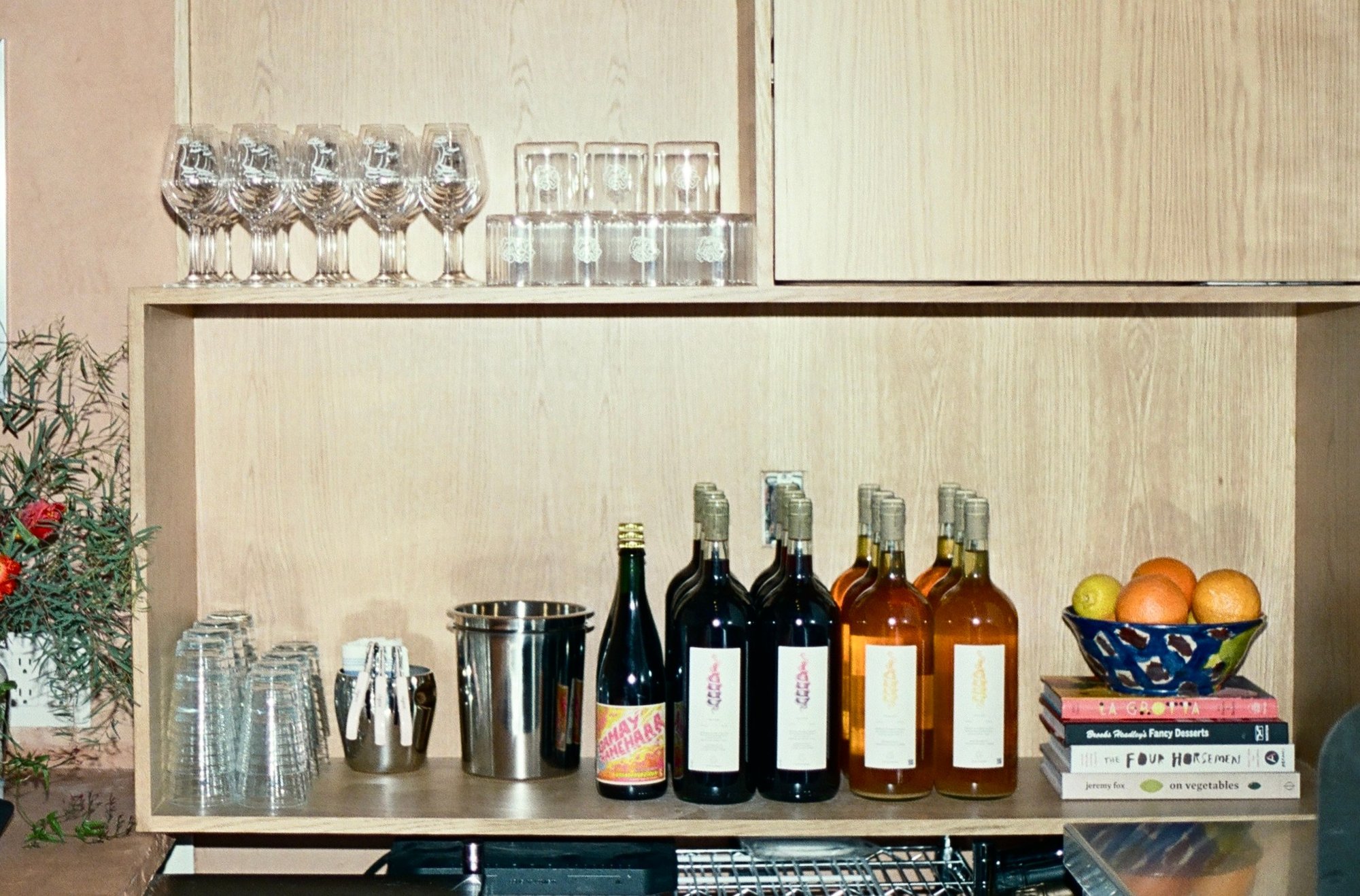
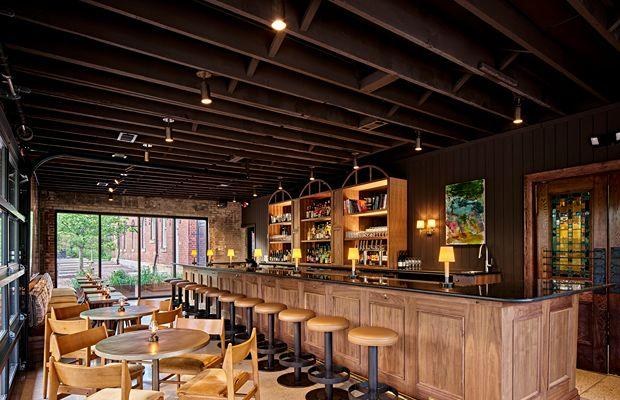
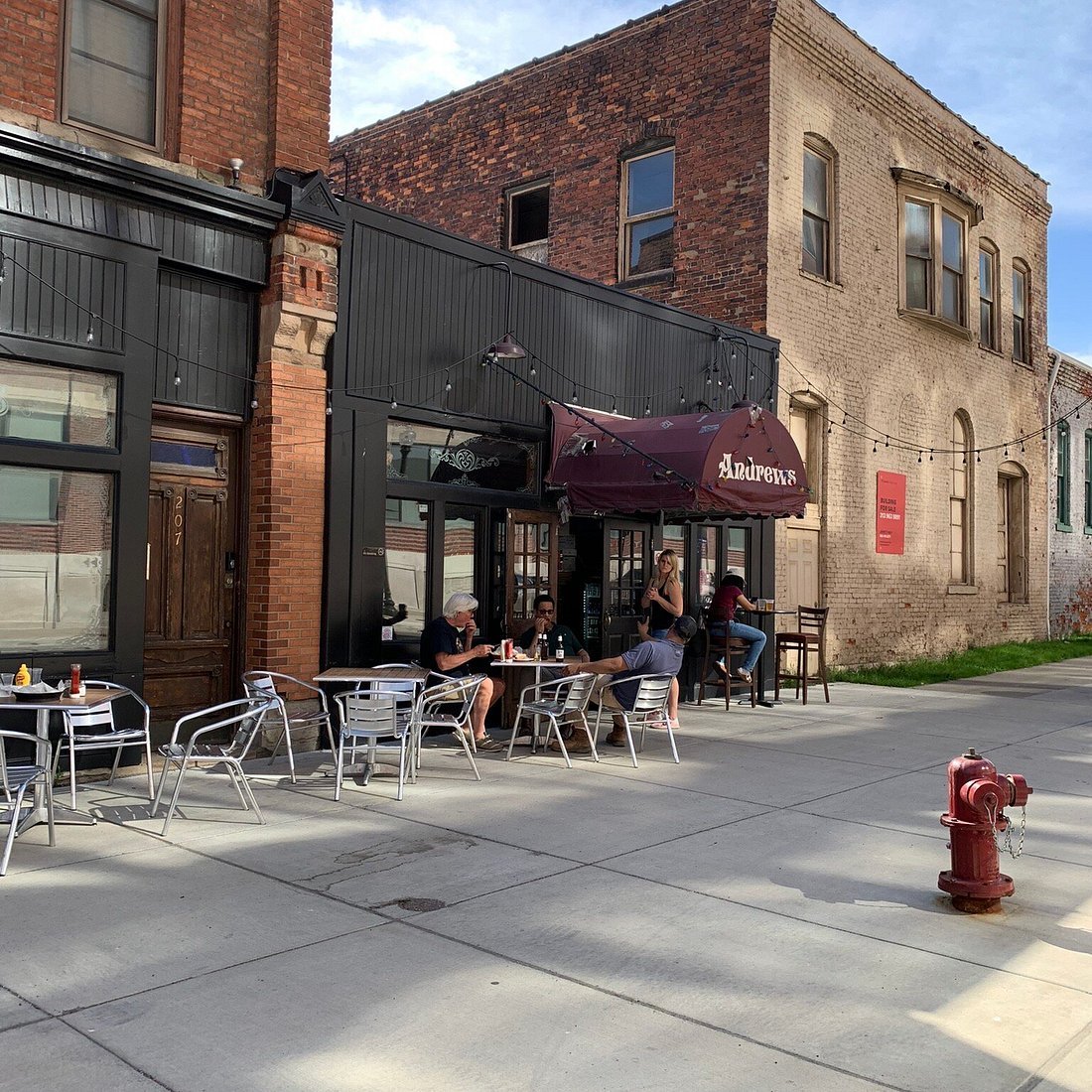
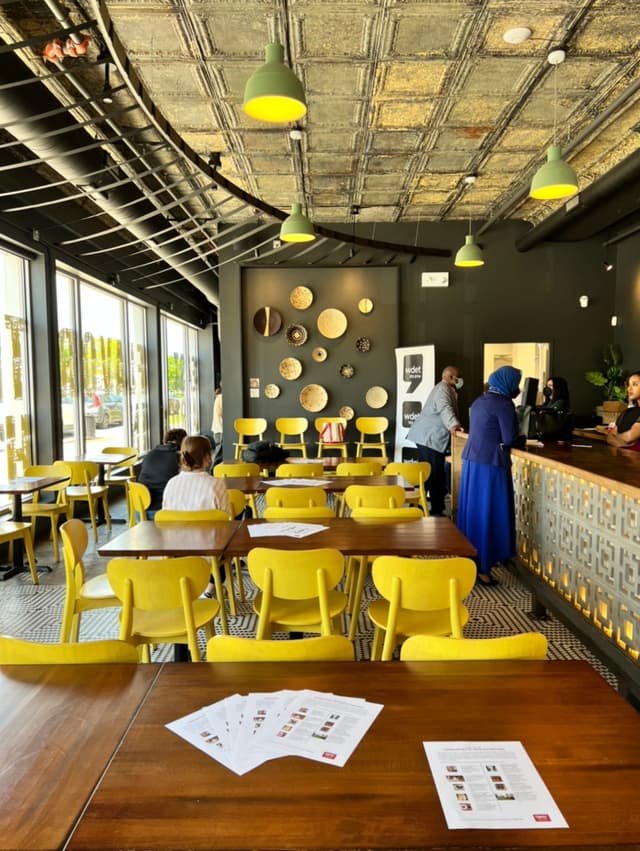
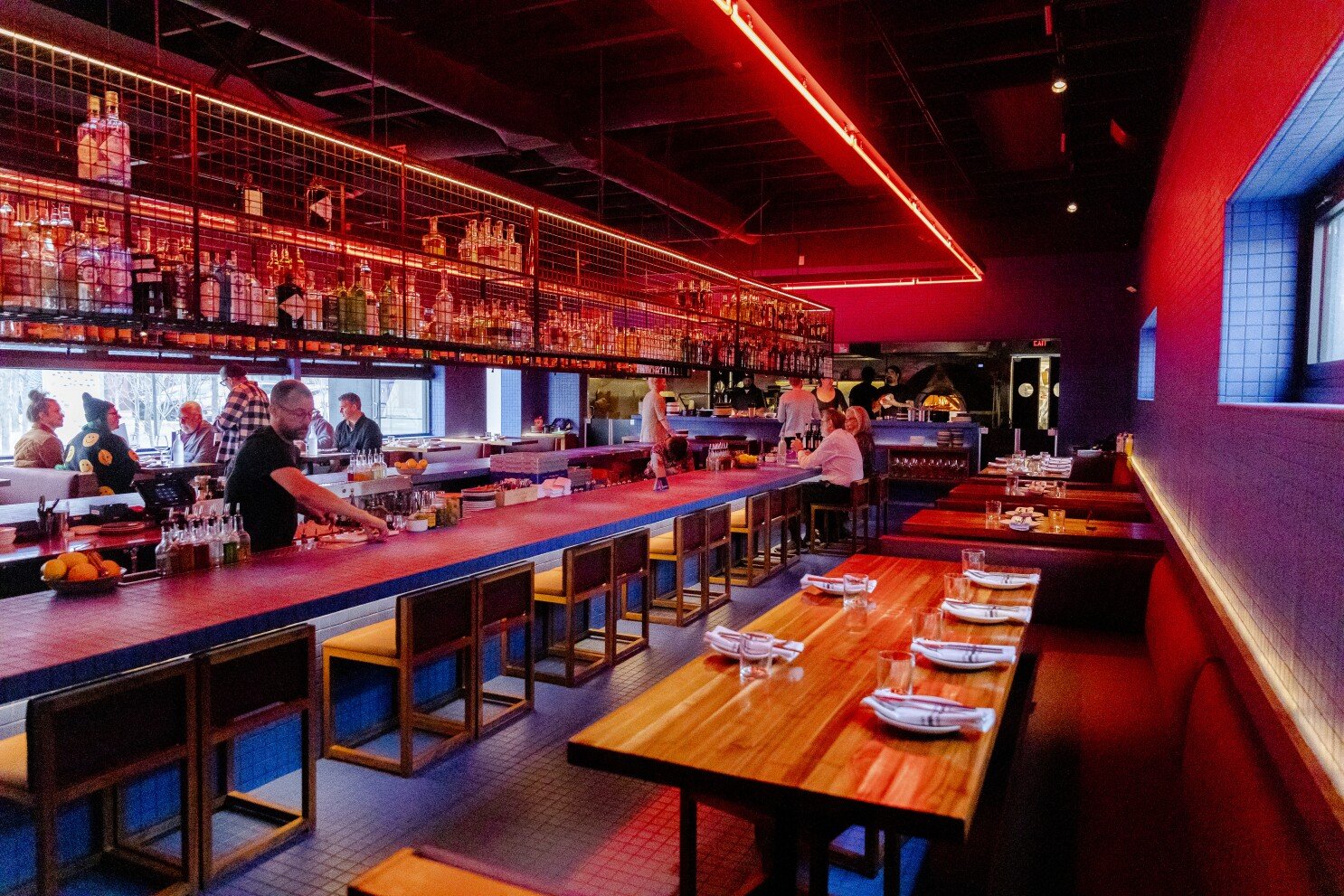
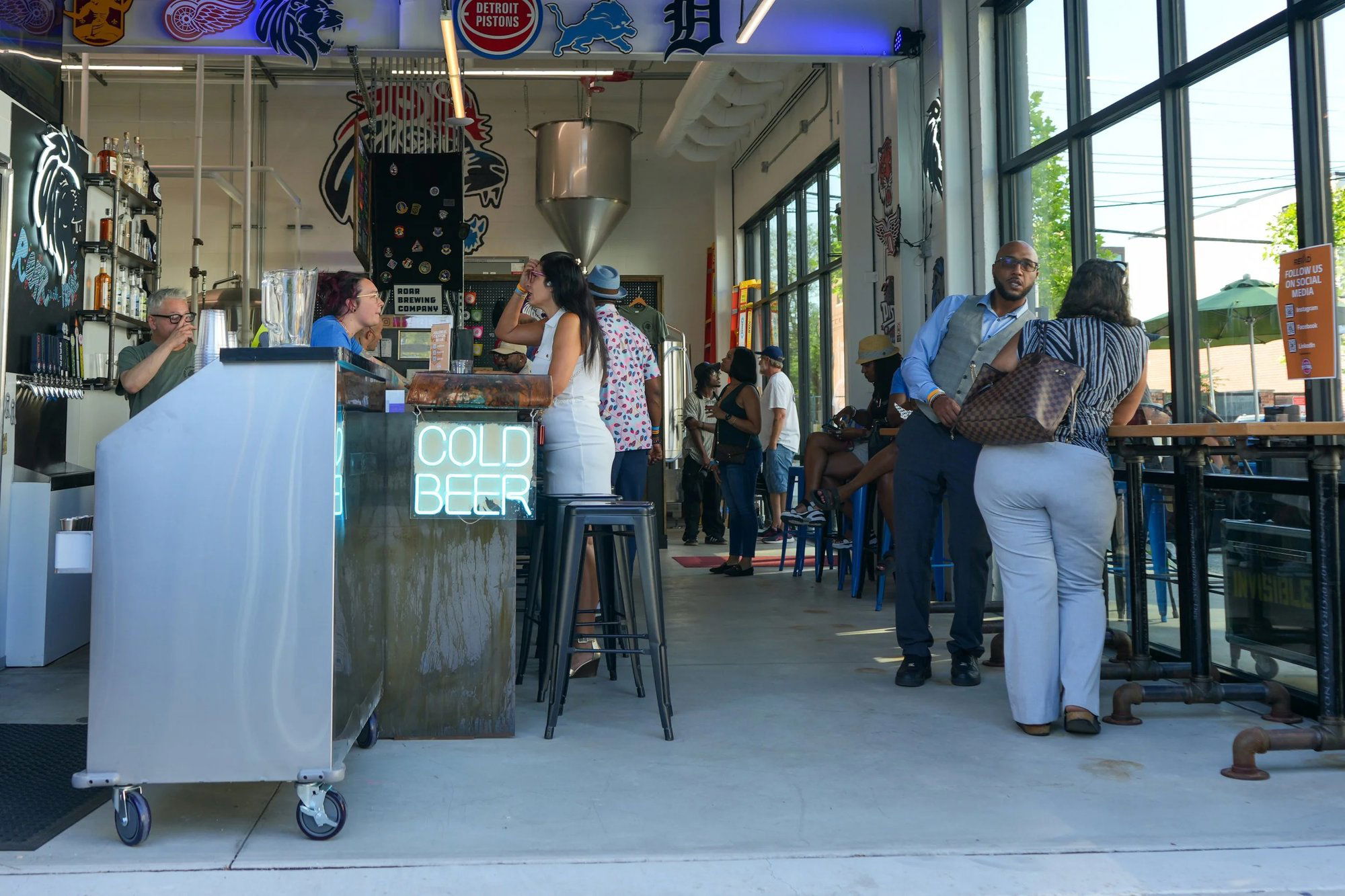
Roar Brewing Co. reads like a working brewery more than a styled taproom: exposed infrastructure, poured concrete and the background hum of fermentation tanks give the space an industrial, unvarnished character. The place leans into that honesty rather than theatrical hospitality design, so your attention lands on the beer and the production footprint. Located in a Midtown suite, it feels embedded in the neighborhood fabric, practical, straightforward and unapologetically utilitarian, a spot where craft and function are the design statements rather than glossy finishes or staged Instagram moments.
Best For
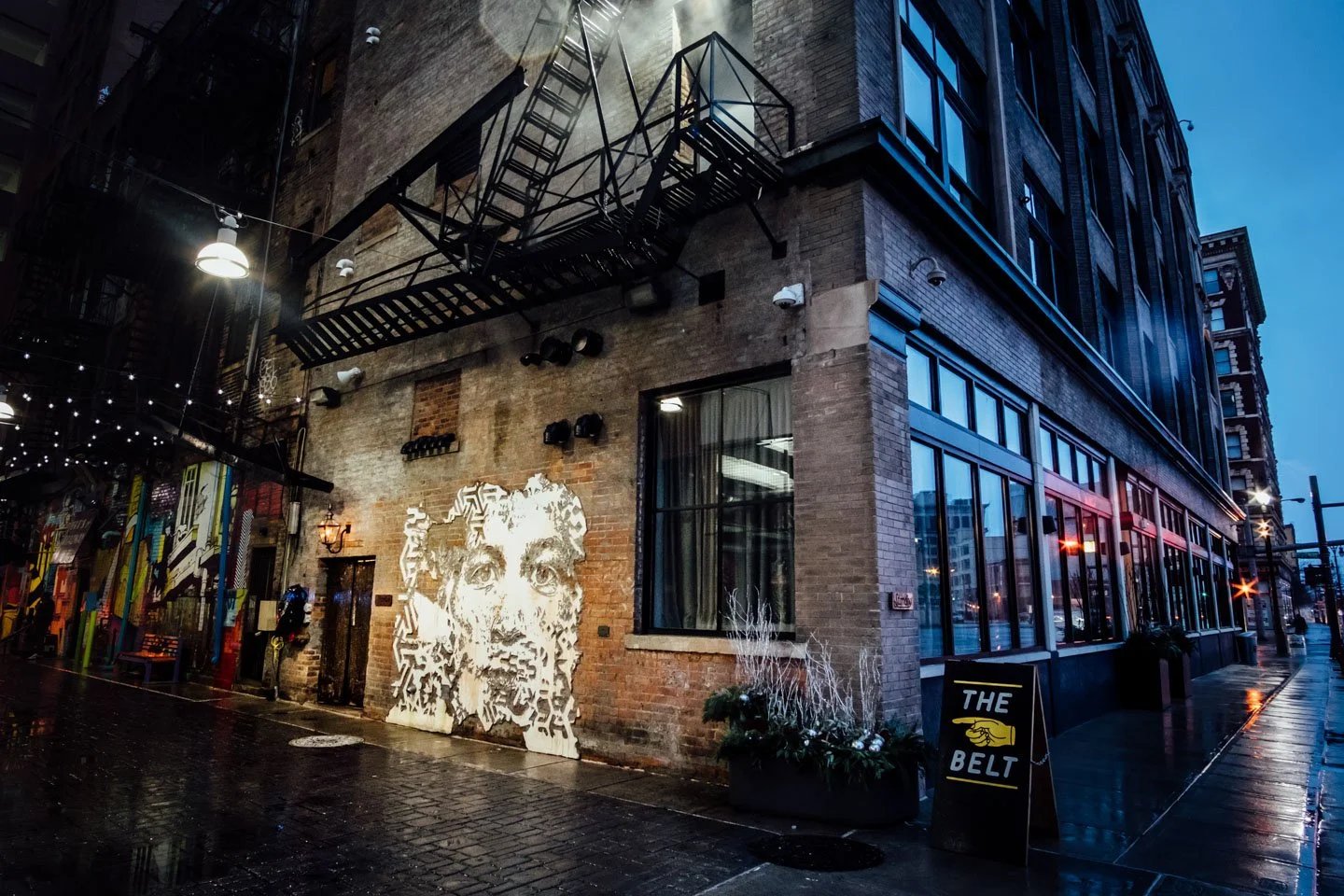
This is a neighborhood taproom made for locals, students and museum-goers who want straightforward beer in an unpretentious setting. Situated near Wayne State University and the Detroit Institute of Arts, Roar attracts a crowd that skews local rather than tourist, so it’s well suited to casual meetups, group outings and low-key celebrations with friends. The emphasis on production and place makes it a good stop for people who appreciate seeing the brewery side of a taproom and who prefer relaxed, community-oriented drinking over formal dining.
Venue details
Ambiance
Fun and approachable community space with a welcoming social atmosphere designed for beer lovers and newcomers alike
Tags
Vibe
Best For
Experience
Format
At the Bar
- Bar Category
- Beer Bar
- Live Music
- Yes
Signature Pours
- Honey Oat Stout
- Roar Pilsner
- Roar Wheat Beer
- Roar Saison
Know before you go
Know Before You Go
- Getting there
- 666 Selden St Suite B, Detroit, MI 48201
Planning details
Location
Also consider
Also Consider
- Castalia at Sfumato, Notable alternative
- Honest John's, Notable alternative
- SheWolf Pastificio & Bar, Notable alternative
- Mario's Northern Italian Cuisine & Banquet Center, Notable alternative
- Motor City Brewing Works-Midtown, Notable alternative
Bar context
How it compares in Detroit
Roar Brewing Co. is the practical choice when the group wants craft beer without turning the night into a formal booking. Castalia at Sfumato is better for a more intentional cocktail-style outing, while Roar is better for beer drinkers who want a lower-pressure Midtown stop.
Against Honest John's, Roar is more category-specific: choose it for brewery / craft beer, choose Honest John's for broader neighborhood-bar flexibility. SheWolf Pastificio & Bar is the better choice when food is central to the plan, especially for a group that wants dinner rather than drinks-first pacing.
Mario's Northern Italian Cuisine & Banquet Center fits a more traditional sit-down meal or larger occasion. Motor City Brewing Works-Midtown is the closest brewery cross-shop; pick Roar when ease and a craft-beer focus are the priority, and use Motor City as the more established Midtown brewery alternative.
Explore Detroit
Around this place
Discover more on Pearl
Unlock the full Roar Brewing Co. guide in Pearl, including awards, comparisons, FAQs, planning details, and nearby places.
Compare Roar Brewing Co.
| Venue | Location | Cuisine | Awards |
|---|---|---|---|
| Roar Brewing Co. | Detroit | brewery / craft beer | No published awards |
| Castalia at Sfumato | Detroit | , | No published awards |
| Honest John's | Detroit | , | No published awards |
| SheWolf Pastificio & Bar | Detroit | , | No published awards |
| Mario's Northern Italian Cuisine & Banquet Center | Detroit | , | No published awards |
| Motor City Brewing Works-Midtown | Detroit | , | No published awards |
How Roar Brewing Co. Detroit compares with similar nearby venues.
FAQ
Frequently Asked Questions
What's the crowd like at Roar Brewing Co.?
Roar Brewing Co. has a casual dress code and a brewery / craft beer format in Detroit. That makes it a straightforward fit for casual beer-focused plans.
Is Roar Brewing Co. open late?
Roar Brewing Co. is open Tuesday through Thursday from 5–10 PM, Friday from 12–11 PM, Saturday from 12 PM–12 AM, and Sunday from 12–8 PM. It is closed Monday.
What's the signature drink at Roar Brewing Co.?
For a signature drink, ask what is currently available when you arrive; the format is brewery / craft beer.