
Chenin
East Necklace, Detroit
Bar in Detroit, United States
 Book with Pearl
The Read
Producer-Driven Pours
Why go
Chenin is the Detroit choice for a natural-wine night when the bottle list matters more than a broad cocktail program. Go early with a small group, especially on quieter service nights, and keep a backup plan if the room is full. James Beard recognition in 2026 makes it a harder casual bet than a standard downtown bar.
About Chenin
Choose Chenin if the goal is a Detroit wine-bar night centered on natural wines. Chenin is a smart-casual wine bar with evening and late-night hours rather than a lunch stop or a broadly documented dining format.
Use Chenin as a focused Detroit option when wine is the reason for the visit. Specific details such as seating, menu format, pricing, and service style should be confirmed directly, so plan with flexibility rather than assuming a particular setup.
Natural-wine focus makes this stronger for wine-led nights
The grounded appeal is direct: Chenin is a wine bar focused on natural wines in Detroit. If the group wants a different kind of night, other options include Saksey's, Detroit Beer Co, Candy Bar, Karl's, and The Monarch Club. Chenin is the clearer pick when the plan is built around natural wine.
The price range is not specified, so do not treat Chenin as either a guaranteed budget option or a splurge. Treat it as a wine-focused stop and confirm any cost-sensitive details directly before making it the center of the night.
Use the evening schedule to plan the visit
For a first timer, the most practical planning tool is the schedule. Chenin is open Monday, Thursday, and Sunday from 5 PM to 12 AM, and Friday and Saturday from 5 PM to 2 AM. It is closed Tuesday and Wednesday. There is no lunch service.
Booking difficulty, seating capacity, or a reservation policy are not specified, so avoid building a tight itinerary on assumptions. Use the broader Detroit map if the night needs flexibility: Our full Detroit bars guide is the practical starting point, while Our full Detroit restaurants guide helps pair a wine-bar stop with dinner. For visitors building a fuller weekend, Our full Detroit hotels guide can help with the larger plan.
If the group cannot make Chenin work, keep the backup practical. Detroit has other bars and dining rooms for different moods, but they are not direct substitutes for a natural-wine night. Chenin is best understood as a Detroit wine-bar decision rather than a general nightlife template.
Planning details
- Location
- 1509 Broadway St Suite A-1, Detroit, MI 48226
- Website
- barchenin.com
The take
The Take
The Vibe
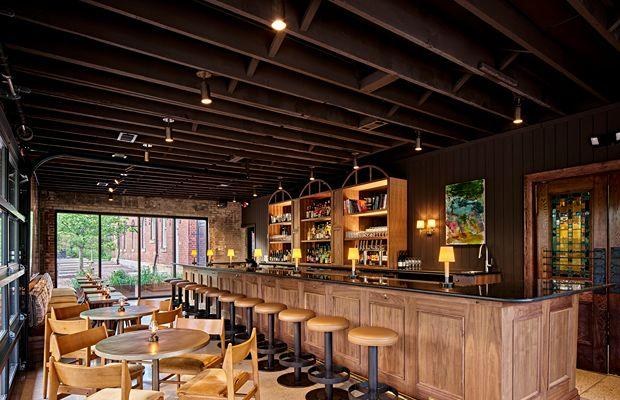
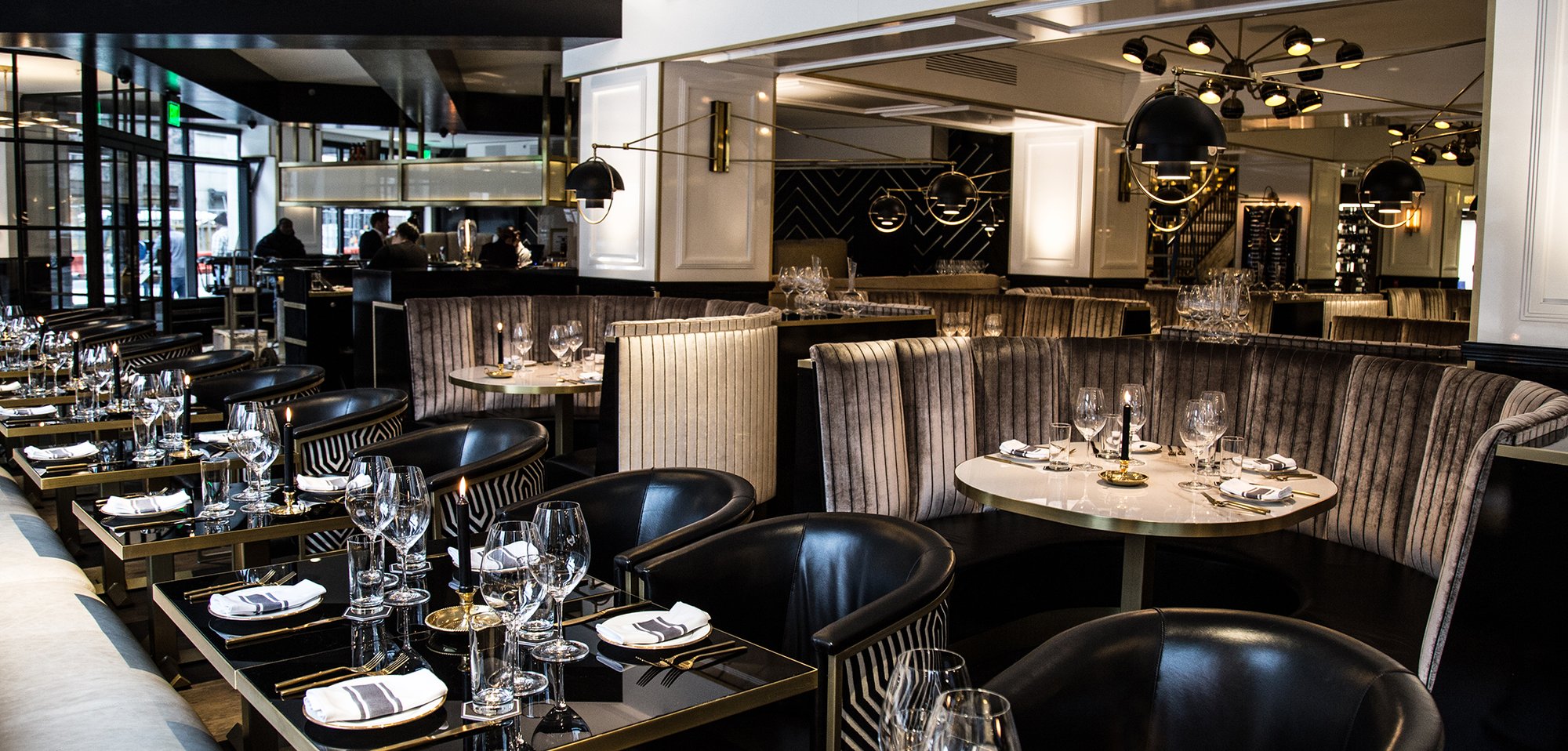
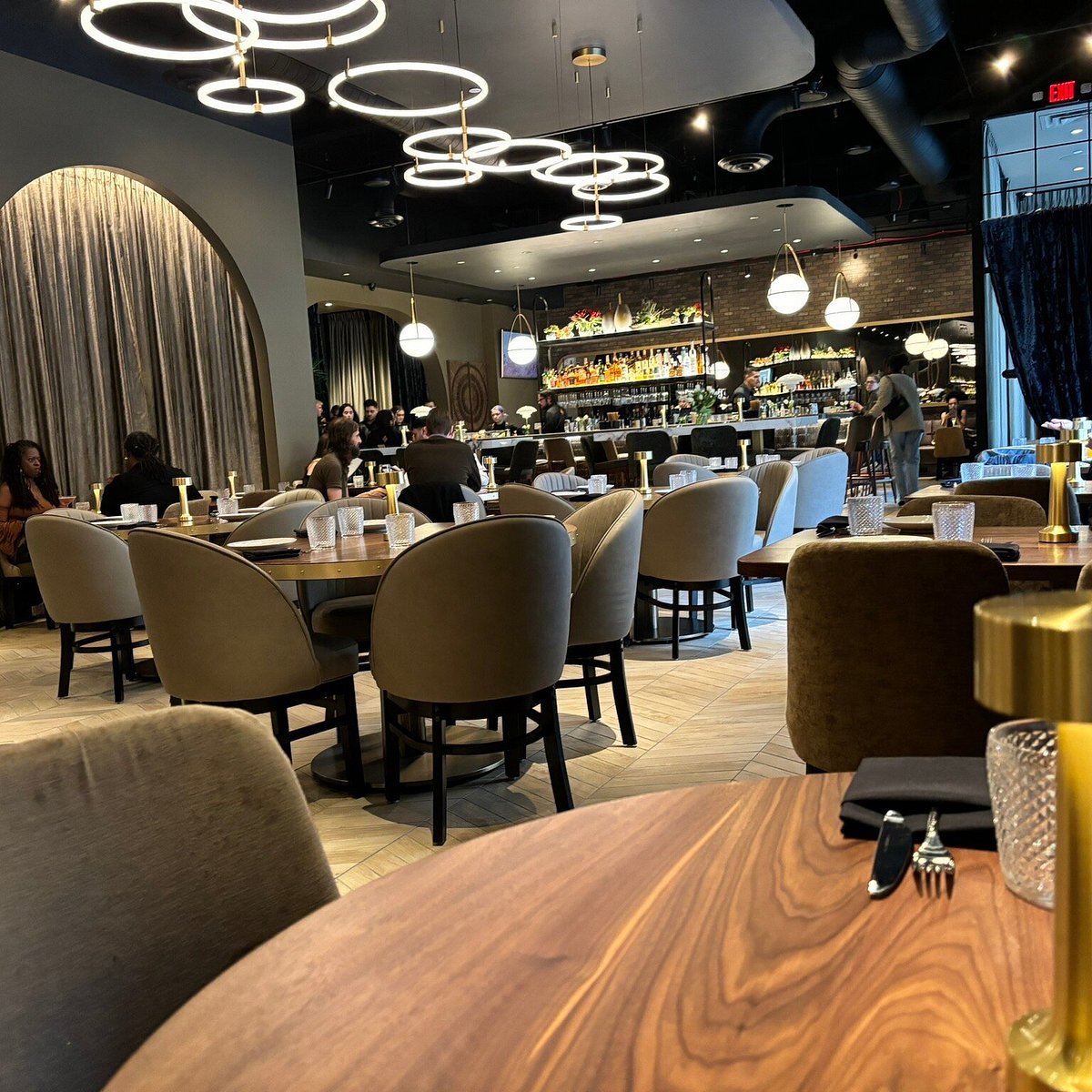
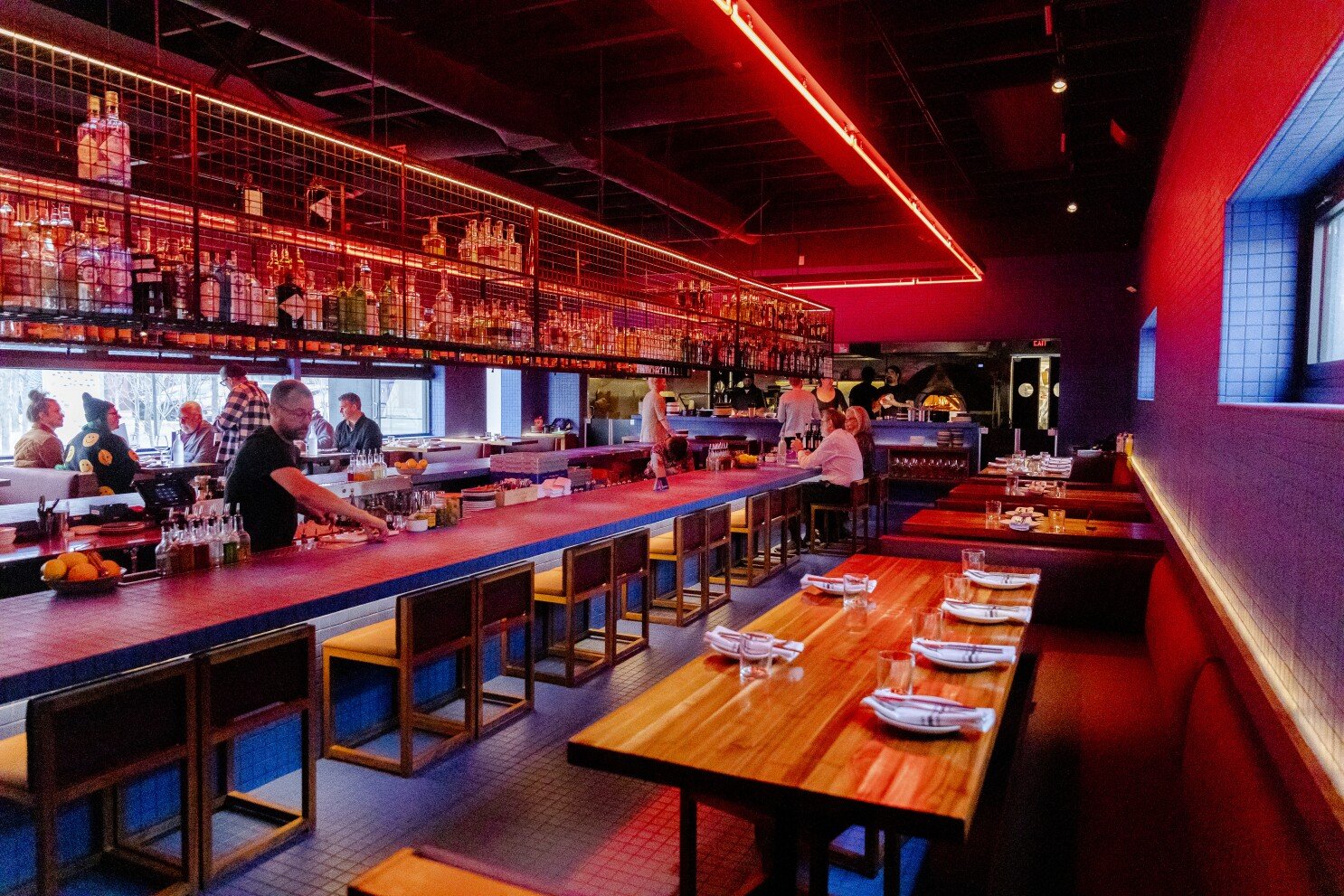
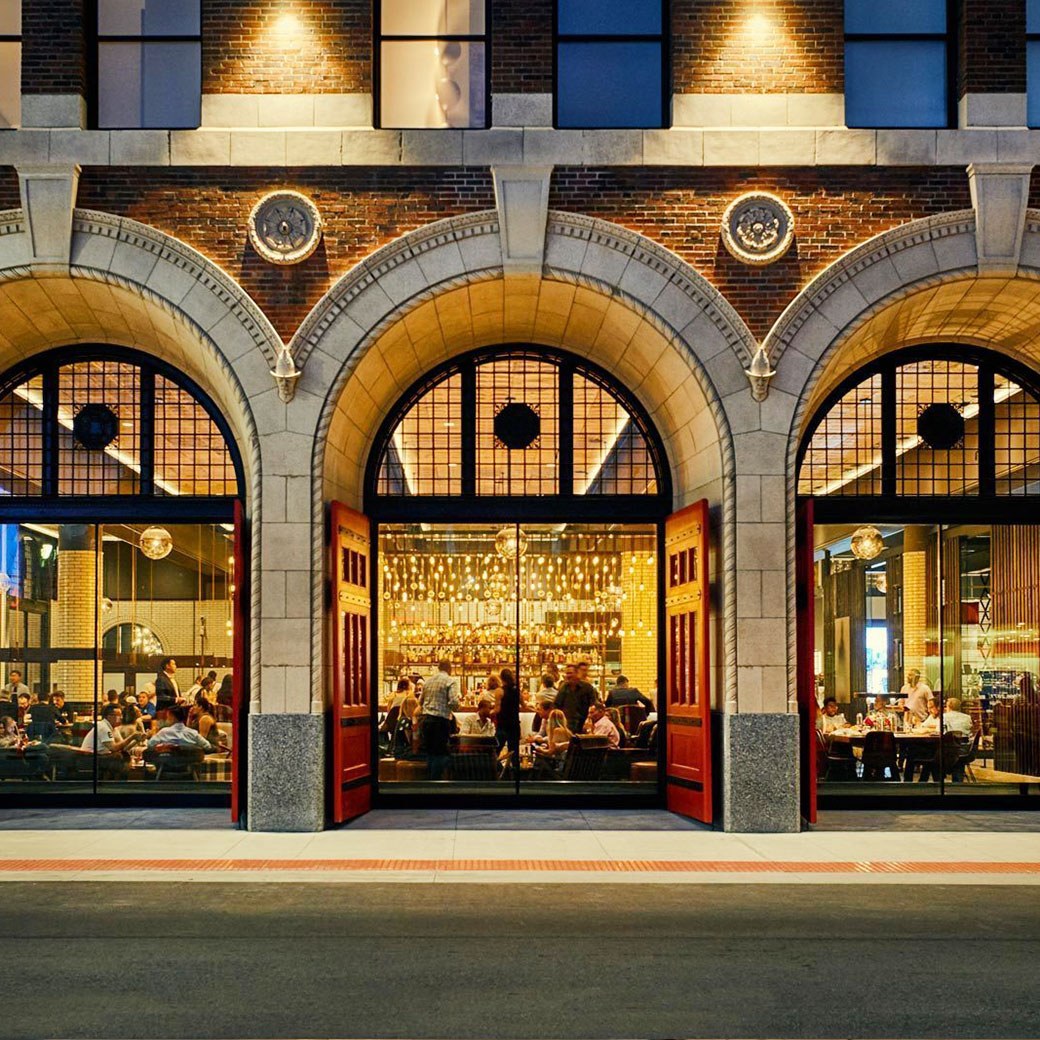
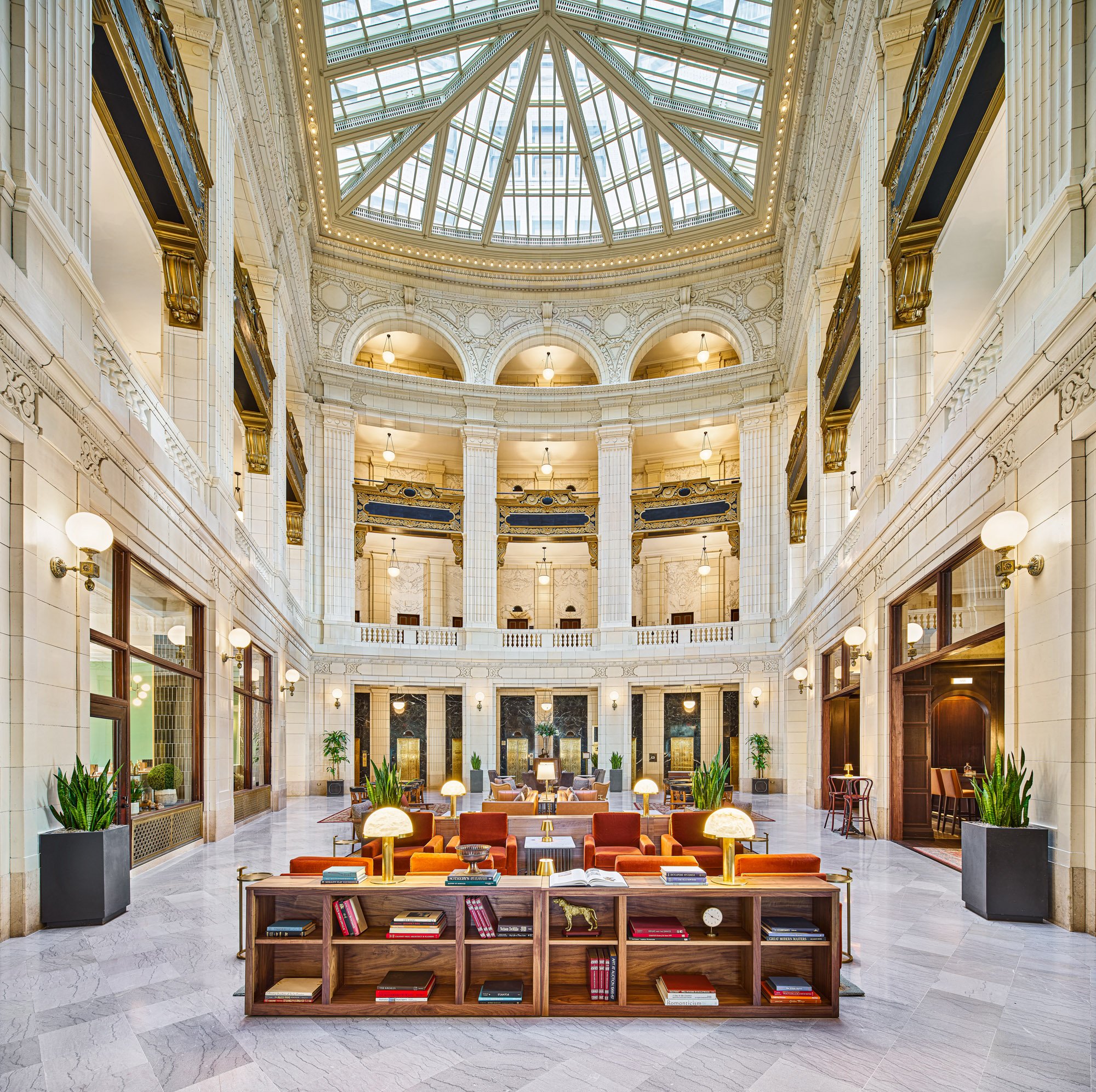
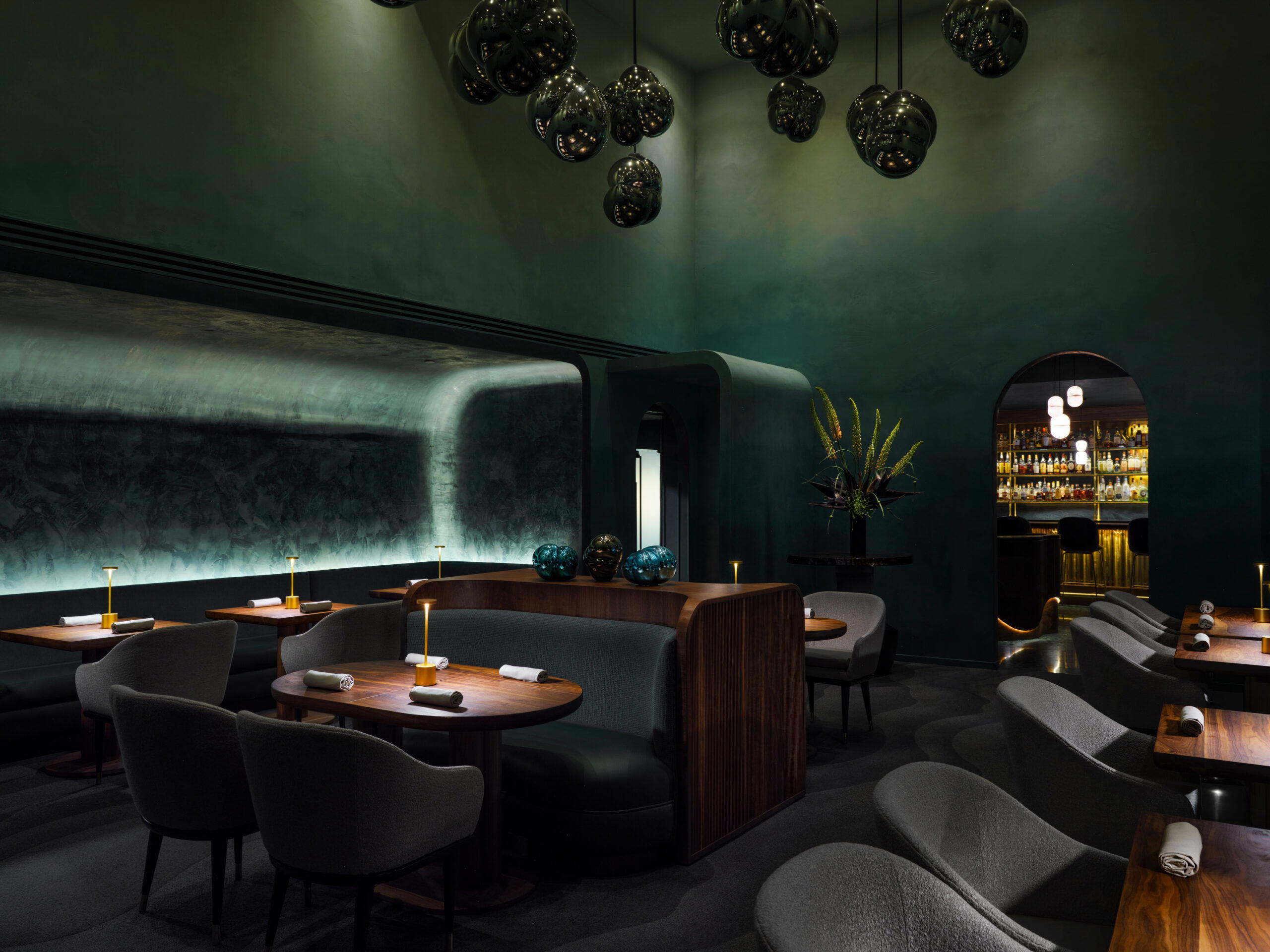
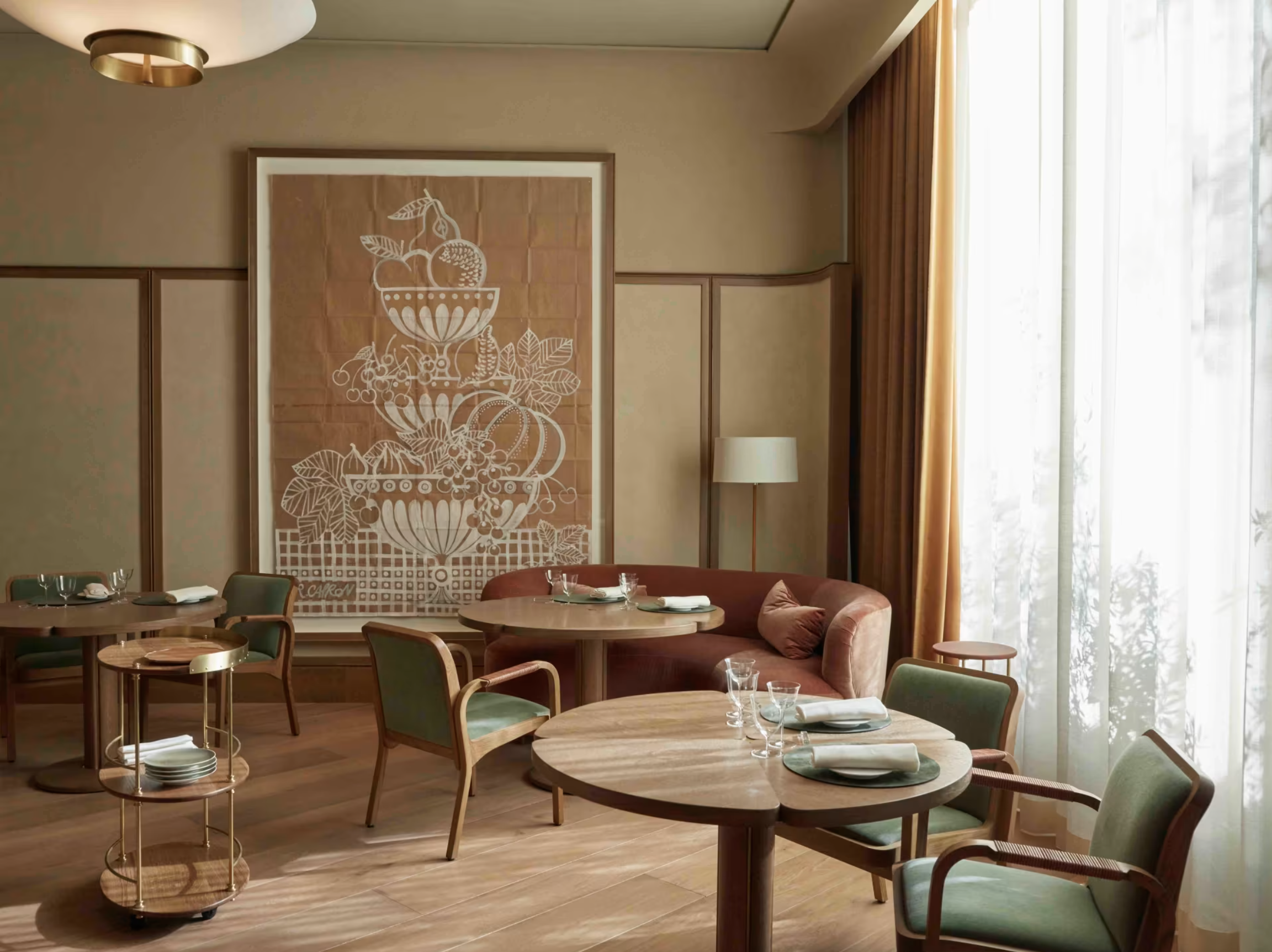
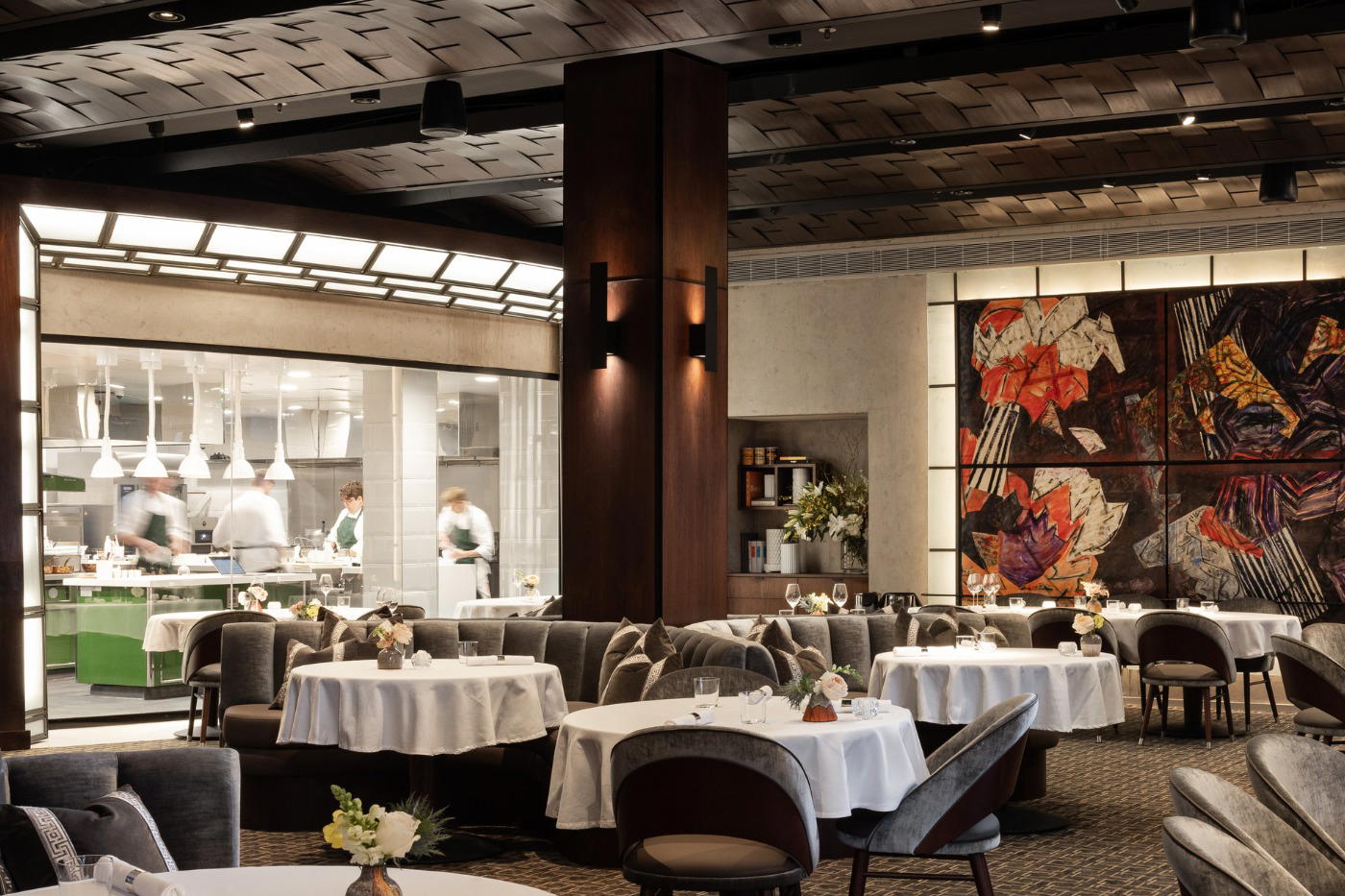
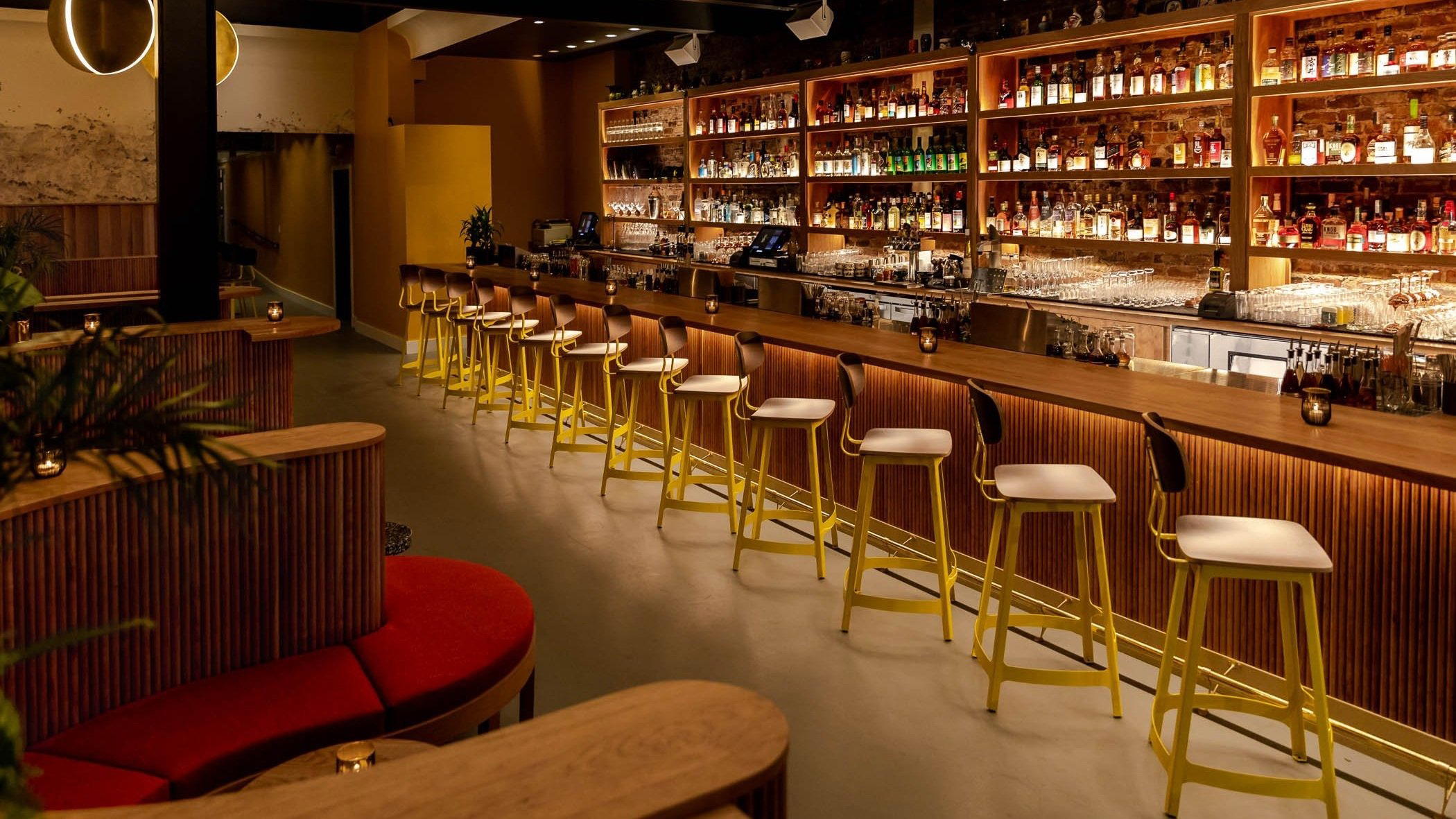
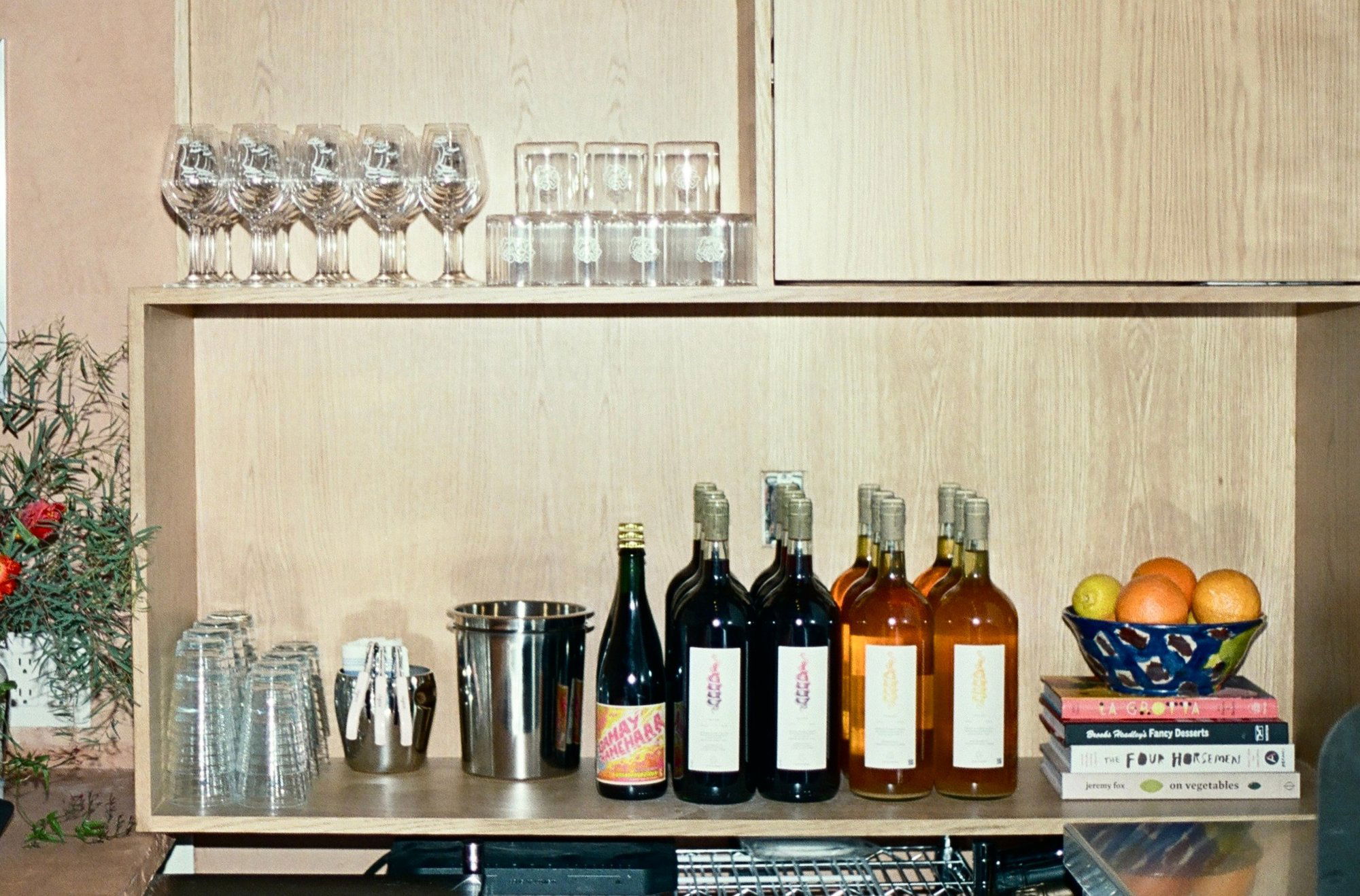
Chenin presents itself as a quietly sophisticated natural wine bar in Detroit’s Broadway corridor. The writing emphasizes an editorial stance—naming the bar after Chenin Blanc signals a focus on terroir, low-intervention producers and a tightly curated, rotating list. The space is modest and intentionally considered: dim lighting, small footprint and food that is designed to support the wine rather than compete with it. That combination makes the venue feel like a focused, knowledgeable spot for people who value provenance and restraint in both drinks and small-plate pairings.
Best For
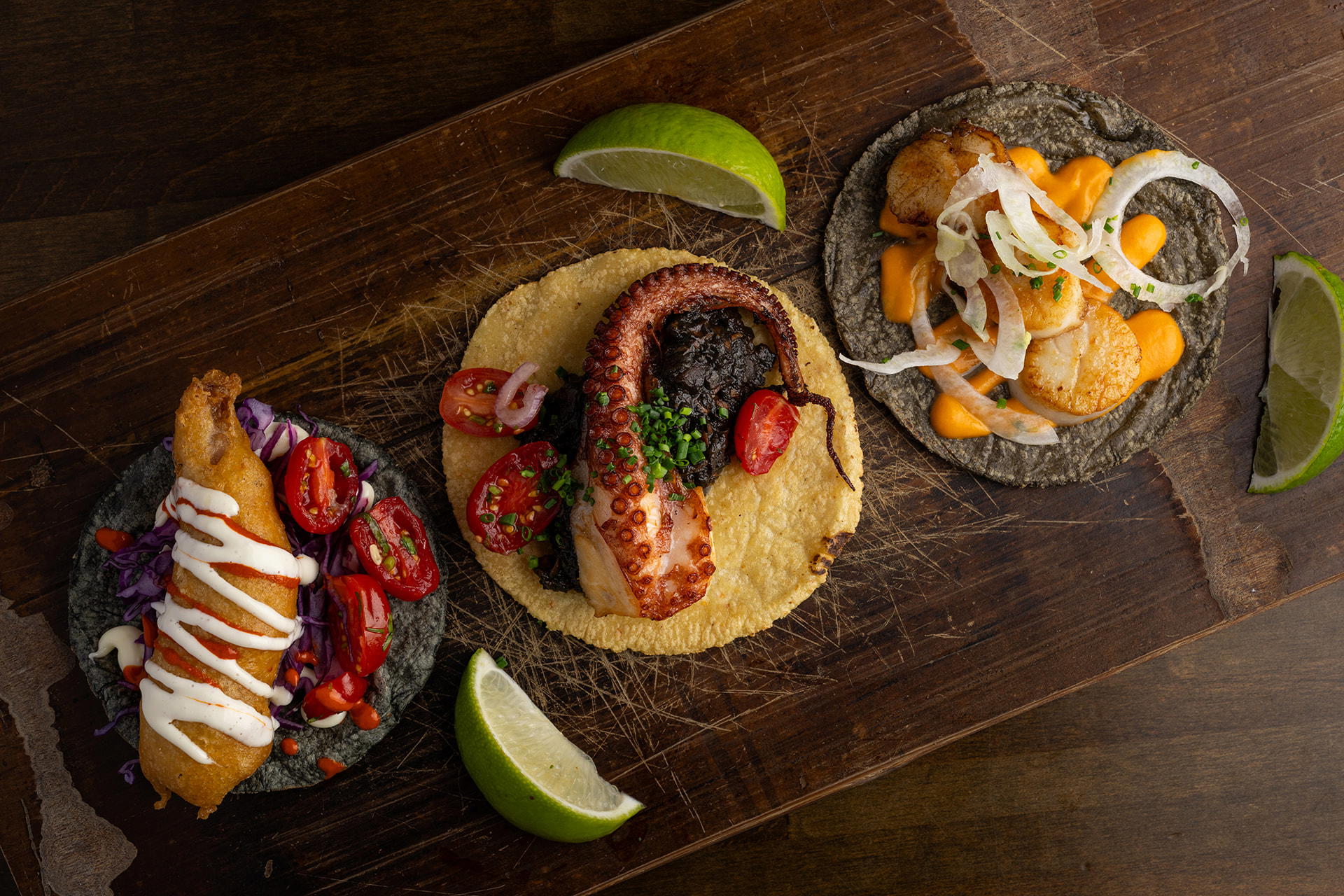
Chenin is best for intimate, wine-forward evenings where the drink program is the point of the visit. The format—modest square footage and a tight, rotating list that highlights producers—lends itself to date nights, close friend gatherings and quiet after-work pours where conversation revolves around bottles and pairings. Because the food is explicitly designed to work with the wine, the bar suits diners who want a concise, complementary snack or small-plate accompaniment rather than a full multi-course meal.
Ordering Tips
Expect a short, rotating wine list and ask staff about the producers and recent arrivals: the bar’s approach foregrounds natural, low-intervention wines and frequent changes. Lean on the server’s recommendations for pairing—food is described as crafted to support the wine—so order a few small plates to taste alongside by-the-glass pours or bottle selections. Given the modest footprint and focused program, arrive with an openness to discoveries rather than a rigid must-order list.
Venue details
Ambiance
Cozy, candlelit atmosphere with perfect lighting and decor praised by guests.
Tags
Vibe
Best For
Format
At the Bar
- Bar Category
- Wine Bar
- Late Night
- Open Until 2am
Signature Pours
superclasico
Know before you go
Know Before You Go
- Getting there
- 1509 Broadway St Suite A-1, Detroit, MI 48226
Planning details
Location
1509 Broadway St Suite A-1, Detroit, MI 48226 · Directions
Recognition and awards

Also consider
Also Consider
- Candy Bar, Notable alternative
- Karl's, Notable alternative
- Detroit Beer Co, Notable alternative
- The Monarch Club, Notable alternative
- Saksey's, cocktails / bar, cocktails / bar
Bar context
How it compares for a Detroit drinks night
Choose Chenin over Detroit Beer Co when wine is the reason for the night. Detroit Beer Co is the easier, more flexible call for beer drinkers and casual groups; Chenin is the sharper pick for a smaller group that wants a natural-wine-led experience and is willing to deal with a harder seat.
Saksey's is the better cross-shop for cocktail drinkers because its category is explicitly cocktails and bar. Chenin is better for guests who want the drinks list to center on wine rather than mixed drinks. Candy Bar and The Monarch Club make more sense when ambiance is the main priority; Chenin is the more focused choice when the beverage program is the deciding factor.
Karl's is the safer fallback if the group needs an easier, broader downtown plan. For value, Chenin is not the default budget pick because no public price range is listed here; treat it as a targeted wine-bar booking rather than a low-stakes stop. If the goal is a first-date or two-person drinks plan, Chenin has the strongest case among this set. For larger groups, start elsewhere.
Explore Detroit
Around this place
Discover more on Pearl
Unlock the full Chenin guide in Pearl, including awards, comparisons, FAQs, planning details, and nearby places.
Compare Chenin
| Venue | Location | Cuisine | Awards |
|---|---|---|---|
| Chenin | Detroit | wine bar / natural wines | 2026 James Beard Award Semifinalists2026 James Beard Award Nominees |
| Candy Bar | Detroit | No published awards | , |
| Karl's | Detroit | No published awards | , |
| Detroit Beer Co | Detroit | No published awards | , |
| The Monarch Club | Detroit | No published awards | , |
| Saksey’s | Detroit | cocktails / bar | No published awards |
How Chenin Detroit compares with similar nearby venues.
FAQ
Frequently Asked Questions
Does Chenin have happy hour deals?
Happy hour deals are not listed for Chenin. Plan on it as a natural-wine bar in Detroit with evening and late-night hours on Monday, Thursday, Friday, Saturday, and Sunday.
What's the signature drink at Chenin?
Chenin does not list a named signature drink. The focus is a wine bar / natural wines.
Does Chenin have outdoor seating?
What is Chenin known for?
Chenin is known as a wine bar focused on natural wines in Detroit. It also has James Beard Award Nominee and James Beard Award Semi Finalist recognition for 2026.