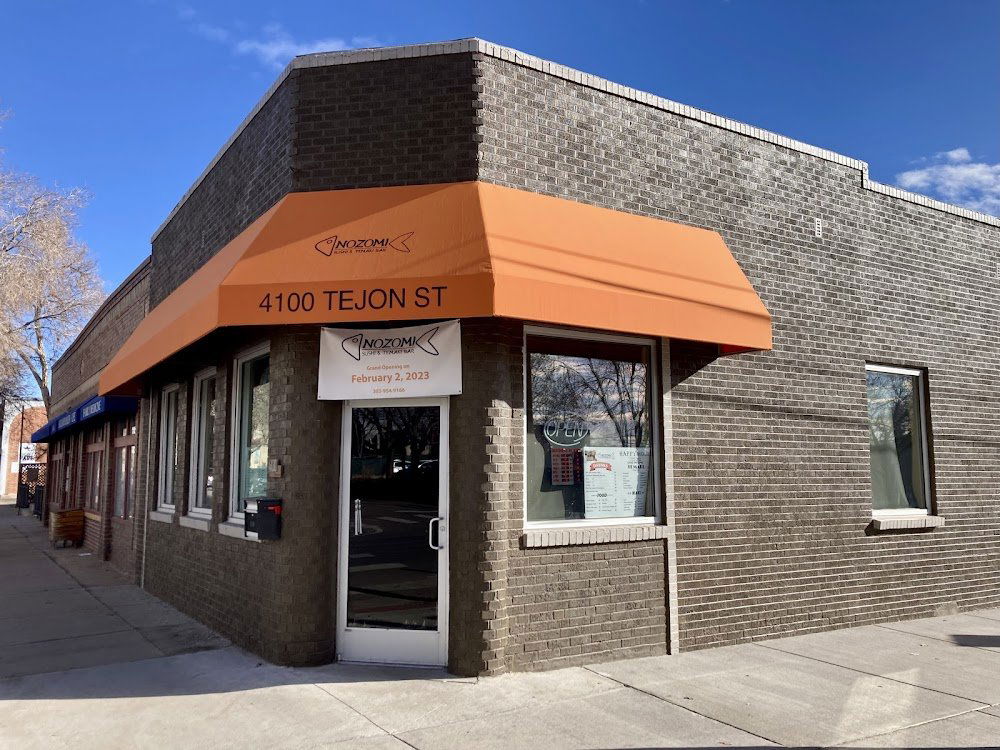
Nozomi
Sunnyside, Denver
Bar in Denver, United States
 Book with Pearl
Why go
Nozomi is a practical Denver pick for a low-pressure two-person evening, especially if flexible hours matter more than awards or a heavily documented chef-led format. Use it for an easy date or repeat neighborhood visit, not as a major occasion booking.
About Nozomi
Nozomi is a Denver option with a direct profile: daily hours, casual dress, and midday opening times from Friday through Sunday. For someone who wants a cleaner read on whether it fits a plan, it is best treated as a straightforward choice rather than a venue with a heavily documented public profile. The current facts support a simple verdict: consider it when convenience, casual dress, and schedule matter more than awards, chef-name detail, or a documented service format.
The main reason to choose it is usability. It runs every evening, with midday hours on Friday through Sunday, which gives it scheduling flexibility compared with venues that have narrower evening windows. That makes it a practical option for a relaxed plan: easier to schedule, casual by dress code, and not dependent on formal attire.
A better fit for simple planning than overclaimed occasion dining
Because the cuisine, price range, chef, awards, seating, and service format are not part of the available profile, this is not the place to overclaim. Treat it as a Denver pick with hours and casual dress, not as a fully documented destination meal. If the goal is a room with confirmed recognition, a named beverage program, or a clearly signposted culinary angle, compare against other options with more defined public profiles before committing.
For a visit, the smart move is to use it as the anchor for a simple outing, then keep the rest of the night flexible. Broader Denver coverage can help shape that backup plan: start with our full Denver restaurants guide, then cross-check drinking options in our full Denver bars guide. If the night turns into something longer, our full Denver hotels guide may be useful as well.
How to use it if you have already been once
Return when the priority is timing, not novelty. The Monday-through-Thursday schedule is 4:30–9:30 PM, while Friday through Sunday runs 12–9:30 PM. For alternate plans with different category signals, compare Nozomi with other dining and drinking options, or keep names such as Gaetano's, Lady Jane, Queensberry Coffee, Semiprecious, and Sunny's in mind depending on the kind of outing you want.
Planning details
- Location
- 4100 Tejon St, Denver, CO 80211
- Website
- nozomisushidenver.com
- Phone
- +1 303 954 9166
The take
The Take
The Vibe
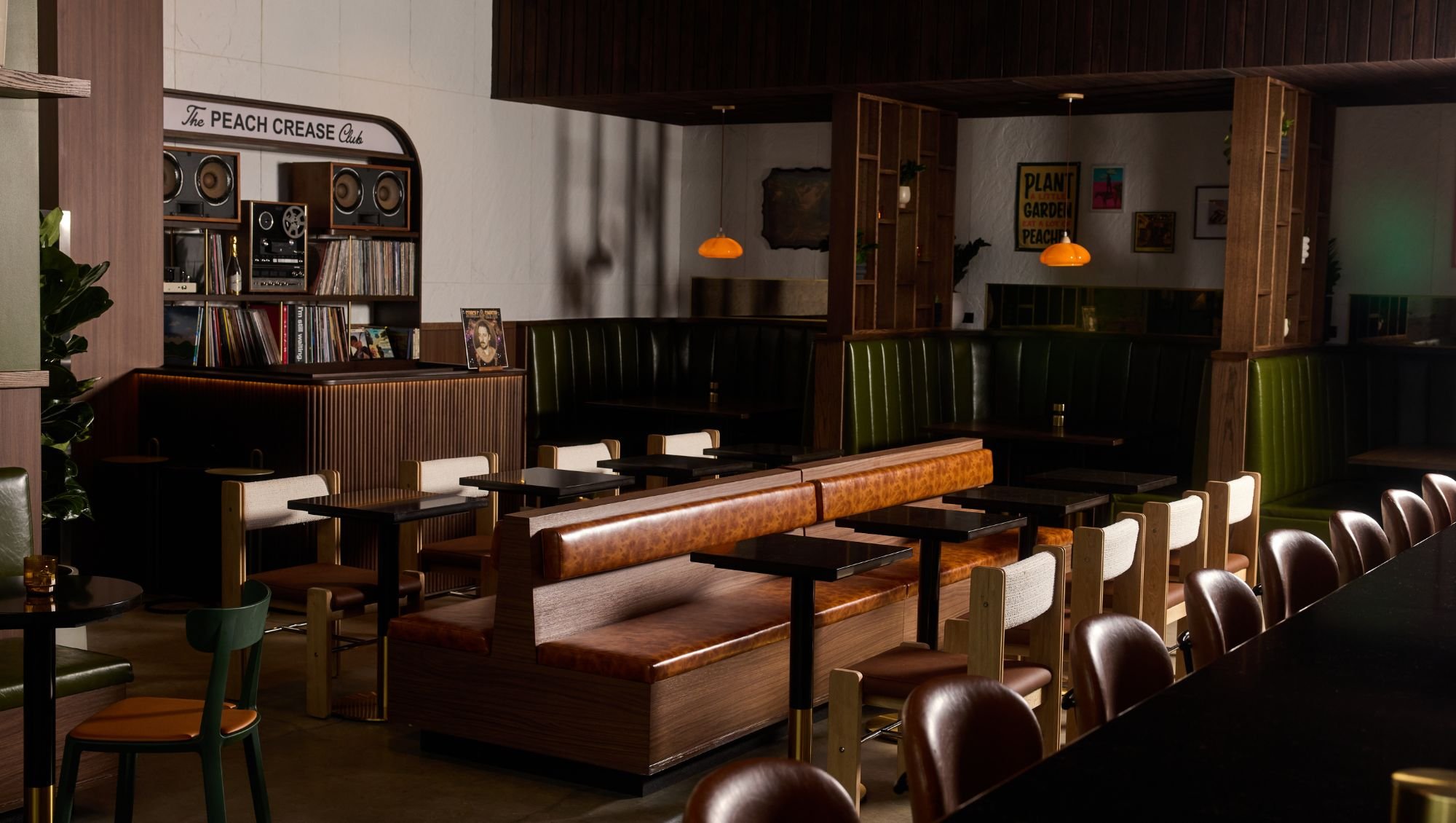
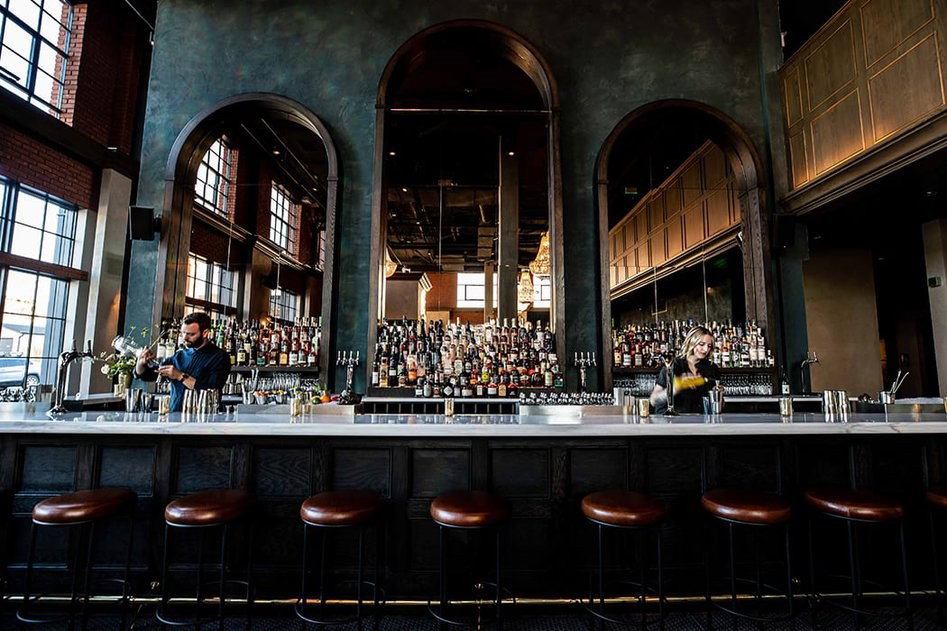
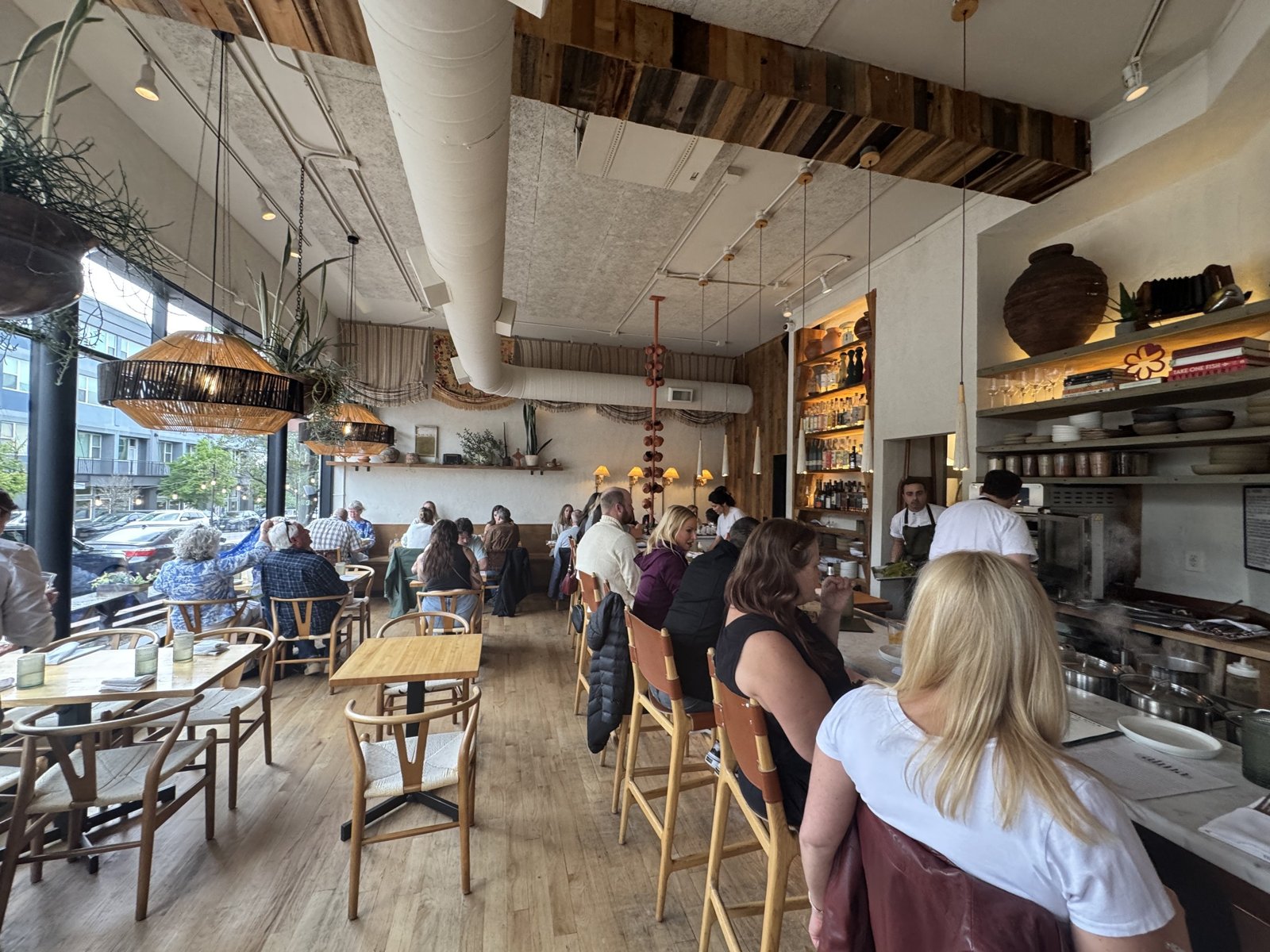
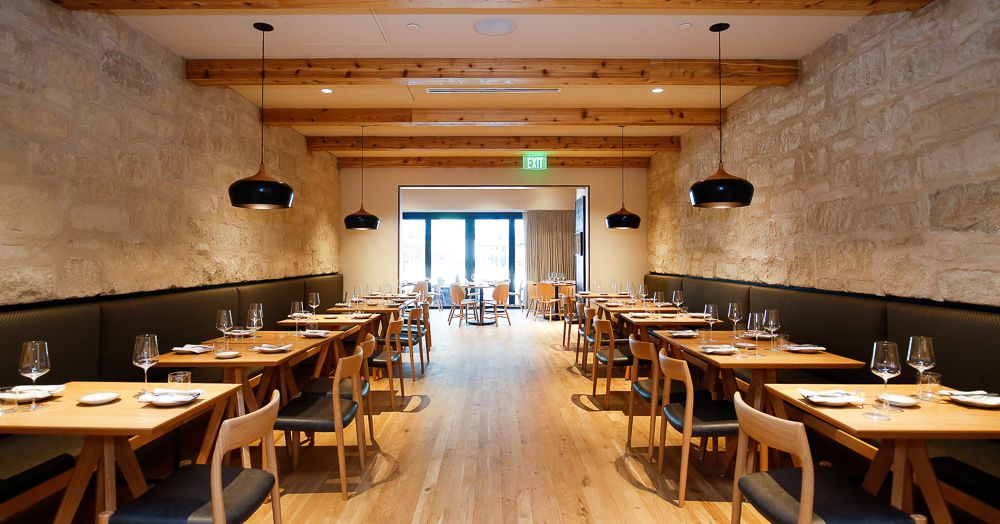
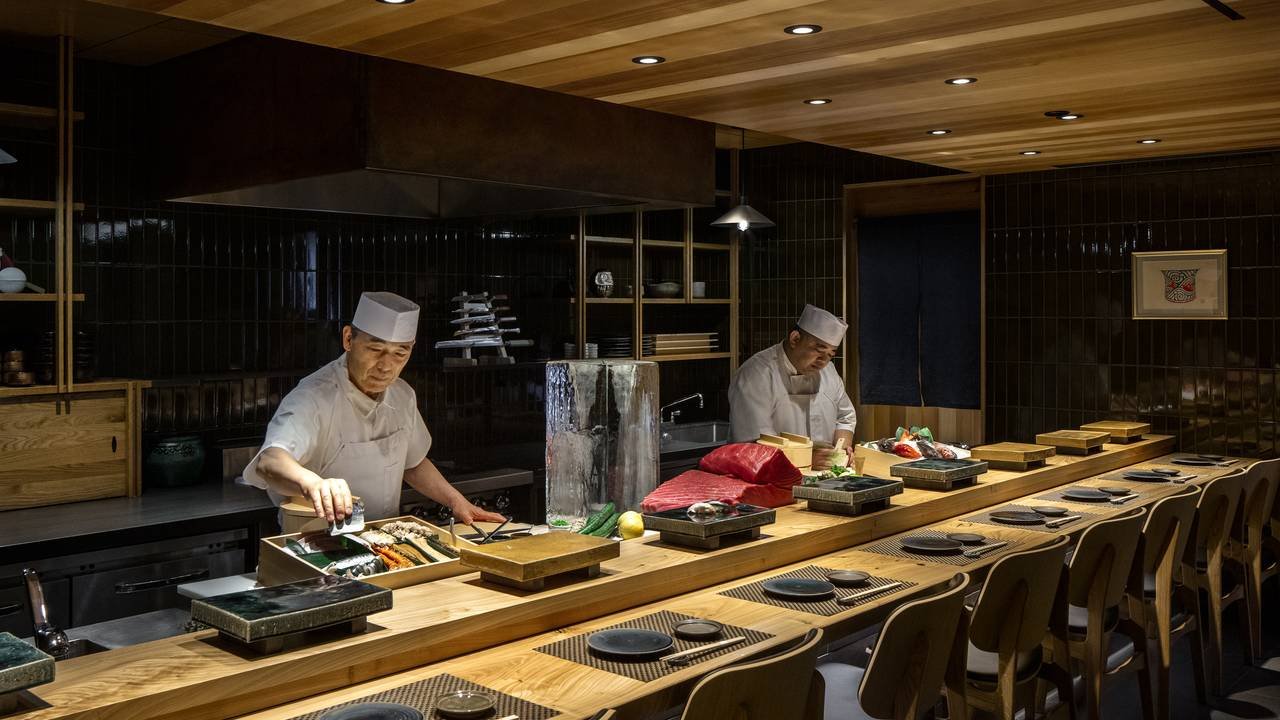
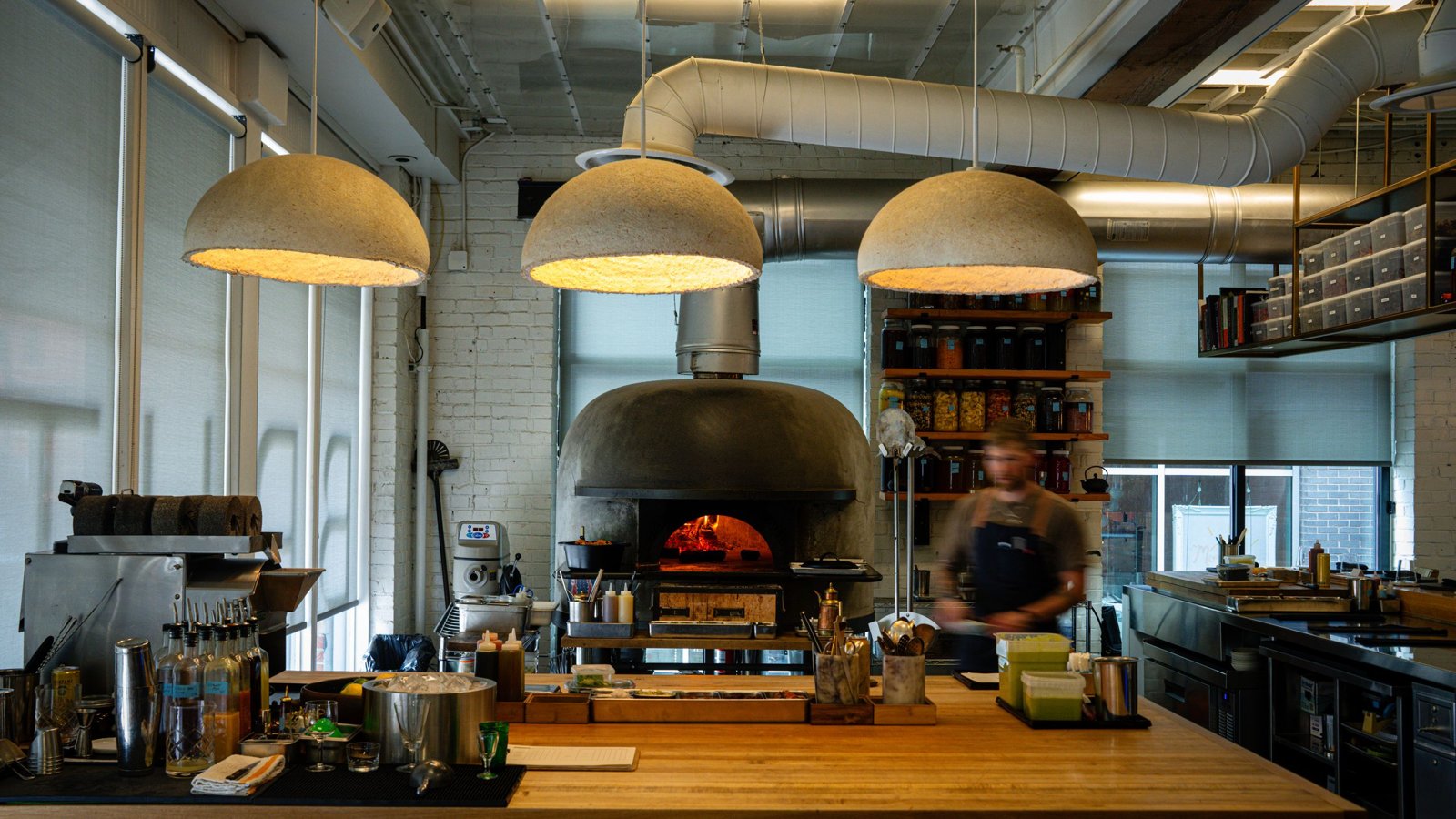
Nozomi positions itself at the restrained end of LoHi’s crowded cocktail scene, favoring subtlety over spectacle. The bar’s identity pivots around a tight, Japanese-influenced drinks program that prizes coherence — a clear house approach to dilution, temperature and ingredient sourcing underpins its pours. Rather than noisy theatrics, the room reads as considered and refined, rewarding guests who value technique and provenance. The result is a low-key, sophisticated spot that feels deliberate in its choices: precise cocktails, thoughtful spirits selections and an overall tone of quiet confidence.
Best For
Nozomi is best for intimate outings where the focus is on the glass rather than the scene. Its quieter placement on Tejon Street and emphasis on a curated Japanese-inflected beverage program make it a natural pick for date nights and low-key gatherings with friends who appreciate serious cocktails, sake or whisky. The bar suits conversations that benefit from lower volume and a measured pace; it’s less about late-night bustle and more about tasting and conversation in a relaxed, refined setting.
Ordering Tips
Treat the bar’s drinks program as the main event: ask staff about their house positions on dilution, temperature and ingredient sourcing to understand what guides their pours. Look for offerings that highlight sake, shochu and Japanese whisky lineage, and lean on the bartender’s curation when choosing cocktails—this venue privileges coherence over range. If you’re curious about technique or provenance, pose specific questions about distilleries, grades of sake or how cocktails are dialed in; the program rewards guests who engage with its disciplined approach.
Venue details
Ambiance
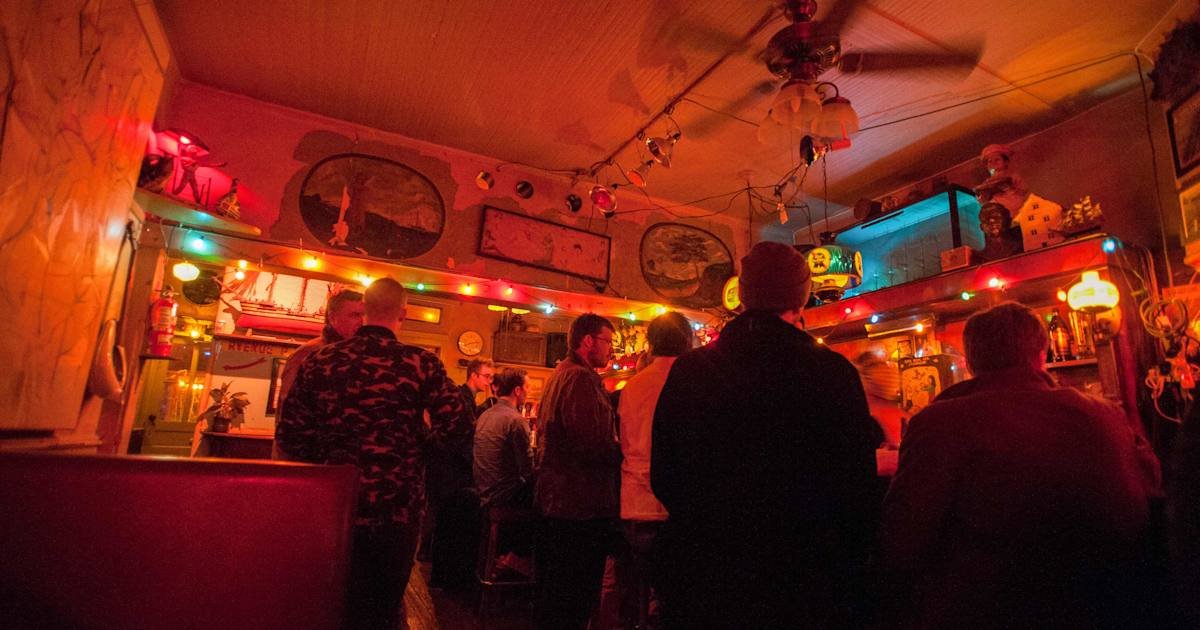
Laid-back environment with friendly staff.
Tags
Vibe
Best For
Experience
Format
At the Bar
- Late Night
- Closes by Midnight
Know before you go
Know Before You Go
- Getting there
- 4100 Tejon St, Denver, CO 80211
Planning details
Location
Also consider
Also Consider
- Gaetano's, Notable alternative
- Sunny's, Notable alternative
- Semiprecious, Notable alternative
- Queensberry Coffee, Notable alternative
- Lady Jane, Notable alternative
Bar context
How It Compares
Choose Nozomi when ease matters. Against Gaetano's and Lady Jane, it reads as the lower-pressure option for a casual two-person plan, especially when the night needs to be simple rather than scene-driven. The tradeoff is that those peers have clearer category identities for diners who want the venue itself to define the evening.
Sunny's and Queensberry Coffee are better cross-shops for daytime or lighter plans, while Nozomi works better when the goal is an evening meal window. If the date needs a sharper drinks-led feel, Semiprecious is the cleaner comparison. If the priority is an easy return visit without turning the night into a project, Nozomi is the more practical call.
Around this place
Discover more on Pearl
Unlock the full Nozomi guide in Pearl, including awards, comparisons, FAQs, planning details, and nearby places.
Compare Nozomi
| Venue | Location | Awards |
|---|---|---|
| Nozomi | Denver | No published awards |
| Gaetano's | Denver | No published awards |
| Sunny's | Denver | No published awards |
| Semiprecious | Denver | No published awards |
| Queensberry Coffee | Denver | No published awards |
| Lady Jane | Denver | No published awards |
How Nozomi Denver compares with similar nearby venues.
FAQ
Frequently Asked Questions
What's the best time to go to Nozomi?
Nozomi is open 4:30–9:30 PM Monday through Thursday in Denver. Friday through Sunday, it is open 12–9:30 PM, giving you both midday and evening options.
Does Nozomi have outdoor seating?
Use the Denver location and hours as the reliable facts here, not an assumption about seating. If outdoor seating matters for your plan, check directly before choosing it for a dinner slot on Monday through Thursday or a midday visit from Friday through Sunday.
Does Nozomi have happy hour deals?
Happy hour details are not part of the profile. The firm details here are the Denver location, casual dress code, and daily hours, so check directly if deals are important to your plan.
Is the food good at Nozomi?
Consider Nozomi when the hours and casual dress code fit your plan; compare it with another option such as Gaetano's if you want a different kind of night.
Is Nozomi good for a date?
It may work for a low-pressure plan shaped mainly by hours and casual dress. Nozomi opens at 4:30 PM Monday through Thursday and at 12 PM Friday through Sunday, which gives you several timing options.