La Bouche
City Park West, Denver
Bar in Denver, United States
 Book with Pearl
The Read
Price
$30–50per person
Why go
La Bouche is a sensible Denver date-night pick when the goal is an easy, conversation-friendly stop rather than a high-commitment destination. Use it for a two-person evening or as part of a wider night out; choose a more defined peer if you need a specific food, cocktail, or entertainment hook.
About La Bouche
La Bouche is a Denver venue open Tuesday through Saturday from 4–10 PM, Sunday from 12–6 PM, and closed Monday. The listed dress code is smart casual. Beyond those basics, details about cuisine, signature dishes, drinks, pricing, seating, service format, or awards are not available.
That makes the practical read direct. Use La Bouche when the hours and smart-casual dress code fit your Denver plans, but confirm any menu, reservation, group, or service details directly before building an evening around it. For broader planning, compare it with our full Denver restaurants guide or scan our full Denver bars guide.
Better for a simple Denver plan than an over-specified itinerary
La Bouche is easiest to evaluate based on its evening hours Tuesday through Saturday, daytime-to-early-evening hours on Sunday, Monday closure, and a smart-casual dress code. These details can help you decide whether it fits the timing and tone of your outing.
Details such as a particular chef, dish, beverage program, menu format, price point, seating setup, or award history are not available for La Bouche. If any of those details are important to your decision, check with the venue before you go.
Use it as part of a Denver night, not the whole itinerary
The safest way to plan around La Bouche is to treat it as one Denver option with available details limited to hours and dress code. If you are coordinating a larger trip, use our full Denver hotels guide for lodging context; for other dining or nightlife ideas, continue comparing Denver options generically rather than assuming a specific format here.
Verdict: keep La Bouche on the list when its Denver location, smart-casual dress code, and posted hours match your plans. Do not rely on assumptions about menu, drinks, group fit, pricing, or accolades without checking directly.
Planning details
- Location
- 1100 E 17th Ave, Denver, CO 80218
- Reservations
- Book on the venue's website
- Website
- labouche.wine
- Phone
- +1 303 830 3967
The take
The Take
The Vibe
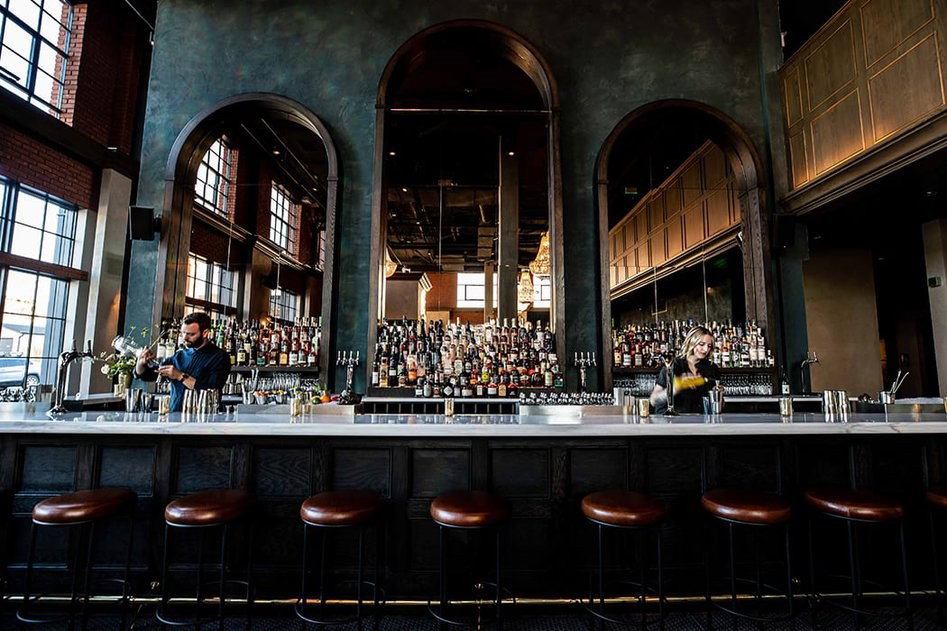
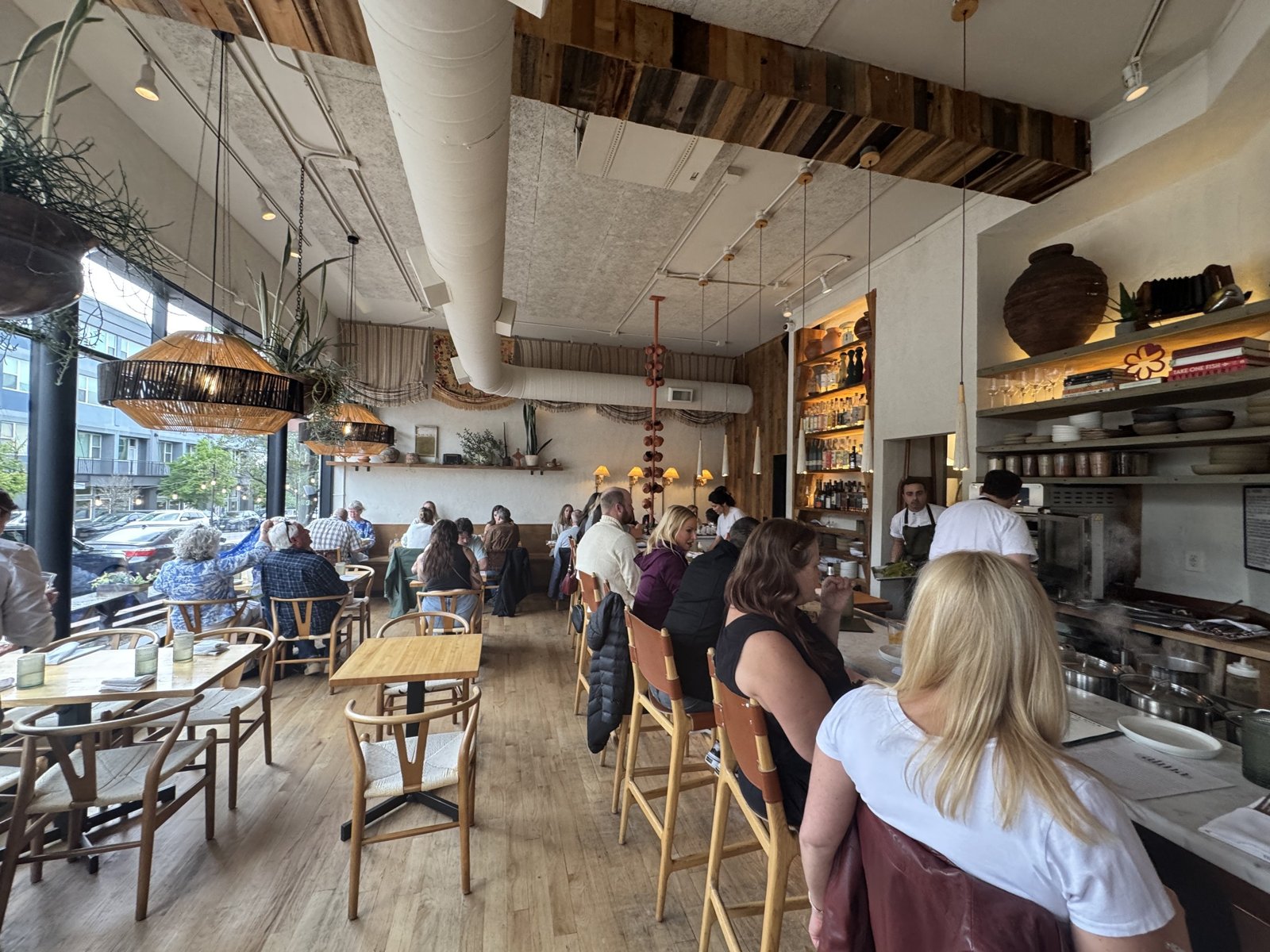
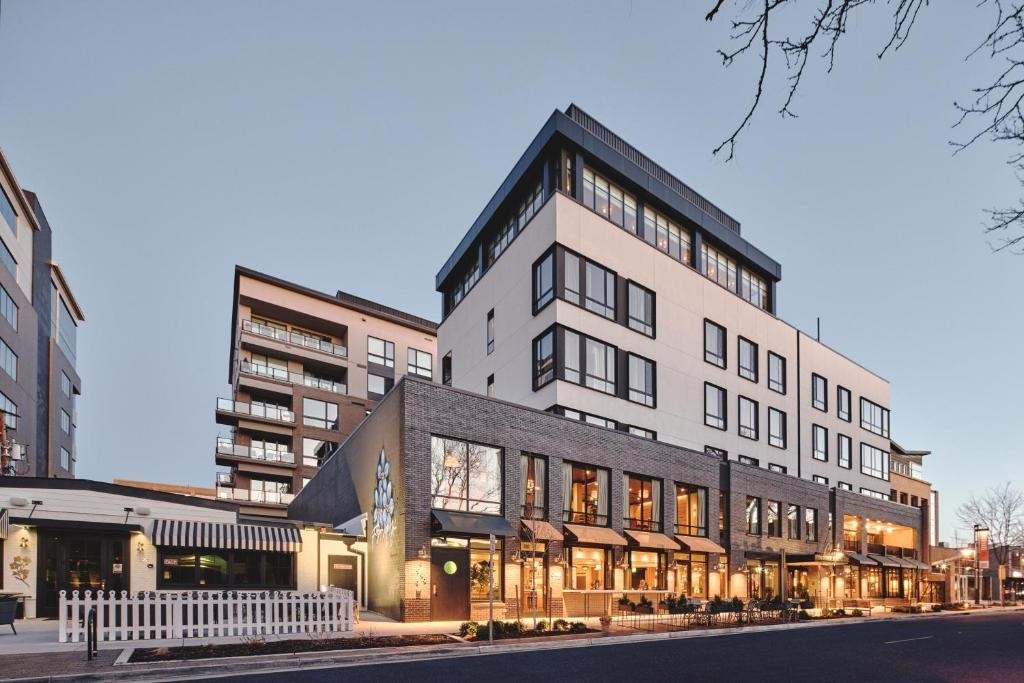
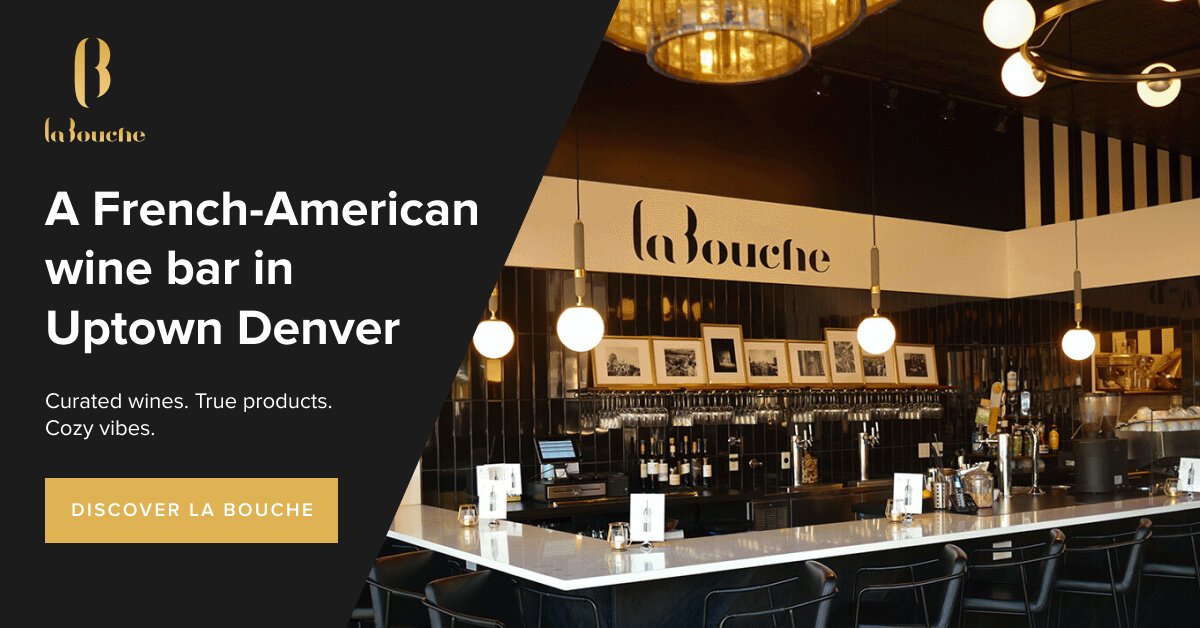
La Bouche places a French-brasserie sensibility into Uptown Denver’s walkable, pedestrian-lined strip, trading white-tablecloth formality for a room that hums. The footprint is modest and the interiors emphasize bar seating and communal flow, with windows that look out onto street life. That combination gives the place a lively, approachable energy: it feels rooted in classic brasserie bones but wears them in a distinctly local, less formal register. Service skews attentive rather than stuffy, and the overall tone is one of conviviality—a small plates room built for sharing, conversation and steady drink service.
Best For
La Bouche works best as an evening destination for people who want small plates and serious drinks in a lively Uptown setting. The French-influenced menu and bar-focused room reward shared ordering and a social pace, so it suits paired dining and small groups who enjoy grazing rather than a multi-course tasting ritual. Its street-level presence and energetic dining room make it a natural stop for nights out in the neighbourhood where the emphasis is on conviviality and craft-forward drinking alongside carefully considered plates.
Ordering Tips
Lean into La Bouche’s small-plates format and plan to order several dishes to share rather than a single entrée. If you prefer to be in the thick of the action, bar seats are emphasized and typically put you closer to the flow of service. Expect attentive, not overly formal pacing—service is responsive but calibrated to a social, communal dining rhythm. Because the room favors bar seating and communal flow over private tables, large groups should be prepared to split across the space or arrive with that arrangement in mind.
Venue details
Ambiance
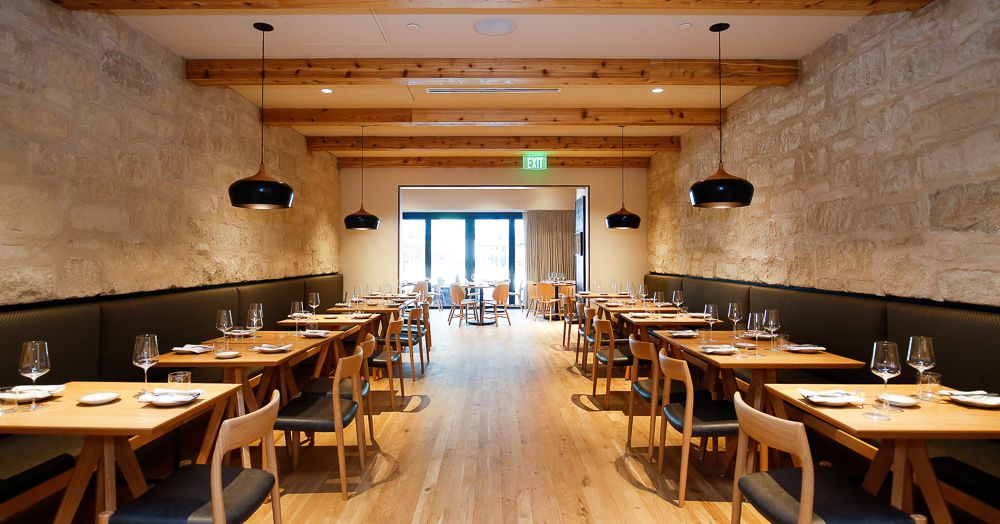
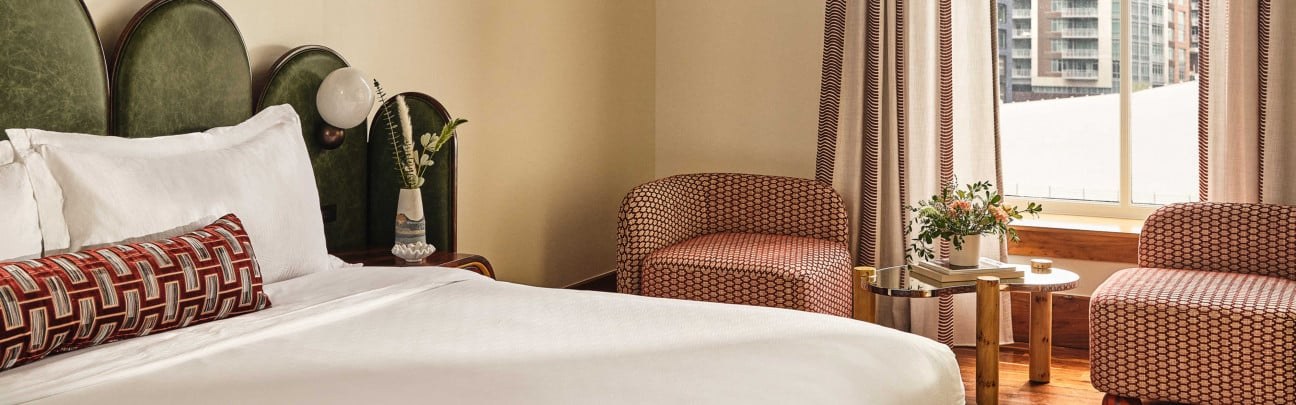
Chic and transportive with Breton stripe wallpaper, white marble, black and white framed photos, airy and beautiful with personal service touch.
Tags
Vibe
Best For
Experience
Format
At the Bar
- Bar Category
- Wine Bar
- Late Night
- Closes by 10pm
- Music
- Ambient
Know before you go
Know Before You Go
- Getting there
- 1100 E 17th Ave, Denver, CO 80218
Planning details
Location
1100 E 17th Ave, Denver, CO 80218 · Directions
Also consider
Also Consider
- White Pie, Notable alternative
- Onefold, Notable alternative
- The 1up Arcade Bar - Colfax, Notable alternative
- Retrograde, Notable alternative
- City O' City, Notable alternative
Bar context
How La Bouche compares in Denver
Choose La Bouche when ease and conversation matter more than a defined concept. White Pie is the cleaner pick when the night needs a pizza-led meal, while Onefold is better for a food-first plan earlier in the day. La Bouche sits in the simpler date-night lane: less destination-driven, but also less demanding.
For energy, The 1up Arcade Bar - Colfax is the opposite choice: louder, more activity-led, and better for groups that want games over conversation. Retrograde is the stronger cross-shop for cocktail-seekers who want a more intentional bar experience. If the brief is a relaxed two-person stop, La Bouche is easier to slot into the night.
City O' City is the more useful pick for a casual group or plant-forward meal plan, especially when food flexibility matters. La Bouche is the better call when the evening is smaller, looser, and more date-oriented than dinner-driven.
Around this place
Discover more on Pearl
Unlock the full La Bouche guide in Pearl, including awards, comparisons, FAQs, planning details, and nearby places.
Compare La Bouche
| Venue | Location | Awards |
|---|---|---|
| La Bouche | Denver | No published awards |
| White Pie | Denver | No published awards |
| Onefold | Denver | No published awards |
| The 1up Arcade Bar - Colfax | Denver | No published awards |
| Retrograde | Denver | No published awards |
| City O' City | Denver | No published awards |
How La Bouche Denver compares with similar nearby venues.
FAQ
Frequently Asked Questions
What's the crowd like at La Bouche?
Details about the crowd at La Bouche are not available. It is in Denver, follows a smart-casual dress code, opens Tuesday through Saturday from 4–10 PM, opens Sunday from 12–6 PM, and is closed Monday.
Is La Bouche open late?
La Bouche is open until 10 PM Tuesday through Saturday and until 6 PM on Sunday. It is closed Monday.
Is La Bouche good for groups?
Details about group fit are not available. If you are planning for a group, confirm directly with La Bouche before you go; you can also compare other Denver options such as White Pie or City O' City depending on your plans.
Does La Bouche have happy hour deals?
Happy hour details are not available. Plan around the posted hours only, and check directly with La Bouche if deals are important to your visit. You can also compare other options such as Retrograde while planning a Denver outing.