Gaetano's
Highland, Denver
Bar in Denver, United States
 Book with Pearl
The Read
Price
$30–50per person
Why go
Gaetano's is a practical Denver pick when you want a relaxed neighborhood meal more than a trophy reservation. It makes sense for casual dinners, catch-ups, and flexible group plans, but diners looking for published awards, chef-led detail, or a clearly defined tasting format should compare it against more specific Denver options first.
About Gaetano's
Gaetano's is a Denver venue with casual dress and posted hours that cover dinner throughout the week, plus midday windows on Tuesday through Friday and weekend midday windows. It is best framed as a practical Denver option.
Use the basics to decide whether it fits your plan: the dress code is casual, and the schedule is broader than a dinner-only listing. For cuisine, signature dishes, price tier, seating, reservations, takeout, delivery, or dietary accommodations, check directly with the venue before planning around those details.
Come for a casual Denver stop, not a trophy booking
Gaetano's works well in this guide as an easy Denver choice when the group wants a casual setting and a direct schedule to work. That matters for expectations: the honest recommendation is to treat it as a practical option rather than a destination meal.
If you are building a broader shortlist, compare the mood and logistics against other named options such as Bar Dough, Williams & Graham, Lady Jane, Nozomi, or Queensberry Coffee. Those comparisons can help you decide whether Gaetano's is the right anchor for the plan, or whether another option better fits the occasion.
Who should put it on the Denver shortlist
Choose this when casual dress, Denver location, and flexible posted hours matter more than a deeply documented culinary brief. It is a weaker fit for diners choosing strictly on accolades, a specific chef, a tasting format, or detailed menu information. If that level of detail drives the decision, use Our full Denver restaurants guide and compare it against more explicitly defined options.
Build the rest of the plan around the kind of night you want. For bars before or after, start with Our full Denver bars guide. If visitors are pairing a meal with a wider itinerary, Our full Denver hotels guide can help sort the stay without making dinner the only decision.
For readers comparing across cities rather than only Denver, keep the focus on the basics: Gaetano's has casual dress and posted Denver hours. For menu, pricing, awards, or service style, check directly before making those details central to the plan.
Planning details
- Location
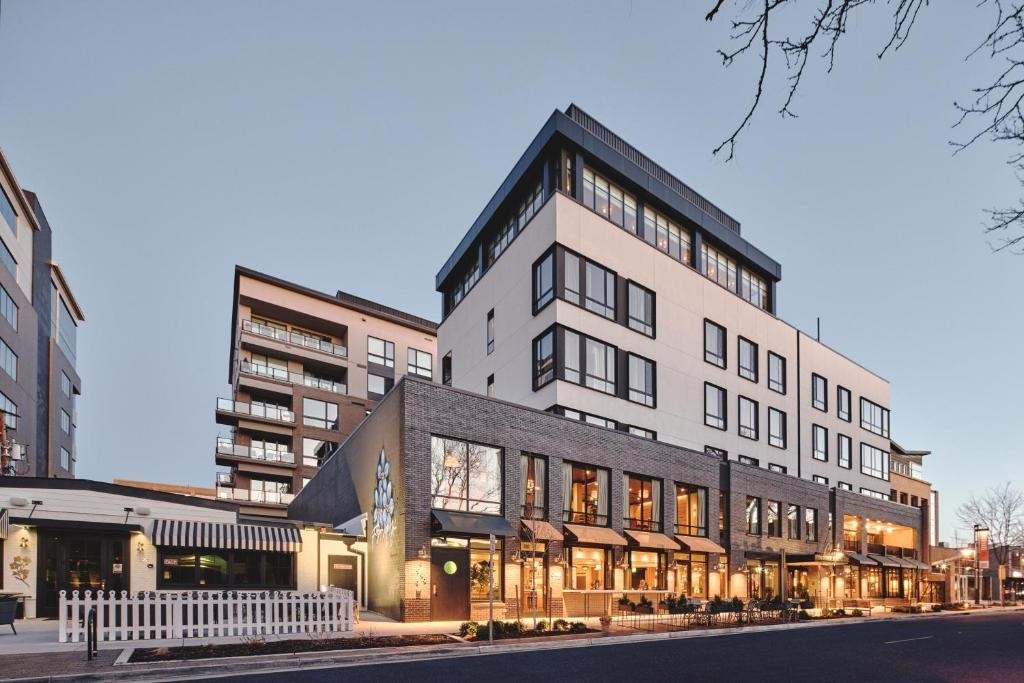
- 3760 Tejon St, Denver, CO 80211
- Reservations
- Book on OpenTable
- Website
- gaetanositalian.com
- Phone
- +1 303 455 9852
The take
The Take
The Vibe
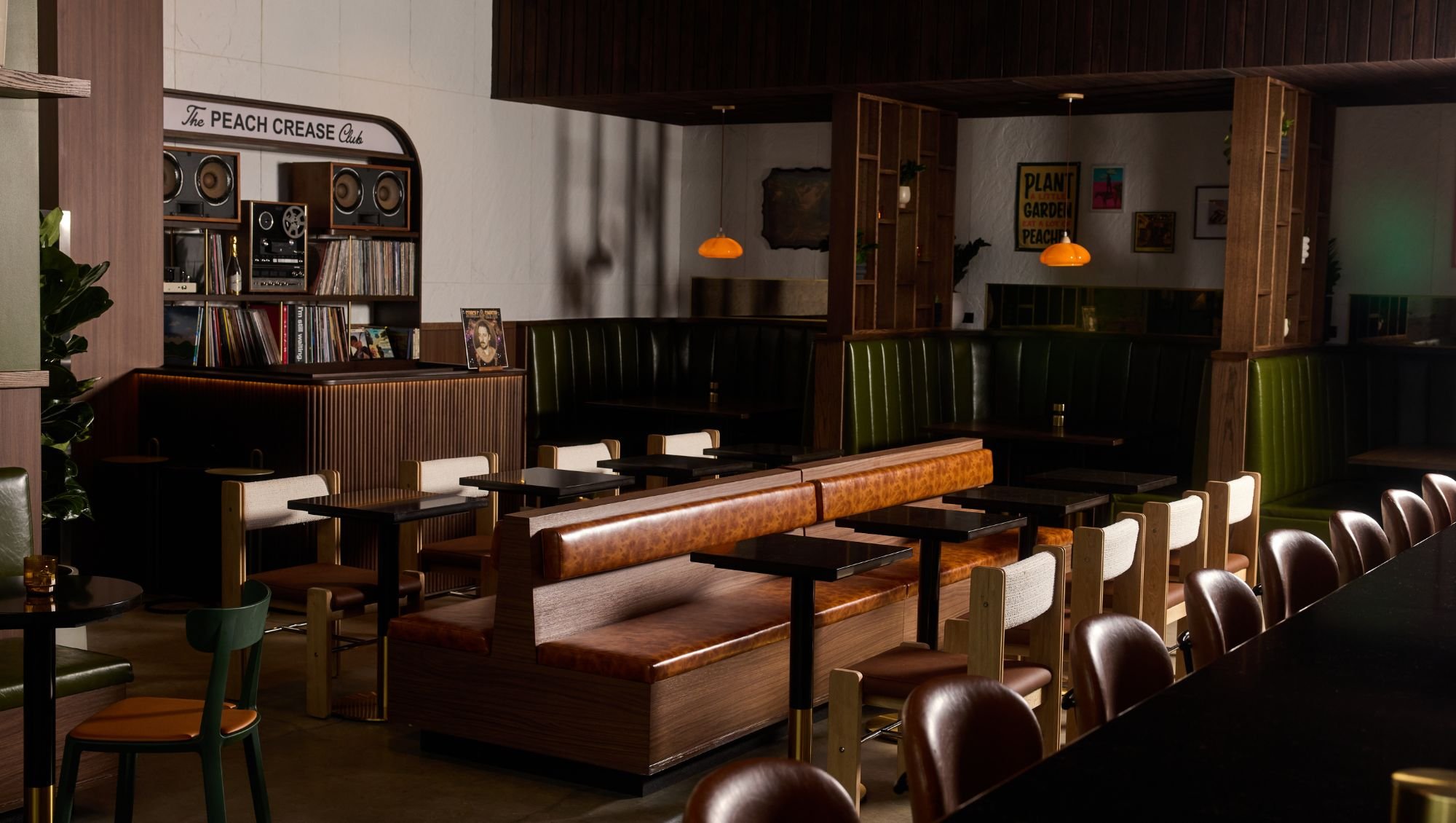
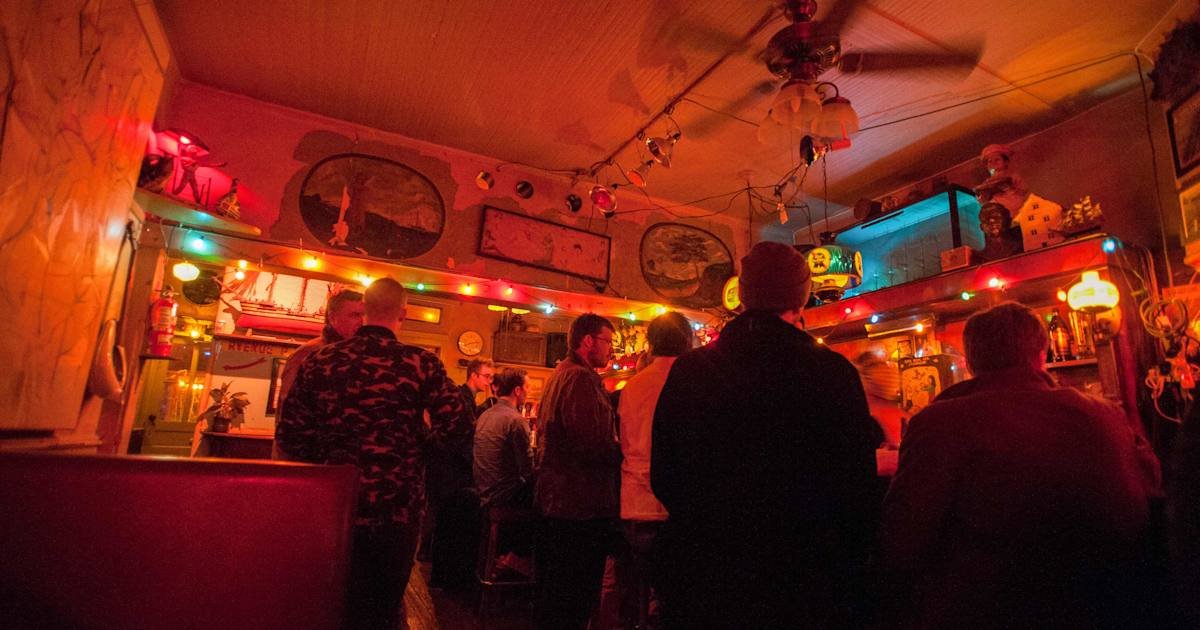
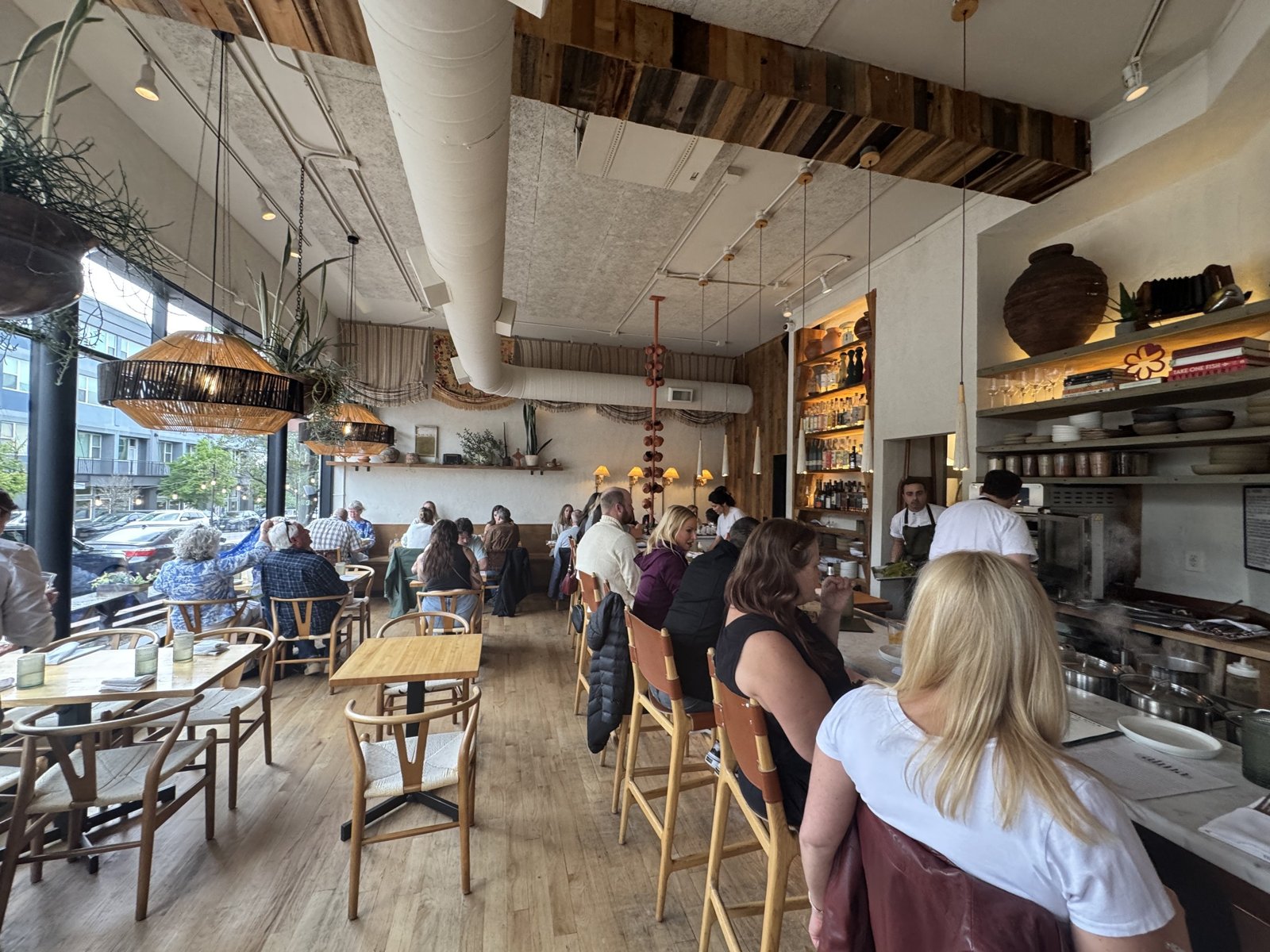
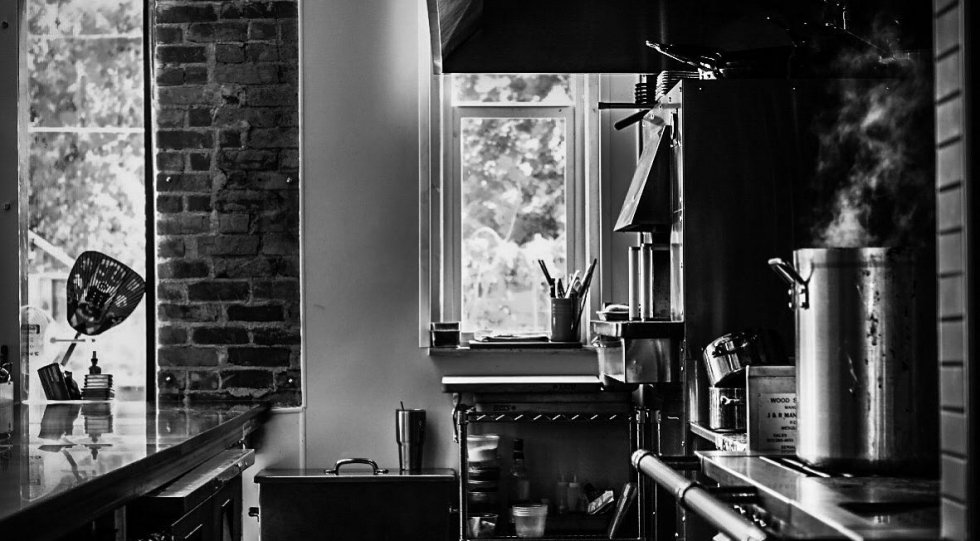
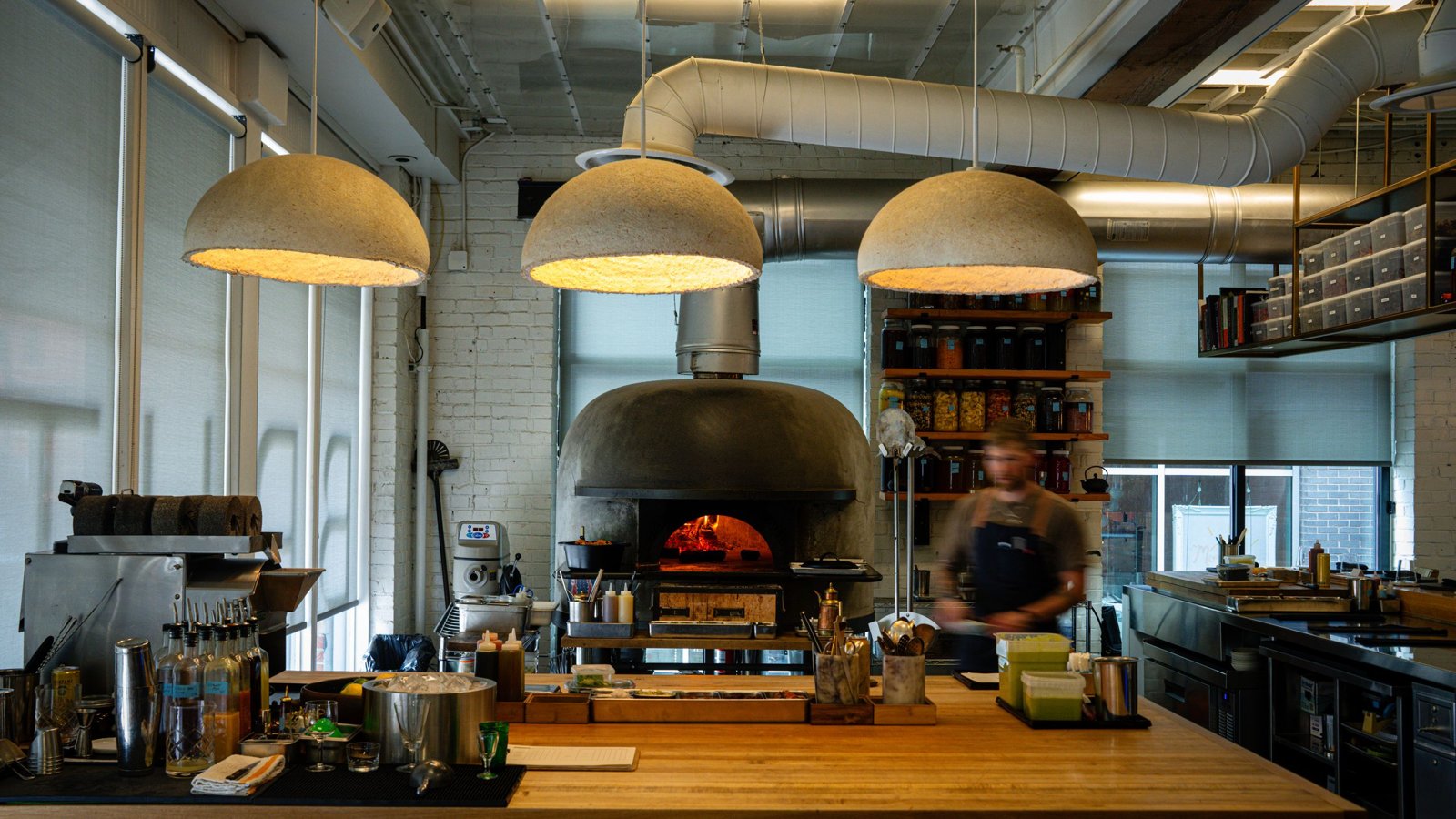
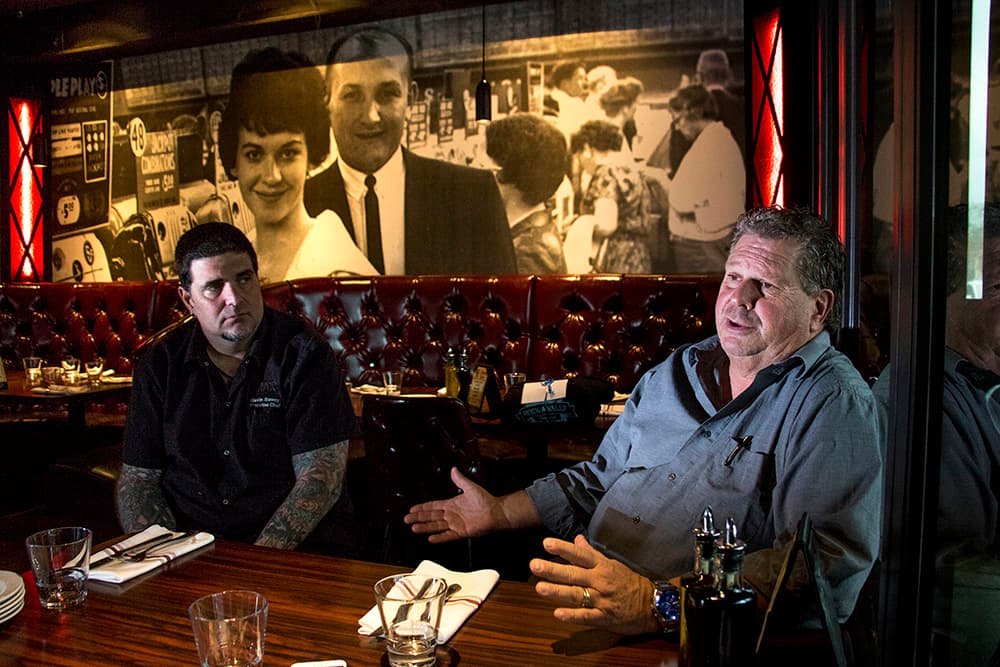
Gaetano’s reads like a neighborhood room that time and regulars have shaped rather than a place curated by trend-driven design. The space is dimly lit and worn in the best way — a bar and kitchen that coexist without pretense. Drinks are functional, the service unshowy, and the rhythm of the room comes from years of actual use rather than stagecraft. That combination gives it an intimate, lived-in feel: comfortable for conversation, low on artifice, and quietly confident about its roots as an old school Italian‑American corner spot in LoHi.
Best For
This is a dinner-first neighborhood bar where bottles and plates share equal billing. It’s a natural pick for a relaxed date night, an after‑work stop for straightforward drinks, or a small group outing that wants hearty, classic fare with no cocktail theater. The room’s low light and familiar, used-in quality make it suited to evenings rather than daytime coffee runs — people come to settle in, trade stories over pasta and wine, and move seamlessly between courses and drinks without fuss.
Ordering Tips
Let food steer your choices: the bar’s logic is built around red‑sauce anchor dishes and substantial plates of pasta, so consider ordering a hearty pasta or a red‑sauce classic and sharing. A bottle of house red is presented as consequential rather than incidental, and the copy explicitly notes amaro as a sensible follow-up “after a heavy plate.” In short, treat drinks and food as partners: pick a bold dinner dish, open a bottle to share, and finish with a digestif if you’re lingering.
Venue details
Ambiance
Dark, smokey atmosphere with mirrors and confessional-style bathrooms evoking Prohibition-era aesthetics and the venue's celebrated mobster past.
Tags
Vibe
Best For
Experience
Format
At the Bar
- Bar Category
- Cocktail Bar
- Late Night
- Closes by Midnight
- Music
- Jazz and Classic Standards (frank Sinatra Performances)
- Live Music
- Yes
- Spirits Focus
- Gin, Brandy
Signature Pours
- Negroni
- Homemade Limoncello Cocktail
Know before you go
Know Before You Go
- Getting there
- 3760 Tejon St, Denver, CO 80211
Planning details
Location
Also consider
Also Consider
- Nozomi, Notable alternative
- Lady Jane, Notable alternative
- Queensberry Coffee, Notable alternative
- Williams & Graham, Notable alternative
- Bar Dough, Notable alternative
Bar context
Against Bar Dough, Gaetano's reads as the easier, lower-pressure choice. Bar Dough is the stronger call when the meal needs a sharper Italian-restaurant brief; Gaetano's is better when the priority is a casual Northside dinner that does not require building the whole night around the booking.
For drinks-led plans, Williams & Graham, Lady Jane, and Nozomi are cleaner fits. Choose those when ambiance, cocktails, and bar pacing matter more than a sit-down neighborhood meal. Gaetano's works better when the group wants dinner first and a simpler room dynamic.
Queensberry Coffee is not a direct dinner substitute; use it for a daytime plan or a lighter stop. If Gaetano's is not available or the occasion needs a more defined experience, Bar Dough is the closest cross-shop for food, while Williams & Graham is the better pivot for a drinks-focused night.
Around this place
Discover more on Pearl
Unlock the full Gaetano's guide in Pearl, including awards, comparisons, FAQs, planning details, and nearby places.
Compare Gaetano's
| Venue | Location | Awards |
|---|---|---|
| Gaetano's | Denver | No published awards |
| Nozomi | Denver | No published awards |
| Lady Jane | Denver | No published awards |
| Queensberry Coffee | Denver | No published awards |
| Williams & Graham | Denver | Top 500 Bars 2026 · #3522014 World's 50 Best Bars · #50 |
| Bar Dough | Denver | No published awards |


How Gaetano's Denver compares with similar nearby venues.
FAQ
Frequently Asked Questions
Is the food good at Gaetano's?
Gaetano's may fit if you want a casual Denver meal. For cuisine, signature dishes, chef, pricing, or awards, check directly with the venue; use it as a practical option rather than a trophy booking.
What's the crowd like at Gaetano's?
The dress code is casual, so it is reasonable to plan for a low-formality visit.
Is Gaetano's good for groups?
It can be considered for a casual Denver plan, especially because the posted hours give several midday and dinner windows across the week. For seating capacity or private-dining arrangements, check directly with the venue.
Do I need a reservation at Gaetano's?
Is Gaetano's good for a date?
It may work for a casual date in Denver if you want a low-formality setting. If you need a tasting format, price tier, or detailed menu information, check directly with the venue before booking.
What's the best time to go to Gaetano's?
Use the posted hours to plan: Monday 4:30–9 PM; Tuesday through Thursday 11:30 AM–9 PM; Friday 11:30 AM–10 PM; Saturday 11 AM–3 PM and 5–10 PM; Sunday 11 AM–3 PM and 5–9 PM.