Neighborhood Cellar
Bishop Arts District, Dallas
Bar in Dallas, United States
 Book with Pearl
Why go
Neighborhood Cellar is worth choosing for an easy Davis Street wine stop, especially when the plan calls for conversation rather than a loud night out. It is a better fit for casual dates, weekday catch-ups, and flexible small groups than for a formal dinner or special-occasion reservation.
About Neighborhood Cellar
Is Neighborhood Cellar worth planning around in Dallas right now? It can be, if the goal is a casual Dallas stop with straightforward daily hours. The basics are simple: Neighborhood Cellar is in Dallas, the dress code is casual, and it is open daily, with 1–9 PM hours Monday through Saturday and 1–6 PM on Sunday.
A casual Dallas stop
Neighborhood Cellar is a Dallas venue with a casual dress code and consistent afternoon-to-evening hours across the week. That makes it easier to consider for a low-pressure plan than for a visit that depends on a specific menu, price tier, service format, or special-occasion structure.
For plans that depend on a chef, cuisine, tasting-menu format, awards history, price tier, seat count, or reservation difficulty, confirm directly before going. The safer expectation is a direct casual visit where the decision is more about timing, convenience, and fit for the group than a destination meal with a documented format.
Who should consider Neighborhood Cellar
Choose Neighborhood Cellar when its Dallas location, casual dress code, and daily afternoon-to-evening schedule fit the plan. If you are comparing other options, Revelers Hall, The Wild Detectives, Paradiso, and Zen Sushi in the Bishop Arts are other names to consider depending on what the rest of the group wants.
The most useful planning detail is the schedule: Monday through Saturday, Neighborhood Cellar is open 1–9 PM; on Sunday, it is open 1–6 PM. For any plan that depends on specific seating, menu, pricing, accessibility, or group accommodations, confirm directly before going.
For wider planning, use Our full Dallas bars guide, Our full Dallas restaurants guide, Our full Dallas hotels guide, Our full Dallas wineries guide, and Our full Dallas experiences guide to build the rest of the night around it.
Planning details
- Location
- 246 W Davis St, Dallas, TX 75208
- Website
- neighborhoodcellar.com
- Phone
- +1 214 377 7059
The take
The Take
The Vibe
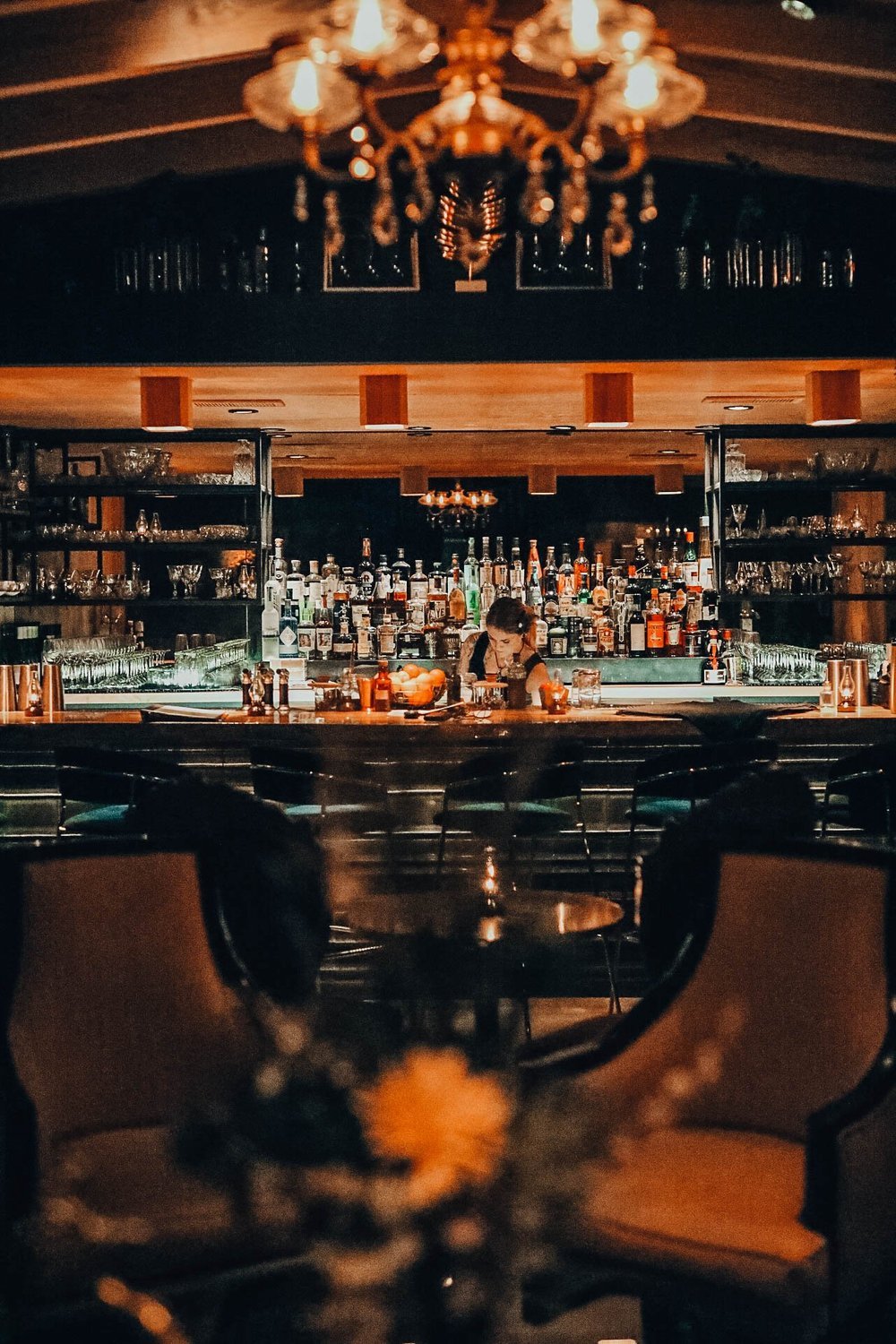
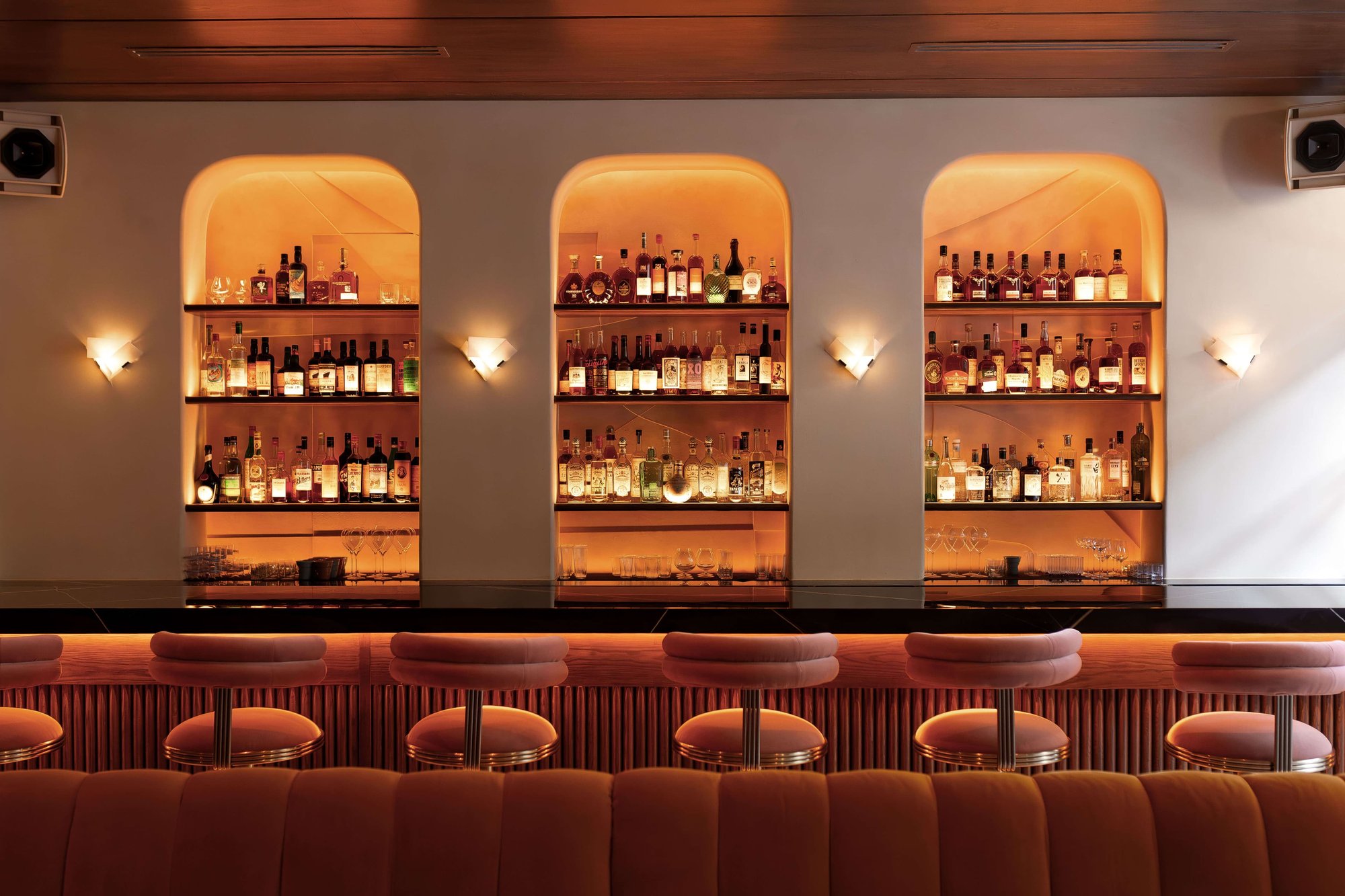
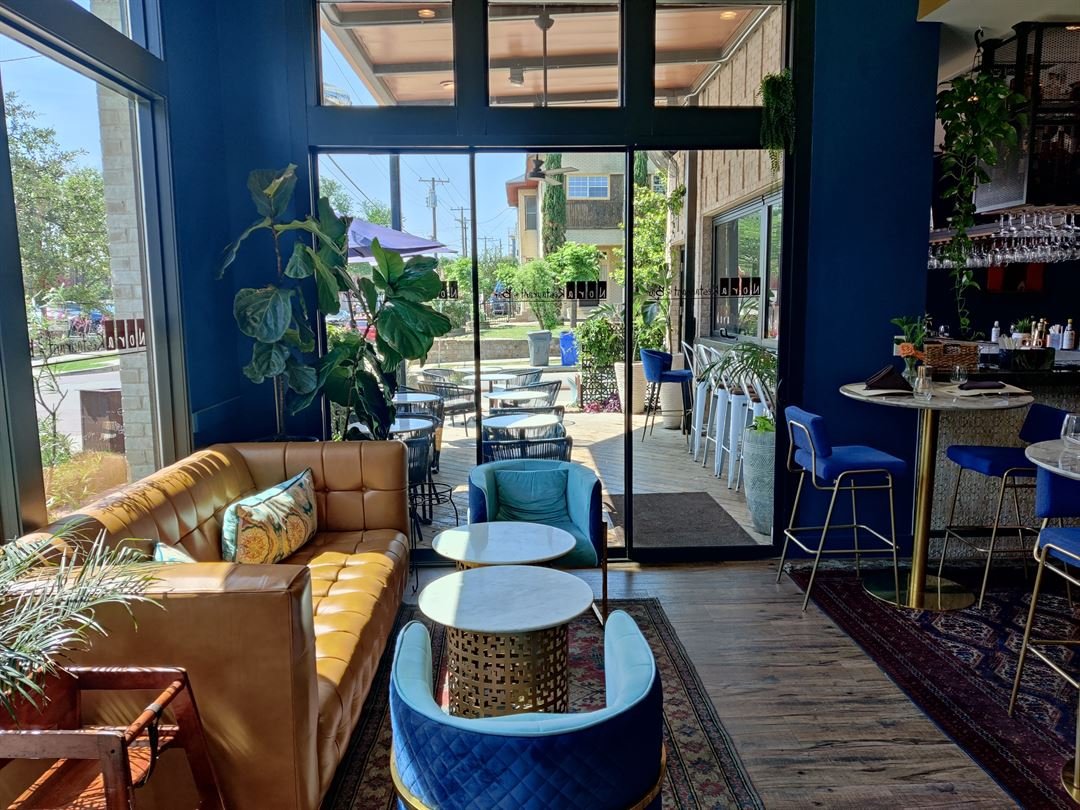
Neighborhood Cellar reads like a true community wine bar: embedded in a walkable commercial strip, low on spectacle and high on neighbourhood utility. The writing emphasizes owner-operated storefronts and foot traffic that skews local, so the room shapes itself around regulars and convivial familiarity rather than theatrical presentation. Expect an unpretentious, relaxed tone where the list and service reflect local tastes more than trend-chasing. It’s the sort of place that rewards repeat visits and quiet appreciation—not a destination for big parties, but a dependable stop for measured, convivial evenings.
Best For
This spot plays well for low-key evenings and quick stops after work. Because it sits on a walkable retail block with a heavy local presence, it’s suited to solo visits, casual catch-ups with a friend, or a relaxed date night—situations that benefit from a neighbours-first wine list and a conversational room. It’s less a destination for grand celebrations and more a steady neighbourhood anchor: drop by to unwind, meet familiar faces, and let the staff’s local focus guide the experience.
Ordering Tips
Treat Neighborhood Cellar like a neighbourhood resource: plan for walk-ins and spontaneous visits rather than formal reservations. The description highlights foot traffic and a bar-to-restaurant ratio that rewards browsing on foot, so arriving early or popping in while exploring West Davis increases your chances of finding a seat. Lean on the staff for recommendations—lists here are shaped by regulars—and expect a selection aimed at local taste rather than headline-making rarities.
Venue details
Ambiance
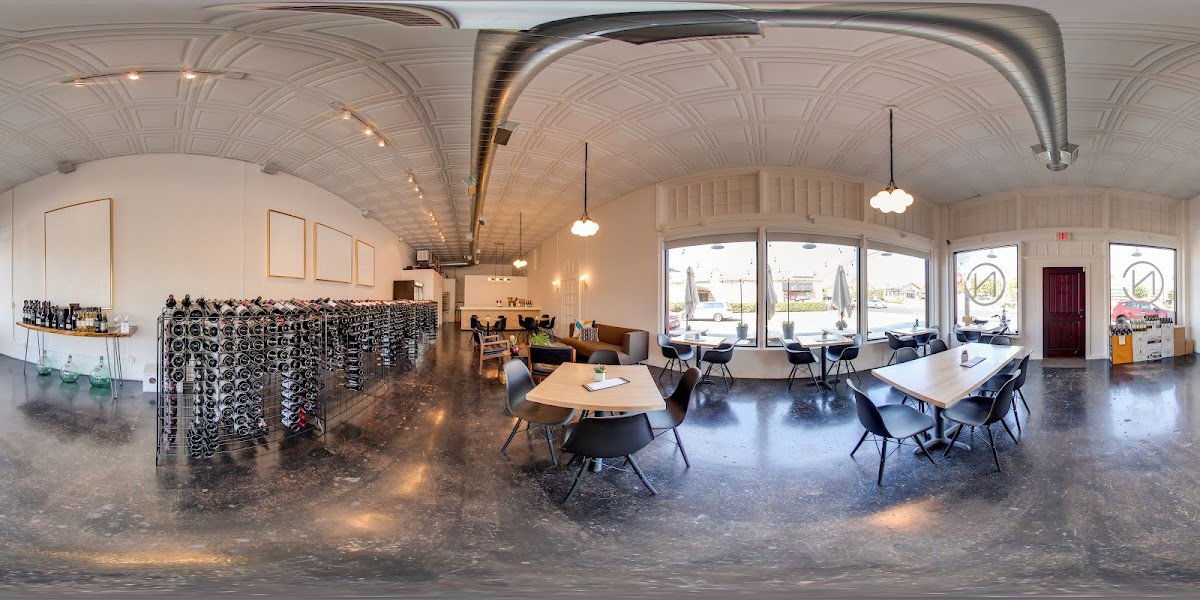
Cozy atmosphere with stark white walls replacing previous murals.
Tags
Vibe
Best For
Experience
Format
At the Bar
- Bar Category
- Wine Bar
- Late Night
- Closes by Midnight
Know before you go
Know Before You Go
- Getting there
- 246 W Davis St, Dallas, TX 75208
Planning details
Location
Also consider
Also Consider
- Zen Sushi in the Bishop Arts, Notable alternative
- The Wild Detectives, Notable alternative
- Revelers Hall, Notable alternative
- Paradiso, Notable alternative
- Ampelos Wines, Notable alternative
Bar context
How It Compares
Among nearby Dallas options, Neighborhood Cellar is the easier, lower-pressure wine choice. Zen Sushi in the Bishop Arts is the better pick when food is the point of the night, while this is more useful when the group wants a glass before or after dinner without committing to a full meal.
The Wild Detectives has the stronger café-bar identity and works better for daytime lingering or a literary crowd. Revelers Hall is the move for music and higher energy, but it is a weaker choice for a quiet catch-up. Neighborhood Cellar is the safer call when conversation is the priority.
For a more styled night, Paradiso should win; for another wine-focused alternative, Ampelos Wines is the clearest cross-shop. The practical edge here is ease: if the group wants minimal planning and a Davis Street location, Neighborhood Cellar is the simplest bet.
Around this place
Discover more on Pearl
Unlock the full Neighborhood Cellar guide in Pearl, including awards, comparisons, FAQs, planning details, and nearby places.
Compare Neighborhood Cellar
| Venue | Location | Awards |
|---|---|---|
| Neighborhood Cellar | Dallas | No published awards |
| Zen Sushi in the Bishop Arts | Dallas | No published awards |
| The Wild Detectives | Dallas | No published awards |
| Revelers Hall | Dallas | No published awards |
| Paradiso | Dallas | 2026 Europe's 50 Best Bars · #9The 50 Best Bars 2026 — 1–50 · #172026 Falstaff Bar GuideTales Spirited Awards 2026 - World’s Best Cocktail Menu presented by Australian Bitters Co. - World’s Best Cocktail Menu presented by Australian Bitters Co. (Top 10 Nominee)Tales Spirited Awards 2026 - Best International Bar Team – Europe - Best International Bar Team – Europe (Regional Top 10 Honoree)2026 Pinnacle Guide2026 OAD Casual in Europe RecommendedThe 50 Best Bars 2026 — Special AwardsTop 500 Bars 2025 · #2 |
| Ampelos Wines | Dallas | No published awards |







How Neighborhood Cellar Dallas compares with similar nearby venues.
FAQ
Frequently Asked Questions
Does Neighborhood Cellar have happy hour deals?
The hours are Monday through Saturday from 1–9 PM and Sunday from 1–6 PM; if discounts or specials matter, confirm directly before going.
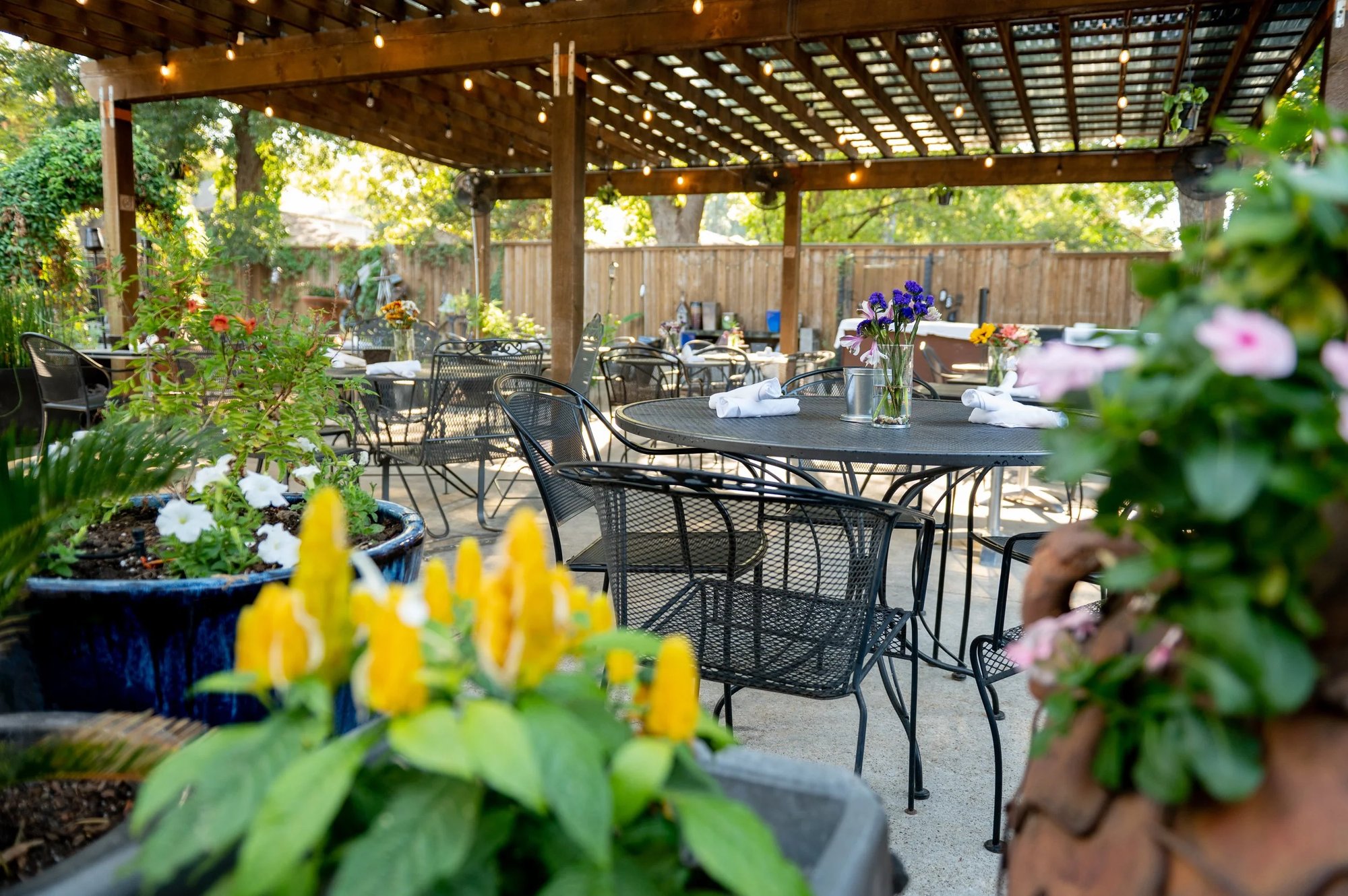
Does Neighborhood Cellar have outdoor seating?
What is Neighborhood Cellar known for?
Neighborhood Cellar is a Dallas venue with a casual dress code and daily hours. For specifics such as menu format, price tier, awards, and service style, confirm directly before going.
Where is Neighborhood Cellar located?
Neighborhood Cellar is located in Dallas.