
Bar in Dallas, United States
Avanti Restaurant
100ptsMcKinney Avenue Italian
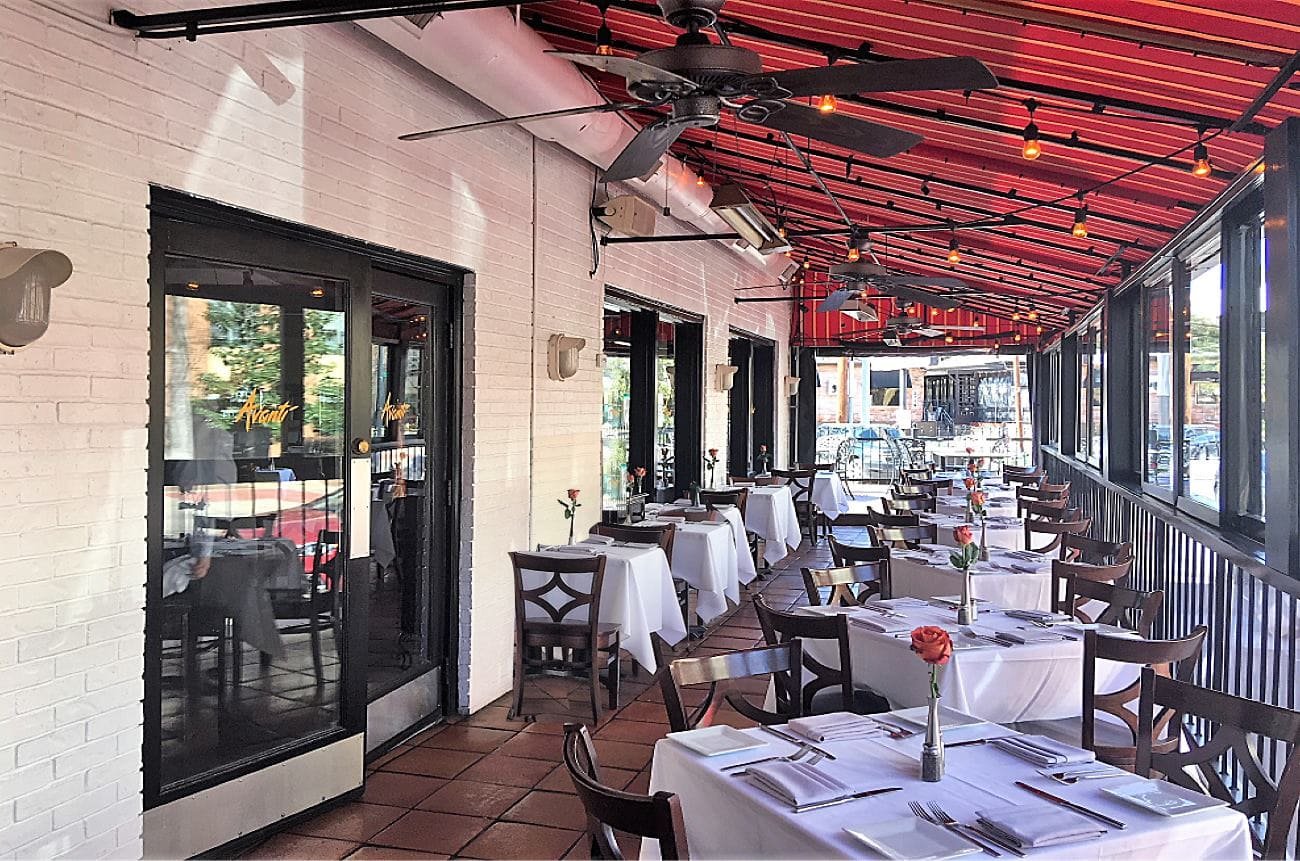
About Avanti Restaurant
On McKinney Avenue, one of Dallas's most active dining corridors, Avanti Restaurant occupies a space that rewards attention to its physical environment as much as its menu. The address places it within easy reach of Uptown's concentrated bar and restaurant scene, where Italian-adjacent concepts have found a durable foothold among a clientele that expects both design and substance.
McKinney Avenue and the Architecture of Arrival
McKinney Avenue in Dallas's Uptown district operates as a sustained commercial strip where the physical presentation of a restaurant does considerable work before a single plate arrives. The avenue has, over the past decade, become a proving ground for concepts that need to hold their own against high foot traffic and a diner base with options on every block. In that context, how a space is built, how it feels from the threshold, and how it organizes the relationship between the room and its guests carries genuine competitive weight. Avanti Restaurant, at 2720 McKinney Ave, sits within that dynamic and is worth reading through that lens first.
The address itself signals something about positioning. McKinney Ave corridors attract a mix of after-work professionals and weekend diners who move fluidly between bars, restaurants, and wine-focused stops. Nearby operators like Alcove Wine Bar and Ampelos Wines have demonstrated that Dallas's Uptown crowd sustains a preference for spaces where the drink program and the room design carry equal editorial weight to the kitchen. Avanti enters that conversation as an Italian-named concept on a block where name and interior coherence tend to set expectations early.
The Room as Editorial Statement
In American cities where Italian restaurant design has cycled through red-checkered nostalgia, minimalist white-box modernism, and the current era of warm-toned, material-heavy interiors, the physical container of a restaurant functions as positioning before the menu speaks. The move toward aged woods, plaster walls, and curved banquettes that has defined the past several years of Italian-leaning openings in cities like New York and Chicago reflects a broader argument: that the room should feel inhabited rather than staged. Kumiko in Chicago is one benchmark for how design discipline and program coherence can operate together in a single space; on the West Coast, ABV in San Francisco has demonstrated that a carefully considered interior can anchor a drinks-forward identity over years of operation.
For Avanti on McKinney, the name carries Italian lineage into a Dallas market where that category has diversified considerably. The question any Italian-named concept in this district has to answer through its physical space is whether it is operating as a casual neighborhood trattoria, a modern osteria with a serious wine list, or a full-service dining room with aspirations toward the city's upper-middle tier. Each of those positions implies different choices about seating density, lighting temperature, bar placement, and the relationship between the front-of-house flow and the kitchen's visibility. These are not decorative decisions; they determine who comes, how long they stay, and what they spend.
Uptown Dallas: The Competitive Frame
Dallas's Uptown has a well-established pattern of Italian and Italian-adjacent restaurants operating in close proximity, which means that design differentiation and program specificity matter more than they might in a less saturated neighborhood. The area's dining corridor functions differently from, say, Deep Ellum's bar-heavy late-night economy or the Knox-Henderson stretch, where independent chef-driven concepts have clustered in recent years. McKinney Ave draws an earlier crowd, a higher percentage of expense-account dining, and visitors staying in nearby hotels, which shapes what works architecturally: spaces that read as intentional rather than accidental, rooms that communicate that someone made choices.
Concepts like 4525 Cole Ave operate nearby and serve as a reference point for how Uptown Dallas absorbs bar-anchored concepts with clear design identities. Further afield in Texas, Julep in Houston has shown how a strongly articulated interior concept can sustain a loyal following in a competitive Southern city. The bar-forward comparison holds for Avanti insofar as the Italian restaurant category in American cities has increasingly blurred the line between restaurant and bar, with aperitivo culture and amaro-driven drink programs extending the front-bar experience well beyond a pre-dinner holding area.
The Drink Program in Context
Italian restaurant drink programs in the current American market split broadly into two camps: those that treat the wine list as the primary beverage argument, leaning into regional Italian producers and by-the-glass Barolo or Vermentino; and those that build an Aperol-and-Negroni-forward cocktail bar alongside a competent wine list, using the cocktail program to capture the aperitivo hour as a distinct revenue and hospitality moment. The latter approach has proved durable in cities like New Orleans, where Jewel of the South has demonstrated how a historically grounded cocktail identity can anchor a full-service restaurant concept. At the other end of the spectrum, Superbueno in New York City has built a program where the drinks are the primary editorial statement and food plays a supporting role.
For an Italian-named concept on McKinney Ave, the cocktail question is particularly live. Dallas's Uptown crowd has demonstrated a consistent appetite for Aperol spritzes and Negroni variations, which have become something close to default orders at this type of establishment. The more interesting program builds beyond those defaults: a well-sourced amaro list, house-made bitter components, or a vermouth-forward section that signals genuine engagement with Italian drinking culture rather than surface-level theming. How a space positions its bar, whether it is a destination in itself or a throughway to tables, reflects those choices physically as much as any menu description does.
Planning a Visit
Avanti Restaurant sits at 2720 McKinney Ave, Dallas, TX 75204, within Uptown's walkable core. The McKinney Ave strip is accessible by car with nearby street and garage parking, or via the McKinney Avenue Trolley, which runs along the corridor and connects to several parking areas to the south. For visitors using Dallas's broader bar and restaurant scene as context, the full Dallas restaurants guide maps the city's neighborhoods and dining tiers in detail. Nearby, Adair's Saloon represents the area's more casual, music-driven alternative, which gives a useful sense of the spectrum the neighborhood covers. For international comparison, Bar Leather Apron in Honolulu and The Parlour in Frankfurt on the Main offer reference points for how design-led hospitality spaces operate in very different urban contexts, a useful frame for placing Avanti's Uptown positioning in a wider conversation about what a well-considered room can accomplish.
Frequently Asked Questions
- What's the must-try cocktail at Avanti Restaurant?
- The Italian restaurant category in Dallas has increasingly anchored its cocktail programs around Negroni variations and aperitivo-hour formats, and an Italian-named concept on McKinney Ave is likely to have that territory covered. The more telling signal of a serious drink program is what sits beyond those defaults: a house amaro selection, a vermouth-forward build, or a seasonal bitter component. Ask your server what is made in-house or sourced from smaller Italian producers, as those choices tend to reflect genuine program depth rather than category convention.
- Why do people go to Avanti Restaurant?
- McKinney Avenue in Dallas's Uptown draws a consistent crowd of after-work professionals and weekend diners who treat the strip as a multi-stop evening rather than a single destination. An Italian-named concept at this address benefits from that foot traffic pattern and from Dallas's established appetite for Italian and Italian-adjacent dining, a category that has proved durable across price tiers in the city. The combination of a recognizable cuisine framework and a well-trafficked address makes Avanti a natural fit for the area's dining rhythm.
- How far ahead should I plan for Avanti Restaurant?
- McKinney Avenue restaurants vary considerably in booking pressure: high-profile openings and smaller-format concepts can require advance reservations of several weeks, while larger dining rooms on the same strip often accommodate walk-ins on weekday evenings. Without current booking data for Avanti, the practical approach is to check availability two to three weeks ahead for weekend visits and to consider a weekday evening if flexibility allows, which is standard practice for Uptown Dallas dining at the mid-to-upper price tier.
- What distinguishes Avanti Restaurant from other Italian-leaning concepts in Uptown Dallas?
- The Italian restaurant category in Dallas's Uptown has diversified enough that differentiation now turns on specifics: whether a concept leans toward a wine-focused osteria model, a cocktail-forward aperitivo bar, or a full-service dining room with regional Italian kitchen ambitions. Avanti's McKinney Ave address places it in a neighborhood where design coherence and program clarity tend to separate the concepts that build a durable following from those that rely on location alone. For visitors to the Dallas dining scene, the full Dallas restaurants guide provides broader context for how the city's Italian-adjacent tier is currently organized.
Related editorial
- Best Fine Dining Restaurants in ParisFrom three-Michelin-star icons to the next generation of Parisian chefs pushing boundaries, these are the restaurants that define fine dining in the world's culinary capital.
- Best Luxury Hotels in RomeFrom rooftop terraces overlooking ancient ruins to Michelin-starred hotel dining, these are the luxury hotels that make Rome unforgettable.
- Best Cocktail Bars in KyotoFrom sleek lounges to hidden speakeasies, Kyoto's cocktail scene blends Japanese precision with global influence in ways you won't find anywhere else.
Save or rate Avanti Restaurant on Pearl
Keep this venue in your Pearl passport, rate it after you visit, and track it alongside every other place you collect.