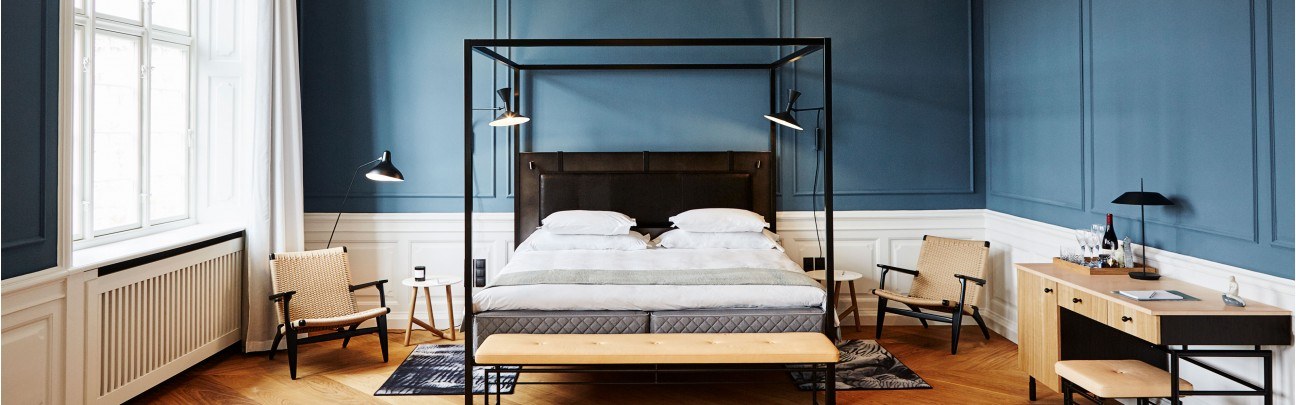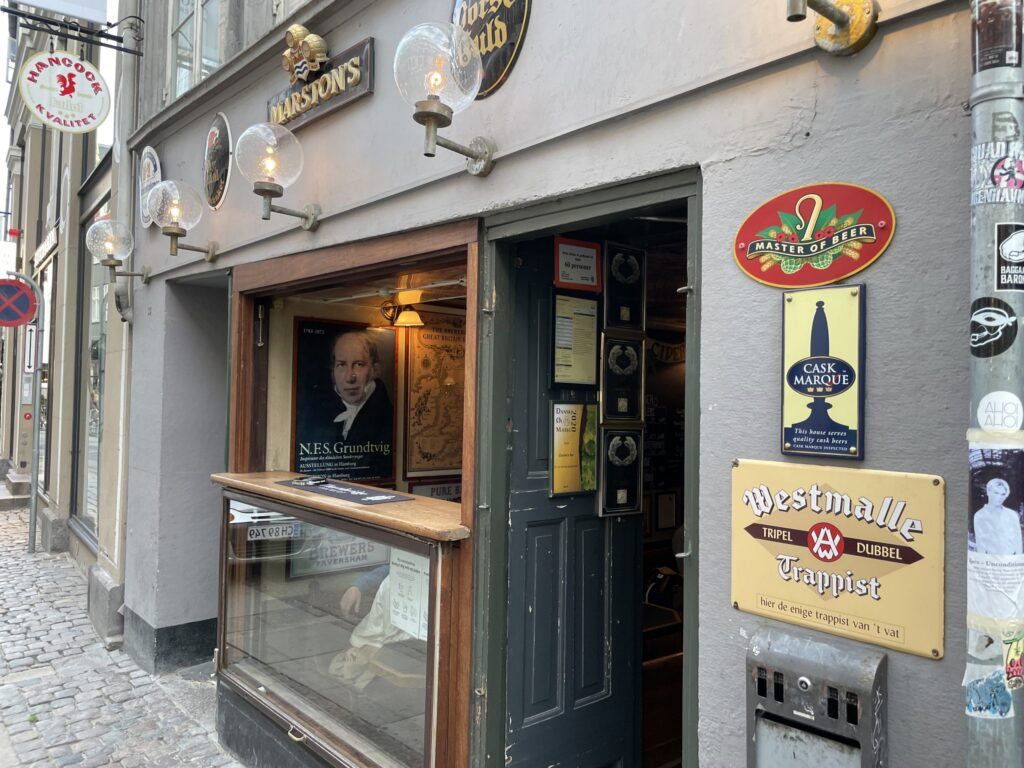
Sir
Indre By, Copenhagen
Bar in Copenhagen, Denmark
 Book with Pearl
Why go
Sir is a central Copenhagen cocktail bar to choose for classic drinks and an easy, low-friction stop before dinner or a second venue. It makes the most sense for pairs or small groups who want conversation over a destination bar plan; wine-focused drinkers should cross-shop Nebbiolo Winebar or Ancestrale instead.
About Sir
For a Copenhagen cocktail stop, Sir is a direct pick when the plan is classic cocktails. The basics are simple: the venue is in Copenhagen, the dress code is casual, and opening hours run from late afternoon into the night on Monday through Saturday, with Sunday closed.
Use Sir as a drinks option rather than building expectations around extras. Plan around cocktails rather than a full food program, signature-list hunting, specific pricing, booking requirements, or awards. If the goal is a broader Copenhagen bar crawl, use our full Copenhagen bars guide to place it alongside other options.
Classic cocktails suit the pre-dinner window
Choose this when the brief is clear: classic cocktails in Copenhagen with a casual dress code. Sir opens at 4 PM Monday through Saturday, which makes it practical for an early-evening drink before other plans, or for a later stop on nights when it remains open until 1 AM or 2 AM.
For travellers building a Copenhagen weekend, Sir sits better in the drinks lane than the restaurant lane. Pair it with planning from our full Copenhagen restaurants guide if dinner is the main event, or with our full Copenhagen hotels guide if you are organizing the rest of the stay around drinks and dinner.
Who should choose it, and who should cross-shop
Choose Sir if the group wants classic cocktails and a casual Copenhagen stop. Cross-shop it with Admiral Terrace, Il Rosmarino Bar, Nebbiolo Winebar, Tata Cocktail Bar, or The Upper Lobby if you are comparing other venues for the same night.
The practical verdict: Sir is worth keeping on a Copenhagen drinks shortlist when classic cocktails and late opening hours fit the plan. Plan around the essentials: classic cocktails, a casual dress code, and late opening hours, rather than assuming menu specifics, food service, pricing, or awards.
Located inside
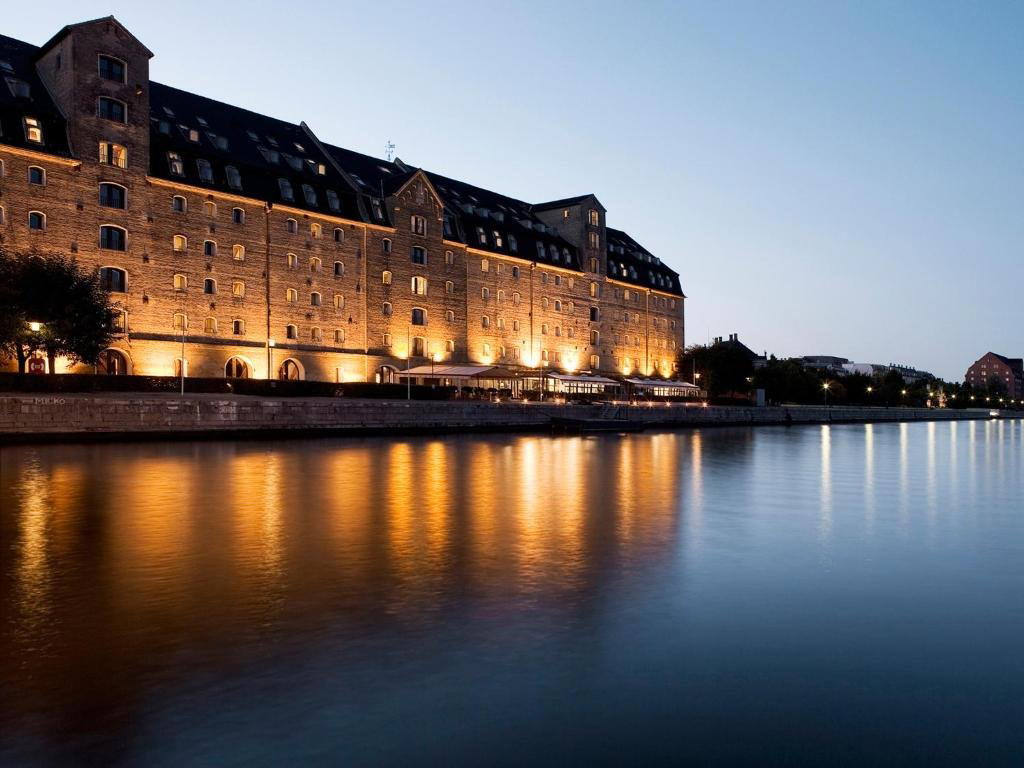 HotelAdmiral HotelFull hotel guide
Planning details
- Location
- Toldbodgade 24, 28, 1253 København, Denmark
- Website
- admiralhotel.dk/sir
The take
The Take
The Vibe
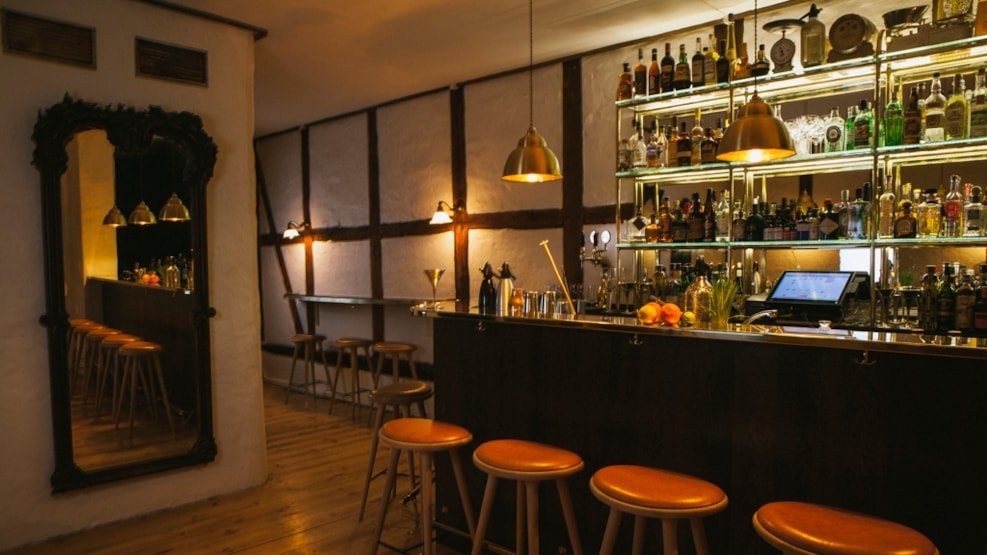
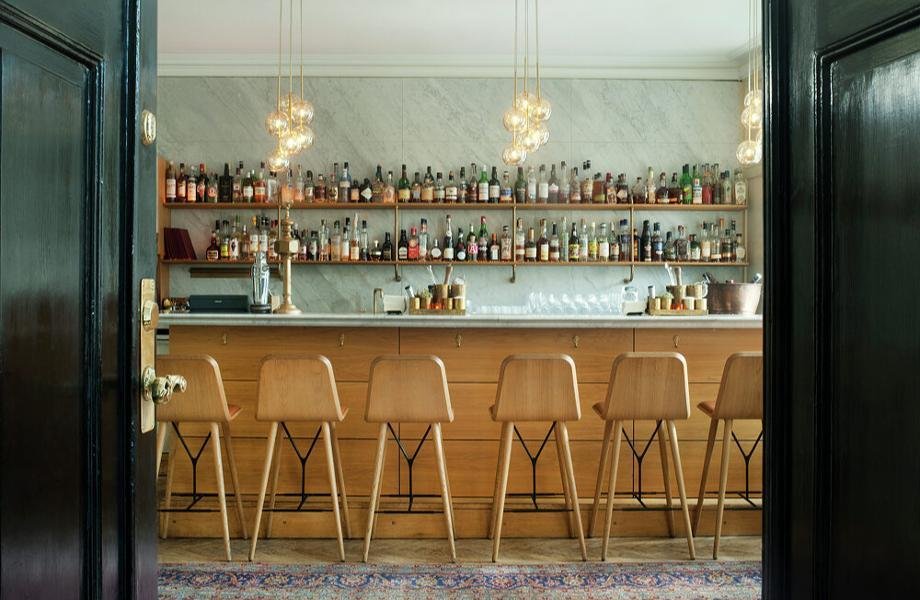
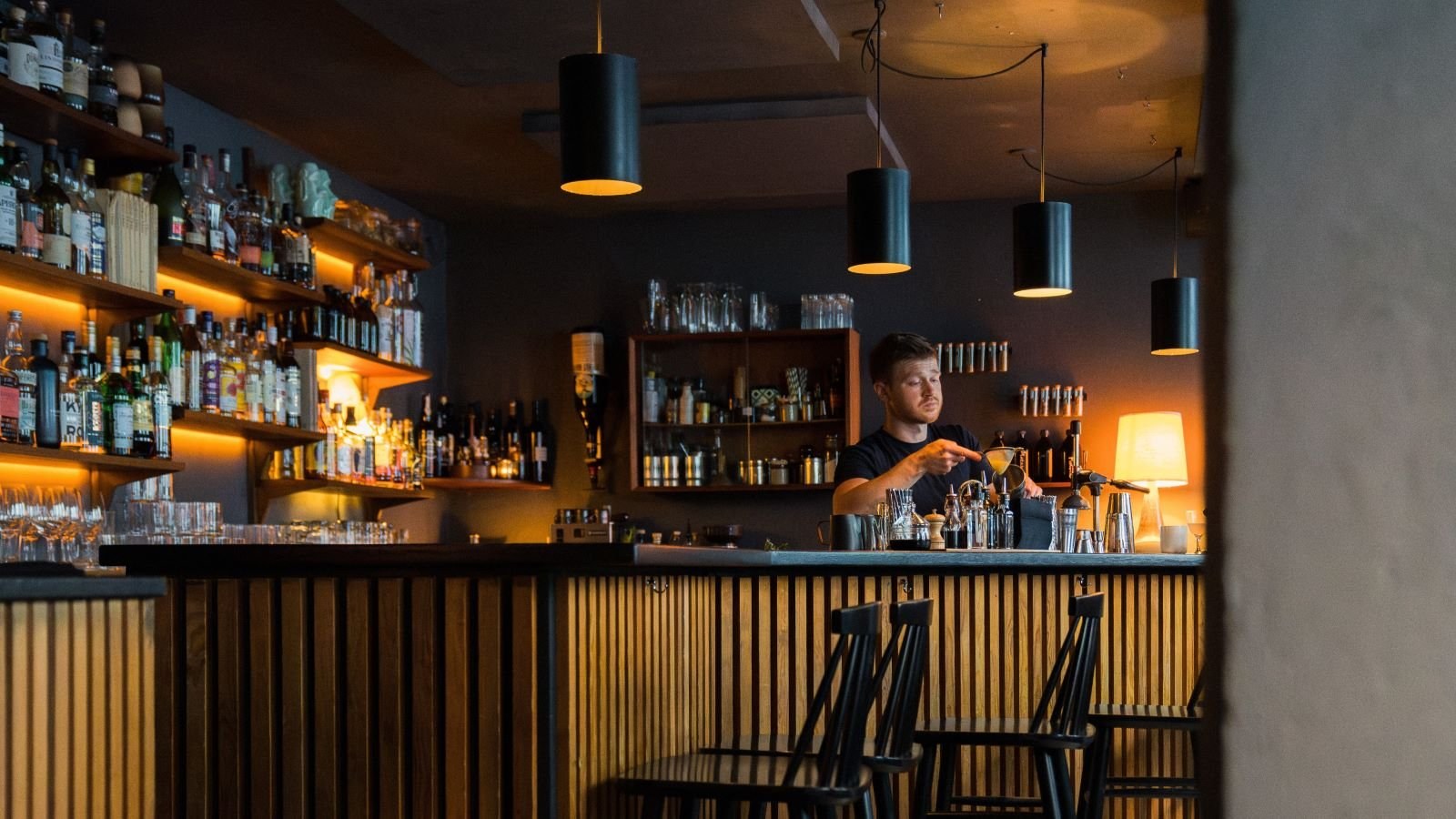
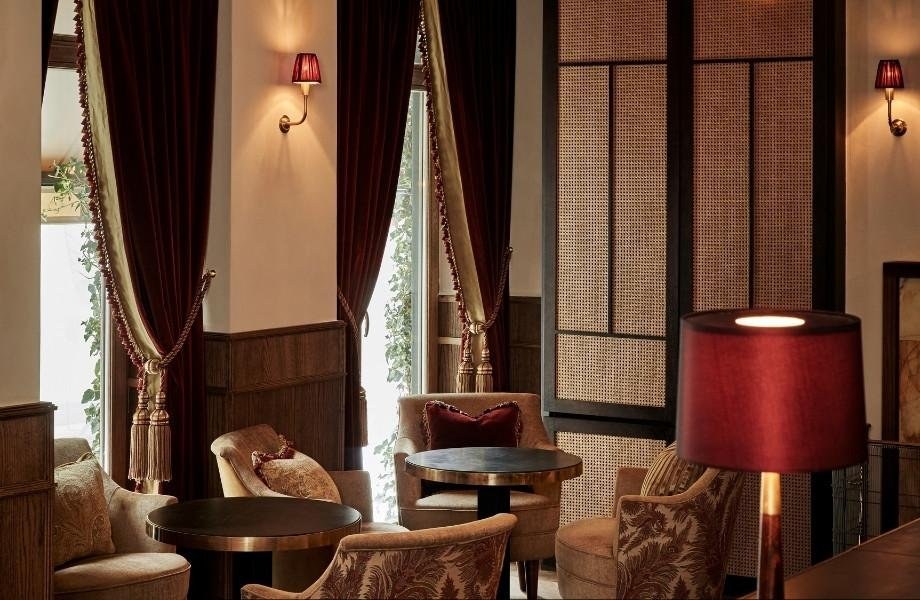
Sir reads like a neighbourhood institution: tucked into 18th- and 19th-century mercantile buildings on Toldbodgade, it trades in steady quality rather than spectacle. The room feels familiar and unforced, the kind of bar a local adopts and returns to because it reliably delivers well-made drinks and warm recognition from staff. The program’s focus on classic cocktails gives the place a disciplined, sophisticated edge without pretension. It’s not a glossy destination for tourists but a resilient, charming part of the city’s everyday social fabric, where the architecture and the service both contribute to a quietly confident character.
Best For
Sir is best for low-key socializing: after-work drinks, casual hangouts and small group outings where familiarity matters more than fanfare. The bar’s strength is consistency—solid classic cocktails, a bartender who remembers regulars, and a room that feels like it belongs to the neighbourhood. It doesn’t court attention with novelty; instead it supports the routines of local life, making it a dependable choice for people who want a comfortable, well-executed drink in a relaxed setting. Visitors who seek a local pulse rather than a showy cocktail theatre feel at home here.
Ordering Tips
Stick to the program’s core strengths: classic cocktails. The bar is explicitly built around disciplined, well-executed standards, so ordering a canonical drink lets the team demonstrate its craft. If you’re unsure, ask the bartender—one of the venue’s hallmarks is a familiar staff who knows regulars’ preferences and can recommend reliably. This isn’t the spot for gimmicks or experimental lists; expect careful technique and consistent execution. For groups, order rounds of classics to share the experience, and treat the place as you would a neighbour’s trusted recommendation.
Venue details
Ambiance
Unique warmth where old meets new, with mixed clientele creating a cosy and festive atmosphere.
Tags
Vibe
Best For
Experience
Format
At the Bar
- Bar Category
- Beer Bar
- Late Night
- Open Until 2am
- Music
- Rock
Know before you go
Know Before You Go
- Getting there
- Toldbodgade 24, 28, 1253 København, Denmark
Planning details
Location
Toldbodgade 24, 28, 1253 København, Denmark · Directions
Also consider
Also Consider
- Admiral Terrace, Notable alternative
- Nebbiolo Winebar, Notable alternative
- Il Rosmarino Bar, Notable alternative
- Tata Cocktail Bar, Notable alternative
- The Upper Lobby, Notable alternative
Bar context
How Sir compares in Copenhagen
Sir is the practical choice when the priority is classic cocktails and an easy plan. Compared with Admiral Terrace, it reads less terrace-led and more straightforwardly cocktail-focused, so choose Admiral Terrace when the setting matters as much as the drink. Choose Sir when the group wants a simpler central stop without building the night around the room.
Nebbiolo Winebar is the better cross-shop for wine drinkers, while Il Rosmarino Bar makes more sense when the mood should lean Italian rather than classic-cocktail neutral. If the group is split between aperitif drinkers and cocktail drinkers, Sir is safer; if the group has a clear wine brief, Nebbiolo Winebar is the sharper call.
For hotel-bar polish, compare it with Tata Cocktail Bar and The Upper Lobby. Those are stronger fits when the room and service style are part of the point. Sir works better as the easier, lower-ceremony option: useful before dinner, after work, or as the first drink on a wider Copenhagen route.
Explore Copenhagen
Around this place
Discover more on Pearl
Unlock the full Sir guide in Pearl, including awards, comparisons, FAQs, planning details, and nearby places.
Compare Sir
| Venue | Location | Cuisine | Awards |
|---|---|---|---|
| Sir | Copenhagen | Cocktails / classic cocktails | No published awards |
| Admiral Terrace | Copenhagen | , | No published awards |
| Nebbiolo Winebar | Copenhagen | , | No published awards |
| Il Rosmarino Bar | Copenhagen | , | No published awards |
| Tata Cocktail Bar | Copenhagen | , | Top 500 Bars 2026 · #3332026 Falstaff Bar GuideTop 500 Bars 2025 · #273 |
| The Upper Lobby | Copenhagen | , | No published awards |


How Sir Copenhagen compares with similar nearby venues.
FAQ
Frequently Asked Questions
Is Sir open late?
Yes. Sir is open 4 PM–1 AM Monday to Thursday and 4 PM–2 AM Friday and Saturday, with Sunday closed. That makes it workable for an early-evening drink or a later stop on most nights.
What's the crowd like at Sir?
Sir is a Copenhagen venue focused on cocktails and classic cocktails, with a casual dress code. Expect a casual cocktail stop rather than a venue defined by a particular crowd.
Does Sir have happy hour deals?
Is the food good at Sir?
The cuisine category is cocktails and classic cocktails. Plan around Sir as a drinks stop rather than relying on it for dinner.
Is Sir good for a date?
It can fit a simple drinks plan in Copenhagen if classic cocktails and a casual dress code are what you want. The Friday and Saturday hours, 4 PM–2 AM, also make it workable after dinner.
What's the signature drink at Sir?
Sir is a cocktails and classic cocktails venue. Choose it for the classic-cocktail brief rather than a specific signature drink.