
Sabotøren
Nørrebro, Copenhagen
Bar in Copenhagen, Denmark
 Book with Pearl
The Read
Price
$20–30per person
Why go
Sabotøren is a smart Copenhagen wine-bar pick for groups that want flexibility rather than a formal dinner plan. Go for a low-pressure meet-up, pre-dinner drinks, or a second stop; choose Baest or BRUS instead if the group needs food to carry the night.
About Sabotøren
Use Sabotøren as a simple Copenhagen option when the plan needs straightforward basics rather than a fully documented restaurant brief. It is in Copenhagen, the dress code is casual, and its listed opening days run from Tuesday through Saturday. It is closed on Monday and Sunday.
The clearest recognition signal is Star Wine List 2026. Sabotøren stands out for that acknowledgment, so treat it as a Copenhagen stop with confirmed evening-friendly hours and casual dress, then check the venue directly for current reservations, menu, and service details.
Better for a flexible plan than an over-specified brief
Sabotøren is easiest to place in an itinerary when you only need the practical facts. It opens at 4 PM from Tuesday to Thursday, and at 2 PM on Friday and Saturday. It stays open until 12 AM on each open day, which makes it useful to consider for late-afternoon or evening planning in Copenhagen.
If you are comparing options, keep the comparison broad unless you have current details from each venue. Baest, BRUS, Gaarden & Gaden, Pompette, and p2 by Malbeck may all make sense to check depending on the kind of night you are planning, but Sabotøren's profile here is intentionally narrow: Copenhagen, casual dress, listed hours, and Star Wine List 2026 recognition.
The reason to choose it: confirmed recognition and practical hours
The main trust signal available here is Star Wine List 2026. That is a stronger hook than making assumptions about the exact drinks list, food program, room layout, or service style. If that recognition matters to your group, Sabotøren belongs on the shortlist; if you need detailed menu, price, or booking information, confirm those points directly before committing.
Compared with Gaarden & Gaden, Pompette, or p2 by Malbeck, Sabotøren should be evaluated on the facts available rather than on invented distinctions. It is a Copenhagen venue with casual dress and evening hours from Tuesday to Saturday. For anything more specific, use current venue information rather than relying on assumptions.
Use it as the hinge in a Copenhagen night
The strongest planning use is timing. Sabotøren is closed on Monday and Sunday, opens at 4 PM Tuesday through Thursday, opens at 2 PM Friday and Saturday, and closes at 12 AM on each open day. For wider planning, pair it with the full Copenhagen bars guide, then use the Copenhagen restaurants guide if the evening also needs a meal before or after.
Verdict: consider Sabotøren if you want a casual Copenhagen venue with Star Wine List 2026 recognition and direct Tuesday-to-Saturday hours. Do not assume details about food, prices, reservations, seating, or services; check directly if those details will decide the night.
Planning details
- Location
- Fensmarkgade 27, 2200 København, Denmark
- Website
- sabobar.dk
- Phone
- +45 21 32 00 19
The take
The Take
The Vibe
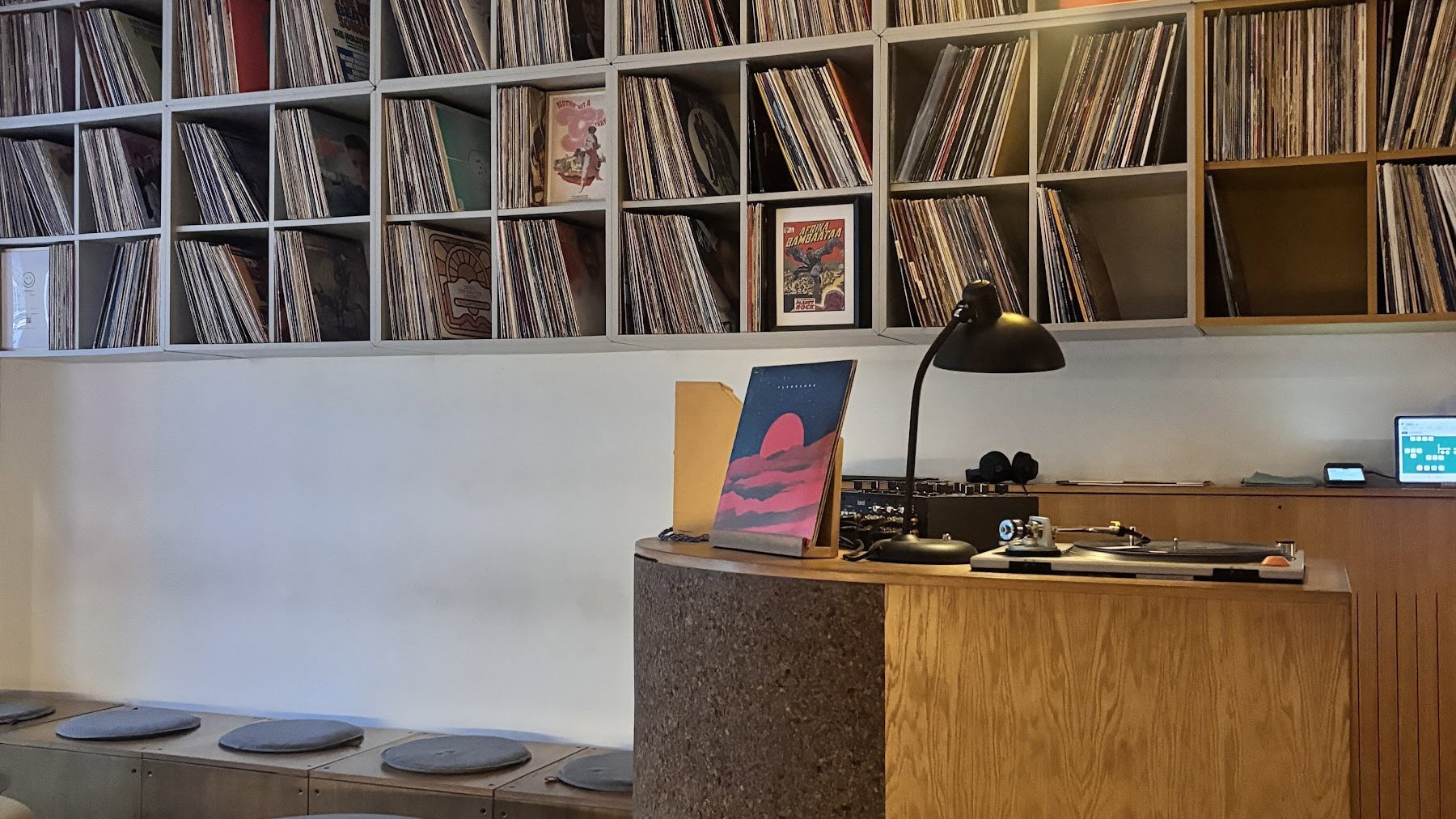
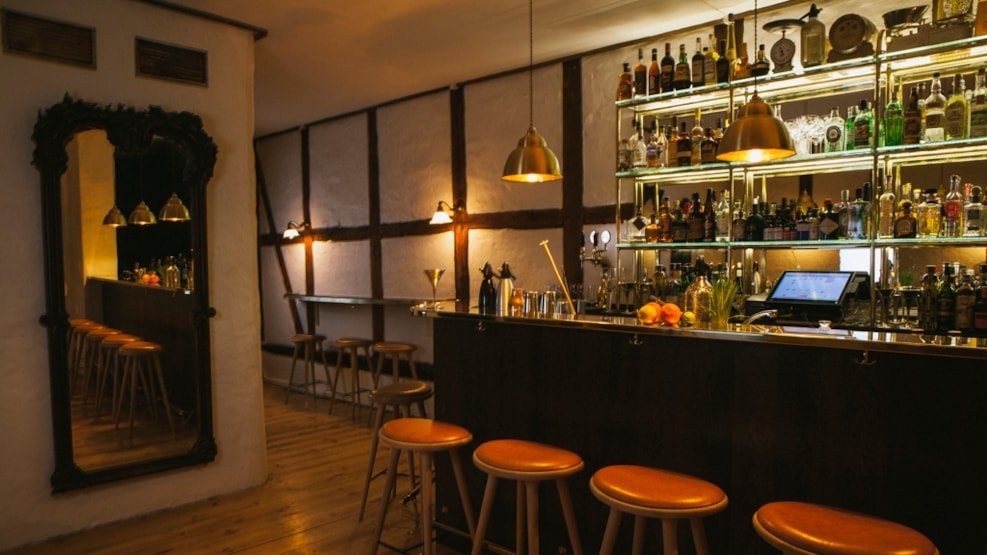
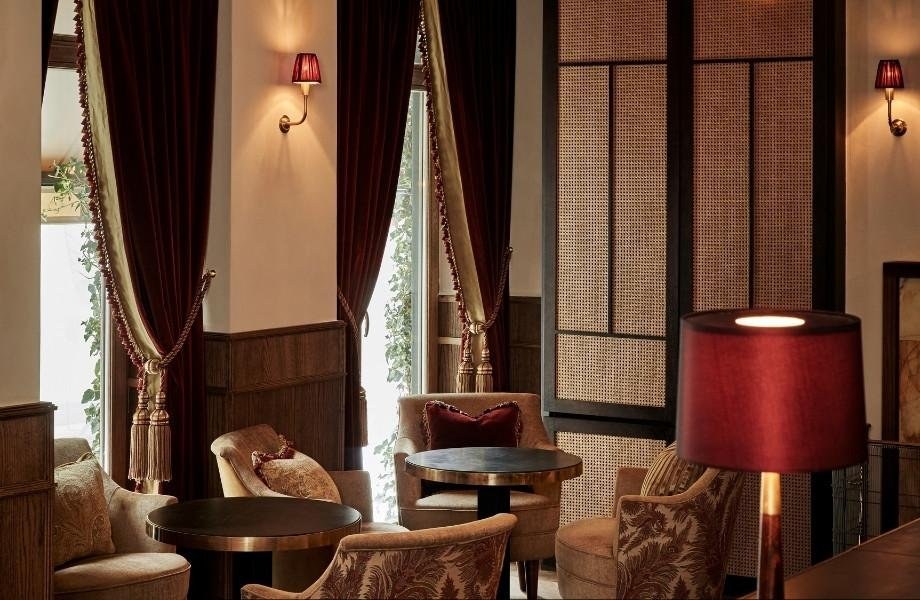
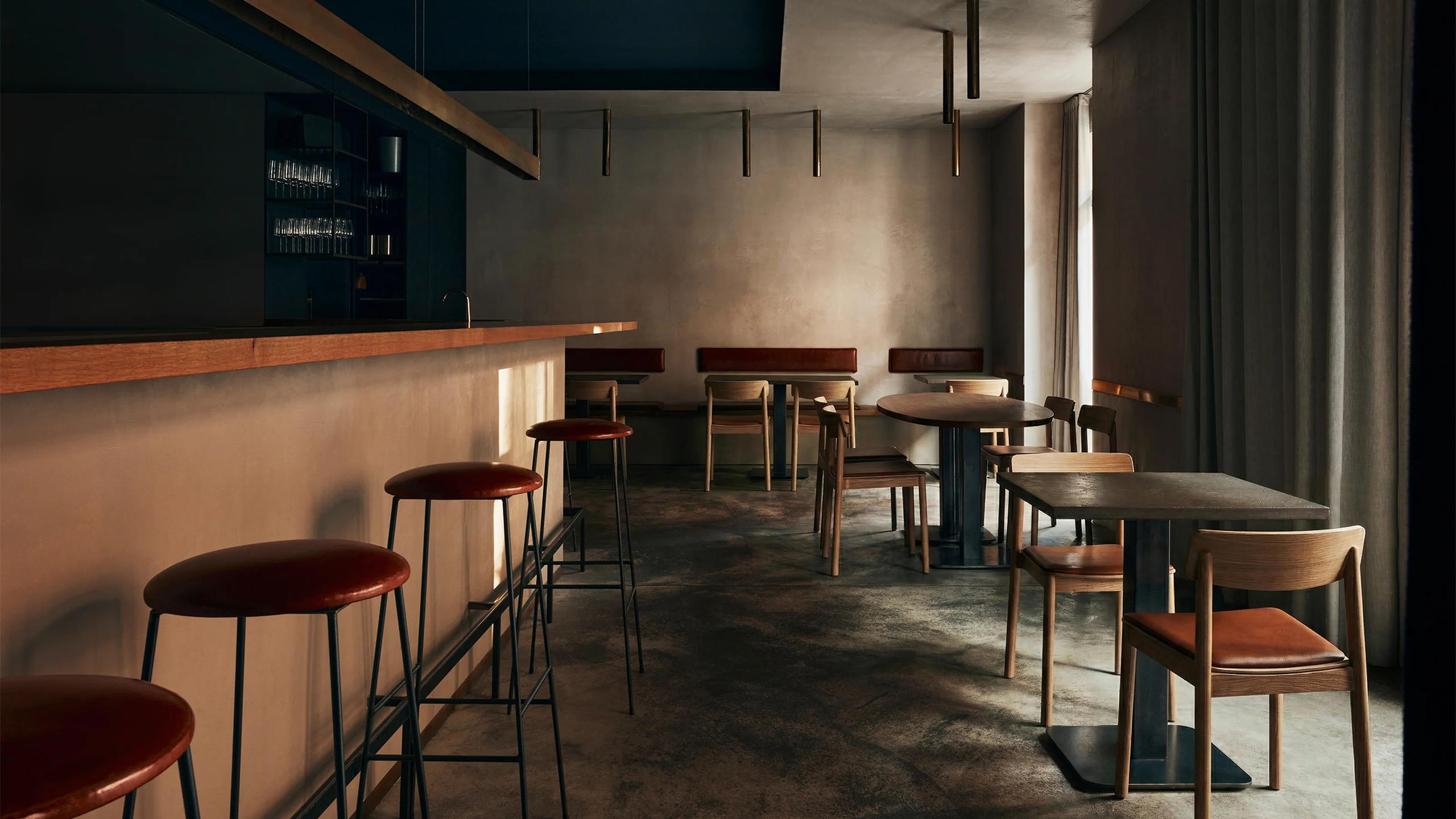
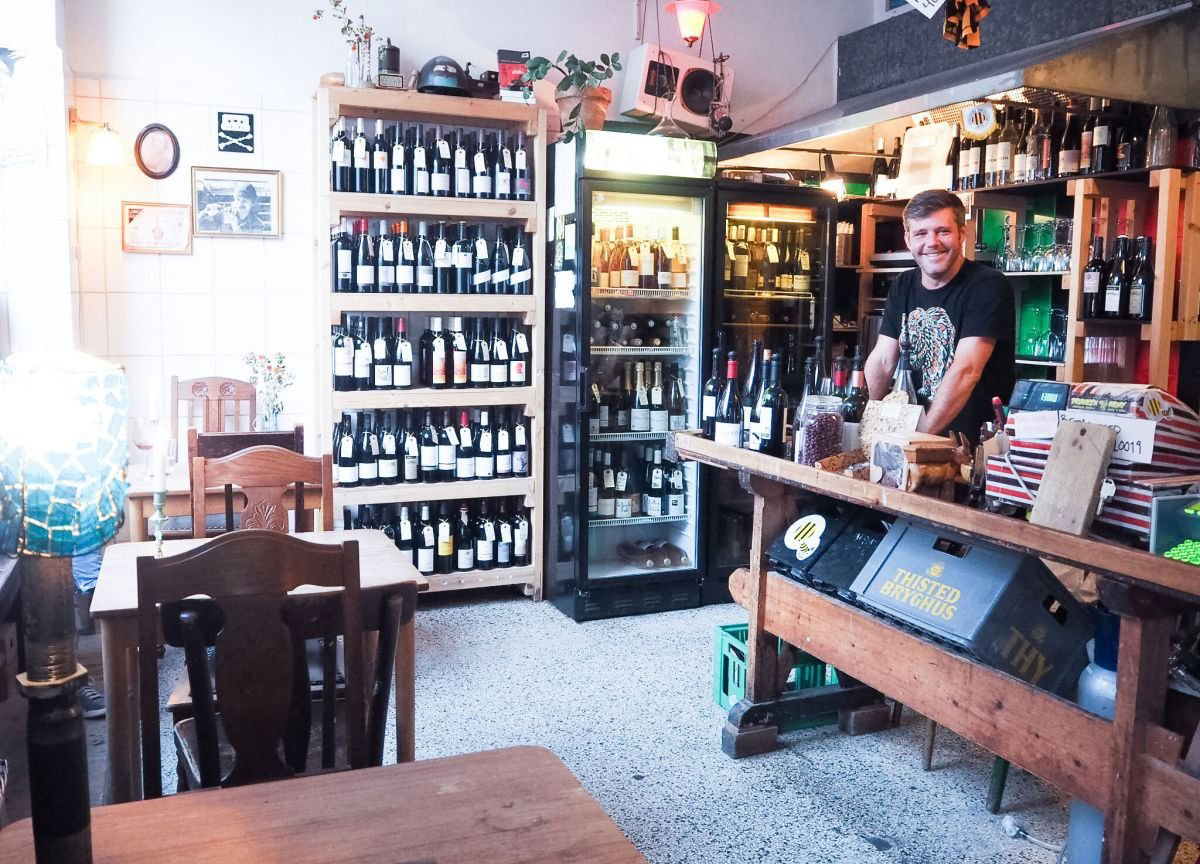
Sabotøren is a small, specialist wine bar that rewards the kind of slow discovery typical of residential Nørrebro. It operates quietly and deliberately, doing little to court passing trade and instead relying on word of mouth and a cohesive curatorial stance. The space reads like a drinking room and shop in one: intimate rather than theatrical, with attention focused squarely on the bottles. Its narrow geographical focus — organic wines from southern France — gives the bar a sophisticated, quietly charming personality that feels relaxed and unpretentious rather than performative.
Best For
This is a neighbourhood bar for people who take their wine seriously. It suits after-work drinkers and couples seeking a low-key date night where the conversation and the bottle are the point. Because the venue doubles as a retail shop, it also appeals to shoppers who want to taste before they buy. The setting — a quiet corner of Fensmarkgade in Nørrebro — makes Sabotøren a good pick for locals and visitors willing to detour from more central tourist routes for something more considered and specialist.
Ordering Tips
Lean into the bar’s southern France focus: staff curate a compact, deep list of organic bottlings, so ask for region-specific recommendations if you’re curious about Languedoc, lesser-known appellations near the Pyrenees, or Rhône-adjacent expressions. The dual bar-and-shop format means you can often taste something at the drinking room and then take a bottle home, so consider sampling before committing to a purchase. Given the venue’s disciplined, specialist approach, let the staff guide you toward a bottle that fits your taste and the mood of the evening.
Venue details
Ambiance
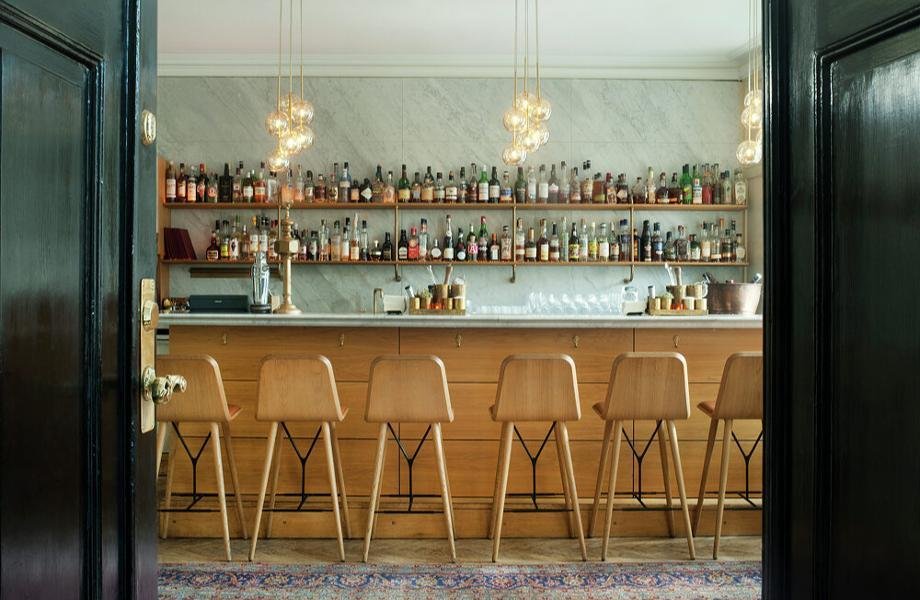
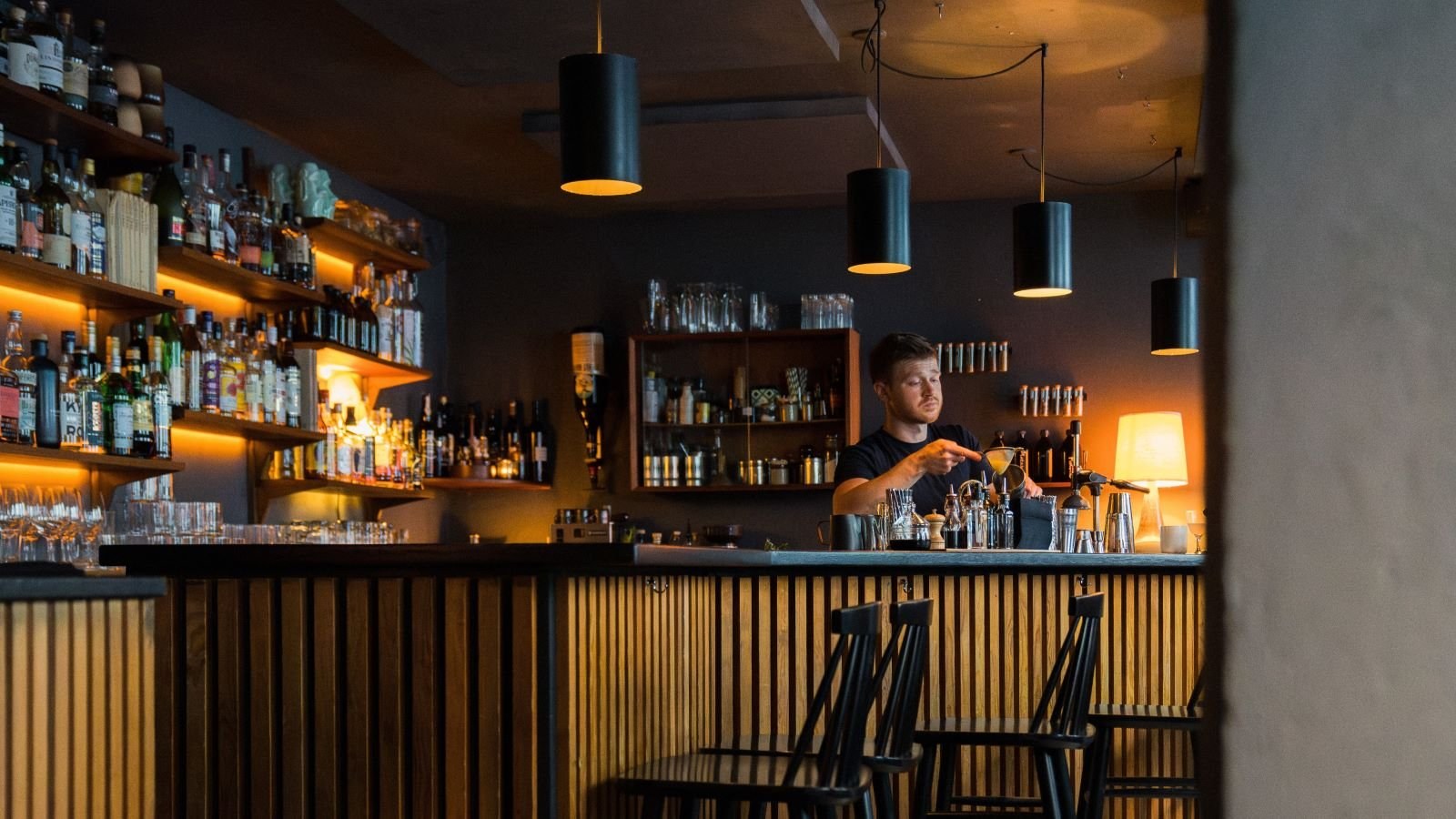
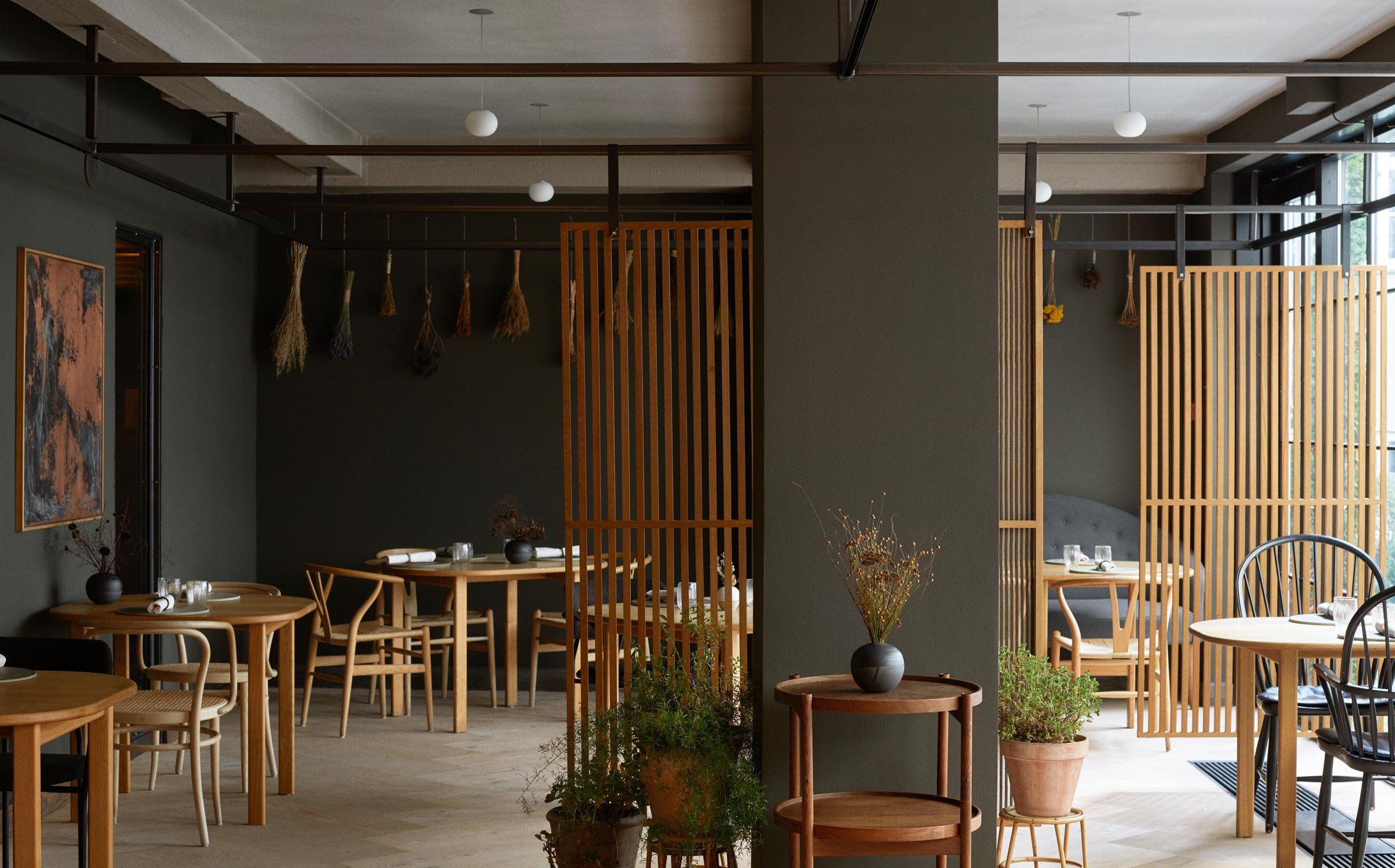
Laid-back, relaxed, and cozy atmosphere with rustic charm, smooth music, and cool decoration.
Tags
Vibe
Best For
Experience
Format
At the Bar
- Bar Category
- Wine Bar
- Late Night
- Closes by Midnight
- Music
- Smooth Music
Know before you go
Know Before You Go
- Getting there
- Fensmarkgade 27, 2200 København, Denmark
Planning details
Location
Recognition and awards

Also consider
Also Consider
- Baest, Notable alternative
- BRUS, Notable alternative
- Gaarden & Gaden, Notable alternative
- Pompette, Notable alternative
- p2 by Malbeck, Notable alternative
Bar context
How Sabotøren compares in Copenhagen
Choose Sabotøren when the group wants a relaxed wine-led stop and easy logistics. Baest is the better pick when dinner needs to be the center of the night, while BRUS makes more sense for a bigger, beer-leaning group that wants a livelier format.
Against Gaarden & Gaden and Pompette, Sabotøren is easiest to justify as a practical Nørrebro wine stop rather than a destination meal. If value means keeping the evening flexible, it is a strong choice; if value means getting food, drinks, and a fuller night in one venue, cross-shop more carefully.
p2 by Malbeck is the closer alternative for drinkers who want the wine choice to drive the plan. Sabotøren is the easier recommendation for mixed groups; p2 by Malbeck is the sharper call when the whole party is actively wine-focused.
Explore Copenhagen
Around this place
Discover more on Pearl
Unlock the full Sabotøren guide in Pearl, including awards, comparisons, FAQs, planning details, and nearby places.
Compare Sabotøren
| Venue | Location | Awards |
|---|---|---|
| Sabotøren | Copenhagen | Star Wine Lists 2026 |
| Baest | Copenhagen | No published awards |
| BRUS | Copenhagen | No published awards |
| Gaarden & Gaden | Copenhagen | No published awards |
| Pompette | Copenhagen | No published awards |
| p2 by Malbeck | Copenhagen | No published awards |
How Sabotøren Copenhagen compares with similar nearby venues.
FAQ
Frequently Asked Questions
What's the best time to go to Sabotøren?
Sabotøren opens at 4 PM Tuesday through Thursday and at 2 PM Friday and Saturday. It closes at 12 AM on each open day, so the schedule works for late-afternoon or evening planning in Copenhagen.
What's the crowd like at Sabotøren?
The crowd is not specified. Sabotøren is in Copenhagen, has a casual dress code, and is open Tuesday through Saturday.
Is Sabotøren open late?
Yes. Sabotøren is listed as open until 12 AM from Tuesday through Saturday. It is closed on Monday and Sunday.