
Bar in Copenhagen, Denmark
Mikkeller Bar
100Pearl PointsBeer-first pick
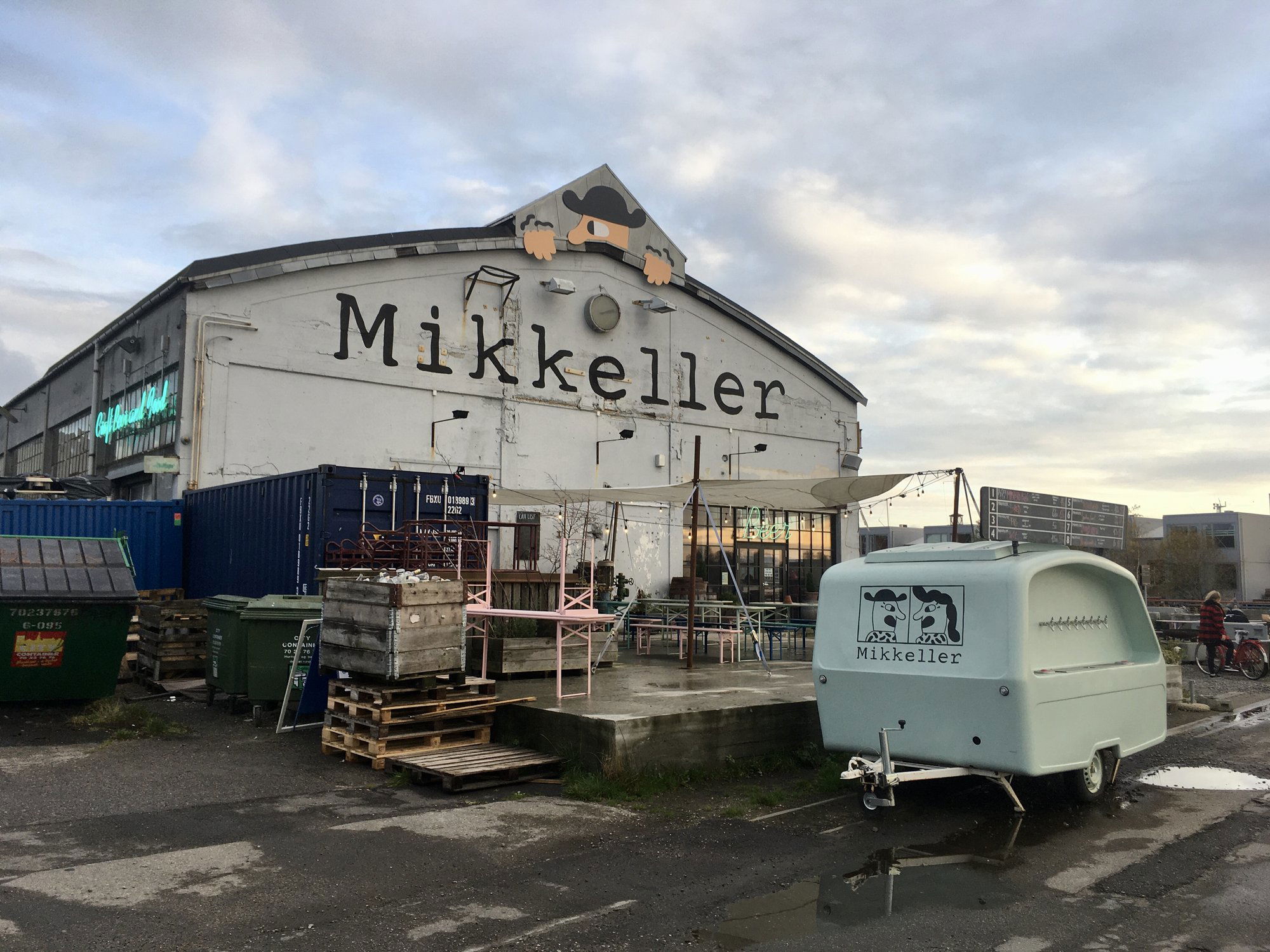
About Mikkeller Bar
Mikkeller Bar is worth choosing when the plan is a casual, beer-led stop in Vesterbro rather than a full dinner or polished cocktail night. It suits repeat Copenhagen visitors who want something easy to fold into an evening; choose Duck and Cover for a stronger date-bar feel or Vinbaren Vesterbro Torv if the group is leaning wine.
Mikkeller Bar is a casual bar in Copenhagen with verified opening hours that run from afternoon into late evening, and later on Thursday, Friday, and Saturday. Choose it as a low-ceremony stop rather than building expectations around unverified details such as a full dining program, outdoor seating, or a specific service format.
Choose it for a casual Copenhagen bar stop, not a full-night dining plan
Mikkeller Bar makes the clearest sense when you want a casual Copenhagen stop with direct timing. It opens at 3 PM Monday through Friday, at 12 PM on Saturday and Sunday, and closes at 11 PM most nights, with later hours on Thursday, Friday, and Saturday. For a broader Copenhagen plan, pair this with our full Copenhagen restaurants guide rather than expecting the bar itself to answer every part of the evening.
The verified dress code is casual, so the safest read is simple: this is not a formal occasion. If you are comparing other options by mood, Duck and Cover, Vinbaren Vesterbro Torv, Paté Paté, Absalon Bar, and Coco Café can each make sense for different Copenhagen plans, but Mikkeller Bar should be judged on its own confirmed basics: casual dress and clearly listed hours.
Outdoor space should not be the reason to choose it
There is no verified outdoor-seating or rooftop detail for Mikkeller Bar, so do not make the decision around terrace value. The more reliable way to plan is around its Copenhagen location, casual dress code, and opening hours. If fresh air, views, or a longer outdoor hang are central to the evening, compare other options in our full Copenhagen bars guide before committing.
That distinction matters because Copenhagen has many different kinds of bars and restaurants, and the best choice depends on what part of the night you are trying to solve. For travelers building a full city stay, the surrounding plan matters too: use our full Copenhagen hotels guide for hotel planning, and keep the Copenhagen experiences guide for daytime planning.
Who should pick somewhere else
Skip it if the priority is a verified dining format, confirmed outdoor setup, formal dress code, or detailed service information. Those specifics are not part of the confirmed data here. Paté Paté, Absalon Bar, Coco Café, Duck and Cover, and Vinbaren Vesterbro Torv may be worth comparing depending on the kind of Copenhagen stop you want.
The verdict: choose Mikkeller Bar when the brief is a casual Copenhagen bar visit with hours that are easy to plan around. Do not overbuild the occasion around details that are not confirmed. It is best treated as one simple stop in a wider Copenhagen plan.
Frequently Asked Questions
Is Mikkeller Bar good for groups?
The verified information does not confirm group facilities, seating, or reservation details. It may work as a casual Copenhagen bar stop, but group plans should be checked directly before relying on it.
Is Mikkeller Bar open late?
Yes. Mikkeller Bar is open until 12 AM on Thursday, 1 AM on Friday and Saturday, and 11 PM on Sunday through Wednesday.
Is the food good at Mikkeller Bar?
There is no verified food or menu information here. If food is a major part of the plan, compare it with other Copenhagen dining options such as Paté Paté rather than assuming Mikkeller Bar will cover the meal.
What's the best time to go to Mikkeller Bar?
Use the confirmed hours to plan: it opens at 3 PM Monday through Friday and at 12 PM on Saturday and Sunday. Friday and Saturday have the latest closing time, at 1 AM.
Is Mikkeller Bar good for a date?
It can suit a casual Copenhagen date if the plan is simply to meet at a bar. If you want a different kind of atmosphere, Duck and Cover is another option to compare.
Does Mikkeller Bar have happy hour deals?
Happy hour details are not verified. Plan around the confirmed opening hours instead of assuming a deal-driven visit.
Does Mikkeller Bar have outdoor seating?
Outdoor seating is not verified. If terrace time is important, compare other Copenhagen options, including Vinbaren Vesterbro Torv, before deciding.
Location
Viktoriagade 8, B-C, 1655 København, Denmark
Copenhagen, Denmark
Compare Mikkeller Bar
| Venue |
|---|
| Mikkeller Bar |
| Coco Café |
| Vinbaren Vesterbro Torv |
| Absalon Bar |
| Paté Paté |
| Duck and Cover |
Key differences to consider before you reserve.
Also Consider
- Coco Café, Notable alternative
- Vinbaren Vesterbro Torv, Notable alternative
- Absalon Bar, Notable alternative
- Paté Paté, Notable alternative
- Duck and Cover, Notable alternative
How it compares in Copenhagen
Coco Café is the easier fit for a softer café-bar plan, especially if the group is split between a casual drink and a low-key sit. Mikkeller Bar is the sharper choice when beer is the point of the stop. For value, the decision is less about a known price tier and more about format: choose the beer specialist if everyone is aligned, choose Coco Café if flexibility matters.
Vinbaren Vesterbro Torv is the natural cross-shop for wine drinkers in the same general Copenhagen rhythm. It is a better call when the group wants conversation and a bottle-led evening. Mikkeller Bar is easier to justify when the night needs a casual first or last stop rather than a longer wine-bar session.
Absalon Bar is better for a loose social plan, while Paté Paté makes more sense when food is part of the brief. Duck and Cover is the stronger pick for cocktails and date-night atmosphere. Choose Mikkeller Bar when beer focus beats ambiance polish; choose one of those peers when the room, food, or cocktails matter more than the category.
Explore Copenhagen
Save or rate Mikkeller Bar on Pearl
Keep this venue in your Pearl passport, rate it after you visit, and track it alongside every other place you collect.