

Grano Arso
Chester Center
Bar in Chester Center, United States
 Book with Pearl
Why go
Grano Arso is worth considering for a planned dinner in Chester Center, especially for groups of 4+ that want an easy booking rather than a high-pressure reservation. Go earlier in the evening for conversation. It is less useful as a late-night option, so pair it with a separate bar plan if the night continues afterward.
About Grano Arso
Grano Arso is a dinner option in Chester Center with a limited weekly schedule and a smart-casual dress code. Hours are Tuesday through Thursday from 5–8:30 PM and Friday through Saturday from 4:30–9 PM; it is closed Sunday and Monday.
Plan around the hours that are listed rather than assuming a specific menu, service style, price point, or booking format.
Use it for a planned dinner, not a spontaneous late night
Grano Arso is a dinner-focused option. Friday and Saturday offer the longest window, from 4:30–9 PM, while Tuesday through Thursday run from 5–8:30 PM.
Smart casual dress is appropriate, so dress neatly without assuming a formal setting.
What to expect on a first visit
Expect a Chester Center dinner choice with limited operating hours. Specific awards, cuisine details, chef information, takeout or delivery details, outdoor seating information, and dietary guidance are not listed, so those should not be assumed.
If you are comparing options, consider Grano Arso alongside other dining choices in the region, including Tavern on State, Adriana's, Bunker Bar, East Rock Brewing Company, or Fair Haven Oyster Company, depending on the kind of evening you want.
Planning details
- Location
- 6 Main St, Chester, CT 06412
- Reservations
- Book on OpenTable
- Website
- granoct.com
- Phone
- +1 860 322 3143
The take
The Take
The Vibe
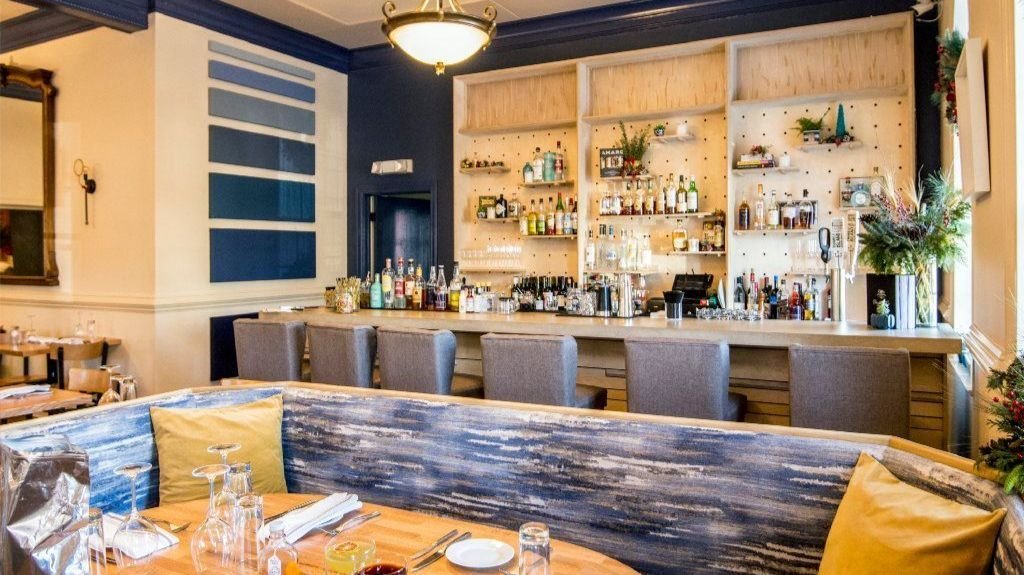
Grano Arso reads like a village bar that prizes quiet focus over spectacle. It sits on a narrow Main Street amid Federal- and Colonial-era buildings, so the moment you step inside feels immediate and intimate. The room leans into restraint: a small-service format and a considered cocktail program make evenings feel deliberate rather than rushed. The bar belongs to a recent wave of Connecticut River Valley spots where operators trade big-city volume for programmatic specificity, and the overall effect is a low-key, charming outpost for serious drinks in a historic village setting.
Best For
This is a place for people who seek thoughtful cocktails in a relaxed, small-town setting. Travelers willing to leave the interstate, couples on a date, and local regulars who appreciate editorial clarity in a drink list will all find reasons to come. Because the room is deliberately small and the program favors specificity over volume, it’s less suited to noisy large groups and better for intimate gatherings, after-work stops, or special evenings when the craft of the cocktail is the point of the visit.
Ordering Tips
Expect a restrained cocktail menu. The description emphasizes editorial clarity in the current moment of American craft bartending, so ask the bartender for a concise recommendation or a house selection that demonstrates the program’s focus. Favor precision over theatrics: a well-built, thoughtfully composed drink is likely the house strength. If you’re visiting from out of town, let the staff steer you toward what reflects the current program rather than hunting for gimmicks.
Venue details
Ambiance
Warm, cozy atmosphere with stylish seating, blue velvet banquettes in the speakeasy lounge, and lustrous gold accents in the vaulted wine room.
Tags
Vibe
Best For
Experience
Format
At the Bar
- Bar Category
- Cocktail Bar
- Late Night
- Closes by 10pm
Signature Pours
- Grano Old Fashioned
- Royale Martini
Know before you go
Know Before You Go
- Getting there
- 6 Main St, Chester, CT 06412
Planning details
Location
Also consider
Also Consider
- Bunker Bar, Notable alternative
- Fair Haven Oyster Company, Notable alternative
- East Rock Brewing Company, Notable alternative
- Tavern on State, Notable alternative
- Adriana's, Notable alternative
Bar context
How it compares for a Chester Center night out
Grano Arso is the better fit when the priority is a seated dinner with easier planning. Bunker Bar and Fair Haven Oyster Company make more sense for a drinks-led plan, but they are weaker substitutes if the group needs one dinner table and a clear start time.
For beer-focused or casual pacing, East Rock Brewing Company is the easier cross-shop. For a more dining-adjacent bar decision, compare against Tavern on State and Adriana's. The deciding factor is format: choose Grano Arso for the meal anchor, choose the others when drinks or a looser night matter more.
Explore Chester Center
Around this place
Discover more on Pearl
Unlock the full Grano Arso guide in Pearl, including awards, comparisons, FAQs, planning details, and nearby places.
Compare Grano Arso
| Venue | Location | Awards |
|---|---|---|
| Grano Arso | Chester Center | No published awards |
| Bunker Bar | Greenport | No published awards |
| Fair Haven Oyster Company | New Haven | No published awards |
| East Rock Brewing Company | New Haven | No published awards |
| Tavern on State | New Haven | No published awards |
| Adriana's | New Haven | No published awards |
How Grano Arso Chester Center compares with similar nearby venues.
FAQ
Frequently Asked Questions
Is Grano Arso good for a date?
Grano Arso can be considered for a dinner plan in Chester Center, especially if the listed evening hours work for you. The dress code is smart casual.
What's the best time to go to Grano Arso?
Friday and Saturday have the longest hours, from 4:30–9 PM. Tuesday through Thursday service is listed from 5–8:30 PM.
Is Grano Arso open late?
No. The latest closing time is 9 PM on Friday and Saturday; Tuesday through Thursday close at 8:30 PM.