
Bar in Charleston, United States
The Tippling House
100Pearl PointsDrink-First Stop
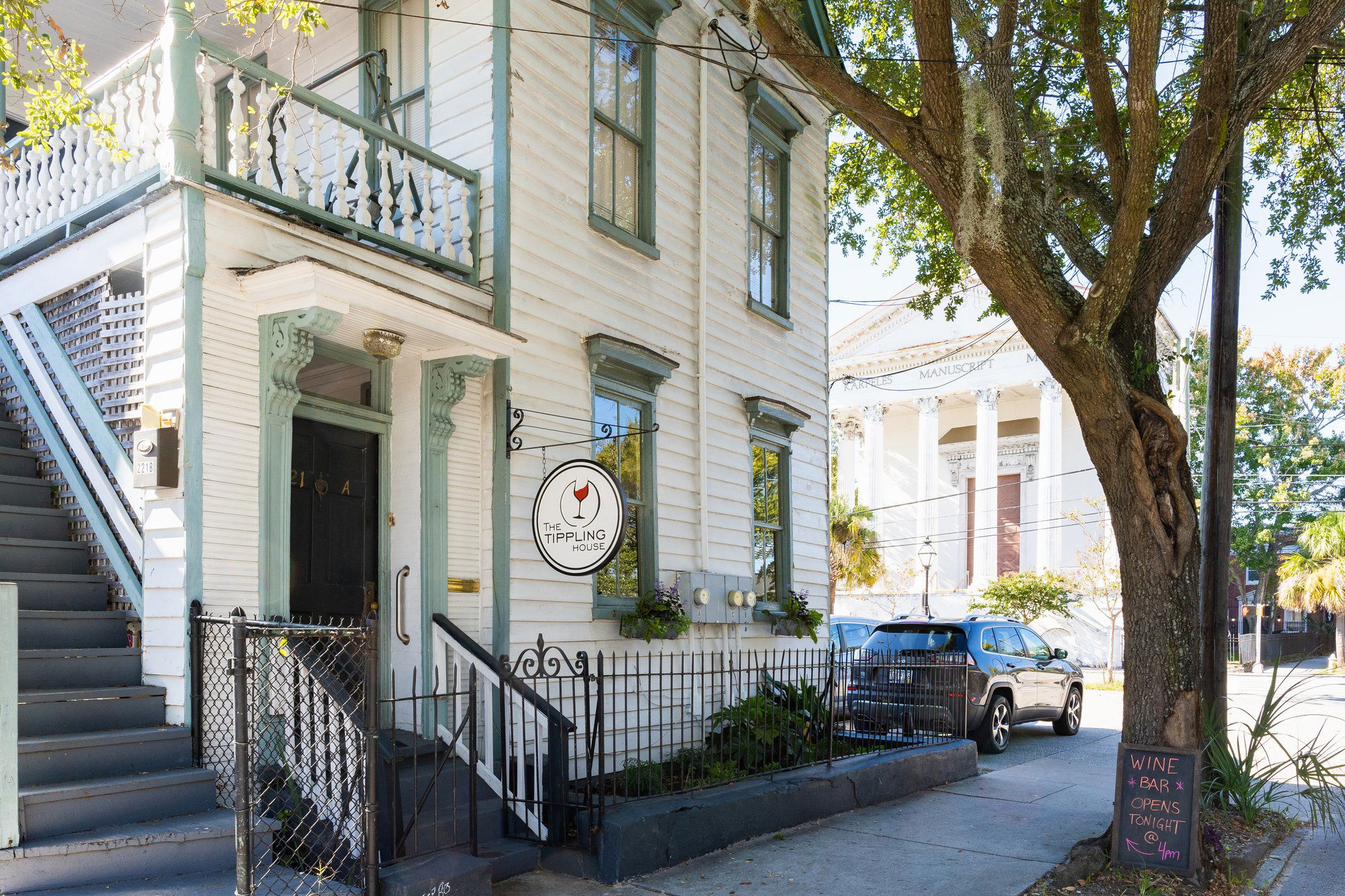
About The Tippling House
The Tippling House is a sensible Charleston pick when the brief is an easy, casual drink rather than a heavily researched dining plan. Go for flexibility and neighborhood convenience; choose Malagón, babas on cannon, or Uptown Social instead if the group needs a clearer food format, café-bar feel, or louder group energy.
The verified planning details for The Tippling House are limited but useful: it is in Charleston, has a casual dress code, and is open Tuesday through Saturday from 4–10 PM, with Monday and Sunday closed. Because no verified menu, cuisine, pricing, awards, seating, or service-format details are available here, it is best to plan around those confirmed basics rather than assume a specific kind of night.
The strongest reason to consider it is simplicity. The schedule gives it a clear evening window, and the casual dress code keeps the decision low-pressure. For an explorer who wants heavily documented food, pricing, or special-occasion details before committing, this page does not verify enough to make those claims.
Use it for a casual evening plan, not a researched tasting plan
Value question is not possible to answer from the verified data because no public price range, food style, or signature offering is confirmed here. The safer read: choose The Tippling House when a casual Charleston stop during its posted evening hours fits the plan. If the group wants a known food angle, compare against Malagón or D'Allesandro's Pizza instead.
Keep the plan flexible rather than building it around unverified specifics. The available facts do not confirm a destination-room format, a particular dining style, or a special-occasion structure. That is useful if the night can stay loose. It is less useful if someone in the group needs a clearly defined menu, price point, or occasion setting before committing.
Who should choose it over other options
Choose The Tippling House for a casual Charleston option during its Tuesday-to-Saturday evening hours. Choose Elliotborough Mini Bar when the priority is another casual alternative, babas on cannon when the group wants a different option, and Uptown Social when the night calls for a different kind of group outing.
The practical verdict: worth considering for an uncomplicated Charleston evening if the confirmed hours and casual dress code fit your plans. It is not the strongest pick for diners who need verified food details, price certainty, or award-backed confidence before going. For broader trip planning, use the Charleston bars guide and the Charleston restaurants guide to build the rest of the night around it.
Frequently Asked Questions
Does The Tippling House have happy hour deals?
No verified happy hour details are available here. The clearest planning detail is the schedule: open Tuesday through Saturday from 4–10 PM, with Monday and Sunday closed.
What's the best time to go to The Tippling House?
Plan within its verified evening schedule: Tuesday through Saturday from 4–10 PM. It is closed Monday and Sunday.
Is The Tippling House good for a date?
It can fit a casual date if the verified basics match your plans: Charleston location, casual dress code, and Tuesday-to-Saturday evening hours. No specific menu, seating, or service format is verified here.
Does The Tippling House have outdoor seating?
Outdoor seating is not verified here. If patio seating matters, confirm directly before making plans.
Is the food good at The Tippling House?
No verified cuisine, menu, or food details are available here. Choose it only if the confirmed basics, Charleston location, casual dress code, and Tuesday-to-Saturday 4–10 PM hours, are enough for your plan.
Location
221 Coming St, Charleston, SC 29403
Charleston, United States
Compare The Tippling House
| Venue | Booking Difficulty |
|---|---|
| The Tippling House | Easy |
| Elliotborough Mini Bar | Unknown |
| D'Allesandro's Pizza | Unknown |
| babas on cannon | Unknown |
| Malagón | Unknown |
| Uptown Social | Unknown |
Comparable nearby venues by cuisine and price for this tier.
Also Consider
- Elliotborough Mini Bar, Notable alternative
- D'Allesandro's Pizza, Notable alternative
- babas on cannon, Notable alternative
- Malagón, Notable alternative
- Uptown Social, Notable alternative
How it compares in Charleston
Elliotborough Mini Bar is the closest comparison for a low-pressure neighborhood drink. Pick The Tippling House when availability and a simple round matter; cross-shop Elliotborough Mini Bar when the group wants a similarly casual stop and is deciding by room feel rather than a documented food or cocktail format.
D'Allesandro's Pizza and Malagón are better fits when food is central to the plan. The Tippling House reads more like a drinks-first decision, while those two make more sense if the group wants the meal to carry the evening. For value per round, The Tippling House is easier to justify when the spend is tied to convenience, not a full dinner expectation.
babas on cannon suits a café-bar mood, while Uptown Social is the clearer call for a bigger group night. Choose The Tippling House for a calmer, more flexible stop; choose Uptown Social when energy matters more than conversation.
Explore Charleston
Save or rate The Tippling House on Pearl
Keep this venue in your Pearl passport, rate it after you visit, and track it alongside every other place you collect.