
Bar in Charleston, United States
The Glass Onion
100ptsLow Country Kitchen, West of the Bridge
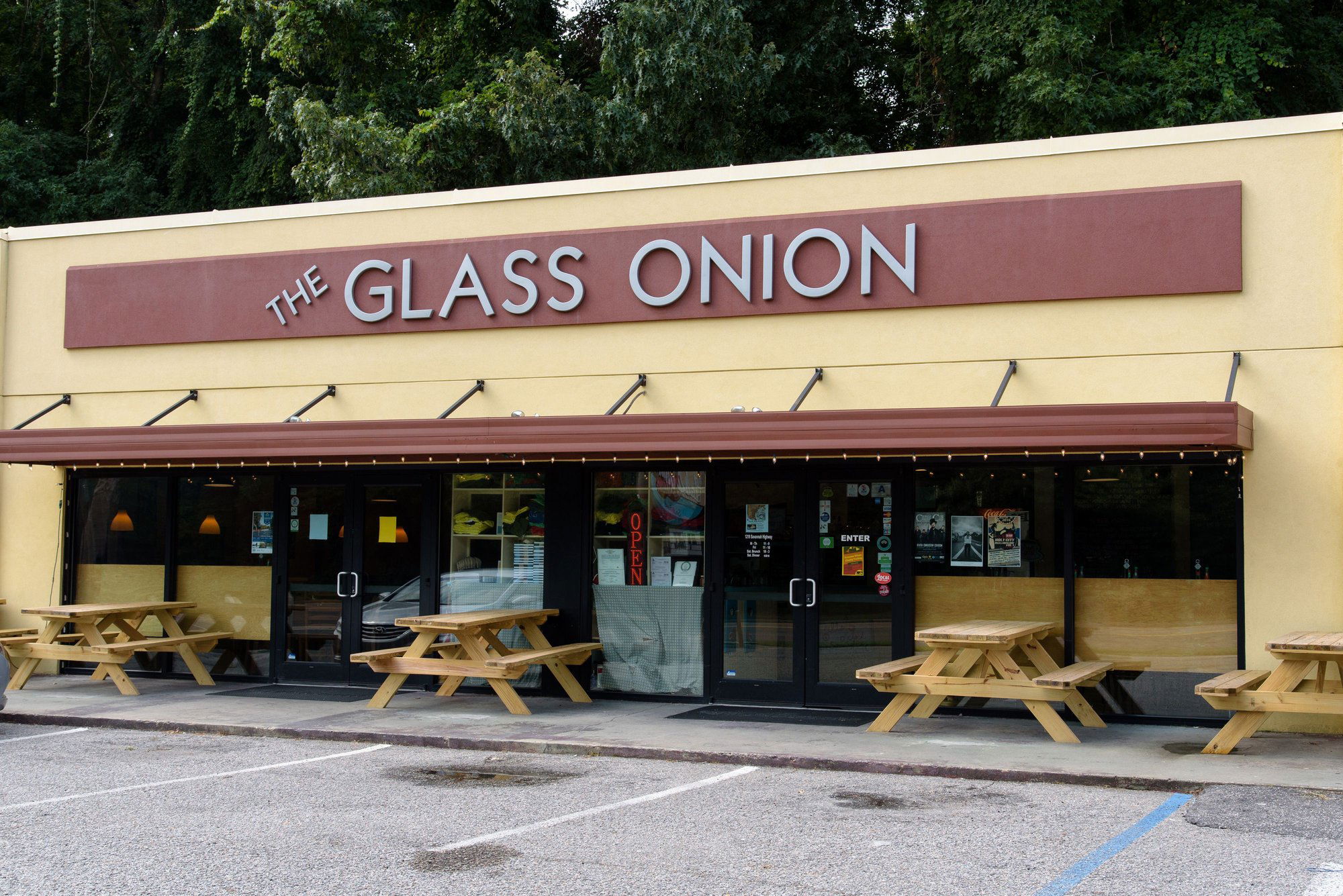
About The Glass Onion
On Savannah Highway, west of the peninsula, The Glass Onion represents Charleston's more grounded side of Southern cooking: a commitment to Low Country tradition without the white-tablecloth performance. The kitchen draws on the agricultural and coastal rhythms that have defined this region's food culture for generations, placing it in a different register from downtown Charleston's more formal dining tier.
Southern Food, West of the Bridge
Charleston's dining reputation tends to concentrate on the historic peninsula, where French Quarter restaurants and King Street institutions compete for attention and reservation slots. The west side of the Ashley River operates differently. Along Savannah Highway, the energy is quieter and the dining premises are less theatrical, but the cooking often carries more regional conviction. The Glass Onion sits in that context, at 1219 Savannah Hwy, occupying a part of the city that locals use more than visitors do.
That geographic remove matters more than it might seem. Charleston's food culture has always had two registers: the formal, hospitality-industry version that travels well in magazine features, and the workaday version rooted in agricultural supply chains, fishing communities, and home-kitchen traditions passed across generations. The Glass Onion belongs to the latter register, and that placement gives it a different kind of authority than the peninsula's more visible dining rooms.
Low Country Cooking and the Weight of Tradition
The cuisine of the South Carolina Low Country is one of the most historically layered food cultures in the United States. It draws directly from West African cooking techniques brought by enslaved people, from the tidal rice farming that shaped the region's agricultural economy for more than a century, and from the coastal geography that puts shrimp, oysters, and crab within reach of almost every kitchen. These influences are not simply historical footnotes. They show up in cooking methods, flavor profiles, and ingredient choices that remain distinctive from broader American Southern food.
Rice is the clearest example. South Carolina's long-grain heritage rice varieties, once grown across the Low Country's tidal marshes, are now being revived by a small number of farmers and millers, and the better kitchens in this region have reconnected with that supply chain. Heirloom grain sourcing, Sea Island red peas, and Geechee-influenced seasoning patterns mark a restaurant's commitment to that tradition more clearly than any amount of menu language. The Glass Onion's address on the western edge of the city places it within reach of the agricultural producers that make this kind of sourcing practical rather than performative.
Charleston's dining scene has seen sustained national interest over the past decade, with publications and award bodies pointing to the city's Southern food credentials alongside its newer, more cosmopolitan restaurant openings. That attention has had a complicated effect: it has raised the quality floor across the board, but it has also pushed some kitchens toward an aestheticized version of Low Country food that packages tradition for export. The more grounded operations tend to hold their ground outside the tourist corridor, where the clientele is primarily local and the pressure to perform regionalism is lower.
Where It Sits in the Charleston Dining Picture
Charleston's bar and restaurant scene is dense enough that every part of the city has developed its own character. On the peninsula, venues like The Cocktail Club, 39 Rue de Jean, 82 Queen, and babas on cannon represent a more urban, often cocktail-forward version of Southern hospitality. The Glass Onion operates in a different mode, where the food tradition takes precedence and the setting is functional rather than designed for effect.
That distinction matters for how you approach the decision to visit. If you are working through Charleston's more formal dining tier, the peninsula is the place to start. But if you want to understand what Charleston eats when the city is not performing for an audience, the west side of the Ashley is worth the short drive. For a broader orientation to both registers of the city's food and drink scene, the EP Club Charleston guide maps out the full range.
Across the American South, the restaurants doing the most interesting work with regional tradition tend to follow a similar pattern: they are slightly off the main tourist corridor, they source from named local producers, and they keep their menus shorter and more seasonal than the large hospitality-industry operations. That pattern connects Charleston's better casual kitchens to analogous venues in other cities. Jewel of the South in New Orleans and Julep in Houston both operate in that tradition-forward, locally-grounded mode, each in cities where the food culture runs deep enough to support serious, unfussy versions of regional cooking and drinking. Further afield, Bar Leather Apron in Honolulu, Kumiko in Chicago, Superbueno in New York City, ABV in San Francisco, and The Parlour in Frankfurt each illustrate how regionally rooted hospitality translates across very different urban contexts.
Planning a Visit
The Glass Onion is located at 1219 Savannah Hwy, in the West Ashley neighborhood, a 10-to-15 minute drive from the historic peninsula depending on traffic across the Ashley River bridges. The venue draws a local crowd, which means it operates on rhythms different from the downtown reservation treadmill. Checking availability directly is advisable, particularly on weekend evenings when the neighborhood's dining options are fewer and the better kitchens fill early. Visiting in the autumn months, when the Low Country's fall produce and the beginning of the oyster season coincide, gives the menu its fullest expression of regional sourcing.
Frequently Asked Questions
What's the signature drink at The Glass Onion?
Specific cocktail or drink details for The Glass Onion are not on record in our database at this time. Charleston's broader bar scene, including venues like The Cocktail Club, has strong cocktail programming if that is a priority alongside dinner. The Glass Onion's identity centers on its food rather than a drinks program, so the beverage list is leading understood as a supporting element to the cuisine rather than an independent draw.
What should I know about The Glass Onion before I go?
The Glass Onion is in West Ashley, not on the historic peninsula, which means you will need a car or rideshare from most downtown hotels. It operates in a more casual register than Charleston's award-circuit restaurants, and its value relative to the peninsula dining tier is one reason it maintains a loyal local following. Arriving with some knowledge of Low Country food traditions, particularly the significance of rice culture and coastal sourcing in this region, makes the menu more legible and the meal more meaningful.
How does The Glass Onion fit into Charleston's tradition of Low Country cooking?
The Glass Onion's position on Savannah Highway, away from the tourist density of the peninsula, places it closer in character to the working tradition of Low Country cooking than to its more curated, restaurant-industry versions. Charleston's food culture is one of the most historically specific in the American South, shaped by West African culinary technique, tidal rice agriculture, and coastal ingredient sourcing, and the kitchens that engage with that tradition most seriously tend to operate in the city's less prominent commercial zones. The Glass Onion represents that quieter, more local-facing tier of Charleston dining.
More bars in Charleston
- 39 Rue de Jean39 Rue de Jean is Charleston's most accessible French bistro option, with an outdoor terrace that earns it a place on the shortlist for group dinners and relaxed evening drinks. Booking is easy, the format is familiar, and it's a useful change of pace from the city's Lowcountry-heavy dining scene. Best for returning visitors who want variety without the reservation battle.
- 82 Queen82 Queen is an easy book by Charleston standards, with a historic courtyard that outperforms most indoor dining rooms in the city during spring and fall evenings. If you've visited once and sat inside, the outdoor terrace is the reason to return. Reservations are straightforward, the address is central, and the setting does most of the heavy lifting.
Related editorial
- Best Fine Dining Restaurants in ParisFrom three-Michelin-star icons to the next generation of Parisian chefs pushing boundaries, these are the restaurants that define fine dining in the world's culinary capital.
- Best Luxury Hotels in RomeFrom rooftop terraces overlooking ancient ruins to Michelin-starred hotel dining, these are the luxury hotels that make Rome unforgettable.
- Best Cocktail Bars in KyotoFrom sleek lounges to hidden speakeasies, Kyoto's cocktail scene blends Japanese precision with global influence in ways you won't find anywhere else.
Save or rate The Glass Onion on Pearl
Keep this venue in your Pearl passport, rate it after you visit, and track it alongside every other place you collect.